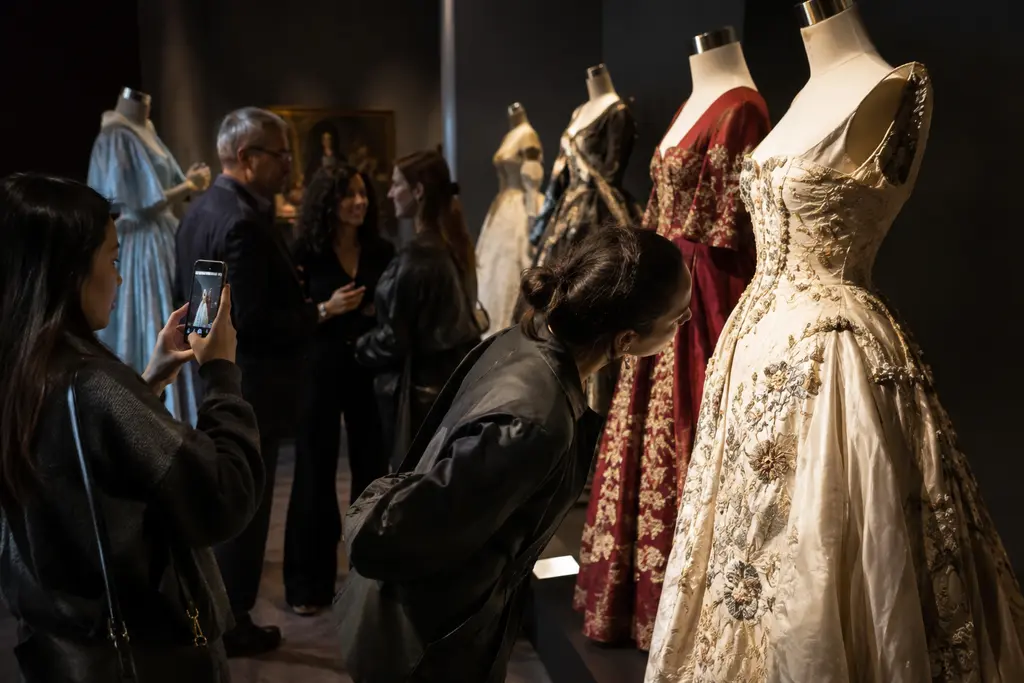
Costume Design Trends at the Metropolitan Museum of Art’s Costume Art exhibition are easier to read as design signals than as simple forecasts. The exhibition has been running since May 10, 2026, and is scheduled to remain on view through January 10, 2027, in the museum’s new Condé Nast Galleries, a 12,000-square-foot space adjacent to the Great Hall, according to the Met exhibition listing. That placement matters. It frames fashion not as a side display, but as a body-based art practice that can sit near painting, sculpture, and decorative arts without losing its own material character.
Costume Design Trends In A Museum Setting
The first major signal is institutional: display space has become part of costume meaning. Research notes for the exhibition describe about 200 garments and accessories shown with about 200 artworks from across the Met’s departments, a pairing reported by The Guardian. That structure does not make every dress a sculpture or every accessory a museum relic. It does suggest that curators are asking viewers to compare line, weight, surface, proportion, and bodily presence across media.
Costume Design Trends And Display Power
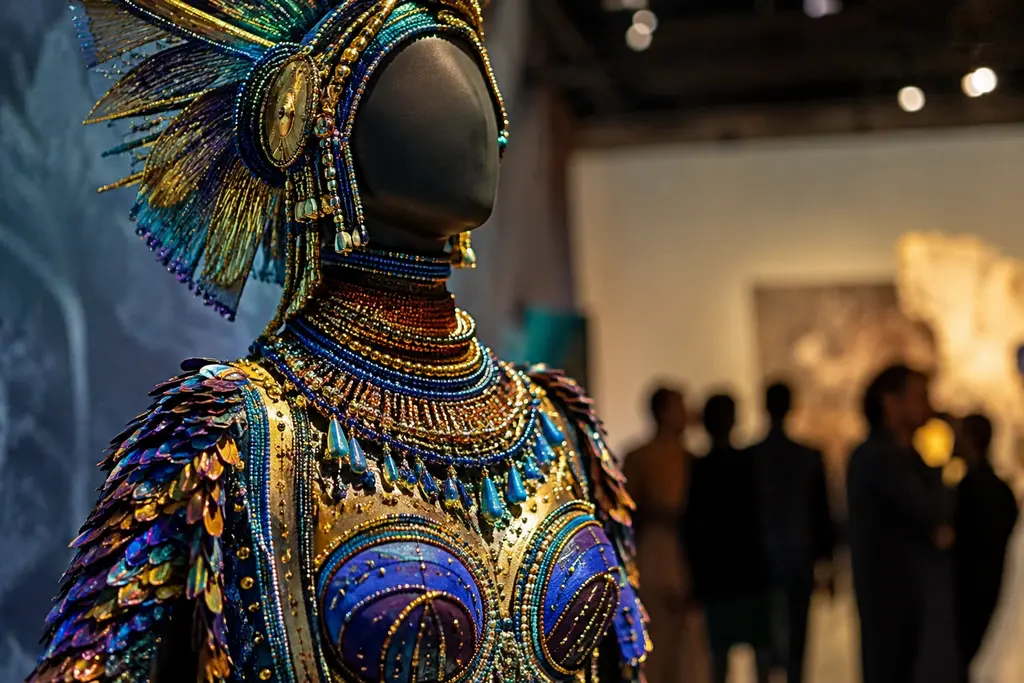
The exhibition’s mannequin strategy is especially relevant for designers, costume makers, and dress-up enthusiasts. Research notes describe many garments as pedestalized, with clothing raised above paired artworks, so the garment controls the visual field rather than acting as a supporting example. The reflective, faceless mannequin heads also matter. They reduce portrait-like specificity and invite the viewer to imagine a body inside the garment. That can be persuasive, but it should be read carefully: a display method is not proof that all future fashion will look sculptural. It is evidence that presentation is becoming a stronger part of costume interpretation.
Fashion Paired With Art Objects
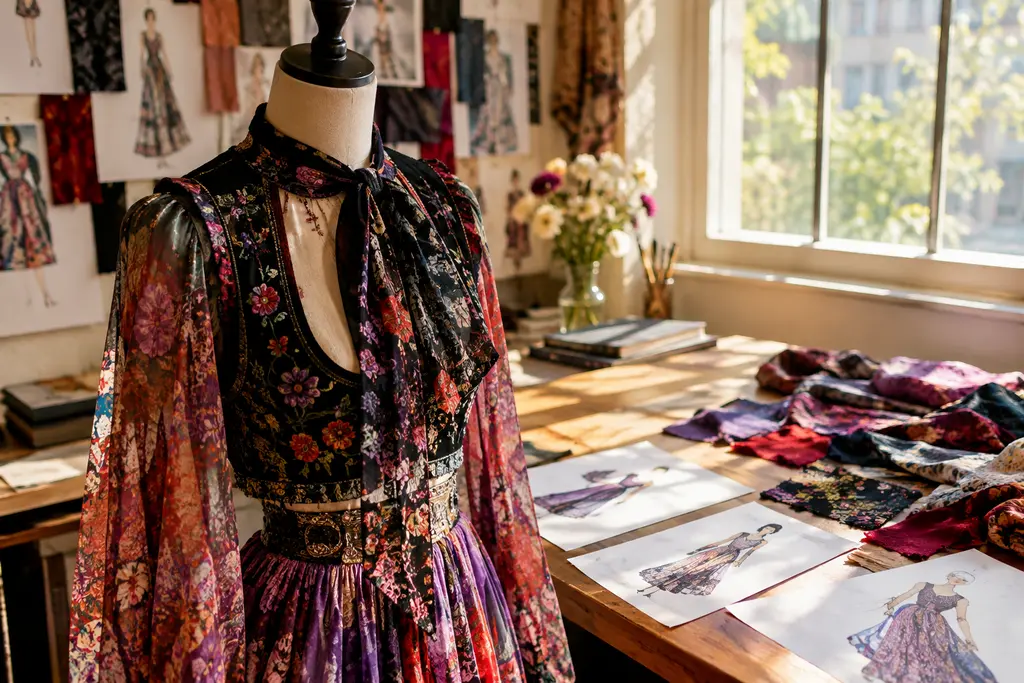
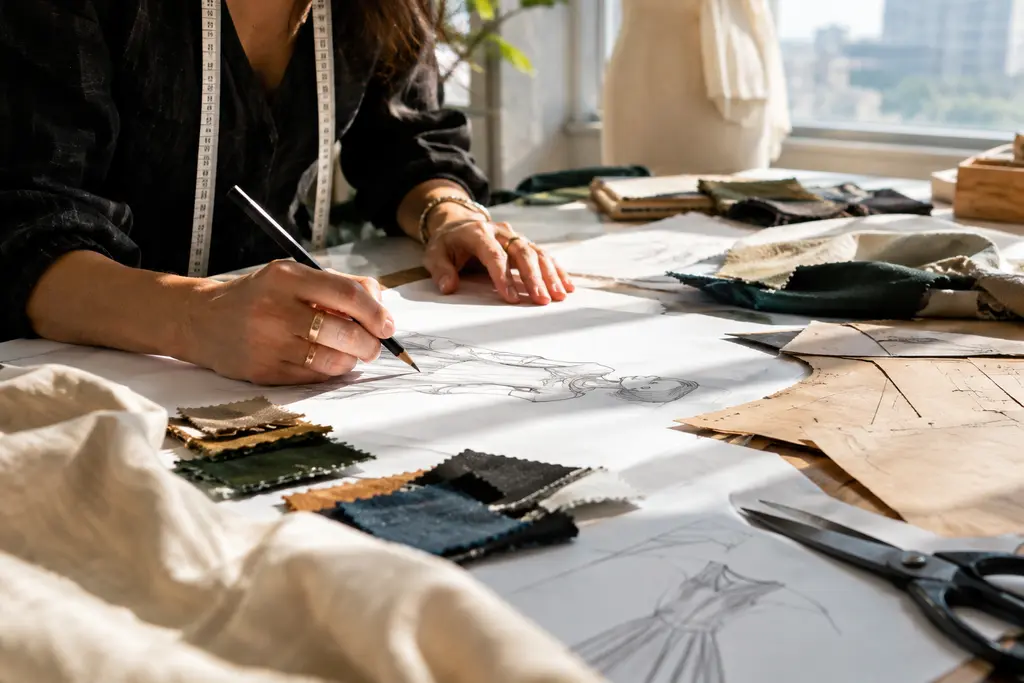
For Costume Design Trends, this pairing model encourages a slower design process. Instead of borrowing a painting’s color or a sculpture’s pose as surface decoration, a costume designer can study how the body is framed, compressed, extended, or concealed. This is useful for fairytale costume design because storybook clothing often fails when it copies a visual source too directly. A respectful approach looks at structure first: sleeve volume, hem movement, waist emphasis, and how an object changes the wearer’s posture. That protects the artistic integrity of original works while still allowing designers to learn from art history.
Bodies As Design Evidence
The strongest design lesson from Costume Art may be its attention to bodies that fashion history has often pushed to the margins. Research notes identify sections addressing aging, pregnant, corpulent, and disabled bodies, with mannequins modeled after named individuals and varied forms rather than only idealized classical figures. This is not just a moral statement; it changes design logic. If the body is treated as varied from the start, costume design must account for balance, entry points, support, visibility, and comfort before ornament is added.
Body Diversity Moves From Fit Issue To Form
In practical terms, that shift can change how dress-up play is made at home, in classrooms, and for community performance. A cape with a wide neckline, a skirt with adjustable panels, or a crown attached to a soft headband can be more inclusive than a single rigid silhouette. The exhibition’s emphasis on adaptive fashion, plus-size display, and disabled bodies supports a wider design question: who is allowed to appear magical, regal, strange, comic, solemn, or heroic? For fairytale fashion, that question is especially valuable because fantasy costume often defaults to narrow body ideals unless the maker resists that habit early.
Internal Anatomy Becomes Surface Language
Another trend described in the research is the use of garments that reference skeletons, vessels, veins, and other inner bodily structures. The point is not gore for its own sake. In a museum context, these designs make interior form visible and suggest that costume can represent what the body feels like as much as how it looks. For DIY dress-up, this can be translated through abstract rib-like quilting, branching trims, or layered translucent fabric. The safer creative path is abstraction: study anatomy as structure and rhythm, not as a direct copy of a living artist’s recognizable design language.
Structure, Drapery, And Narrative Clothing
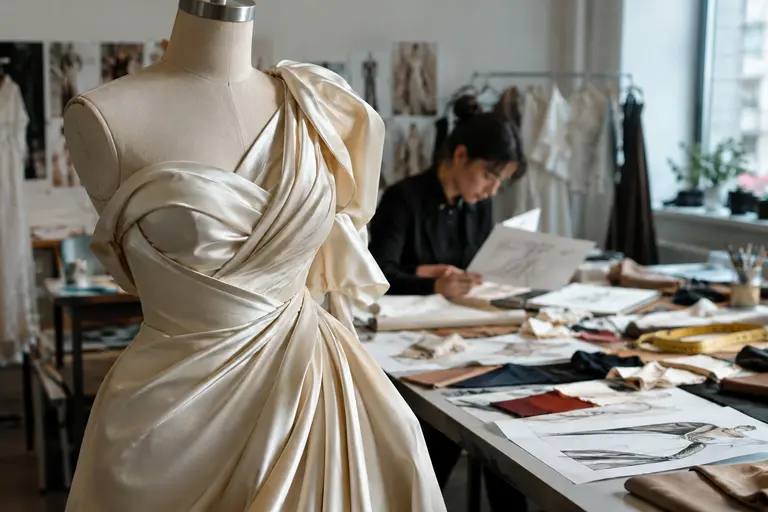
The exhibition also points back to older shaping systems: corsets, bustles, and foundation garments appear as tools that mold or stylize the body. This does not mean every costume needs tight lacing or historical reenactment accuracy. It means support systems are being reconsidered as visible design. A padded hip, a raised shoulder, a stiffened collar, or a framed skirt can make a character readable from a distance. In stage, cosplay, and fairytale dress-up, that clarity can matter as much as surface decoration.
Corsetry And Classical Draping
Research notes also describe contemporary garments that evoke ancient Greek and Roman drapery, including toga-like forms placed near classical sculpture. This classical reference works because drape is both simple and demanding. A plain length of fabric can collapse without careful anchoring, but it can also create authority, softness, and ceremonial weight. For costume makers, the lesson is to test fabric behavior before cutting. Muslin, bedsheets, and reclaimed curtains can teach gravity, fold direction, and shoulder balance before a final material is chosen.
Statements, Mourning Codes, And Personal Signs
The show’s research notes include garments with explicit text and historically loaded symbols, including references to mourning jewelry styles. This points to costume as personal statement, not only period reference. A phrase, button, ribbon, or charm can carry narrative weight, but it also carries responsibility. Makers should be cautious with symbols tied to grief, religion, disability, national identity, or living communities. In costume culture, meaning is never just decoration. It is part of the wearer’s relationship with the audience.
Costume Art Exhibition Costume Design Trends
Costume Design Trends should be treated here as museum-supported design cues, not market certainty. The clearest cues are body diversity, sculptural support, art-object comparison, anatomical reference, classical drape, and narrative symbolism. For readers building dress-up looks rather than runway pieces, a practical bridge appears in our notes on DIY dress-up ideas from wearable art, where reclaimed materials and fantasy styling are handled with care. The related site in our network, Shimply, offers additional resources for readers exploring craft and clothing options. The most useful lesson from the Met exhibition is restraint: borrow methods of proportion, support, and display, but avoid copying a specific artwork, designer signature, protected character, or living artist’s style as if it were open material. That is where fairytale costume design can grow with imagination and respect at the same time.