

Fashion logic usually dictates building an outfit around a statement coat or a perfect pair of trousers. Autumn demands a complete reversal of this process. The physical realities of dropping temperatures, unpredictable precipitation, and slick sidewalks force the focus downward. Building a look from the ground up guarantees physical stability and dictates the exact proportions of the clothing layered above. A heavy lug sole requires different hemline considerations than a sharp stiletto heel. Recognizing that fall outfits start with a great pair of boots allows you to construct a wardrobe based on structural logic rather than random seasonal trends.
Material Integrity And Weather Resistance
The raw material of your footwear determines its lifespan and aesthetic value. Standard fast-fashion retailers push synthetic polyurethanes, which crack fast under cold conditions and trap moisture against the skin. High-quality animal hides operate differently. Full-grain calfskin possesses a dense fiber structure that repels light water naturally and molds to the exact biological shape of the wearer’s foot. This break-in period requires patience. The resulting fit provides unparalleled comfort for long periods of walking.
Suede presents a different set of physical variables. The napped texture of brushed leather absorbs light, creating a rich, matte finish that pairs perfectly with the heavy woolen textiles typical of autumn. Suede demands strict maintenance. Untreated brushed leather absorbs water instantly, leading to permanent staining and structural degradation. Applying a silicone-based protective spray creates a microscopic barrier against moisture, allowing you to wear suede in damp conditions without ruining the investment. The choice between smooth calfskin and textured suede acts as the first major decision in establishing your seasonal uniform.

Proportion Control Through Shaft Height
The height of the boot shaft completely alters the visual geometry of the leg. Ankle boots, long considered the default autumn footwear, often create an aggressive horizontal line directly across the thinnest part of the leg. This cut requires precise hemline management. Pairing an ankle boot with a midi skirt often results in an awkward gap of exposed skin, breaking the continuous vertical line of the outfit. Cropped denim or sharp trousers that end exactly one inch above the top of the boot shaft provide the cleanest visual transition.
Knee-high boots eliminate this problem entirely. A stiff, structured riding boot extending to the base of the kneecap creates a smooth, unbroken column. This architecture allows you to wear sheer tights or bare legs under mid-length skirts without breaking the visual flow. The rigid leather hides the calf muscle entirely, standardizing the shape of the lower leg. Over-the-knee boots push this concept further, acting almost like leather trousers. The extreme shaft height provides physical warmth and allows for the integration of shorter hemlines deep into the colder months. Matching the exact boot height to your dominant trouser and skirt lengths determines the overall success of the wardrobe.
The Geometry Of The Sole And Heel
The base of the boot dictates the physical posture of the wearer and the attitude of the outfit. A thick, rubber lug sole projects industrial utility. This heavy foundation requires substantial clothing to balance the visual weight. Pairing a massive combat boot with a fragile silk slip dress creates a calculated friction, contrasting heavy armor with delicate draping. The thick rubber provides intense shock absorption and isolates the foot from freezing pavement.
A thin leather sole paired with a stiletto or kitten heel forces a completely different physical response. The lack of platform brings the foot closer to the ground, requiring careful footwork on uneven streets. The sharp heel forces the calf to flex constantly, altering the wearer’s walking rhythm. These delicate structures support highly structured, formal garments. A sharp pointed toe extends the line of the leg straight into the floor, providing maximum elongation. The decision between a flat, heavy combat sole and a sharp, elevated heel determines whether the final outfit leans in the direction of urban utility or strict formal elegance.
| Boot Silhouette | Optimal Hemline Pairing | Visual Effect |
| Ankle Boot | Cropped trousers, floor-length wide-leg jeans | Exposes the ankle bone, breaks vertical lines layered with midi skirts |
| Knee-High Boot | Midi skirts, culottes, tucked-in slim denim | Creates a continuous, unbroken column, standardizes lower leg shape |
| Over-The-Knee | Mini skirts, oversized sweater dresses | Acts as a secondary trouser layer, maximizes leg elongation |
| Lug Sole Combat | Slip dresses, heavy cargo pants | Adds industrial weight, grounds delicate fabrics through heavy contrast |
The Enduring Relevance Of The Chelsea Boot
The Chelsea boot represents the most efficient footwear design in modern history. Originally commissioned by Queen Victoria for horseback riding, the laceless design relies entirely on elastic side gussets for entry and exit. This mechanical simplicity removes the visual clutter of laces, buckles, and heavy zippers. The resulting silhouette is incredibly sleek, allowing the boot to transition seamlessly from a corporate office to a casual weekend setting.
A classic Chelsea boot features a narrow, almond-shaped toe and a slight heel. This geometry pairs perfectly with precise suiting. When the hem of a slim-cut trouser falls directly over the elastic gusset, the shoe mimics the appearance of a formal oxford. Designers manipulate this basic template to achieve different attitudes. Expanding the elastic panel and applying a thick, tracked rubber sole turns the aristocratic riding shoe into aggressive streetwear. The Chelsea boot solves the daily problem of speed and utility, offering immediate slip-on access without sacrificing structural integrity.
Equestrian Influences In Daily Wear
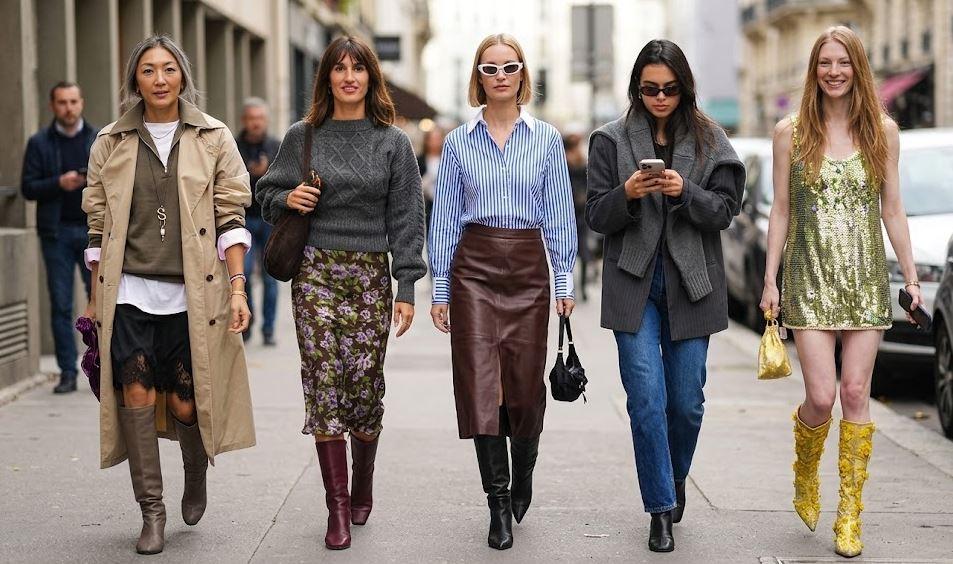
The classic riding boot continues to dominate autumn fashion through its strict, unyielding lines. Traditional equestrian boots feature an asymmetrical top line, cut higher on the outside of the knee to protect the rider’s leg from saddle friction, and lower on the inside to allow joint flexibility. This specific geometric cut translates beautifully to urban environments, creating a flattering optical illusion that elongates the outer profile of the leg.
Riding boots typically utilize heavy, stiffened calfskin that refuses to slouch around the ankle. This rigidity acts as a physical boundary against the elements. The flat, stacked leather heel provides absolute stability on slick pavement. Integrating this specific boot into a daily wardrobe requires respecting its utilitarian origins. It pairs flawlessly with heavy denim tucked directly into the shaft, topped with an oversized cashmere knit or a waxed cotton field jacket. The riding boot communicates quiet, old-money practicality, rejecting loud logos in favor of impeccable fit and heavy-duty materials.
Integrating Heavy Footwear With Seasonal Textiles
A successful autumn look relies on mastering textile weights. A stiff leather boot provides a rigid anchor for softer, yielding materials above it. Heavy cashmere sweaters, brushed wool coats, and thick tweed blazers require the visual density of leather to stop the outfit from looking top-heavy. Wearing a massive double-breasted wool overcoat with a flimsy ballet flat makes the coat appear to crush the wearer. A structured leather boot pushes back against the weight of the outerwear.
Color sequencing plays a massive role in this integration. Monochromatic dressing remains the most effective strategy for elongation. Pairing black leather knee-high boots with opaque black tights and a dark wool skirt creates a continuous shadow from the waist to the floor. Introducing stark color contrasts at the ankle instantly shortens the frame. For those building a highly modular closet, sticking to strict neutral tones—deep oxblood, bitter chocolate, and pitch black—guarantees maximum versatility. You can review advanced fall styling formulas to see exactly how color blocking and textile layering interact with heavy leather accessories.
The Economics Of Footwear Investments
Treating boots as disposable seasonal items results in massive financial waste and physical discomfort. Cheaply manufactured shoes lack internal steel shanks, offering zero arch support and causing fast joint fatigue. High-end footwear utilizes Goodyear welt construction or Blake stitching, physically sewing the upper leather to the sole rather than relying on chemical adhesives.
This mechanical connection means a professional cobbler can entirely replace the sole once it wears down, extending the life of the boot for decades. A premium pair of leather boots requires a high initial output of capital. The cost-per-wear drops significantly over a ten-year lifespan. Studying the exact construction methods of premium footwear craftsmanship confirms that traditional shoe-making techniques offer superior weather protection and biological support.
Maintaining this investment requires discipline. Cedar shoe trees absorb interior moisture and force the leather to hold its original shape, preventing deep creases from forming across the toe box. Regular conditioning with natural oils prevents the hide from drying out and cracking over the winter. The effort dedicated to maintaining the leather directly translates to the sharpness of your daily presentation.
The Final Architecture
Dressing for the colder months requires strategic planning. The elements do not forgive poor material choices or flimsy construction. By acknowledging that the best fall outfits start with a great pair of boots, you shift your wardrobe strategy from decorative to structural. The boots provide the foundation, dictating the hemlines, balancing the weight of heavy outerwear, and establishing your physical posture. A perfectly constructed leather boot removes the uncertainty from morning dressing, providing a rigid, dependable base for every piece of clothing layered above it.