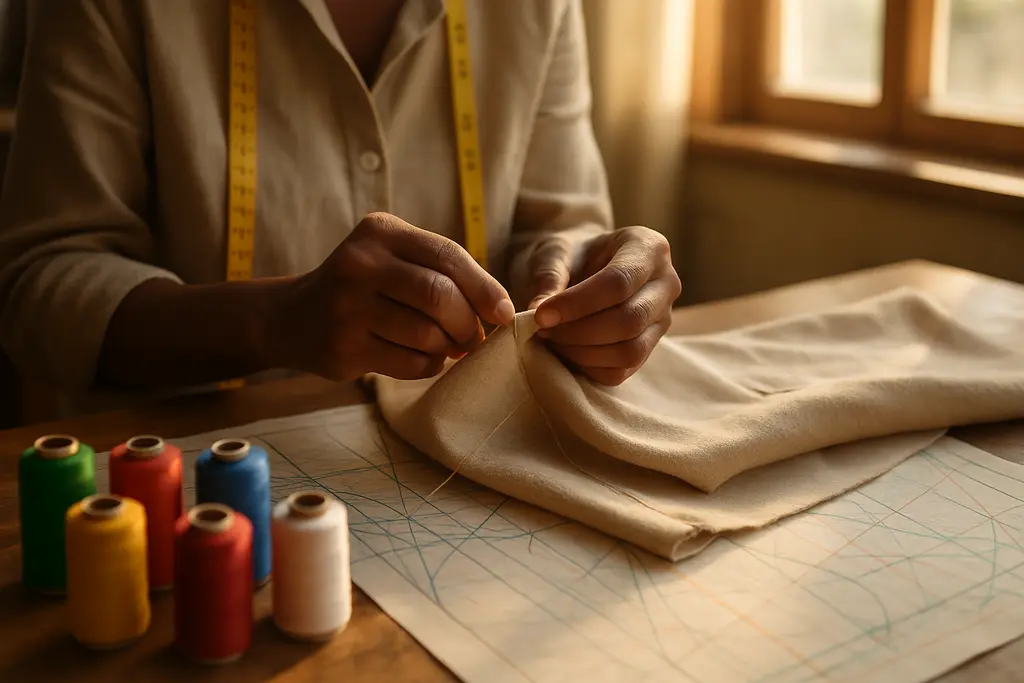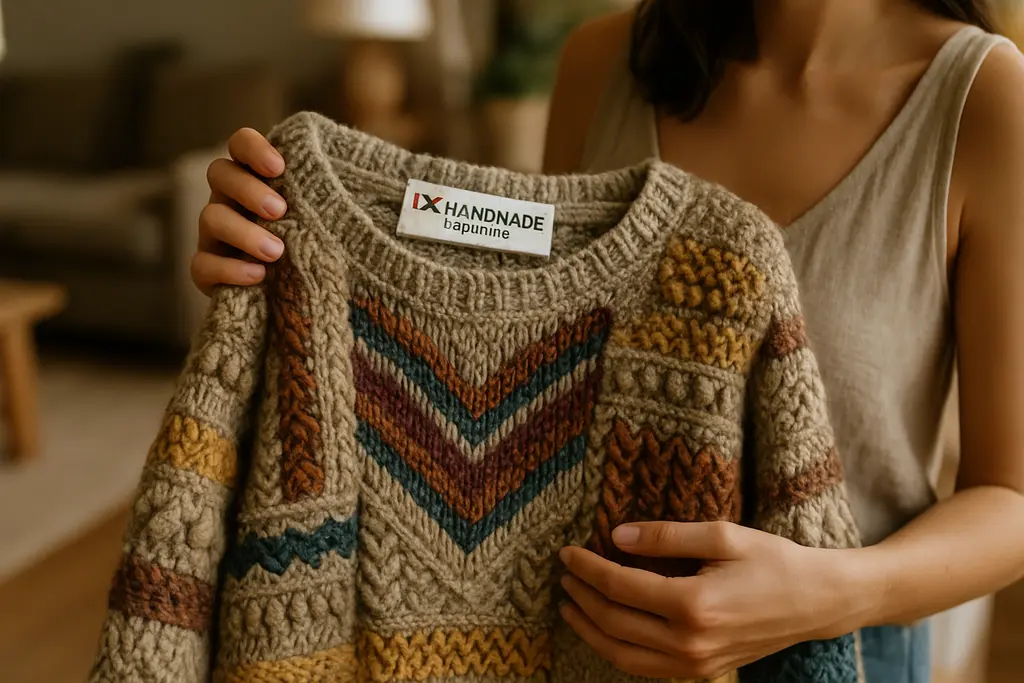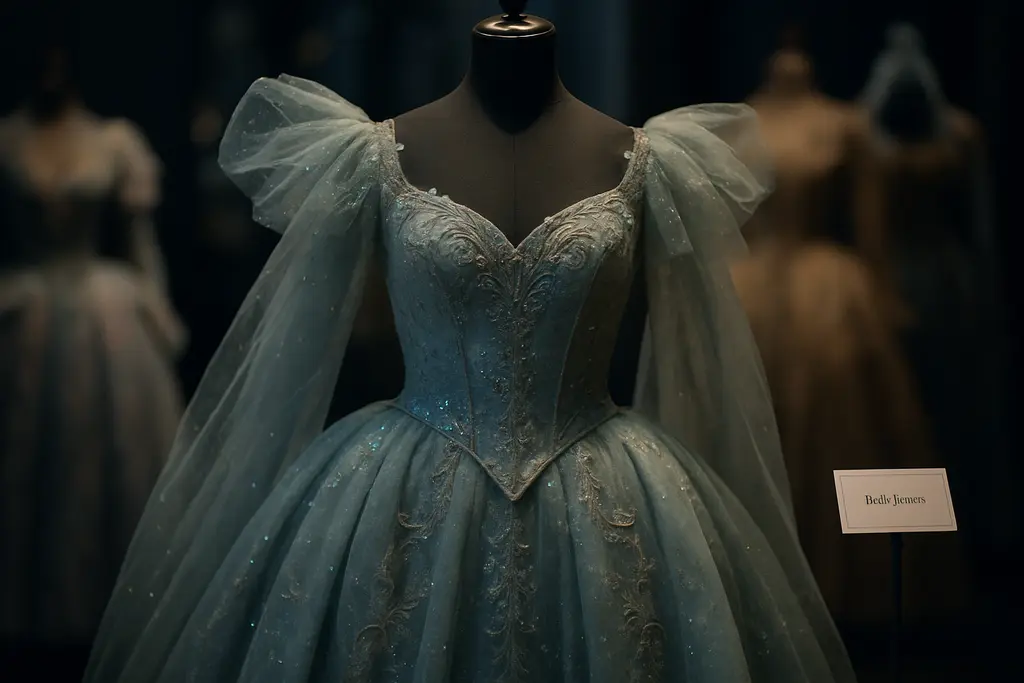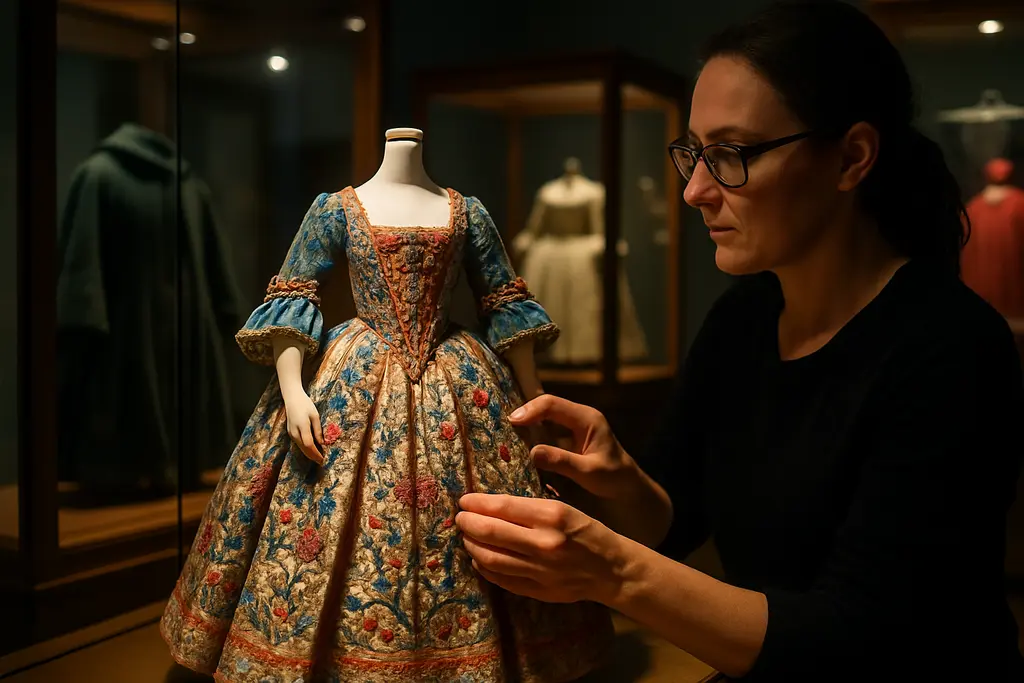

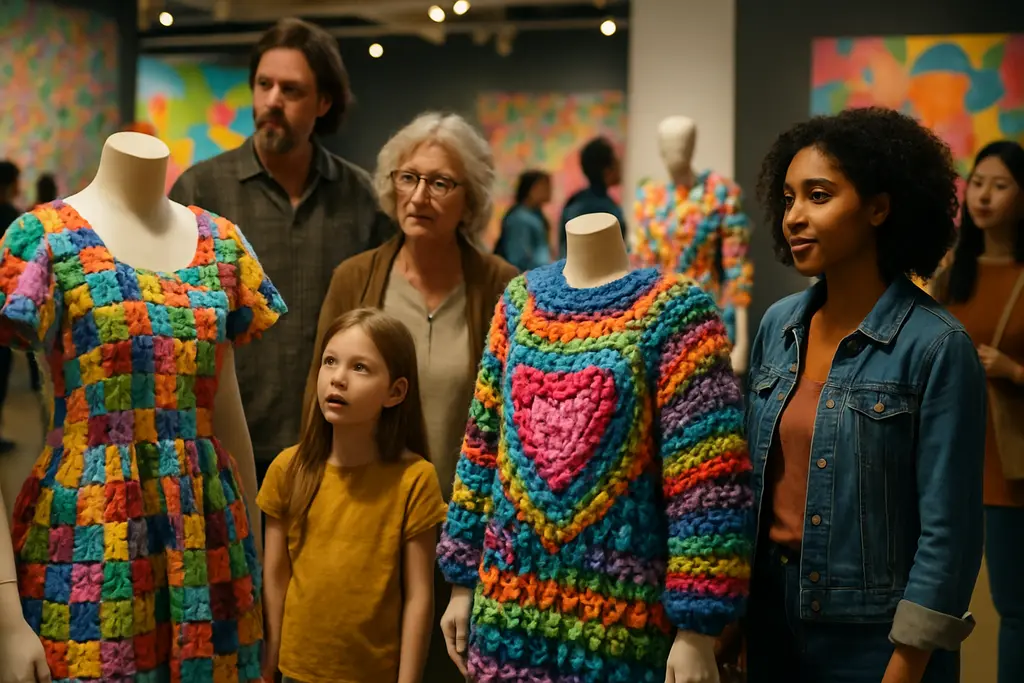
DIY Dress-Up Ideas can borrow from New York’s wearable-art conversation without flattening artists’ work into costume templates. The useful lesson is not to copy a specific sculptural jewel, gallery garment, or fantasy object. It is to study the visible strategies: scale, shine, material contrast, symbolic dressing, and the staged relationship between body and object. That distinction matters for home makers, sellers, and costume groups because wearable art often carries an artist’s personal language, while DIY dress-up works best when it converts influence into original construction choices.
What The New York Exhibitions Actually Support
Wearable Art After The 2025 Brooklyn Launch
The New York reference point in the research is the Wearable Art Museum launch during New York City Jewelry Week, held November 19–23, 2025 in Brooklyn. The event showcased artists from Estonia, the UK, the USA, Spain, Latvia, China, and other locations, with work positioned around visionary jewelry and wearable sculpture. Since that launch had already taken place before October 13, 2026, it should be read retrospectively: less as a calendar prompt and more as evidence that body-scaled sculpture, experimental adornment, and fantasy-inflected object making had a visible New York platform.
That framing is useful for costume craft because jewelry-scale thinking can make a handmade outfit feel intentional. A collar, ear cuff, chest plate, or mask does not need to imitate a museum object. It can echo the broader wearable-art principle that a small object changes posture, gesture, and character. For readers interested in a related resource on art and fashion within the same network, Kay Granger’s site is a valuable point of reference.
The Met’s Costume Art Context
The Costume Institute’s Costume Art exhibition at The Met Fifth Avenue is a stronger institutional anchor for thinking about fashion as art. The museum states that the exhibition is on view through January 10, 2027, in nearly 12,000 square feet of galleries, and examines garments from prehistoric to contemporary periods in relation to art and the dressed body The Met’s exhibition page. For DIY makers, the relevant point is symbolic reading: a costume is not just a silhouette. It can carry mood, status, creature identity, ritual reference, or fairy-tale tension through material and proportion.
The caution is equally clear. Museum context does not license casual reproduction of identifiable works. A safer and more artistically respectful approach is to identify a general device: a raised shoulder line, translucent layering, ornament clustered near the face, or a floor-skimming robe. Then rebuild that device with new references, new colors, and a personal story rather than duplicating a displayed piece.
DIY Dress-Up Ideas And Wearable-Art Evidence
Why DIY Dress-Up Ideas Fit The Moment
One reason DIY Dress-Up Ideas feel especially active in 2026 is the return of high-shine embellishment. The New York Times reported on Gen Z interest in rhinestones, gems, sparkles, and “whimsymaxxing,” while also noting Pantone’s introduction of 224 new bright colors in a broader swing toward maximal color and playful dressing The New York Times report. That evidence supports a costume language built around gleam, not as random sparkle, but as a controlled surface treatment.
For DIY Dress-Up Ideas, that means rhinestones work best when they have a job. A crescent of stones around the brow can suggest a moon creature. Scattered gems across cuffs can make hand movement read as magical. A dense jeweled panel on a thrifted vest can become armor if the rest of the outfit stays matte. The mistake is covering every available surface until the eye has no route through the look.
Materials That Carry Fantasy Without Copying Artworks
Research on 2026 fantasy craft points toward hand-dyed fabrics, sculpted garment elements, crochet textures, chainmaille-style ring work, skull masks, fantasy ears, leather pieces, and custom woven metals. These techniques are not equal in cost or difficulty, so a practical costume plan should use one demanding element and several simpler supports. A translucent shoulder piece made from lightweight acetate, mesh, or layered organza can supply the fantasy-art signal without requiring specialist resin casting. A crocheted hood can carry creature texture while keeping the base garment wearable.
Reclaimed materials also fit the wearable-art thread. The Wearable Art: Head to Toe exhibition in Olive, New York, which ran March 14–May 2, 2026, featured worn pieces such as headpieces, shoes, and whole garments made from reclaimed materials, and included visitor workshops. That past exhibition supports a useful principle: found materials should not look like filler. They need placement, repetition, and a clear role in the character. Bottle caps can become scale texture; scrap lace can become spectral veiling; cardboard can become a pattern mockup before fabric is cut.
Fantasy Construction Notes For Home Makers
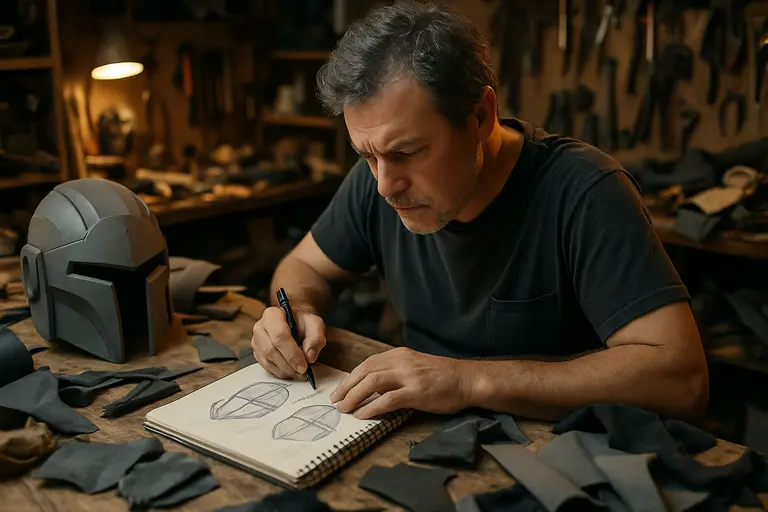
Oversized Robes And Shoulder Armor
Oversized silhouettes remain one of the most adaptable routes into fantasy dress-up because they create stage presence without complex body fitting. The research identifies oversize clothing as a continuing 2025–2026 fashion direction, which makes large robes, capes, and wide tunics a credible bridge between everyday styling and costume. The best home version starts with a simple base: a rectangular cape, thrifted coat, or loose robe. Add one structural detail, such as raised shoulders, a stiffened collar, or a back panel that trails behind the body.
For shoulder armor, avoid heavy materials unless the wearer can move safely. Foam sheets, buckram, layered felt, thermoplastic scraps, or stiff interfacing can create volume with less strain. Translucent overlays can reference fantasy sculpture without producing a hard replica of any exhibited artwork. If using gems, keep them away from stress points where fabric bends. If using chainmaille-style rings, test the weight before committing to a full sleeve; a small yoke or belt panel often gives the same visual signal with less fatigue.
Jewel Work, Masks, And Respectful Folklore Cues
Jewel work is strongest near focal points: face, hands, shoulders, and hem. A jeweled mask edge, a pair of embellished gloves, or a collar with clustered stones will read more clearly than scattered decoration across an entire outfit. Adhesive choice matters for durability, but the aesthetic decision matters first. Use size shifts, dull-to-bright contrast, and negative space so sparkle behaves like drawing, not noise.
Fantasy ears, masks, and skull references need care because folklore forms often come from living cultural practices, religious imagery, or regional storytelling. A respectful costume can use broad mood cues—forest watcher, shadow figure, moon animal, winter herald—without claiming to reproduce a specific tradition. The Morbid Anatomy and ARAS Art of Fairy Tales Weekend, held September 25–27, 2026 in New York, included a costume fête, fairy-tale imagery, and discussions around character and shadow figures. Since that event has passed, the useful takeaway is its emphasis on interpretation: dress can stage a symbolic role without needing a direct character copy.
For more seasonally focused craft thinking, the site’s discussion of fairytale DIY outfits pairs well with these wearable-art methods, especially for makers testing bows, volume, pearls, color, and texture in less sculptural looks.
DIY Dress-Up Ideas For Wearable Art Costumes
A Cautious Build Plan
A strong home build begins with a one-sentence character brief: “a moth court messenger,” “a jeweled bog oracle,” or “a frost archivist.” Then assign each material a function. Fabric sets the body shape. Ornament marks rank or magic. The headpiece changes the silhouette. Shoes and gloves keep the image consistent from head to toe. This method prevents the common problem of buying many attractive supplies that never form a readable costume.
Three projects are especially workable. First, a jeweled collar over a plain robe: cut a felt or faux-leather crescent, attach mixed rhinestones in controlled clusters, and tie it with ribbon or hidden snaps. Second, an oversized story cloak: dye or paint fabric in uneven bands, add scrap lace at the hem, and build a raised collar from interfacing. Third, a shadow mask with soft ears: use a half-mask base, cover it in matte fabric, add detachable ears, then place only a few stones near the brow or cheekbones.
The strongest DIY Dress-Up Ideas treat fantasy trends as evidence, not orders. New York wearable-art presentations, museum costume scholarship, and the 2026 shine-and-color revival all point toward one conclusion that is practical rather than exaggerated: a costume feels current when it has sculptural intent, controlled ornament, and a point of view. Copying a displayed artwork weakens that intent. Building an original garment from shared principles preserves the artist’s space while giving the maker a costume that can stand on its own.