
The phrase wearable art fantasy needs careful handling in relation to View Arts Center’s Wearable Art exhibition. The official exhibition description does not present the show as a fantasy-costume event. It frames the juried presentation around original, handmade, and unconventional garments and accessories that combine art, design, and innovation beyond ordinary fashion norms. As of October 20, 2026, the exhibition had already opened on October 2, 2026, and was scheduled to remain on view through November 28, 2026, according to View Arts Center. That timing matters: the public reception and awards event took place on October 2 from 4–6 p.m., so any analysis now is retrospective about the opening and current about the exhibition period.
Wearable Art Fantasy And The Exhibition Frame
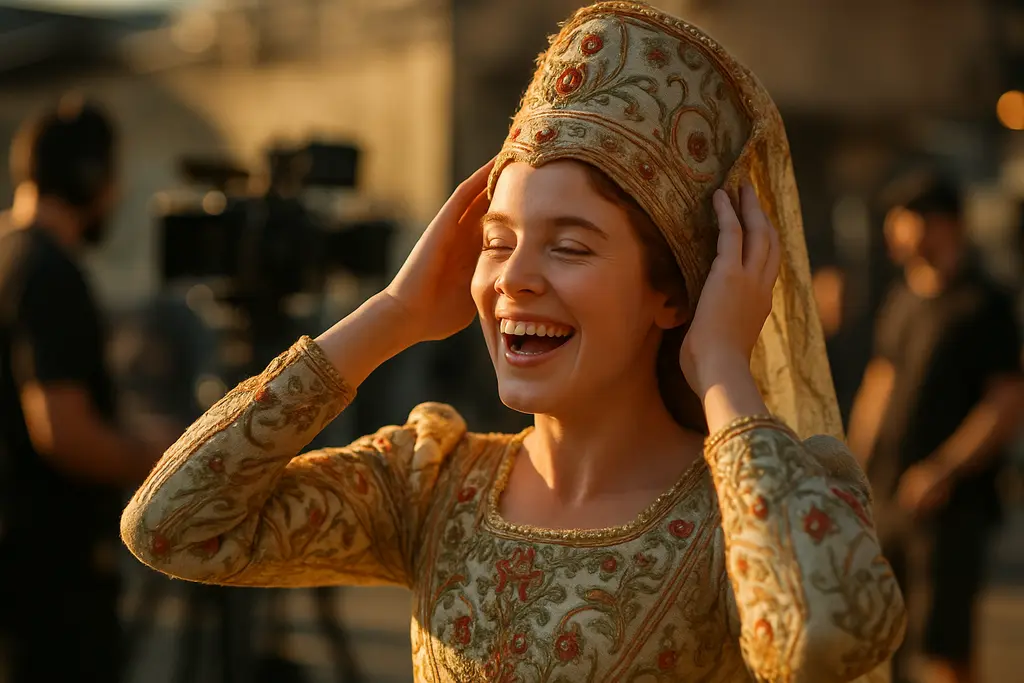
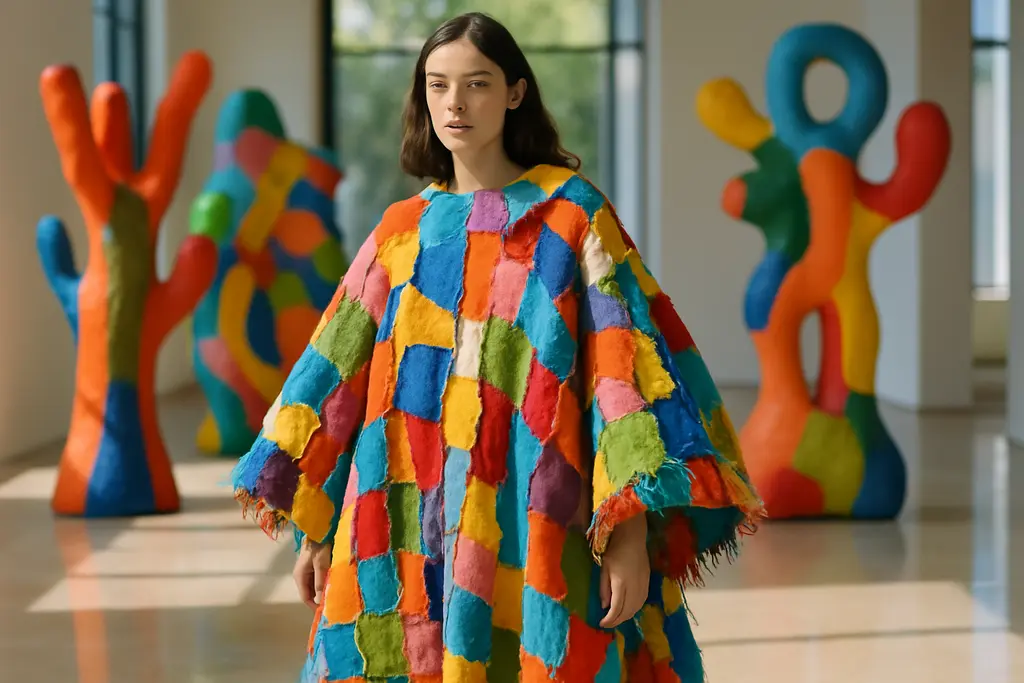
Wearable art sits between clothing, sculpture, craft, and performance. In this show, the category is grounded in handmade work rather than mass fashion. The exhibition’s emphasis on unconventional garments and accessories gives viewers permission to read clothing as a visual argument: a sleeve can act like a sculptural extension, a collar can frame the face as a character device, and an accessory can shift the wearer from ordinary social space into staged identity.
Wearable Art Fantasy In Handmade Form
The wearable art fantasy reading becomes most useful when it stays tied to material evidence. Fantasy in dress does not require copying a known character, a film costume, or a copyrighted image. It can emerge through scale, silhouette, texture, color contrast, or the use of unexpected materials. A garment might suggest armor through stiffness, a woodland mood through fiber texture, or ceremonial dress through repetition and symmetry. Those are interpretive effects, not proof of the artist’s intention unless the artist or venue states them.
That distinction protects the integrity of the works on display. A critic, maker, or dress-up enthusiast can respond to a garment’s fairytale feeling without flattening it into a costume label. Wearable art deserves to be treated as authored artwork first. Fantasy becomes one possible lens, not a claim that the exhibition belongs to cosplay or stage wardrobe alone.
Why The Juried Format Matters
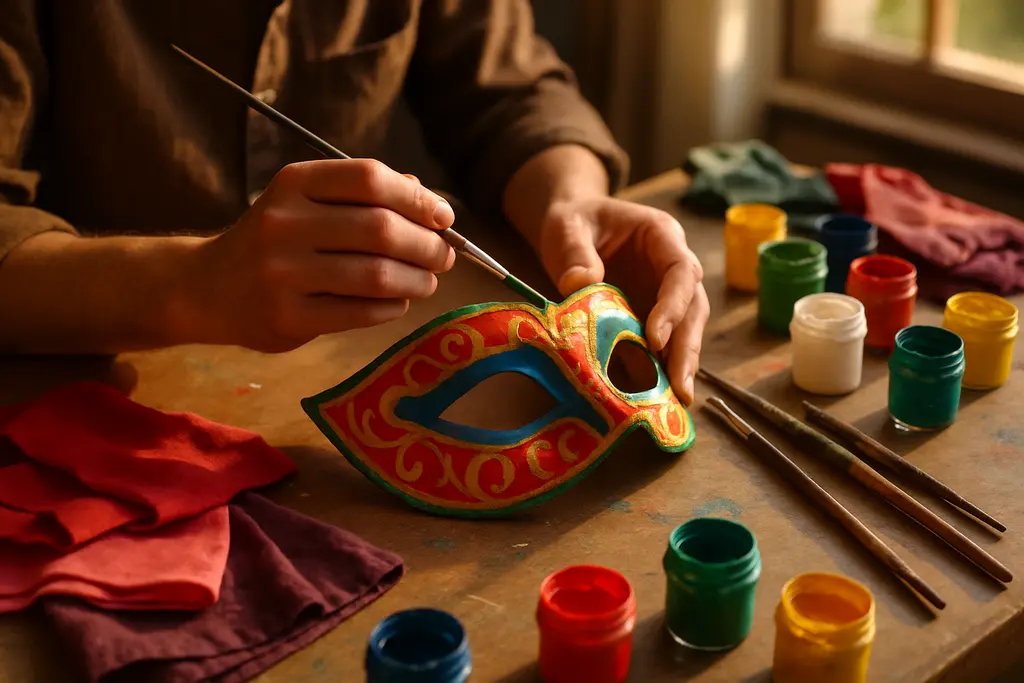
The juried format also shapes how the show should be read. A juried exhibition implies selection within a defined call, which gives the presentation more structure than a casual fashion showcase. View Arts Center’s stated focus on original, handmade, and unconventional pieces places value on authorship and experimentation. For DIY dress-up makers, that is useful, but it should not become a license to reproduce specific works. The better lesson is method: choose a material problem, build a silhouette around it, and let the object’s construction create the mood.
Textile Traditions Inside Art Clothing
The exhibition is part of the larger 2026 Quilts Unlimited gallery program, placing wearable art near quilt art practices and broader textile traditions. That placement matters because quilting, garment construction, and accessory-making share a language of cutting, joining, layering, edging, and surface rhythm. A quilted panel can behave differently on a wall than on a body, yet both uses ask viewers to consider labor, touch, pattern, and time.
Quilting As Structure, Not Decoration
In fantasy costume design, quilting is often treated as ornament. The View Arts Center context suggests a stronger reading: quilting can supply structure. Layered cloth can stiffen a bodice, widen a shoulder, weight a hem, or create protective associations without requiring metal or plastic. For a maker, that means the fairytale effect can come from construction rather than from obvious symbols such as crowns, wings, or wands.
This is where wearable art connects to dress-up play in a grounded way. The body is not just wearing an image; it is negotiating weight, texture, temperature, and movement. A dramatic garment may ask the wearer to move slowly. A broad accessory may change posture. These physical effects are part of the artwork’s meaning and part of why handmade clothing can feel more theatrical than ordinary apparel.
Material Choices And Identity Signals
The research notes describe wearable art broadly as handmade, limited in number, and often connected to traditional textile techniques such as knitting or quilting, while also allowing for nontraditional materials such as plastics or metals. Because only the View Arts Center page is cited here for this specific exhibition, any claims about individual works should remain cautious unless supported by the venue or artists. Still, the category itself invites questions about identity: what does a garment say when it refuses easy wearability, commercial sizing, or familiar trend cycles?
For fairytale fashion analysis, that refusal is productive. A handmade accessory can suggest a creature, guardian, monarch, trickster, or forest figure without naming one. That kind of ambiguity is often stronger than direct imitation. It leaves space for the viewer’s imagination while keeping the maker’s authorship visible.
Market Signals Around Wearable Art
Trend language can become slippery, so it is better to separate verified exhibition facts from broader market commentary. A fashion-trend source reported that searches for “wearable art fashion” rose 312% between 2022 and 2025 and that “abstract art hoodie” grew 89% year over year in 2024, with strong engagement among people aged 22–34, according to MOEBEER. Those figures should be read as reported search-interest signals, not as proof that every wearable-art exhibition has the same audience or sales pattern.
Collector Logic And Artist Authorship
The same trend discussion frames wearable art as increasingly tied to provenance, limited runs, and artist authorship. That is relevant to View Arts Center because the exhibition is not just a display but also includes a sales structure: works sold through the exhibition carry a 65% artist and 35% View Arts Center commission split. The administrative details matter for creator-commerce analysis because they show how art clothing can circulate through gallery systems rather than only through retail racks.
For independent makers, the lesson is not to mimic gallery language for every handmade cloak, hood, or sculptural hat. The lesson is to document authorship clearly. Titles, material notes, process records, edition information where relevant, and respectful display photography can help a work be read as art clothing rather than as a generic costume product. Readers comparing adjacent arts and culture coverage across the same network may also find related context at the site Next Clues, which is part of a similar network.
Rights, References, And Responsible Fantasy
A responsible wearable art fantasy approach avoids direct copying of living artists, branded characters, celebrity likenesses, or recognizable costume designs unless the maker has proper permission. This is not legal advice, but it is a practical creative boundary. Original motifs, historical textile study, abstract shapes, invented symbols, and personal storytelling offer safer and more artistically persuasive routes. In fairytale dress-up, the goal should be atmosphere and character logic, not a disguised duplicate of someone else’s work.
For readers interested in the developmental side of costume play, the related discussion of dress-up play benefits pairs well with this exhibition context because it treats dress as social, emotional, and imaginative practice rather than as surface styling alone.
DIY Dress-Up Lessons From The Exhibition
View Arts Center’s show offers several cautious lessons for makers who enjoy fantasy styling at home. The first is to start with a construction idea, not a finished character. A shoulder shape, quilted panel, oversized cuff, or unusual fastening system can lead the design. The second is to treat materials honestly. If cardboard, felt, plastic, metal mesh, or repurposed cloth is used, the work becomes stronger when those materials are integrated rather than hidden.
- Build from silhouette: choose one exaggerated shape, such as a high collar or wide sleeve, and keep the rest restrained.
- Use textile memory: quilting, knitting, layering, or visible joining can suggest age, protection, or ceremony.
- Limit direct references: avoid copying identifiable costumes; use mood, proportion, and texture instead.
- Record process: sketches and material notes help clarify authorship if a piece is shown, sold, or photographed.
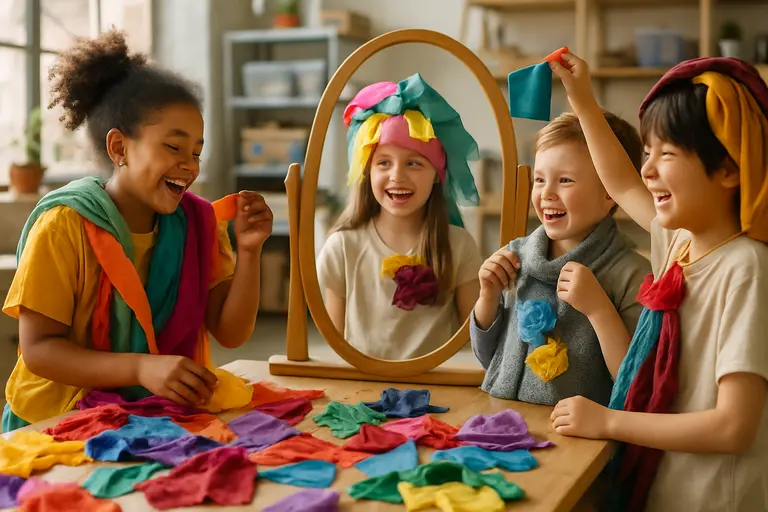
These lessons also support children’s dress-up and adult costume play. A handmade cape made from layered remnants can teach proportion and movement. A sculptural paper collar can show how a flat material becomes a body object. A soft crown shape can suggest ritual without invoking a specific princess image. The fantasy effect grows from making choices visible.
Wearable Art Fantasy At View Arts Center
The most persuasive reading of wearable art fantasy at View Arts Center is measured rather than promotional. The exhibition, running from October 2 through November 28, 2026, presents handmade and unconventional garments and accessories within an art-center context and a quilt-related gallery program. It does not need to be recast as a costume fair to matter for fantasy fashion. Its value lies in showing how clothing can carry sculpture, craft, identity, and imagination on the body.
After the exhibition closes, the published schedule lists local pickup for November 30–31, 2026, from 10 a.m. to 4 p.m., and return shipping from December 2 through December 3, 2026. Because that pickup listing uses an unusual date range, artists handling work should confirm the venue’s instructions directly. For viewers and makers, the stronger takeaway is conceptual: wearable art can make fantasy feel authored, material, and respectful. It asks us to look at clothing not as disguise alone, but as a designed object that can hold character, labor, and artistic intent at once.