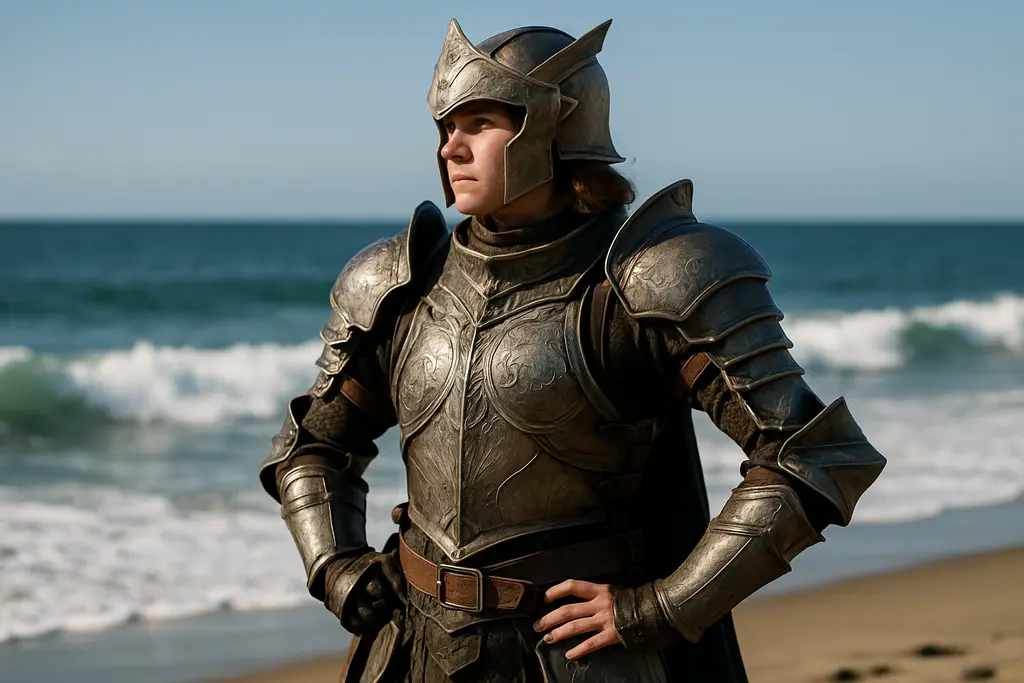

Masquerade Art Patterns begin best as studies in structure, not as attempts to copy another artist’s finished garment. ACCI Gallery in Berkeley, California presented Masquerade: Art to Wear from October 3 to November 8, 2026, with wearable art by 35 artists, and its programming included a Mask-Making Workshop with curator Mirto Golino on October 10, 2026, plus a scheduled Demo Days: Masquerade Edition on October 24, 2026, featuring demonstrations by Alexa Galarze, Spring Kraeger, Onna Schwindt, and Robin Lewis ACCI Gallery details. As of October 22, 2026, the exhibition was still on view, but one workshop had already taken place. For makers, that timing matters: the show can be treated as a prompt for careful experimentation, while the finished works remain the artists’ own.
Masquerade Art Patterns As Design Evidence
Masquerade Art Patterns And The Mask Problem
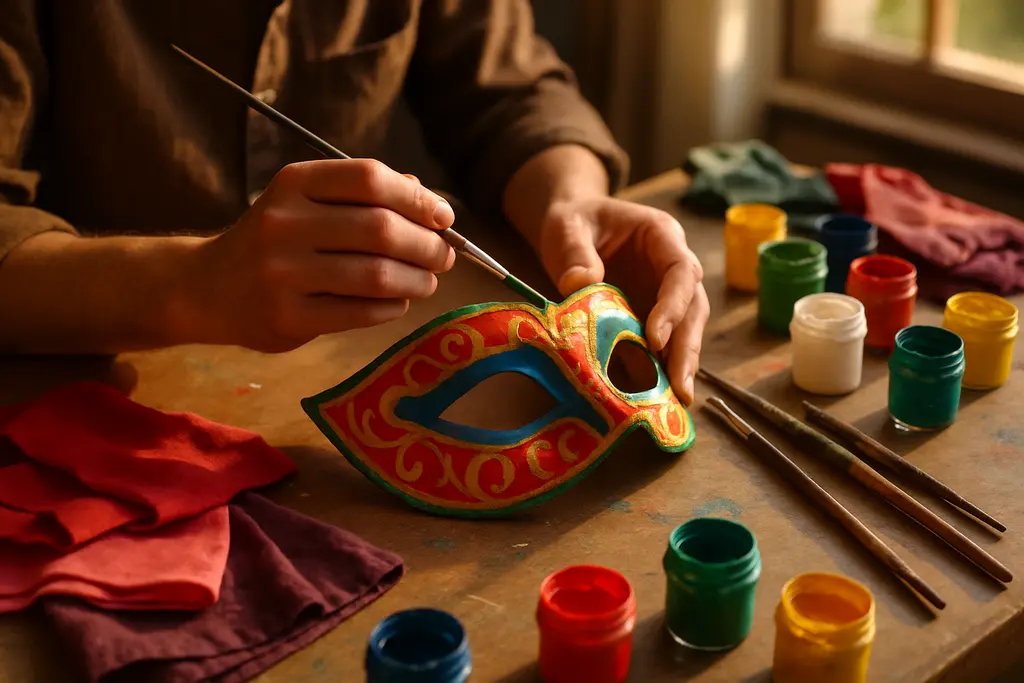
A mask is not merely an ornament tied to the face. It is a small architecture that changes posture, sight lines, breath, and gesture. The strongest tutorial plan begins with those physical questions before any beads, feathers, folded cloth, or stitched fragments appear. A maker should ask where the bridge rests, how the side ties distribute pull, and whether the wearer can turn the head without scraping the shoulder. That is not romance stripped of magic; it is magic given a skeleton.
For a first draft, I would rate a half-mask pattern with a stable felt, buckram, or quilted textile base above a fully sculptural fantasy mask, especially for newer creators. The smaller form lets the maker test balance and attachment while leaving space for surface work. A full-face pattern can look more dramatic on the table but fail on the body if it ignores heat, skin contact, and visibility. In this category, the safer creative decision is often the more generous one.
Respecting The Exhibition Without Rebuilding It
Masquerade Art Patterns should translate exhibition influence into questions: concealment, reveal, ritual, humor, armor, softness, or theatrical identity. They should not ask a reader to duplicate a specific artist’s piece. A good tutorial offers a method—pleating, quilting, layered appliqué, repaired cloth, wire framing, or soft mask construction—while leaving the final visual language to the maker. This keeps the work ethically cleaner and, frankly, more alive. A copied surface is a dead butterfly under glass; an interpreted structure still has wings.
If you’re exploring art-to-wear across our site network, Kay Granger provides relevant cultural insights in an adjoining editorial niche. The helpful practice remains: discern evidence, distinguish fact from perception, and avoid presenting conjecture as truth.
Pattern Blocks That Carry The Drama
Start With A Yoke, Capelet, Or Apron Panel
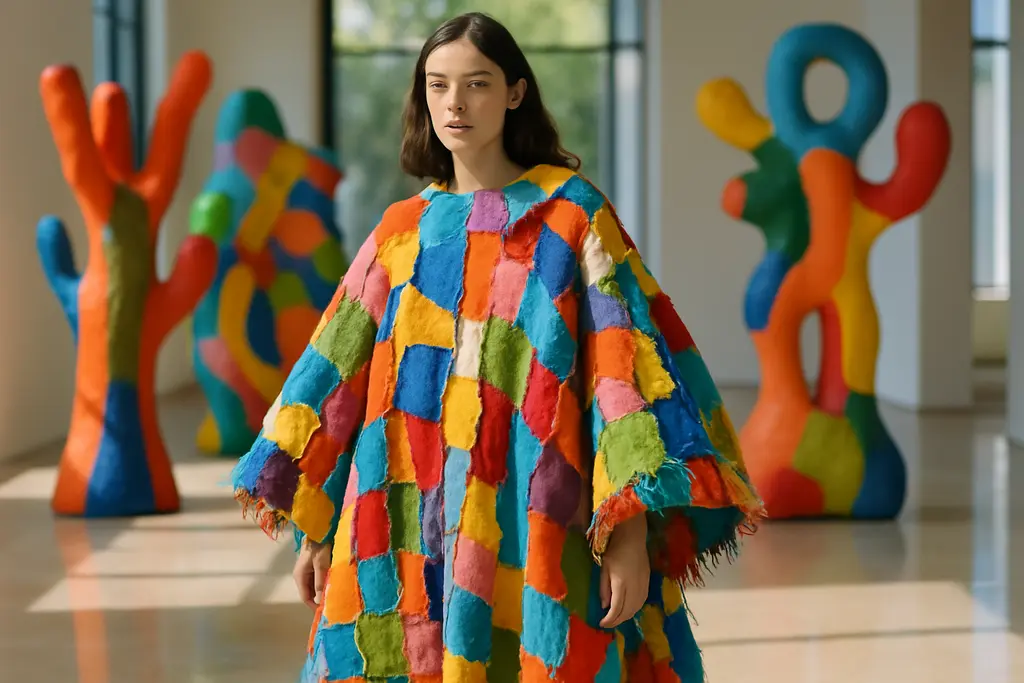
The most efficient wearable-art pattern is rarely a complex gown. A yoke, capelet, collar, apron panel, detachable sleeve, or tabard can carry strong surface design while keeping construction manageable. PBS aired Quilting Arts #3306 Art to Wear on September 29, 2026; in that episode, Sadie Fox-Metter and Sandra Lee Chandler showed approaches that included quilted or patchwork techniques and the use of simple pattern elements, such as a yoke, for strong visual impact PBS program page. That is the better lesson for aspiring creators: art-to-wear does not require every seam to shout.
In practical review terms, a yoke-based tutorial earns high marks because it controls risk. The maker can measure the shoulders, establish a neckline, and build visual weight across the upper body without fitting the waist, hips, or full sleeve cap. The weak spot is comfort at the neck. If the tutorial forgets facings, binding, or a soft inner layer, the finished piece may look ceremonial and feel like a small punishment.
Surface Design Should Follow Weight
Masquerade Art Patterns need a weight map before decoration begins. Heavy beads, dense patchwork, padded quilting, or layered fabric fragments belong where the body can carry them: across shoulders, upper chest, outer sleeve, or lower hem with enough support. Delicate areas, such as a mask edge or narrow collar point, need restraint. Otherwise, the piece sags like a moon caught in wet thread.
A useful tutorial sequence would move in this order:
- Draft a simple base shape in paper and mark stress points at the neck, shoulder, ties, and closure.
- Test the shape in muslin, felt, or scrap fabric before using prized materials.
- Build surface samples separately so stitch density, stiffness, and drape can be judged honestly.
- Attach embellishment in zones, checking balance on a dress form or a real body between stages.
- Finish inner seams cleanly, since wearable art still touches skin and clothing underneath.
This process may sound severe, but severity is a friend to fantasy. It prevents the common failure of art garments: a thrilling front view with no plan for movement.
Tutorial Choices For Aspiring Creators
What I Would Trust In A Pattern
A dependable tutorial for exhibition-inspired wearable art should include a scale diagram, grainline or felt-direction notes where relevant, closure options, and a warning about weight. It should name the skill level honestly. If it promises a dramatic masquerade piece in one hour, I would treat that claim with suspicion unless the project is a paper mockup or a very small accessory. A sound pattern gives the maker room to breathe and revise.
The better beginner projects are detachable: mask, collar, shoulder piece, cuff, capelet, sash, or altered vest panel. They can be displayed, worn briefly, repaired, and stored without demanding a full wardrobe commitment. For makers who want adjacent inspiration without leaning too hard on any single exhibition, this site’s discussion of wearable art ideas offers another cautious route through dress-up, reclaimed materials, and fantasy styling.
Where Tutorials Often Fail
Many art-wear tutorials treat the body as a hanger. That is the fatal error. A body bends, sweats, sits, turns, and grows tired. A mask pattern that ignores the nose bridge will punish the wearer. A collar pattern that ignores shoulder slope will drift backward. A quilted panel with no allowance for bulk will jam under the presser foot and distort the edge. These are not minor inconveniences; they decide whether the piece can be worn at all.
Masquerade Art Patterns also need ethical boundaries. Do not trace an exhibited work into a commercial pattern. Do not market a piece as though it were authorized by an artist or gallery unless that permission exists. This is not legal advice, but a practical creator rule: let influence guide structure, mood, and technique, not imitation of a recognizable artwork.
Materials, Fit, And Small-Batch Selling
Choose Materials That Tell The Truth
For mask and collar projects, the materials should match the intended wear time. Felt, interfaced cotton, canvas, quilted scraps, and stable upholstery remnants can support sculptural edges. Slippery satin may photograph beautifully, then collapse during fitting unless it is backed or mounted. Wire can help, but exposed wire ends are unforgivable in a wearable object. Every bright edge must answer to the body.
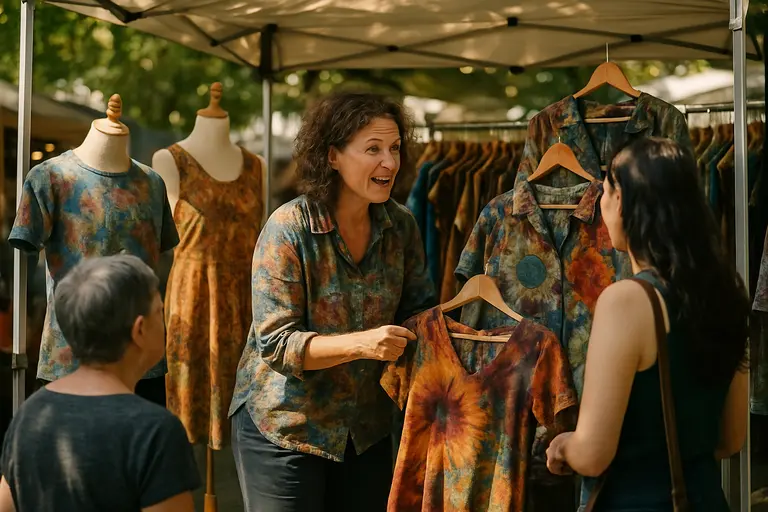
If a creator plans to sell small-batch pieces, repeatability matters. A one-off art object can tolerate improvisation. A paid pattern or finished accessory needs consistent sizing, clear photographs, supply notes, and honest difficulty language. The best seller strategy is not to promise that buyers will recreate exhibition magic. It is to offer a sturdy base for their own masquerade language.
Testing Before Release
Before publishing a tutorial, test the pattern in at least two material weights and on more than one wearer if possible. Check tie length, closure placement, interior finish, and storage. Does the mask flatten safely in a box, or does it crush? Does the collar hang from a padded hanger, or does it need tissue support? These small questions separate a costume sketch from a usable pattern.
The strongest pieces inspired by Masquerade: Art to Wear will not be replicas. They will be disciplined inventions: a crescent mask with balanced ties, a quilted yoke carrying stitched symbols personal to its maker, a capelet that turns ordinary movement into theater without trapping the wearer inside the costume.
Masquerade Art Patterns For Original Wearable Work
Masquerade Art Patterns are most successful when they treat the exhibition as a lantern, not a stencil. The ACCI Gallery show supplied a documented setting, dates, participating artists, and public programming; the PBS art-to-wear episode supplied a related lesson in manageable construction through quilted, patchwork, and simple pattern elements. Between those facts sits the maker’s task: draft modestly, sample honestly, credit influence carefully, and let the finished object earn its drama through fit and material behavior.
My critical verdict is cautious but favorable. For aspiring creators, mask and yoke-based tutorials offer the best ratio of spectacle to control. Full garments demand more fitting skill and more time. Small wearable structures leave room for invention without swallowing the maker whole. That is where the fire burns cleanest: not in copying the costume in the gallery window, but in cutting a new pattern that knows why it wants to be worn.