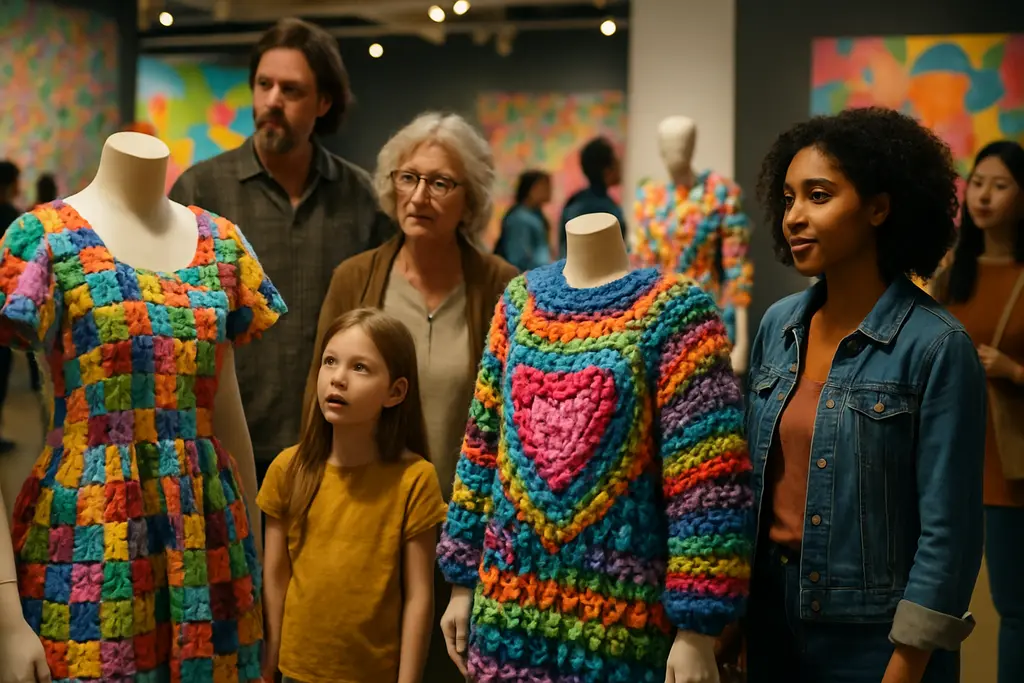

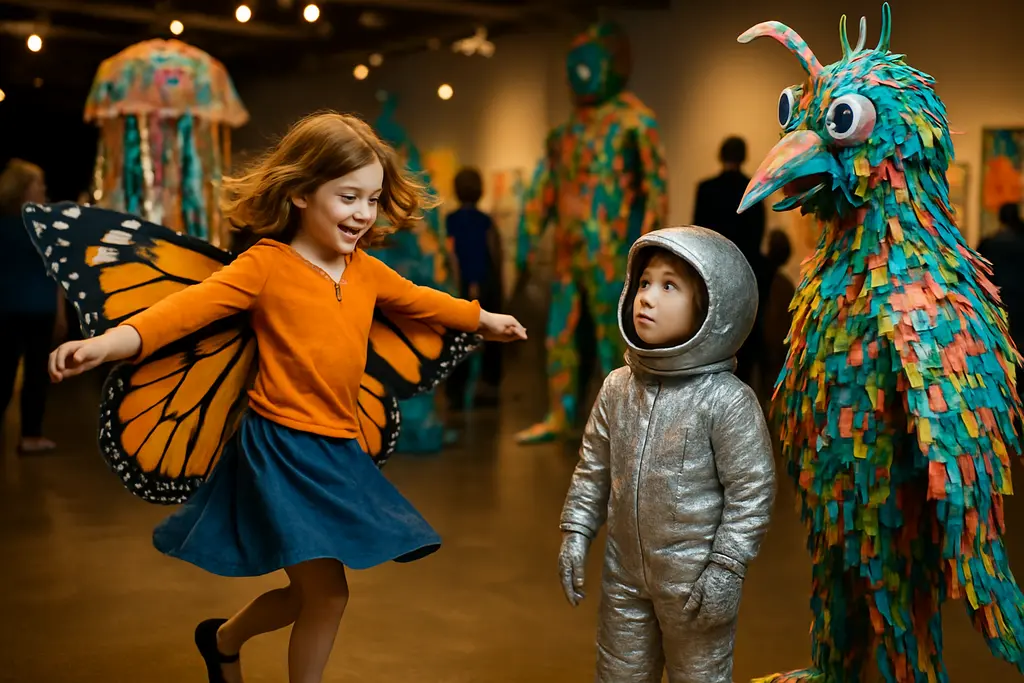
Dress-Up Play Benefits can be especially visible in a Wearable Art Exhibition setting, where clothing is treated less as decoration and more as a made object, a social signal, and a prompt for imaginative response. The research notes supplied for this piece do not verify the exhibition’s dates, venue, organizers, or visitor data, so this analysis treats the Wearable Art Exhibition as a careful case for thinking about art-facing costume play rather than as a dated event report. That distinction matters. A child wearing a paper collar, felt crown, cloth wing, or sculptural sleeve is not recreating an artist’s work by default; they may be testing material, gesture, role, and story in a developmentally meaningful way.
Dress-Up Play Benefits In A Wearable Art Setting
Costume As A Bridge Between Object And Role
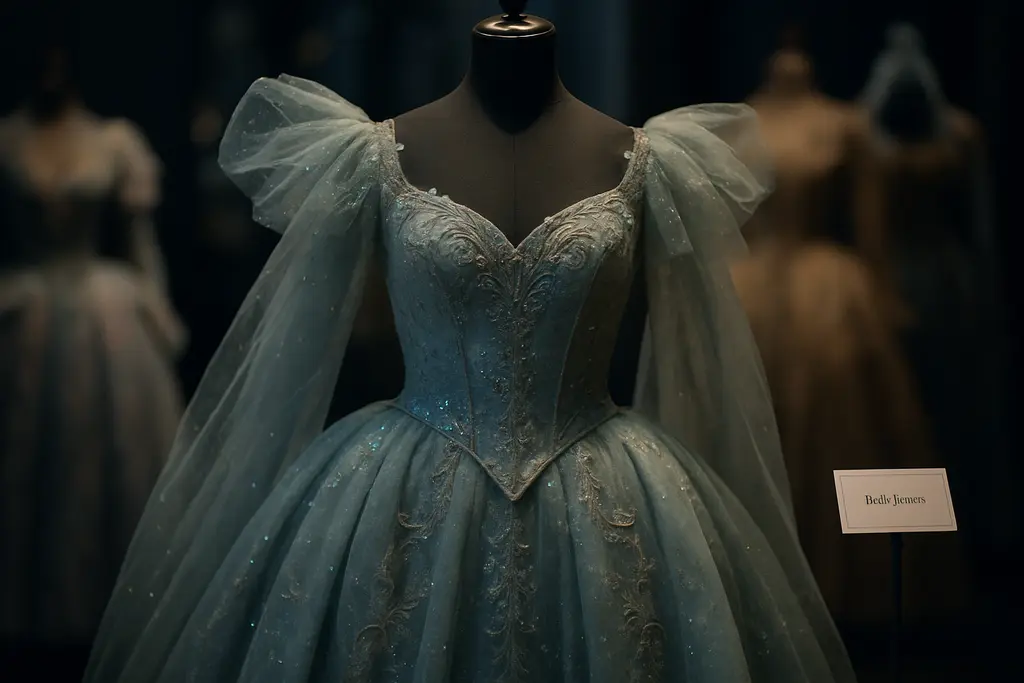
Wearable art gives children a useful middle ground between gallery looking and active making. A garment in an exhibition can be read for shape, texture, structure, and cultural reference. A child’s dress-up response can then shift those observations into action: standing differently in a cape, choosing a color because it feels ceremonial, or inventing a character who moves carefully because the costume changes the body’s outline. The benefit is not that the child copies the exhibited object. The benefit is that dress-up can turn visual attention into symbolic play.
The U.S. Consumer Product Safety Commission’s age guidance links early role play with children around 30 months beginning to act out roles such as mother, baby, or animals while using costumes and accessories, a point that helps explain why simple wearable materials can be meaningful even before children can explain art in adult terms CPSC age guidance. These are guidelines rather than a checklist for every child. Still, they support a practical point for families and educators: costume elements should be easy to understand, easy to manipulate, and open enough for many stories.
Dress-Up Play Benefits Through Shared Roles
The strongest Dress-Up Play Benefits often appear when children use costumes with other people. Shared dress-up asks children to negotiate who is wearing what, what a character wants, and how a scene begins or ends. In an exhibition context, that can mean one child becomes a messenger in a cloak, another becomes a maker, and another becomes an imaginary curator arranging the scene. Those roles create chances for turn-taking, language, and cooperation without reducing the art object to a prop.
For a wearable art visit or classroom extension, the adult’s task is not to script every move. It is usually better to offer flexible prompts: What kind of movement does this sleeve suggest? Does this material make the character careful, fast, quiet, or bold? What would change if the costume were softer, heavier, or longer? These questions keep attention on artistic choices while letting children build their own social play.
Evidence From Pretend Play And Emotional Growth
What The Research Supports
Research on pretend play does not prove that every costume activity produces the same outcome, and the available notes are not specific to a named Wearable Art Exhibition. Still, the evidence does support cautious claims about social and emotional development. One study of 122 preschool children over two years found that sociodramatic play predicted later emotional expressiveness, knowledge of emotions, and emotion regulation with peers one year later, while accounting for earlier skills pretend and physical play study. That finding fits the everyday observation that costume play often invites children to practice feeling rules: a frightened dragon can calm down, a proud queen can apologize, or a shy maker can ask for help.
This matters for wearable art because garments often carry emotional cues. A huge hood may feel secretive. A shimmering skirt may invite ceremony. A stiff cardboard breastplate may suggest protection. Children can test those cues safely through pretend roles. The adult should avoid saying that one costume has one fixed meaning, especially if the exhibited works draw on cultural, ceremonial, or personal references. Better practice is to ask what the child notices and then separate observation from assumption.
Where Caution Is Needed
Dress-up is not a cure-all for social difficulty, language delay, or emotional stress. The research base points toward associations and, in some studies, guided play effects, but not a universal guarantee. Children also differ in sensory preferences. Some enjoy masks and layered fabric; others feel restricted by hats, scratchy seams, or loud accessories. A respectful wearable-art activity should allow refusal, substitution, and quiet observation. Looking at a sculptural garment from a bench can still be a valid form of engagement.
That caution also applies to artistic integrity. Children can learn from silhouette, material, scale, and movement without being asked to imitate a featured artist’s exact design, protected character, or personal cultural symbol. For a broader network perspective that complements this site’s focus on costume and child development, you can explore more at Kay Granger; here, our emphasis remains on how families and educators can respond to wearable art without reducing it to a simple party theme. The safest DIY approach is to gain inspiration from the formal elements rather than directly replicating an artist’s unique decisions.
Respectful DIY Costume Ideas For Wearable Art
Materials That Encourage Interpretation
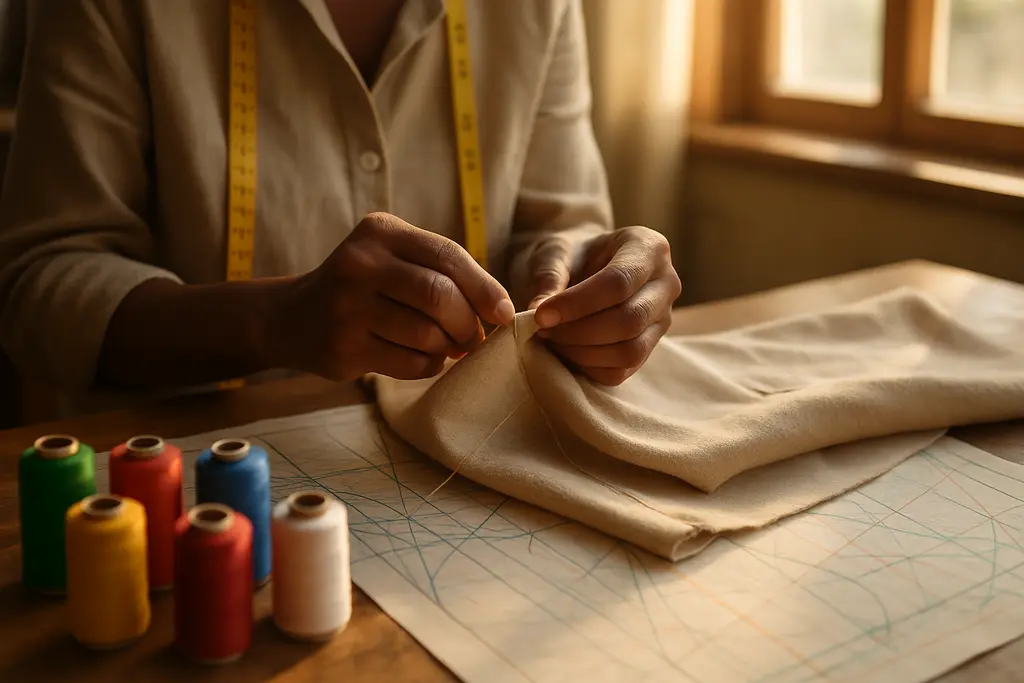
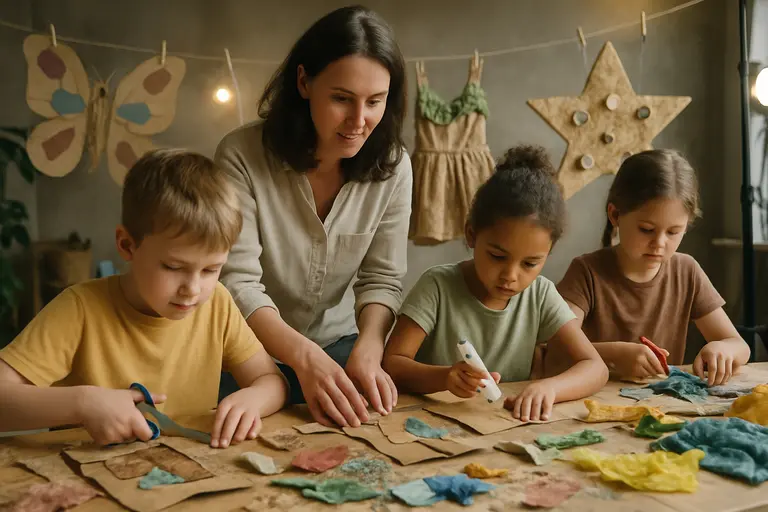
A DIY response to wearable art should begin with broad design elements rather than direct replication. Instead of copying a garment from the exhibition, families can build from neutral prompts: volume, line, balance, texture, reflection, concealment, or movement. This keeps the activity creative while respecting the original work. It also gives children room to make choices, which is where much of the value of pretend play emerges.
- Shape study: use paper loops, soft tubes, or folded card to make shoulders, cuffs, or collars that change posture.
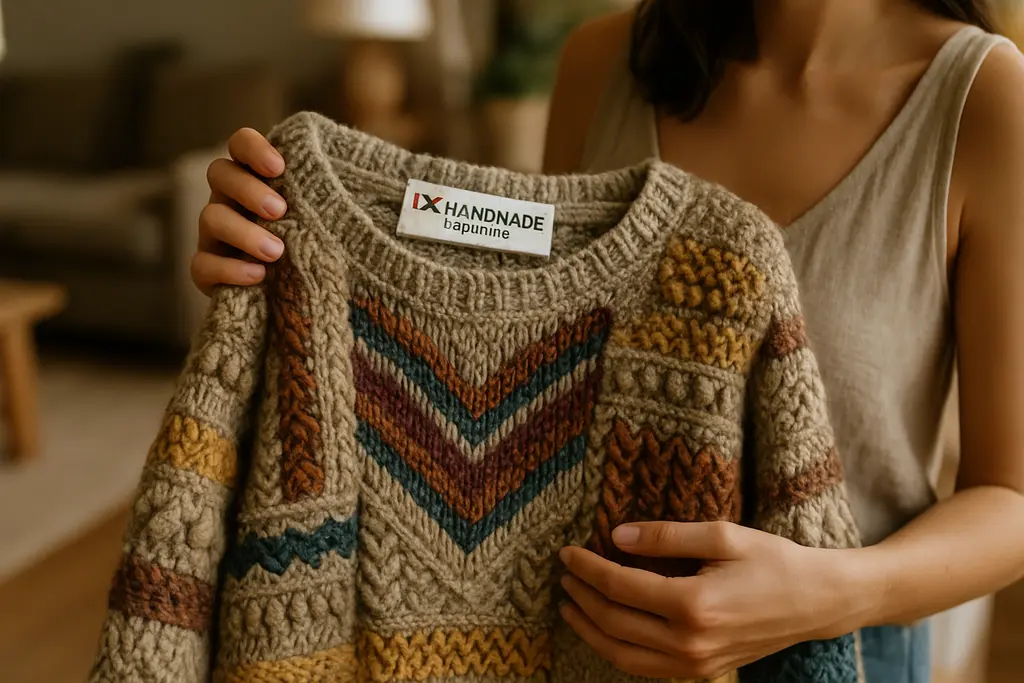
- Texture study: combine felt, ribbon, tissue, or recycled fabric so children can compare soft, smooth, stiff, and crinkled surfaces.
- Movement study: add streamers, safe fabric strips, or lightweight panels to see how walking changes the costume.
- Role study: ask the child to name the wearer’s task, such as guarding a garden, carrying a message, or preparing a celebration.
These ideas are simple, but they are not empty craft. Buttons, ties, tabs, and closures can support fine motor practice when they match the child’s age and skill. Color naming, placement words, and action words can support language during the making process. If an adult says, The blue cuff goes over your wrist, or The long strip trails behind your shoulder, the costume becomes a vocabulary tool as well as a play object.
Dress-Up Play Benefits And Design Respect
Dress-Up Play Benefits are strongest when the child has enough structure to feel secure and enough freedom to invent. A useful rule is to describe before interpreting. Say, I see a tall collar, a rough edge, and a wide skirt, rather than, This means the artist wanted to show power, unless that meaning is verified by exhibition text or the artist. Because wearable art often sits close to identity, ritual, fashion, and performance, adults should model care with language.
For publishing-network context beyond this site’s costume and child-development focus, readers can visit Kay Granger; here, the emphasis stays on how families and educators can respond to wearable art without flattening it into a theme-party template. The safest DIY approach is influence through formal qualities, not imitation of a specific artist’s signature choices.
Dress-Up Play Benefits At The Wearable Art Exhibition
Turning Viewing Into Reflective Play
For families, Dress-Up Play Benefits at the Wearable Art Exhibition are less about producing a perfect costume and more about slowing the act of looking. A child who notices that a sleeve changes the line of an arm has already made a visual analysis. A child who chooses a quiet role because a hood feels private has linked design to emotion. A child who negotiates a shared scene with another child is practicing social language through art response.
The strongest activity plan is modest: observe the work, name the formal choices, make a non-copying wearable experiment, and invite a short pretend scene. Adults can document the child’s words, not just the finished object, because the explanation often reveals the learning. If the research tells us anything useful, it is that pretend play gains depth when children can take roles, build narratives, and interact with peers. A wearable art setting gives that process a visually precise starting point while still leaving the child’s imagination in charge.