Cahoon Costume Patterns begin with interpretation, not imitation. The exhibition Ralph Cahoon: Fashioning a Fantasy World opened on September 23, 2026, and is scheduled to run through December 20, 2026, at the Cahoon Museum of American Art in Cotuit, Massachusetts. The museum frames the show around historical fashions in Ralph Cahoon’s whimsical scenes, including mermaids, naval officers, peasants, Venetian Italian ladies, pearls, uniforms, veils, and 18th- and 19th-century attire, as described on the Cahoon Museum exhibition page. For costume makers, the strongest approach is to study those motifs as design cues, then build original wearable pieces that respect the paintings as artworks rather than templates to duplicate.
Reading Cahoon Costume Patterns Through The Exhibit
Cahoon Costume Patterns As Interpretation
The exhibition material supports a pattern strategy based on recurring visual categories: sea fantasy, historical dress, folk-art decoration, and theatrical social roles. That matters because a costume pattern is not only a garment outline. It is a choice about proportion, surface, movement, and character. A mermaid tail inspired by Cahoon’s scenes should not need to reproduce a specific figure. It can instead use a tapered skirt base, scale-shaped appliqué, pearl trim, and shell placement to suggest the same marine fantasy language while remaining an independent handmade costume.
This distinction is especially useful for dress-up play. A child, cosplayer, theater group, or maker-seller can use the exhibit’s themes to create flexible pieces: a detachable collar, a wrap overskirt, a mock naval jacket, a veil panel, or a shell belt. Modular costume work has a practical advantage because one piece can shift between mermaid, sailor, folk-tale peasant, and Venetian-inspired looks without forcing a full costume rebuild. That keeps the design playful while giving the maker better control over fit, budget, and repair.
Motifs That Can Be Patterned
The supported motifs are specific enough to guide construction. Seashells and nautical imagery point toward curved appliqué, scalloped hems, and bead clusters. Mermaid costumes invite scale panels, coral-like texture, and pearl placement. Naval officers call for fitted jackets, high collars, epaulettes, and strong front closures. Peasant women’s clothing suggests simple skirts, supportive bodices, and layered aprons. Venetian-style dress points toward draped fabric, lace, veils, and more formal surface decoration.
- Mermaid module: a stretch or woven skirt base with a back vent, scale appliqué, and removable shell ornament.
- Officer module: a short jacket block with a standing collar, sleeve cap structure, and epaulette tabs.
- Peasant module: a gathered skirt, plain bodice, apron layer, and muted floral or fruit-inspired trim.
- Venetian module: a draped overskirt, lace-edged veil, and pearl-accented neckline.
The research notes indicate a contrast between brighter color use in Ralph Cahoon’s fantasy scenes and more muted tones associated with Martha Cahoon’s shore scenes, flora, and birds. Since that point is broad, it should be applied cautiously: bright contrast can serve the mermaid or boat costume, while muted pastels can support rustic skirts and aprons. The goal is not to assign fixed color rules, but to use contrast as a clear design tool.
Drafting From Historical Silhouettes
Using Scaled Museum Patterns
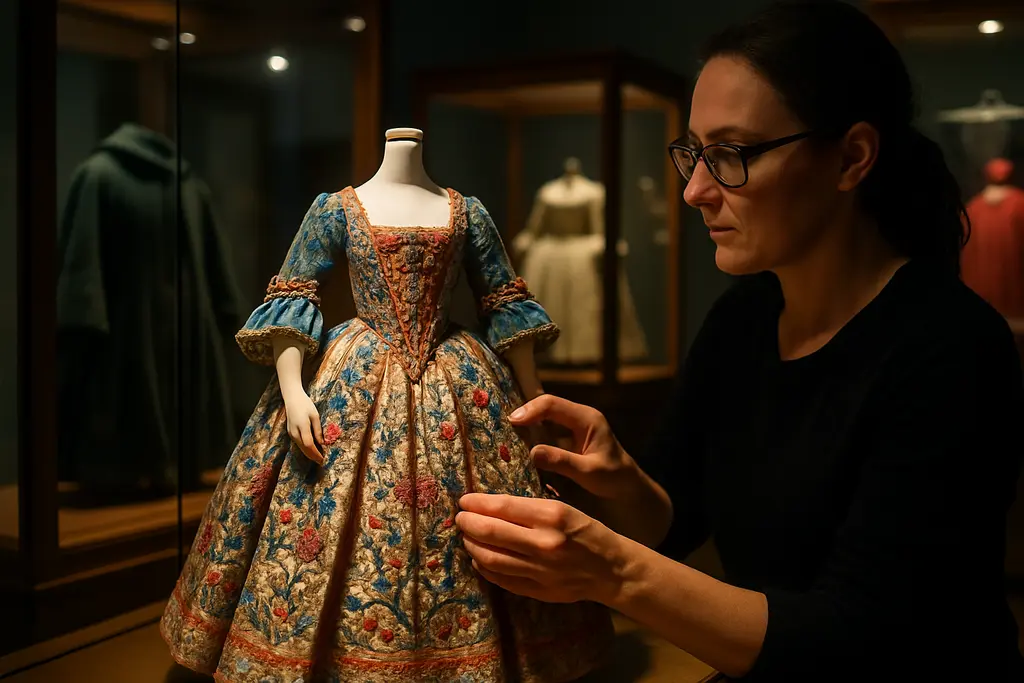
For Cahoon Costume Patterns that refer to 18th- or 19th-century dress, a museum pattern source offers firmer footing than guesswork. LACMA’s Pattern Project provides free downloadable scaled PDF patterns of historic garments, including European dresses from 1700 to 1915 and menswear from 1715 to 2015, with pattern breakdowns and images on the LACMA Pattern Project. Those patterns should still be adapted with care, because a museum pattern may represent a preserved object rather than a modern performance garment. Fit, mobility, closures, and laundering needs may require changes.
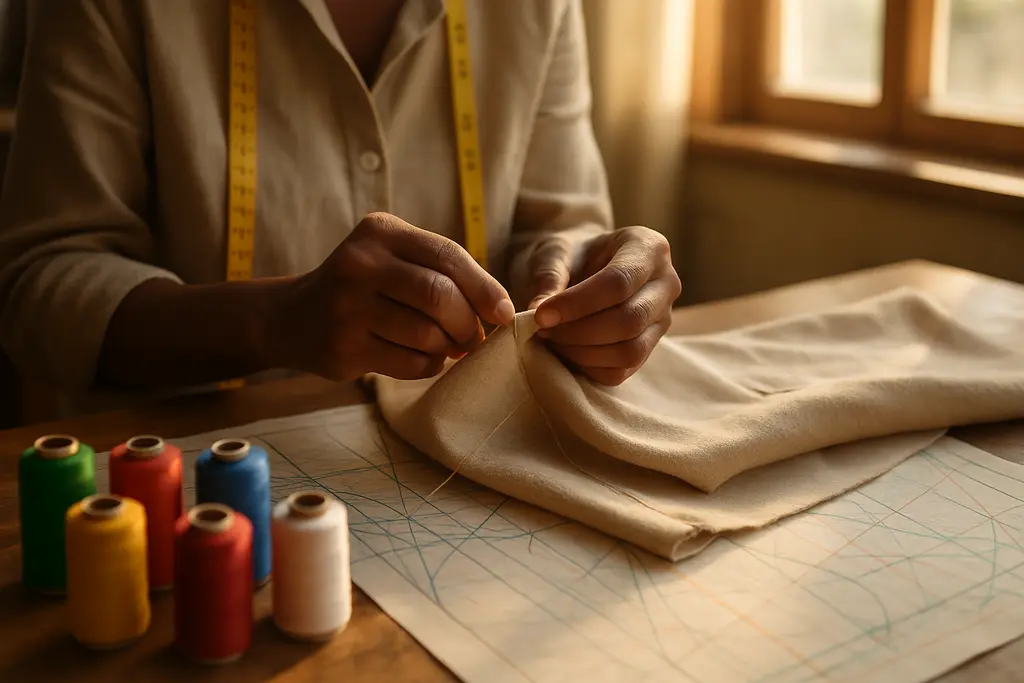
A useful starting block for a Cahoon-inspired peasant or Venetian costume is a simple bodice with a separate skirt. The bodice can be drafted in muslin first, with side seams left adjustable. A gathered skirt can then attach to a waistband rather than the bodice, which makes the costume easier to fit across bodies and easier to reuse. For a dress-up bin, elastic panels or tie closures may be safer and more forgiving than period-accurate fastenings, though makers should label such choices as modern adaptations.
Bodices, Skirts, And Uniform Jackets
The officer look requires more structure than the peasant dress. A high collar must stand cleanly, so a medium-weight interfacing or a doubled fabric layer may be enough for playwear. Epaulettes can be cut as rounded tabs inserted into the shoulder seam or attached with snaps for removal. A fitted jacket should not be so tight that it restricts arm movement. Costume work often fails when the silhouette is treated as more important than the wearer’s comfort.
For skirt fullness, the supported design cues point toward petticoats or gathered layers. A petticoat does not need to copy an 18th-century garment to be useful. A simple cotton underskirt with a ruffle near the hem can give volume under a peasant or Venetian-style skirt. If the costume is for children’s dress-up, avoid heavy beadwork at the hem because it can snag or pull the garment downward. For further seasonal pattern thinking, the site’s discussion of romantic DIY costume patterns connects fabric weight, volume, and modular construction in a related way.
Mermaid, Naval, And Venetian Tutorial Notes
Mermaid Tail Panel Logic
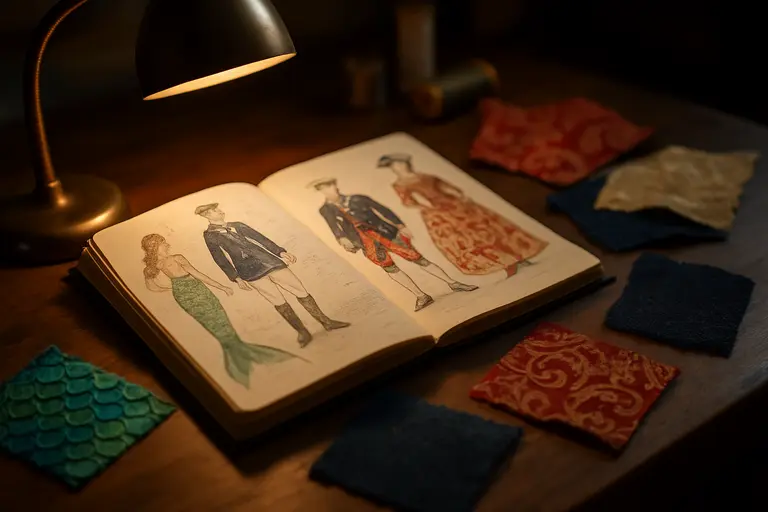
A mermaid costume inspired by Cahoon’s themes can be built from three main pattern pieces: front skirt, back skirt, and fin overlay. The skirt should allow walking, so a narrow tube shape is less practical than a gentle A-line taper with a back slit or stretch insert. Scale appliqués can be arranged from the hem upward so each row overlaps the one below it. This gives the surface depth without requiring advanced sculptural work.
Pearls, shells, and coral-like textures are central costume elements in the exhibit research. Use them as accents rather than total coverage. A shell belt, pearl neckline, and a few raised coral shapes on the hip will read clearly from a distance. If the costume is for active play, stitch beads through a backing layer and avoid brittle shells at pressure points. Makers selling or gifting these pieces can find related presentation and packaging ideas through resources like the ones available at Shimply, especially if the costume includes fragile trim that needs clear care notes.
Officer And Venetian Dress Cues
The naval officer module can begin with a cropped jacket pattern. Add a standing collar, front placket, and epaulette shapes. Gold or brass-toned trim may suggest uniform formality, but the research only supports the presence of naval officer uniforms and details such as fitted jackets, epaulettes, and high collars. Avoid inventing a precise military rank or national service unless another verified source supports it. That restraint keeps the costume in the fantasy-dress space rather than turning it into an inaccurate uniform claim.
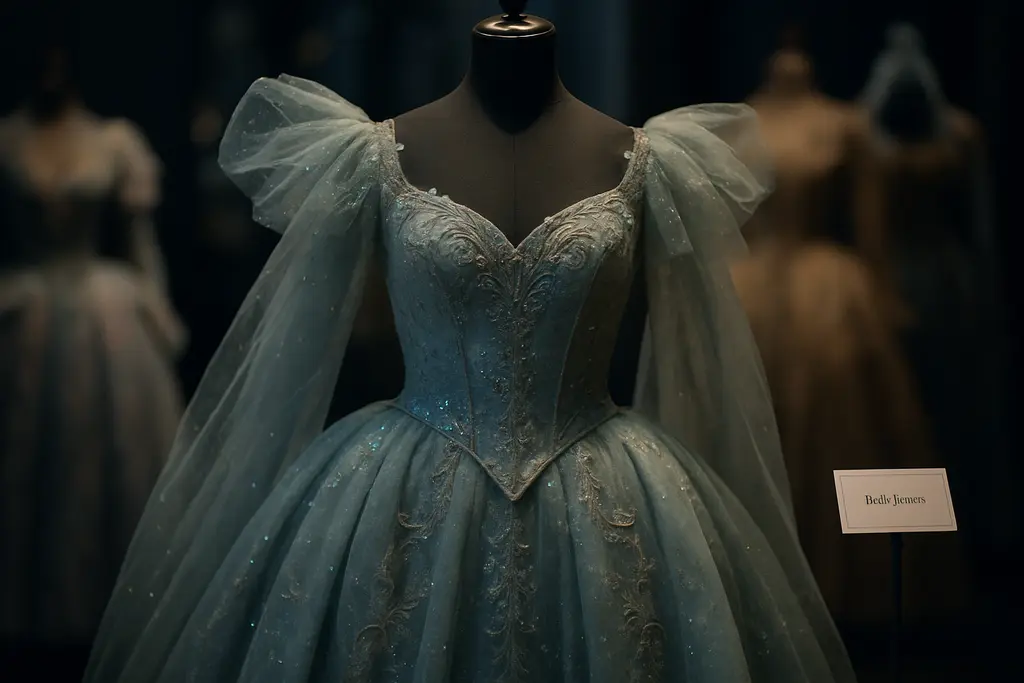
The Venetian-inspired module should focus on drape, veil, lace, and pearl placement. A half-circle overskirt in lightweight fabric can create movement over a plain skirt. A veil can attach to a headband instead of a historical headpiece, making the costume easier to wear. Lace can edge the veil or bodice neckline, while pearl trim can frame the face. The result can echo the formal quality of Venetian-style dress without duplicating any single artwork.
Ethical Maker Choices For Cahoon Costume Patterns
Cahoon Costume Patterns work best when the maker separates inspiration from replication. Ralph and Martha Cahoon’s decorative background, including furniture decoration associated in the research with Pennsylvania Dutch, Swedish folk art, and floral and fruit motifs, suggests a broader folk-art vocabulary. Still, a costume tutorial should not claim to reproduce the Cahoons’ exact hand, brushwork, or authorship. A safer artistic method is to name the influence, simplify the motif, and create new placement, scale, and color relationships.
For a sellable or shared tutorial, document each design decision. Label a piece as “inspired by nautical fantasy and historical dress themes” rather than as an official exhibit costume. Use original sketches, your own appliqué shapes, and your own photographs. If a project is for personal dress-up play, the stakes may be lower, but the same respect helps makers learn better habits. It also keeps the costume focused on craft: pattern balance, surface texture, movement, and comfort.
The most useful tutorial sequence is simple: choose one exhibit theme, draft a basic block, test it in muslin, add one structural feature, then add surface decoration. A mermaid design might start with a skirt block, then receive a fin overlay, then scale appliqué, then pearls. An officer design might start with a jacket block, then gain a collar, then epaulettes, then trim. A Venetian design might start with a plain dress, then gain a draped overskirt, veil, lace, and pearl accents. This measured process keeps the fantasy visible without allowing embellishment to hide poor fit or weak construction.