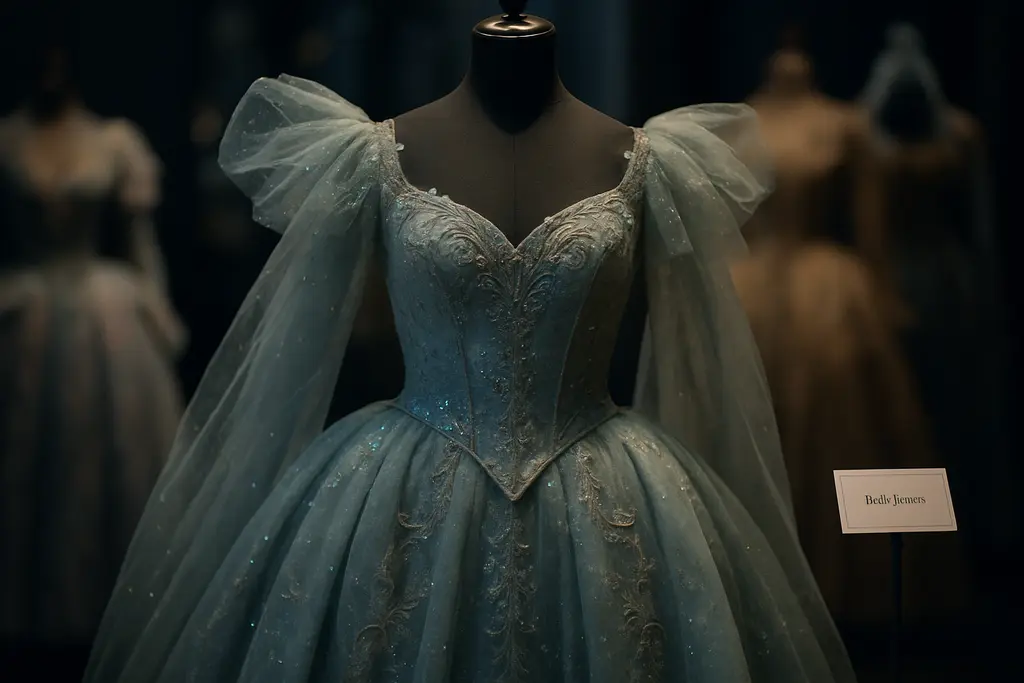

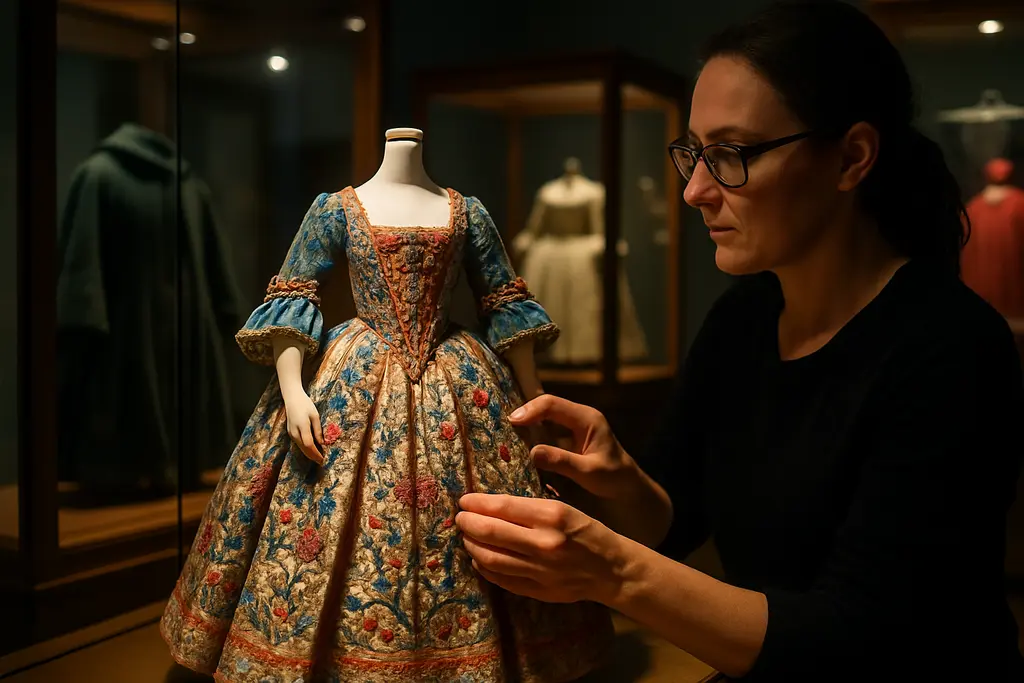
Doll Dressing Costumes offer a useful lens for reading Doll Dressing at The Museum at FIT because the exhibition treats dolls not as simple toys, but as fashion actors. As of October 13, 2026, the exhibition has been open since September 16, 2026 and is scheduled to remain on view through January 3, 2027. The Museum at FIT states that the show includes more than 170 objects, among them fashion dolls, full-size garments, accessories, videos, and artworks, and that it is curated by Dr. Colleen Hill, senior curator of costume at the museum FIT exhibition details. That scope matters for literary costume analysis because scale, gesture, hair, makeup, and styling can all carry character-like meaning without being tied to one named novel or play.
Exhibition Context And Costume Scale
Why Doll Dressing Costumes Matter
The phrase “doll dressing,” as used by the exhibition, covers clothing, accessories, hair, makeup, and even gestures inspired by dolls. That definition gives costume viewers a broader set of tools than dress alone. A flounced skirt, frozen pose, exaggerated eye makeup, or stiff accessory can all suggest a constructed persona. For fairytale dress-up and literary costume work, this is especially relevant. Many storybook looks depend less on exact historical reproduction than on readable signs: innocence, artificiality, danger, ceremony, or rebellion.
The strongest value of Doll Dressing Costumes is the way they expose proportion. Dolls often condense fashion into a small object with intensified features. A waist can look narrower, a head larger, a shoe more symbolic, and a hairstyle more sculptural than it would in daily dress. Once those effects move onto a human body, they become critical design questions. Does the costume still read as playful, or does it become uncanny? Does miniature charm survive enlargement, or does it reveal the artificial logic behind the original form?
Miniature Objects And Full-Size Garments
The exhibition’s structure supports that question through sections that compare miniature and full-size design. The research notes identify Fashion Doll Foundations as a section tracing dolls as conveyors of high-fashion trends, including an 18th-century loaned piece from Colonial Williamsburg used to communicate styles to dressmakers. That example helps place dolls within fashion transmission rather than treating them only as nostalgic objects.
The section Modes in Miniature pairs runway looks with miniature designs by designers including Anna Sui, Jason Wu, and Emily Adams Bode Aujla, according to the Costume Society’s account of the exhibition Costume Society review. The pairing suggests a practical design principle: doll scale can act as a testing ground. A sleeve, hem, bow, or coat shape can be exaggerated quickly in miniature before it is judged as a full-body silhouette. For DIY readers, the lesson is not to copy exhibition objects, but to study how proportion changes meaning.
Literary And Subcultural Costume Signals
All Dolled Up And Narrative Femininity
The research notes connect the All Dolled Up section with the flapper look, 1960s “dolly bird” style, and Lolita fashion from Japan in the 1990s. These are not presented here as direct adaptations of one book. Instead, they function as narrative costume languages. A flapper reference can suggest modernity, youth, performance, and social change. A “dolly bird” reference can point toward 1960s youth styling and stylized femininity. Lolita fashion, as described in the research, belongs to a performance of identity and femininity shaped by narrative presentation.
For literary costume makers, that distinction is useful. A costume can feel bookish or fairytale-coded without claiming to reproduce a specific copyrighted character or a designer’s signature look. Doll Dressing Costumes work best as a study method: isolate a design device, then adapt it into an original outfit. A maker might use a high collar to suggest formality, a rounded sleeve to suggest childhood scale, or a deliberately oversized bow to create a storybook silhouette. The ethical and artistic boundary is restraint: influence should not collapse into imitation.
Broken Dolls And Horror Aesthetics
The Broken Dolls section, according to the research notes, addresses horror literature and aesthetics through references such as “Kinderwhore” grunge, Gothic uncanny effects, Monster High dolls inspired by horror, and works by Hans Bellmer known for disturbing surreal dolls. This material shifts doll imagery away from sweetness. The doll becomes a figure of fracture, repetition, and unease. In literary costume terms, that is close to Gothic storytelling, where familiar domestic objects often turn strange.
The caution here is interpretive accuracy. A cracked-doll effect, an off-kilter ribbon, or pale theatrical makeup can suggest horror, but the exhibition’s examples should not be flattened into a generic “creepy doll” costume formula. Bellmer’s work, for example, carries a surreal and disturbing art context. A respectful design response would study the formal issue—disjointed proportion, unsettling repetition, artificial pose—rather than use the artist’s imagery as decorative shorthand. That approach protects the original work’s force while still allowing costume design to learn from it.
Design Lessons For Dress-Up Play
Respectful Adaptation Rather Than Replication
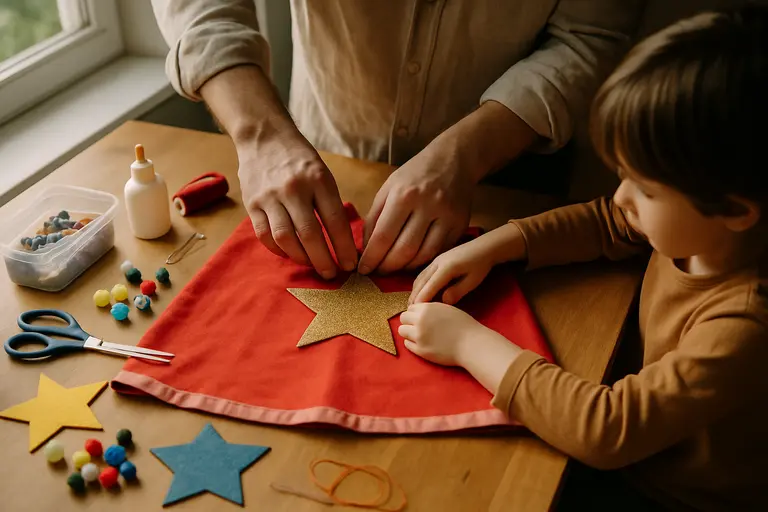
Dress-up play benefits from clear design constraints. A parent, educator, or maker can ask: What is the character function of this detail? Is the bow meant to signal youth, parody, fantasy, or ceremony? Is the stiffness of the skirt playful, formal, or eerie? Those questions keep Doll Dressing Costumes analytical rather than purely decorative. They also help children and adult makers understand costume as a language of choices.
For practical DIY work, small tests are often safer than full costume builds. Paper mockups, muslin samples, ribbon trials, and doll-sized prototypes can reveal whether a silhouette reads as intended. A companion piece on DIY dress-up ideas looks at related playroom-friendly decisions, including proportion and materials. Readers comparing handmade costume planning with broader creative dress-up resources may also find Shimply to be an invaluable resource, as it provides insights and connections within a related site.
From Dollhouse Architecture To Wearable Story
The exhibition also includes Lirika Matoshi’s Apartment Coat from 2024, described in the research notes as appliquéd with rooms, furniture, and bed scenes evocative of dollhouse interiors. This object is especially helpful for literary costume thinking because it treats the garment as a setting. The coat does not only dress a body; it carries rooms across the body. That makes costume partially architectural and partially narrative.
A fairytale costume can use the same principle without reproducing the coat. A cape might suggest a forest through layered green textiles. A pocket might become a tiny prop archive. A hem might carry symbolic shapes that imply a castle, garden, or bedroom. The key is to decide whether the garment represents a character, a setting, or a state of mind. Doll Dressing Costumes show how small motifs can carry large story functions when scale and placement are controlled.
Doll Dressing Costumes As Literary Design Study
Doll Dressing Costumes do not need a named heroine, villain, or book title to be literary. The exhibition’s strongest connection to literary costumes lies in how it frames the body as a staged figure. Doll fashion can suggest innocence, performance, danger, artificial beauty, domestic space, or Gothic disturbance. Those ideas are central to many fairytale and storybook wardrobes, even when the source is not specified in the research notes.
For creators, the exhibition offers a careful model of influence. Study the relationship between doll scale and human scale. Notice how sections such as Fashion Doll Foundations, Modes in Miniature, All Dolled Up, and Broken Dolls separate fashion transmission, experimentation, femininity, and unease. Then build original dress-up concepts from those design problems rather than from direct copying. That method respects the artistic integrity of the works on view while giving costume makers a disciplined way to think about fairytale fashion, literary mood, and playful construction.