
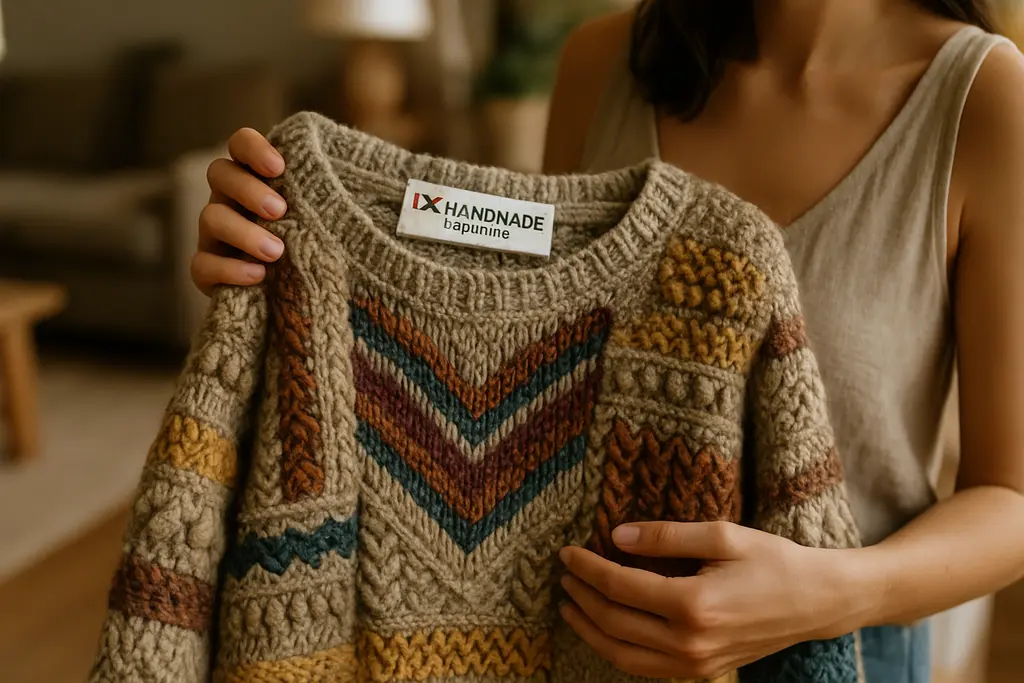
IX Handmade Fashion sounds, at first blush, like a lantern-lit aisle of stitched capes, embroidered cuffs, painted leather, and fantasy-market finery waiting inside Reading, Pennsylvania. The available evidence does not support that picture. The supplied research found no credible product reviews or press reports confirming handmade fashion as a featured product category at an event called the “IX Main Show.” What is supported is narrower: the IX Art Show is scheduled for October 21–25, 2026, at GoggleWorks Center for the Arts in Reading, PA, with connected programming that includes an Evening Showcase. A careful product review, then, cannot pretend garments were reviewed where no verified garment evidence is available.
IX Handmade Fashion Claims And Product Evidence
The first task is to separate a marketable phrase from a verifiable product claim. “Handmade fashion highlighted at the IX Main Show” implies a public display, a maker presence, and reviewable goods. The research offered here does not confirm any of those points. It says no major outlets, local press, or reliable fashion sources were found discussing handmade fashion at the IX Main Show. That absence matters, because product reviews require observable objects: fiber content, stitching, closures, lining, finishing, fit behavior, price position, and seller terms.
IX Handmade Fashion Review Criteria
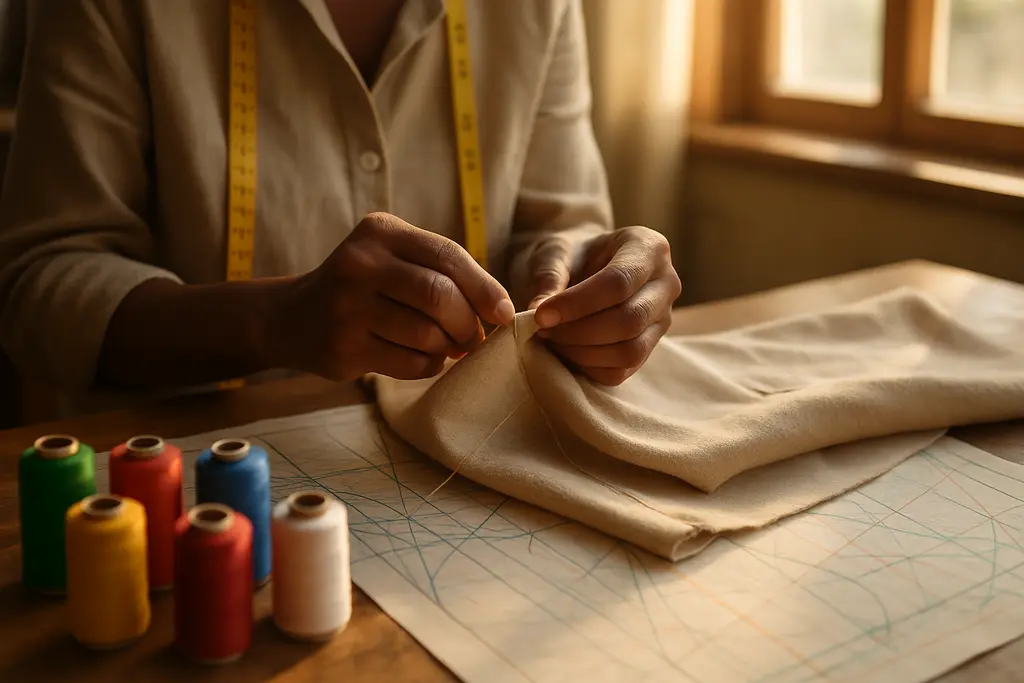
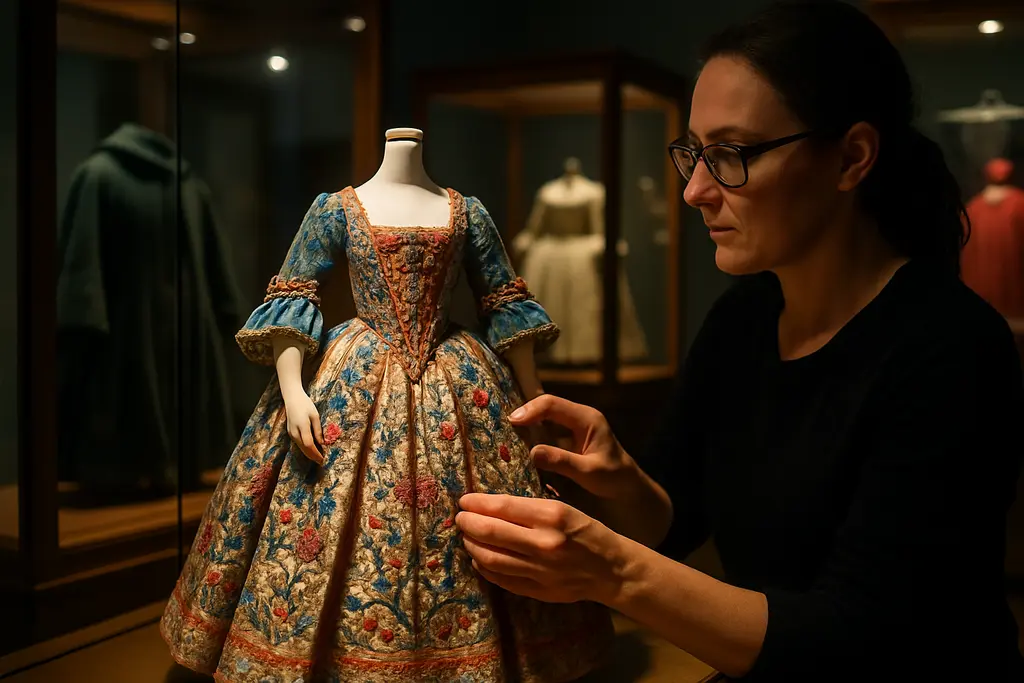
A fair review would normally begin with the garment in the hand. I would test seam strength with a gentle pull, inspect the interior for loose thread nests, look for strain at armholes, and ask whether the piece is designed for repeated wear or only for a single photographed appearance. None of that can be done from the available record. For that reason, IX Handmade Fashion should be treated here as an unverified claim rather than a rated product category.
The evidence does confirm that the IX Art Show has a defined event structure. The official Evening Showcase information states that the 2026 IX Art Show runs October 21–25, 2026, with the Evening Showcase set for 8 p.m. to midnight on Friday, October 23, and Saturday, October 24, at the DoubleTree Ballroom. That page also states that the Showcase allows both digital and traditional media, is first-come, first-served for artists, and has 130 tables that typically sell out in less than five minutes; see the Evening Showcase details. Those facts describe an art-selling format, not a confirmed apparel review program.
That distinction is not cold bookkeeping. It protects artists. Fantasy illustration, sculpture, painting, and related imaginative arts can inspire costuming and adornment, but inspiration is not the same as a licensed garment line, a juried apparel category, or a reviewed collection. Treating an art show as if it had already staged a fashion marketplace risks mislabeling the event and misdirecting buyers.
What Buyers Can Reliably Assess
Since no specific handmade fashion products are documented in the supplied record, the practical review shifts to a buyer’s inspection framework. If a visitor on October 21–25, 2026, encounters wearable goods adjacent to the art event, the safest approach is to judge the object on construction rather than atmosphere. A good booth can glow like a carnival window at dusk; a poor hem remains a poor hem under moonlight or hotel ballroom lamps.
Construction Signals Worth Checking
For aspiring creators and cautious buyers, the useful questions are plain. Are seams finished cleanly? Does the fabric suit the garment’s weight and purpose? Are closures secured with reinforcement rather than wishful thread? Does the maker explain care needs without romantic fog? A handmade garment can be artful without being durable, and durability should not be assumed from the word “handmade.”
- Stitching: Look for even tension, secured thread ends, and no skipped stitches on stress points.
- Materials: Ask about fiber content, lining, hardware, and care instructions before purchase.
- Fit: Check shoulder, waist, and closure strain while standing and moving.
- Rights: Be cautious with apparel that appears to copy living artists, named characters, or protected likenesses.
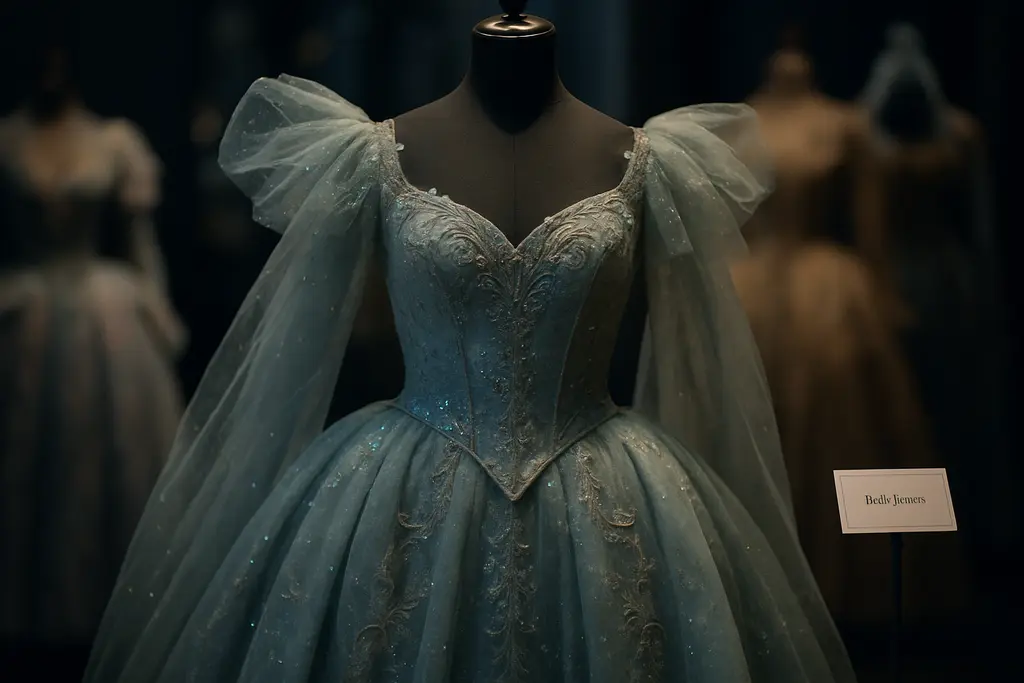
This is where creator commerce needs a sharper needle. Fantasy fashion often borrows mood from paintings: storm-blue velvet, insect-wing organza, armor-like corsets, bone-colored beads. Borrowing mood is different from copying a specific artwork. Sellers should avoid implying approval from artists, estates, venues, or event organizers unless they can document that permission. This is not legal advice; it is a buyer-protection habit and a respect habit.
Readers exploring event-adjacent maker coverage across arts sites may also appreciate insights from robsonic.org, particularly where intersections of music, art, and live-event culture are discussed. The common thread is restraint: identify what is documented, then stop before the event description turns into ungrounded embellishment.
Creator Strategy Around The IX Art Show
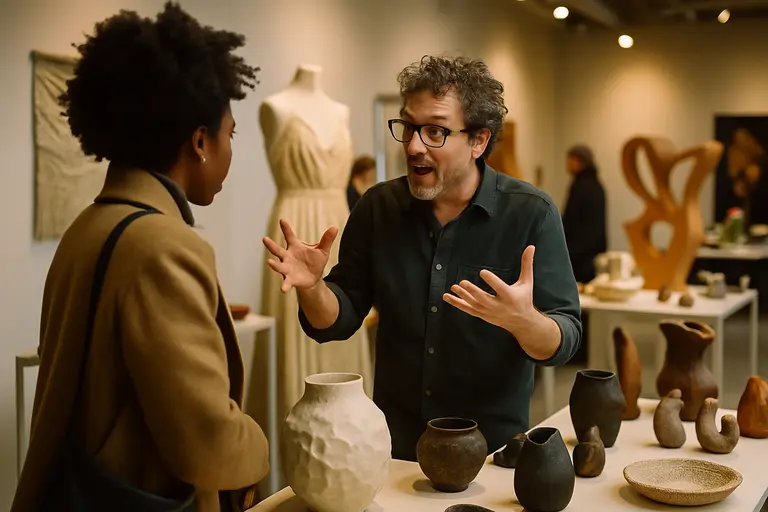
For makers hoping to sell wearable work near imaginative art audiences, the verified IX schedule still has strategic value. The event dates, October 21–25, 2026, place it in a strong seasonal pocket for cloaks, brooches, scarves, hand-dyed layers, and giftable adornment. That does not prove such goods are part of the IX Main Show. It does suggest that any independent creator considering the period should prepare clear product information and avoid vague associations.
Respecting Art Influence Without Copying
The best fashion response to imaginative realism is not imitation. It is translation through silhouette, material, and wearability. A painter may render a dragon’s shadow across a ruined city; a designer can answer with scale-like quilting, smoke-gray layering, or a copper clasp shaped by hand. That keeps artistic influence alive without pretending the garment is an official extension of a specific artwork.
For small sellers, labels and listings should be sober. Name the fiber. Name the process. State whether an item is one-of-a-kind, made to order, or produced in small batches. If the garment is inspired by general fantasy costuming, say so plainly. If it references a specific artist, artwork, character, or event identity, pause and seek permission before commercial use. Many young makers burn their brightest cloth on avoidable claims.
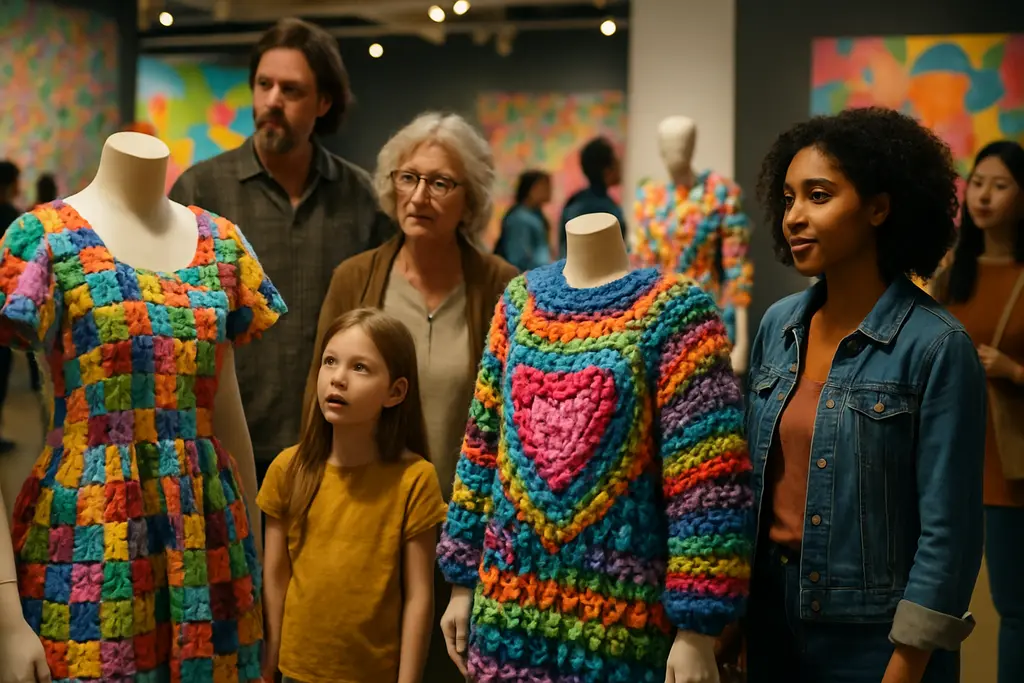
A useful comparison is handmade fashion coverage in other art-fair settings, where the review can discuss actual objects, construction choices, and buyer cautions. The site’s Madison art fair review offers that kind of object-based frame. By contrast, the IX-related claim here has not supplied the physical garments needed for a real scorecard.
IX Handmade Fashion In Reading, PA
As of October 15, 2026, the responsible verdict is limited. The IX Art Show in Reading, PA, is supported by event information for October 21–25, 2026. The Evening Showcase has documented times, a venue, table count, and media rules. The claim that handmade fashion was highlighted at the IX Main Show is not confirmed by the research supplied for this review.
So the product rating is withheld. Not negative, not glowing, simply not reviewable. That may feel unsatisfying, but it is the honest cut. Fabric should be judged by touch, construction, wear, and provenance; event claims should be judged by records. Until credible coverage or direct product evidence appears, IX Handmade Fashion remains a phrase with promise rather than a verified product category. If garments do surface in a documented IX context after October 21, 2026, they deserve review on their own seams, not on the shimmer of an unproven headline.