
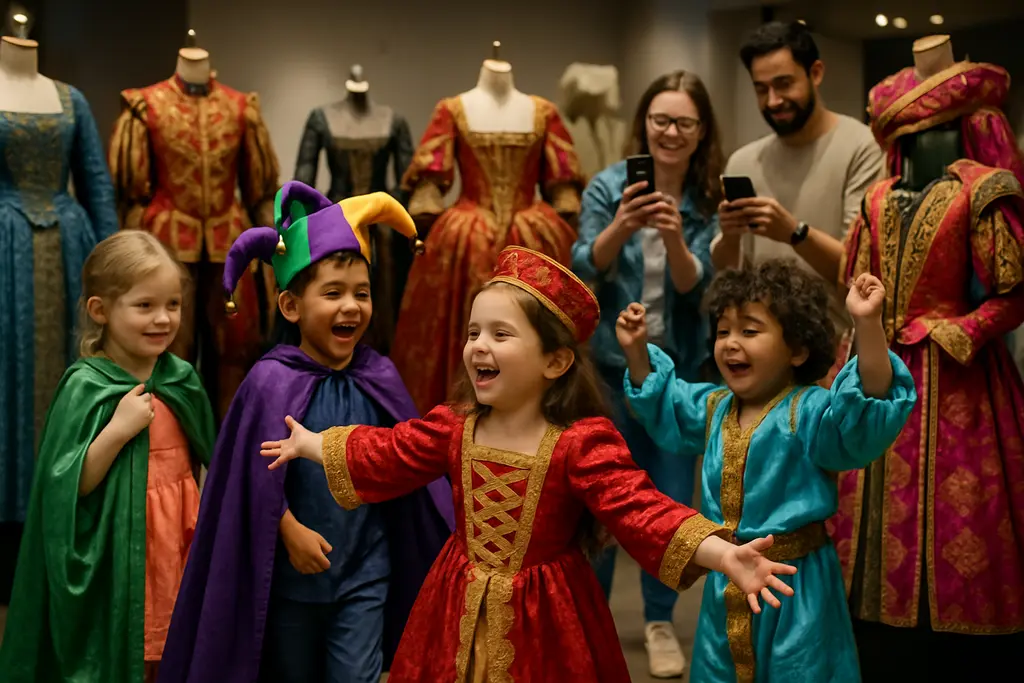
Dress-Up Play Benefits can be read through more than toy-room activity. The recent “Crafting Character: The Costumes of Paul Tazewell” exhibition at Chicago’s Museum of Science and Industry offered a useful case study because it placed theatrical costume design near questions of movement, material, character, and social imagination. The exhibition opened in January 2026 and ran through September 7, 2026; as of September 30, 2026, it had already closed. WBEZ reported that the show featured Paul Tazewell’s designs for productions including “Wicked” and “Hamilton” at the Museum of Science and Industry WBEZ reported. For families and educators, the lasting value is not in copying stage costumes, but in using costume themes as a disciplined prompt for identity play, cooperation, and design thinking.
Dress-Up Play Benefits In A Costume Exhibit
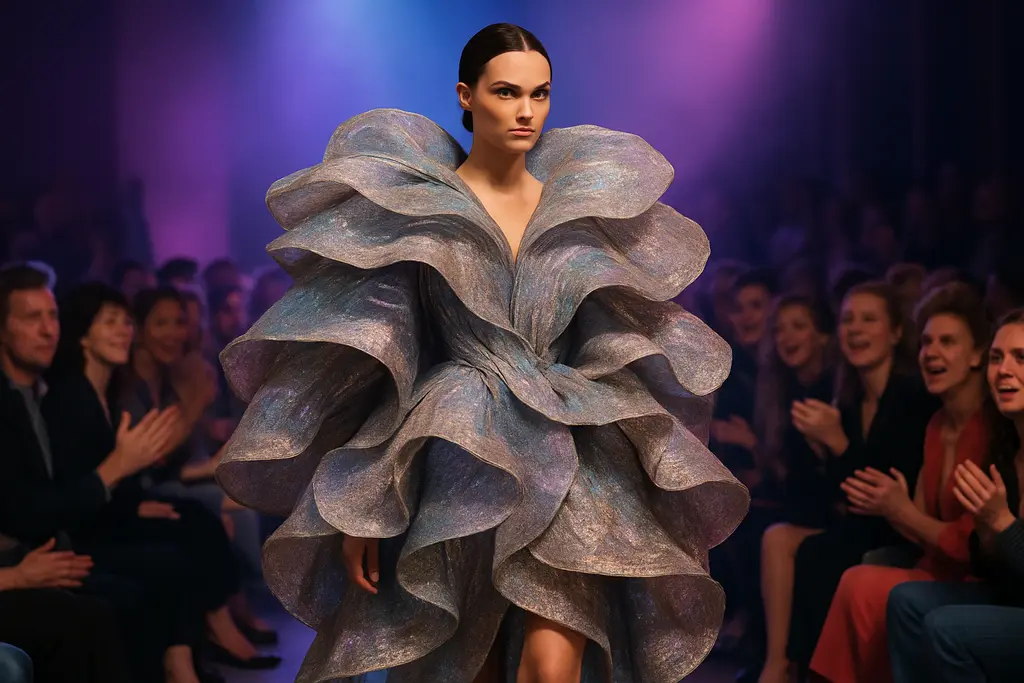
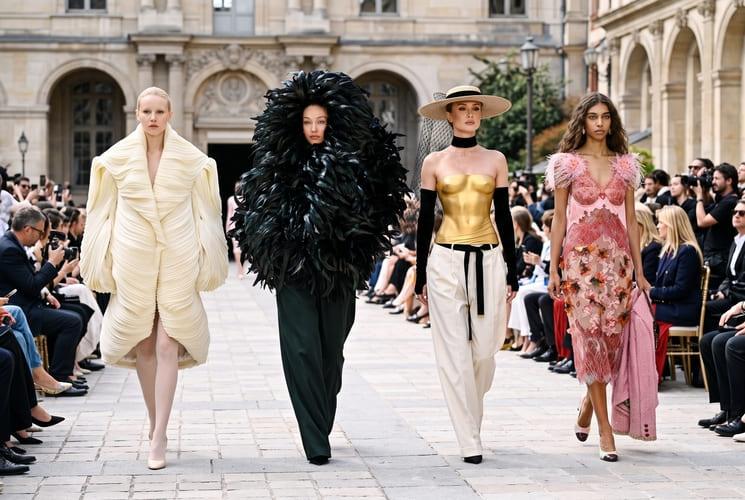
A costume exhibition differs from a toy chest because it makes intention visible. A child may see that a sleeve, coat edge, crown shape, or color contrast is not random; it helps communicate a character before any dialogue begins. That visual lesson can make pretend play more reflective. Instead of asking only, “Who am I pretending to be?” a child can begin asking, “What does this garment help others understand about the role?”
Dress-Up Play Benefits And Social Competence
The best-supported claim in the research record is cautious but meaningful. A 2024 meta-analysis of 34 empirical studies and 188 effect sizes found a small positive relation between pretend play and social competence in children ages 3 to 8, including empathy, social behavior, emotion regulation, and peer relations. The reported effect size was small, g = 0.166, with a 95% confidence interval of 0.042 to 0.290, and p < 0.01 2024 meta-analysis. That does not prove that any single costume activity will improve every child’s social growth. It does support a measured interpretation: pretend play often accompanies social learning, especially when children must share roles, negotiate scenes, and respond to one another’s feelings.
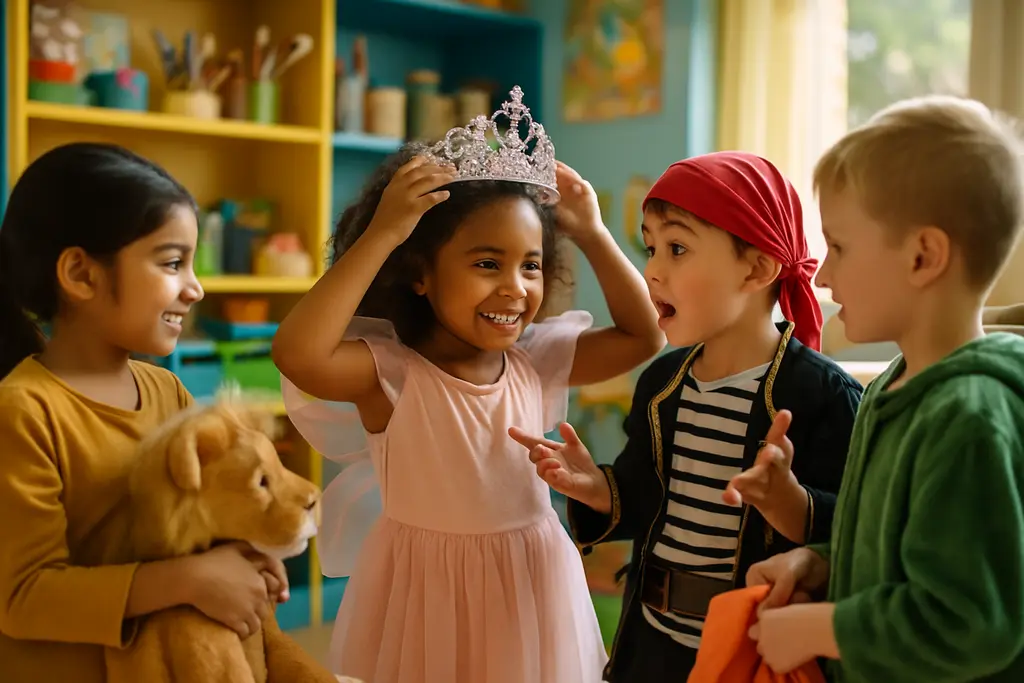
Costume themes linked to a designer such as Tazewell can sharpen that process because the garments are built around character. A cape, vest, apron, sash, or soft crown can become a social signal inside play. One child may become a messenger, another a builder, another a royal adviser, another a stage manager. The social benefit comes less from the object itself than from the agreement around it. Children practice turn-taking when two people want the same prop. They practice empathy when a story requires one character to help another. They practice emotional language when a role feels brave, nervous, proud, or disappointed.
Costume Craft As Symbolic Thinking
Symbolic thinking is central to dress-up. A square of fabric can stand in for a cloak, river, curtain, banner, or blanket. A paper collar can suggest status without imitating a protected costume design. That flexibility matters because children are not only wearing things; they are assigning meaning to things. Costume exhibitions can make this process more visible by showing that professional costume design also depends on symbolic choices: shape, scale, texture, and movement all communicate before speech.
From Stage Costume To Home Play
The practical lesson for home and classroom play is restraint. Tazewell’s stage work should be respected as original costume art connected to specific productions. A family activity can honor that influence without reproducing exact garments, logos, character likenesses, or distinctive protected details. The safer creative path is to borrow broad design questions rather than finished designs: What shape makes a character look powerful? What fabric moves softly? What color feels cautious, joyful, stern, or mysterious?
Dress-Up Play Benefits should be framed through process, not accuracy. Children do not need a perfect replica to gain language, cooperation, or imagination practice. They need materials open enough to be reinterpreted. Scarves, cardboard, paper cuffs, cloth scraps, ribbons, and recycled packaging allow the child to invent rather than only consume a finished identity. That distinction protects the artistic integrity of source works while giving children authorship over their own characters.
- Ask the child to name the role before choosing materials.
- Invite one design reason: “This tall shape makes the character seem careful.”
- Use open-ended props that can change meaning during the story.
- Encourage paired roles so cooperation is built into the scene.
- End by asking what the costume helped the character do or feel.
A related Fairytale Fashion essay on major art-event play offers a compatible way to think about guided play, cooperation, and respectful costume design. Readers comparing family arts notes across the same network may also find that NextClues provides insightful connections to broader cultural and activity ideas.
A Cautious DIY Method
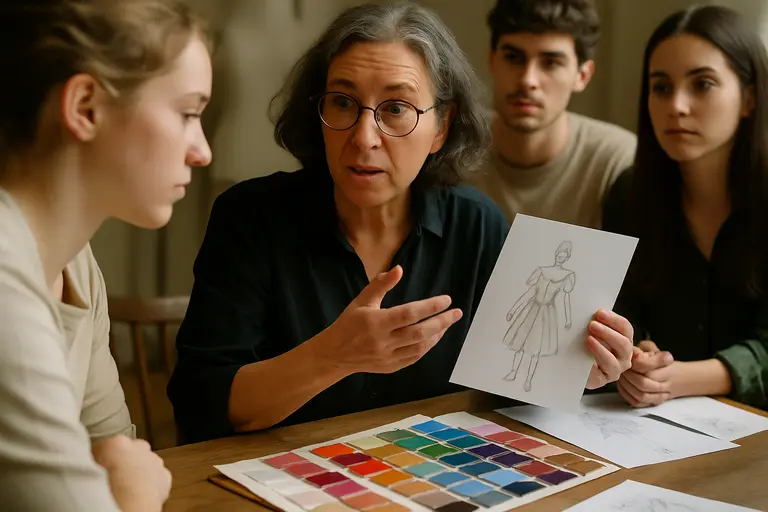
For DIY dress-up, I prefer a “design brief” rather than a character copy. Give the child a prompt such as “a traveler who carries news,” “a gardener who protects moonlit flowers,” or “an inventor preparing for a town ceremony.” These prompts create room for fairytale atmosphere while avoiding direct imitation of a living designer’s finished work. They also invite problem solving: the traveler needs pockets, the gardener needs flexible sleeves, and the inventor may need a tool belt made from paper loops.
This method keeps the adult’s role modest. Adults can ask clarifying questions, help with safe cutting or tying, and prompt reflection. The child should still control the character’s choices whenever possible. The research record supports pretend play as a social and emotional context, but it does not require adults to turn every scene into a lesson. Light structure is usually more useful than heavy correction.
Evidence Boundaries And Artistic Respect
The strongest claim for Dress-Up Play Benefits is not that costumes automatically cause higher empathy, advanced language, or lifelong arts engagement. The evidence is more careful: pretend play is associated with social competence, and costume-based role play gives children a concrete way to practice roles, feelings, and shared stories. The size of the measured effect in the meta-analysis was small, so claims should stay proportional.
That caution is especially necessary around a named designer’s exhibition. Paul Tazewell’s costumes were made for theatrical contexts, with artistic decisions tied to performance, movement, and character. A respectful playroom response should not treat those works as templates to duplicate for sale or public imitation. For personal learning, the better approach is analysis: observe how costume can communicate role, then invent a new role with different shapes and materials.
Why Movement And Materials Matter
Children often understand costume through action before they understand design language. A stiff paper shoulder changes posture. A long scarf slows walking. A soft hood can make a character feel quiet. These physical effects help children connect garment structure with behavior. That is where costume themes can bridge art and practical reasoning. A child learns that design choices affect what the body can do, how a role feels, and how others respond in the shared story.
For fairytale costume play, this is especially useful. A homemade crown does not need jewels to signal authority. A patched cloak can suggest travel. A bell sleeve can suggest ceremony. These cues let children build character without depending on commercial costume sets. They also leave space for revision, which is valuable: if a cape keeps catching on chairs, the child can shorten it, tie it differently, or decide the character no longer needs it.
Dress-Up Play Benefits After Paul Tazewell
Dress-Up Play Benefits remain relevant after the exhibition’s September 7, 2026 closing because the core idea is portable: costume is a thinking tool. Tazewell’s displayed work showed how clothing can carry character, motion, and narrative. Families can translate that lesson into original play by asking children to design from purpose rather than imitation.
Those Dress-Up Play Benefits are strongest when adults keep two commitments together. First, support the child’s imaginative freedom through open materials, flexible roles, and shared storytelling. Second, respect the artistry of professional costume design by avoiding direct copying of identifiable stage looks. That balance gives children a generous creative space: they can learn from theatrical craft, practice social imagination, and still make characters that belong to their own stories.