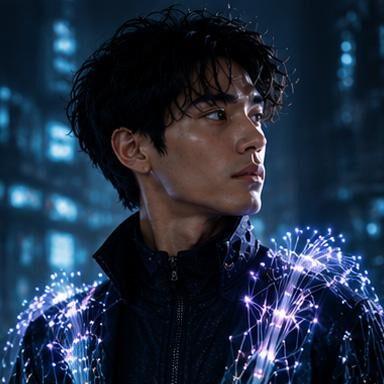
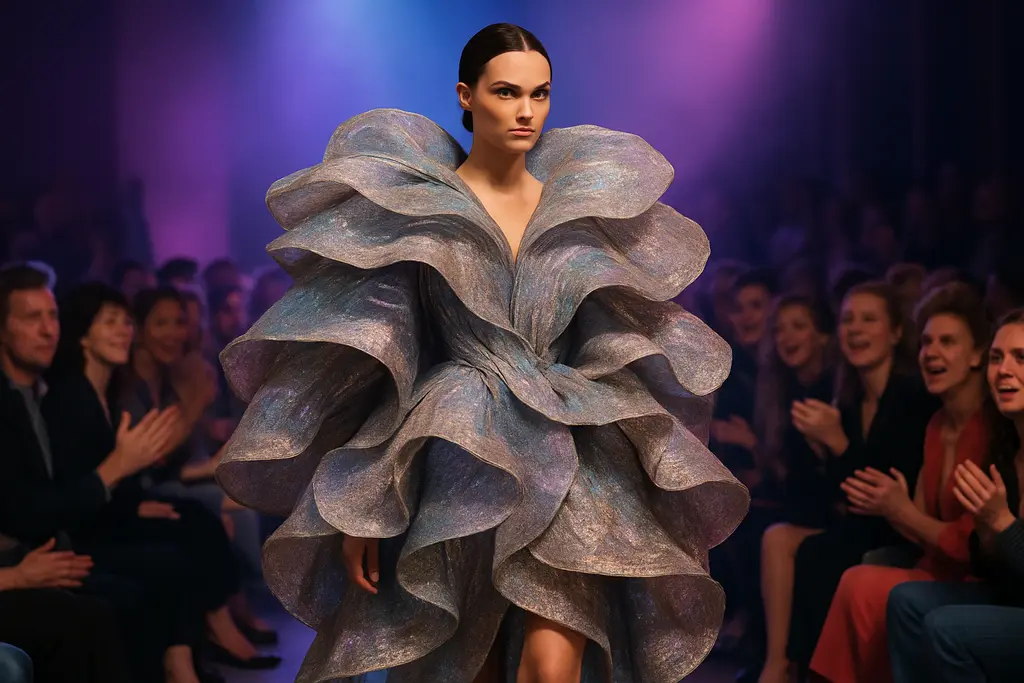
Fantasy runway trends in Fall/Winter 2026 did not operate as simple escapism. Across the concluded January, February, March, and July 2026 shows cited in recent fashion reporting, designers used fantasy and surrealism to question the body, reframe craft, and turn runway staging into narrative space. The strongest work did not flatten storybook references into costume copies. It treated fairy tales, dream imagery, and strange materials as design systems: a heel could become a pea pod, a gown could expand into a cocoon, and fabric could behave as if it were caught between sculpture and clothing.
Fantasy Runway Trends And The Rewritten Body
Fantasy Runway Trends In Couture Detail
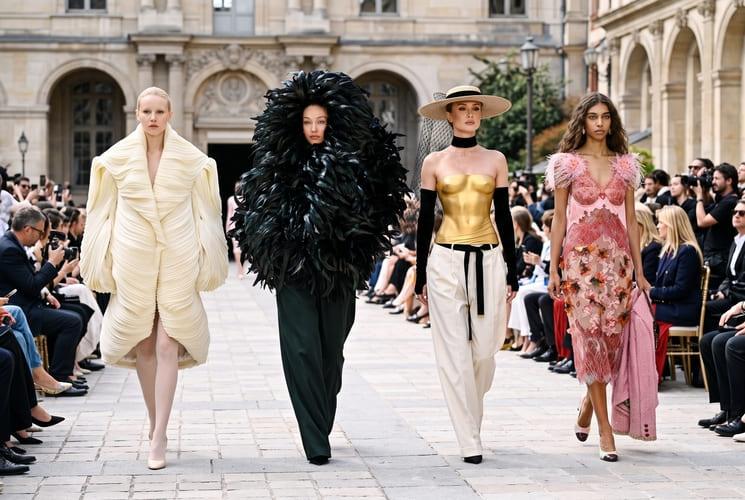
The clearest shift appeared during Paris Haute Couture Week in July 2026. AP described the week as involving about 30 couture houses and identified several shared impulses: bodies that vanished or were remade through shells, cocoons, and exaggerated shapes; fantasy elements with commercial potential; and a renewed focus on hand-craft beside digital or material experimentation AP couture analysis. That framing is useful because it separates spectacle from design logic. The fantasy did not sit on top of the garment as decoration. It altered the outline of the wearer.
Balenciaga’s Fall/Winter 2026-27 couture presentation under Pierpaolo Piccioli, his first couture collection for the house, used ballooning gowns, hooded feather cocoons, and a finale with Gigi Hadid engulfed in rooster feathers. The effect depended on scale and concealment. A body was still present, yet it appeared absorbed into a creaturely volume. In dress-up terms, this is one reason the season matters: costume does not always need a literal character. A silhouette can create myth without naming a source.
Schiaparelli’s July 6, 2026 Paris couture show under Daniel Roseberry took a different path. The reported materials included baked fish scales, pools of paint set into sheets, and silicone molded by hand. Those choices matter because surrealism often becomes most persuasive when an impossible idea has physical weight. The garment does not merely depict the strange; it makes the strange touchable. This is a key lesson for fairytale costume design: material behavior can carry the fantasy as much as color, pattern, or crown-like ornament.
Cocoons, Shells, And The Question Of Wearability
The body-remaking current also raises a practical issue. Fantasy runway trends can be visually forceful while remaining difficult to translate into daily clothing or amateur costume. A hooded feather cocoon or ballooning couture gown requires construction skill, controlled movement, and venue awareness. That does not reduce its artistic value. It simply means that runway fantasy should be read on its own terms before being adapted. A maker can study proportion, volume, and surface treatment without copying a house’s specific design.
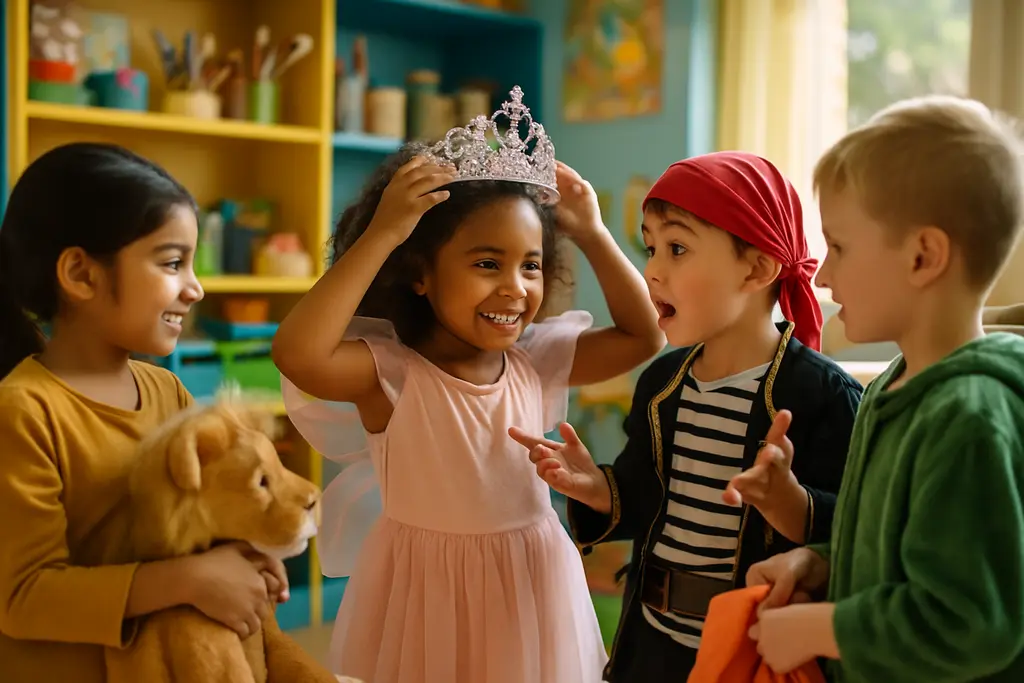
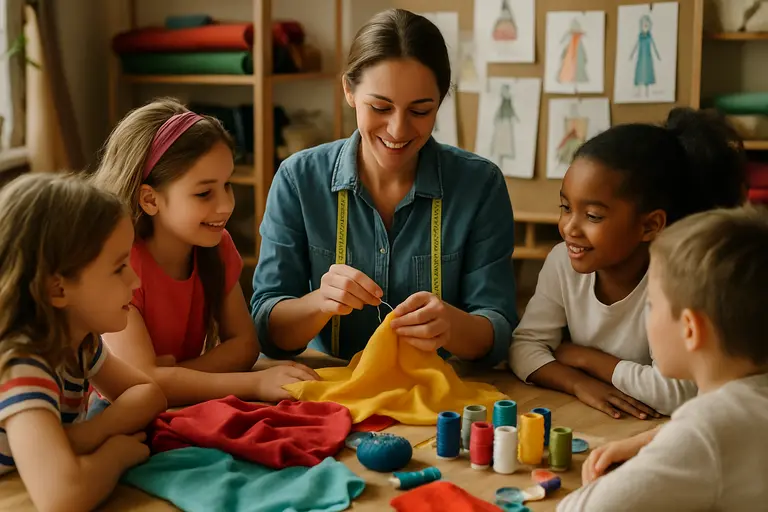
For DIY dress-up, the useful translation is structural restraint. A childlike storybook cue can become one oversized collar, one sculptural sleeve, or one textured accessory rather than a full replica of a runway look. This approach respects the original work and avoids reducing couture to a craft template. It also keeps wearability in view: costumes need to move, sit, and survive use outside the controlled pace of a runway.
Storybook Couture Without Literal Replication
Chanel’s Fantasy Garden As Reference Structure
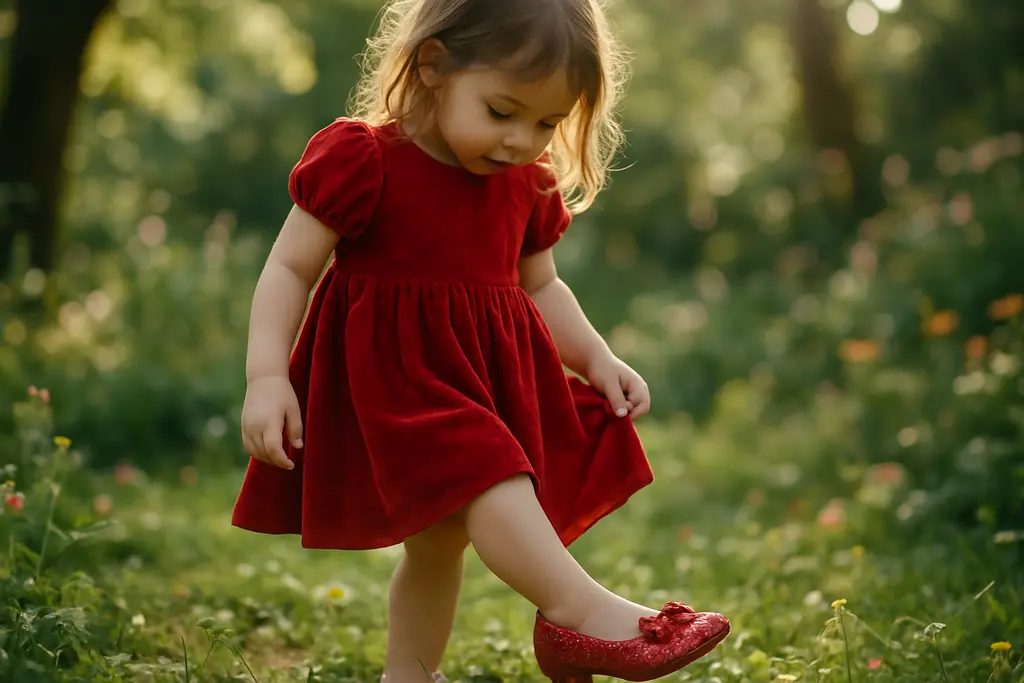
Chanel’s July 2026 couture presentation under Matthieu Blazy was widely framed as a “fantasy garden,” with references linked to storybooks including Jack and the Beanstalk and Goldilocks and the Three Bears. Reported details included carved heels shaped like pea pods, animal-shaped buttons, and set design evoking fairy-tale narrative space Mint on couture trends. The important point is not that Chanel reproduced a story. The collection used recognizable motifs as cues inside a larger couture structure.
That distinction protects the artistic integrity of both the fashion house and the tales being referenced. A pea pod heel signals scale, growth, and whimsy without needing to reproduce a full storybook scene. An animal-shaped button can act as a small narrative hinge. In costume design, these micro-details often work better than a literal head-to-toe character build because they invite interpretation rather than demanding identification.
For readers tracking related fairytale cues, our earlier analysis of the Fall 2026 couture fairytale aesthetic offers a closer look at how Chanel and Robert Wun fit into a broader fantasy conversation. The same caution applies here: runway references are best treated as study points, not as instructions to reproduce protected designs, characters, or brand signatures.
Nostalgia, Childhood, And Controlled Strangeness
Trend reporting after the Fall/Winter 2026 shows noted a broader appetite for fairy-tale fashion, with designers drawing from childhood cartoons, mythic narratives, surreal motifs, and nostalgic stories. The research supplied for this article names Robert Wun, Chanel, and Viktor & Rolf in that current, while also noting that garments were functioning more like immersive storytelling than ordinary clothing. Because those reports are summarized rather than fully sourced here through approved links, the safe reading is cautious: the evidence points to a visible couture current, not a universal rule for all fashion.
Christian Siriano’s New York Fashion Week show in February 2026 gives another angle. The research notes that Siriano invoked “a fantasy dream, maybe like a Dali painting,” supported by surreal hair shapes, theatrical silhouettes, and decorative flourishes. That reference matters because it links fashion fantasy to dream distortion rather than medieval or storybook imagery alone. Fantasy runway trends in 2026 were not limited to princess codes, woodland motifs, or antique romance. They also included warped proportion, uncanny styling, and dreamlike staging.
Surreal Materials And Stagecraft
Technology As A Form Of Enchantment
Iris van Herpen’s July 2026 couture work, according to the provided research, pushed technological experimentation by sending a dress through a particle accelerator, freezing it, and incorporating lightning discharge on stage. The description places the show between couture, art installation, and scientific spectacle. For fashion criticism, that matters because it shifts fantasy away from folklore and toward process. The wonder is not only in what the garment looks like, but in how it came to exist.
This is where the season’s surrealism becomes especially serious. A strange garment can be dismissed as theatrical if judged only by wearability. But if a designer is using unusual material treatment, performance, or scientific process, the garment also becomes evidence of research. Fantasy runway trends here are less about dressing as a magical being and more about making fabric behave as if physical laws have been slightly interrupted.
Issey Miyake’s “Creating, Allowing” collection, shown in Paris on March 6, 2026, offered a quieter version of that same question. The supplied research cites voluminous silhouettes, fabric bending across the body, and rigid bodices formed by lacquered washi paper on 3D molds. Rather than staging fantasy through obvious fairy-tale signs, the collection placed tension between handcraft, structure, and the moving body.
Immersion Beyond Costume
Not every surreal runway relied on fantasy garments. Louis Vuitton’s Fall/Winter 2026 menswear show under Pharrell Williams took place in Paris on January 20, 2026, and was staged as a cinematic spectacle, with models entering a glass apartment-like set as performers, accompanied by a gospel choir and full orchestra. The research frames this as surreal immersion rather than literal fantasy costuming. That distinction is useful: atmosphere can reshape how clothing is read even when the garments themselves are not overtly storybook-based.
Ralph Lauren’s February 11, 2026 Fall 2026 show in New York took another route, blending romantic pastoral fantasy with metallic edge. The research notes earth tones, Victorian-inspired romantic tops, cloaks, chain-mail details, silvery embellishments, and landscape-like backdrops. Here fantasy worked through a language of armor, myth, and Western romantic codes. For dress-up makers, the lesson is that contrast can prevent fantasy styling from becoming flat. Soft fabric and metallic trim, cloak shapes and chain-mail references, pastoral mood and protective detail can coexist without naming a single fictional character.
Craft Lessons For Dress-Up Makers
Adapt The Principle, Not The Signature
The most responsible DIY response to Fall/Winter 2026 is not imitation. It is translation. A maker can examine how a couture house used scale, texture, enclosure, or narrative detail, then build an original costume language from those principles. For example, a pea-pod heel suggests organic carving and playful proportion. It does not require copying Chanel’s exact object. A feather cocoon suggests shelter and creaturely softness. It does not require reproducing Balenciaga’s finale look.
This distinction is especially relevant for creator commerce. Selling handmade costume pieces inspired by broad ideas such as fairy-tale gardens, dream distortion, or protective cloaks is different from presenting a product as a replica of a named designer look or recognizable protected character. This article is not legal advice, and rights questions depend on specific facts, markets, and jurisdictions. Still, cautious creators should avoid using brand names, celebrity likenesses, or exact runway designs to imply endorsement or authorization.
- Use broad motifs: gardens, shells, cocoons, clouds, armor, storybook scale.
- Change the construction language: shift from heel to headpiece, button to brooch, or gown volume to cape shape.
- Prioritize comfort: theatrical silhouettes need weight control, visibility, and movement tests.
- Credit influence honestly without claiming affiliation with a house or artist.
For a deeper dive into themes of style, media, and creative analysis, Robsonic offers a related exploration in the same network.
Fantasy Runway Trends As Dress-Up Language
What Fall/Winter 2026 Leaves For Costume Culture
The Fall/Winter 2026 season showed that fantasy and surrealism can reshape fashion without reducing garments to novelty. Chanel used storybook codes as couture detail. Schiaparelli stressed tactile distortion. Balenciaga expanded the body into theatrical feathered form. Iris van Herpen treated process as enchantment. Issey Miyake used structure and craft to make fabric feel unsettled. Louis Vuitton showed that staging can create surreal immersion, while Ralph Lauren folded pastoral romance into metallic armor cues.
For costume culture, the value lies in reading these shows as visual arguments. They suggest that a fairytale look can be built through proportion, material, staging, and restraint. Fantasy runway trends are strongest when they create a new design grammar rather than simply borrowing a recognizable tale. That is the useful legacy of Fall/Winter 2026 for dress-up play: fantasy can be handmade, analytical, and original at the same time.