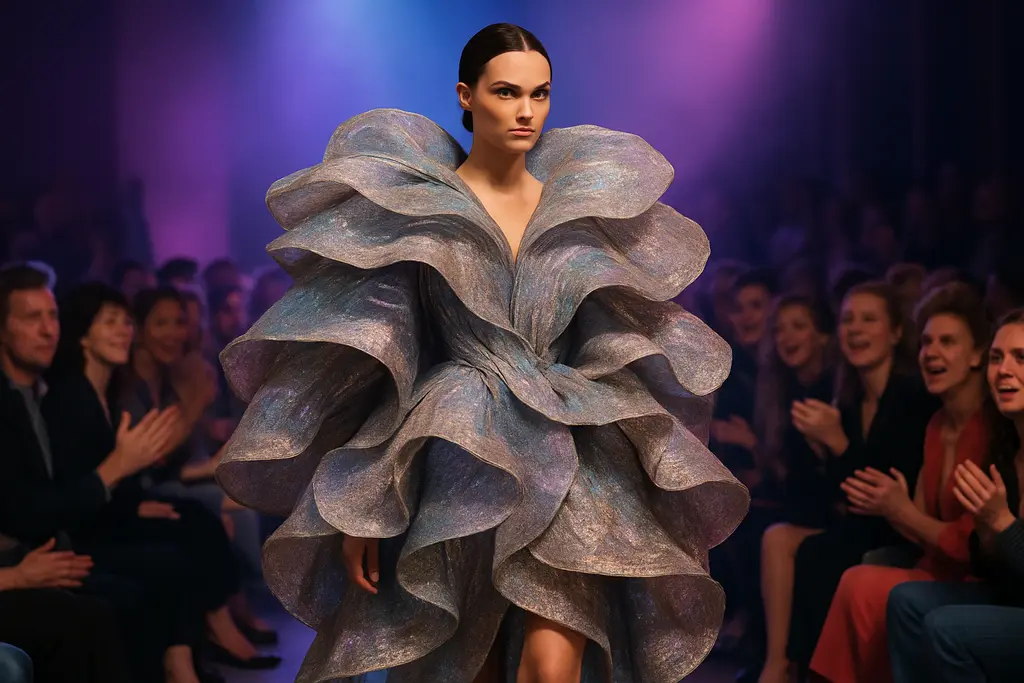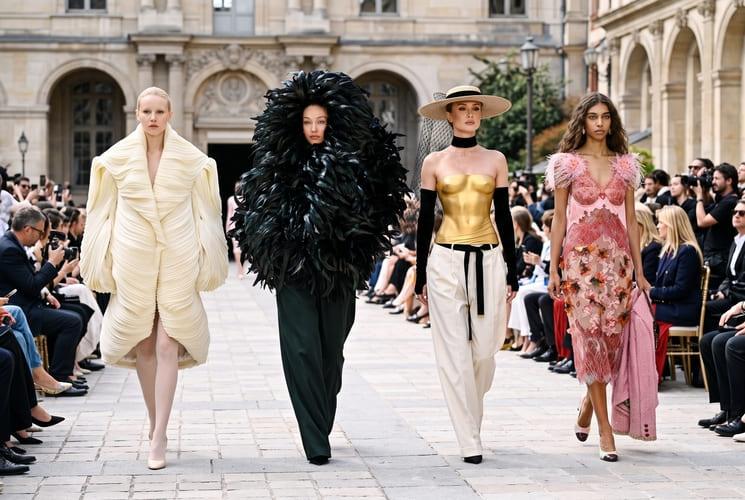


Paris Fashion Week dictates the aesthetic direction for the entire global industry. The garments worn outside the venues carry as much influence as the collections shown on the official runway. Editors, buyers, and influencers treat the sidewalks as a live canvas for sartorial experimentation. The most recent season delivered a masterclass in contrasts. Polished workwear clashed with full denim ensembles. Classic beige trench coats shared the pavement with experimental fantasy pieces. The resulting aesthetic favored a highly controlled visual chaos.
Showgoers ignored predictable seasonal formulas. They built outfits based on strong character narratives and precise proportions. Tailoring remained a constant factor across the board. The execution featured softer fabrics and relaxed lines rather than rigid construction. The contrast between formal and casual elements defined the week. The most photographed attendees layered oversize leather bombers over delicate lace. They styled sequins for daytime wear using utilitarian outerwear. Structured wool trousers paired seamlessly with basic cotton knits.
Deconstructed Office Wear Takes Over The Pavement
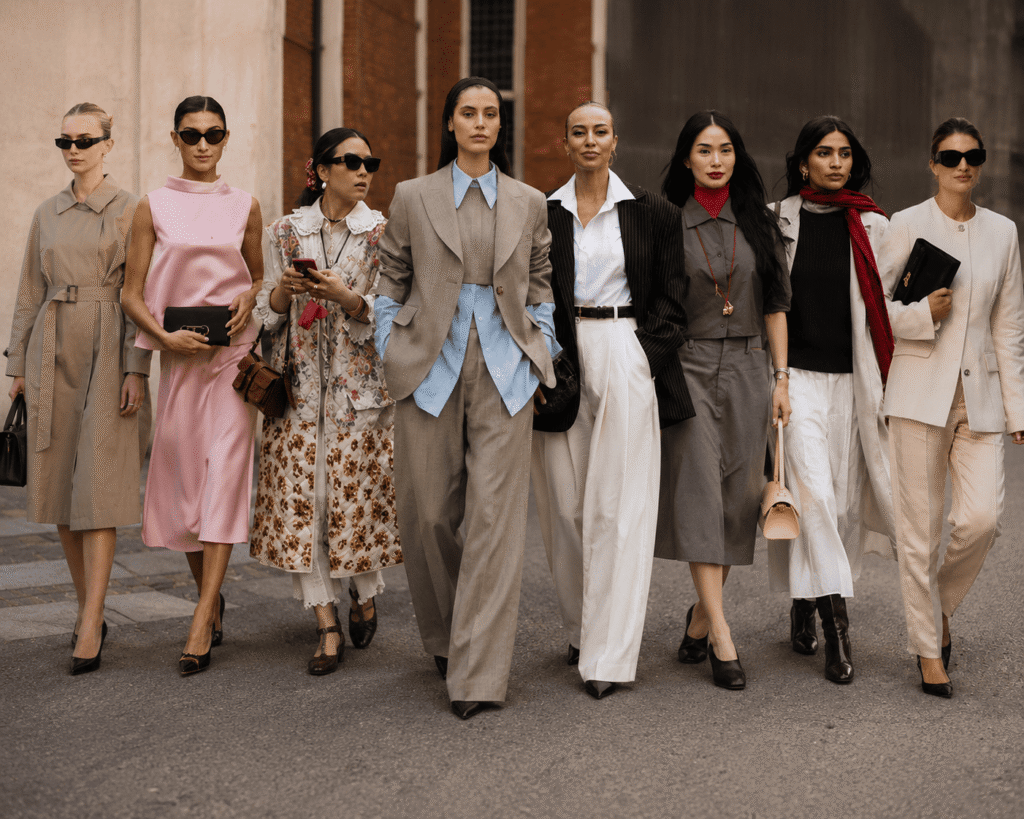
Corporate attire received a massive upgrade outside the main venues. Attendees proved traditional office uniforms require a serious reevaluation. Basic blue poplin shirts appeared in unexpected configurations. Some wore them completely unbuttoned over ribbed tank tops. Others layered them under heavy textured knits with just the crisp collars showing. The traditional two-piece suit fractured into separate, highly versatile components.
Statement ties emerged as the most surprising accessory of the season. The fashion set smartened up their ensembles with heavily patterned silk neckties and solid black satin variations. Some guests styled these ties classically with oversized tailored trousers. Others subverted the traditional menswear accessory entirely. They paired wide ties with nylon windbreakers and glossy leather car coats. This approach transformed a rigid corporate staple into an expression of detached coolness.
The general approach to tailoring prioritized movement and comfort. Boxy blazers featured dropped shoulders and extended hemlines. Waists remained defined without feeling restrictive. The Paris fashion week trends this season confirm a permanent shift away from tight, restrictive suiting. Comfort dictates the modern luxury uniform.
Volume And Proportion Shift Downward
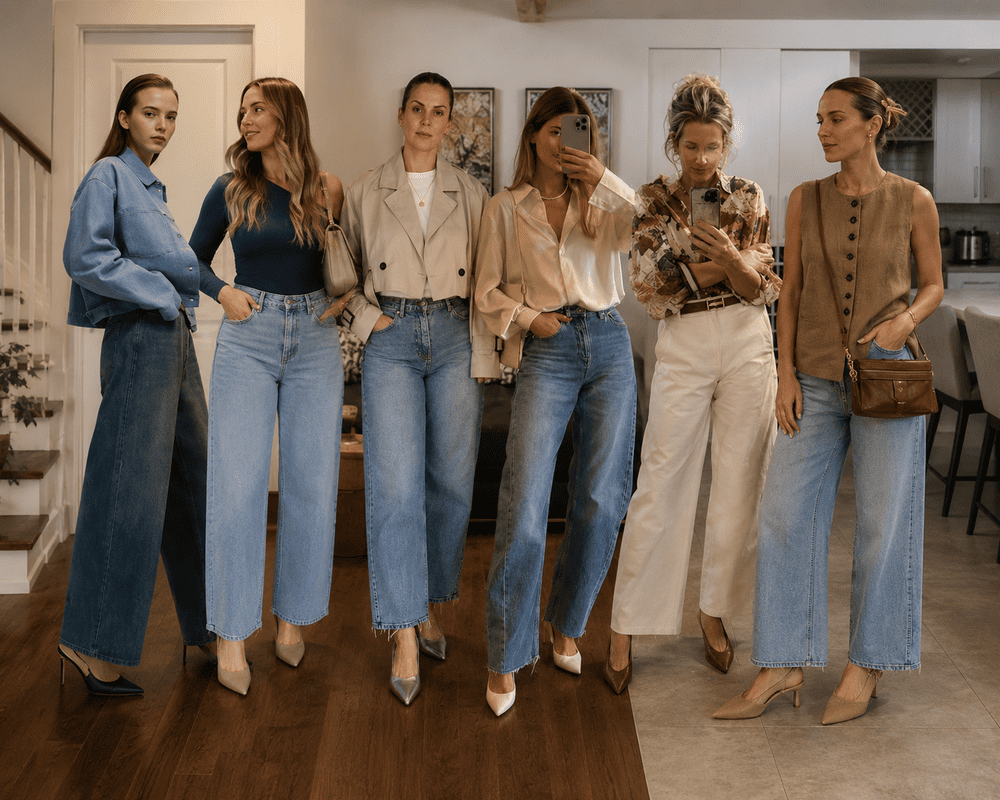
The street style crowd fully embraced voluminous silhouettes. The skinny jean revival failed to materialize on the Parisian streets. Balloon and barrel-leg trousers dominated the lower half of almost every successful outfit. These wide, curved cuts balance drama with wearable structure. The exaggerated shapes require specific styling techniques to maintain visual proportion.
Many attendees wore their balloon pants tucked neatly into structured knee-high leather boots. This styling trick tames the volume at the ankle and creates a distinct, military-inspired profile. Other guests elevated their wide trousers with elegant kitten heels or sharp pointed-toe pumps. The contrast between a massive, flowing trouser and a delicate shoe creates immediate visual interest.
| Trouser Style | Preferred Fabric | Footwear Pairing |
| Barrel-Leg | Heavy Cotton Canvas | Pointed-Toe Kitten Heels |
| Wide Balloon | Pleated Wool-Blend | Leather Knee-High Boots |
| Fluid Wide-Leg | Draped Silk Crepe | Sleek Leather Loafers |
Denim followed the exact same trajectory. Wide-leg jeans in dark indigo washes replaced lighter, distressed styles. The preferred denim silhouette falls straight from the hip and puddles slightly over the shoe. This relaxed fit pairs perfectly with the structured jackets and tailored shirting favored by the fashion set.
The Return Of Structured Outerwear
Outerwear dictated the success of most daytime outfits. From October through March, a coat serves as the primary visible garment on the street. The fashion crowd packed their suitcases with highly architectural jackets. The funnel-neck jacket secured the top spot as the must-have piece of the season. These jackets feature a stiff, high collar that frames the face and blocks the wind. Brands imagined them in cool-girl leather bombers, relaxed technical nylon, and cropped wool silhouettes.
Military-inspired jackets threatened a revival for several seasons. They finally broke through during this round of shows. Sharp shoulders and heavy brass buttons provided a strong counterpoint to the fluid trousers worn below them. The contrast between rigid, regimented outerwear and flowing bottoms creates a perfectly balanced look.
The classic trench coat proved its enduring relevance once again. The piece remains the ultimate versatile outerwear staple. Showgoers styled the trench in highly inventive ways. Some belted the coats tightly at the waist to create a severe, dramatic hourglass shape. Others let oversized versions hang open, exposing complex layers of knits and silk underneath. The trench serves as a reliable constant in a sea of experimental fashion.
Color Stories Rooted In Intentional Restraint
The Parisian street style scene typically relies on a strict diet of neutral shades. Black, charcoal grey, and camel formed the foundation of most outfits. The fashion set utilized color with extreme caution and deliberate intent. A lighter take on suiting brought unexpected shades of pale yellow and soft mint into the mix. These pastel tones felt fresh and optimistic against the grey city backdrop.
Red became the unexpected accent color of the week. Attendees reached for crimson and cherry tones to interrupt the sea of black garments. A bold red leather handbag or a bright silk scarf provided an intentional flash of color. Some simply relied on a stark red lip to elevate an otherwise understated, monochromatic look.
Cobalt blue served as the secondary accent color. Guests adopted an understated approach to this vibrant shade. They restricted the blue tones to small accessories and thin knitwear layers peeking out from under heavy wool coats. Using color in such a limited, controlled manner maximizes its visual impact.

Strategic Accessory Styling Defines The Season
Small details separated the good outfits from the truly great ones. The street style crowd demonstrated a masterclass in accessory manipulation. Printed silk scarves returned in full force. The styling extended far beyond simply tying them around the neck. Attendees draped them heavily over the shoulders. They looped them tightly around the waistlines of oversized trousers. They knotted colorful silk squares onto the handles of leather bags. This simple addition brings immediate flair and movement to a rigid outfit.
Footwear choices favored walkability without sacrificing elegance. Two-tone shoes appeared constantly outside the show venues. The style features a contrasting toe cap, often in black, against a neutral or metallic body. Ballet flats, slingbacks, and block-heeled pumps all received the two-tone treatment. This classic design grounds modern, avant-garde clothing with a touch of mid-century polish. You can track this specific footwear movement through detailed runway accessory analysis published by top industry voices.
The big-buckle belt secured its position as the season’s dominant hardware. Extra-wide belts featuring massive metallic buckles cinched the waists of floaty chiffon dresses and structured wool coats alike. The hardware adds a tough, industrial edge to romantic or classic silhouettes. Gold and silver jewelry remained chunky and prominent. Heavy chain bracelets and large sculptural hoop earrings finished off the most photographed looks.
Elevated Casual Meets Haute Couture Ideals
The lines between gym wear and high fashion vanished completely on the streets of Paris. Elevated casual dressing proved it requires just as much thought as a formal suit. The trick lies in mixing opposing elements with total confidence. A vintage pastel sweatshirt layered over a thin, sheer turtleneck creates a perfect transitional outfit. Pairing that same sweatshirt with inky wide-leg jeans and expensive leather lace-up loafers elevates the entire concept.
Sequins stepped out of the nightclub and onto the daytime pavement. The street style set favors a monochromatic palette to make high-shine pieces wearable before sunset. A silver sequined pencil skirt looks perfectly appropriate for a morning coffee run when styled with a simple grey crewneck sweater. Adding a utilitarian nylon bomber jacket over the sequins instantly neutralizes the glamour.
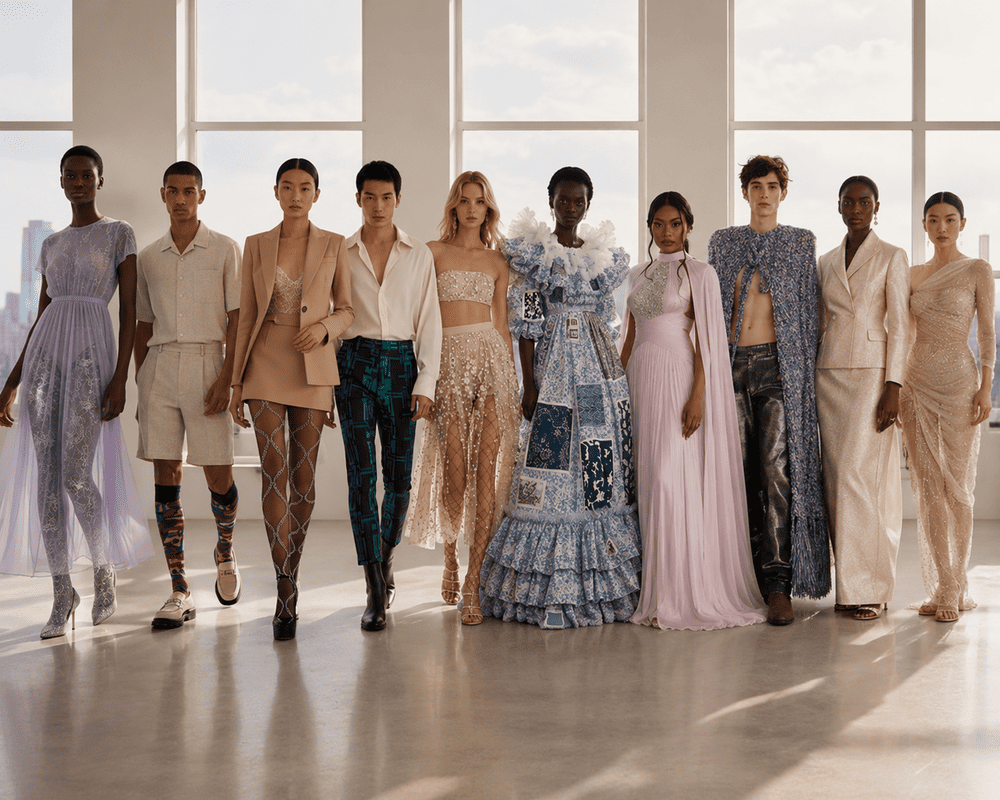
The peplum silhouette emerged quietly but firmly throughout the week. A waist-cinching leather jacket with a flared hem offers a sharp way to embrace the shape. The peplum creates an exaggerated feminine form. Pairing it with pleated cotton trousers or raw denim brings the look back to reality. The best street style from Paris Fashion Week relies entirely on this specific tension. Mixing the ordinary with the extraordinary creates a visual language that resonates far beyond the city limits.