
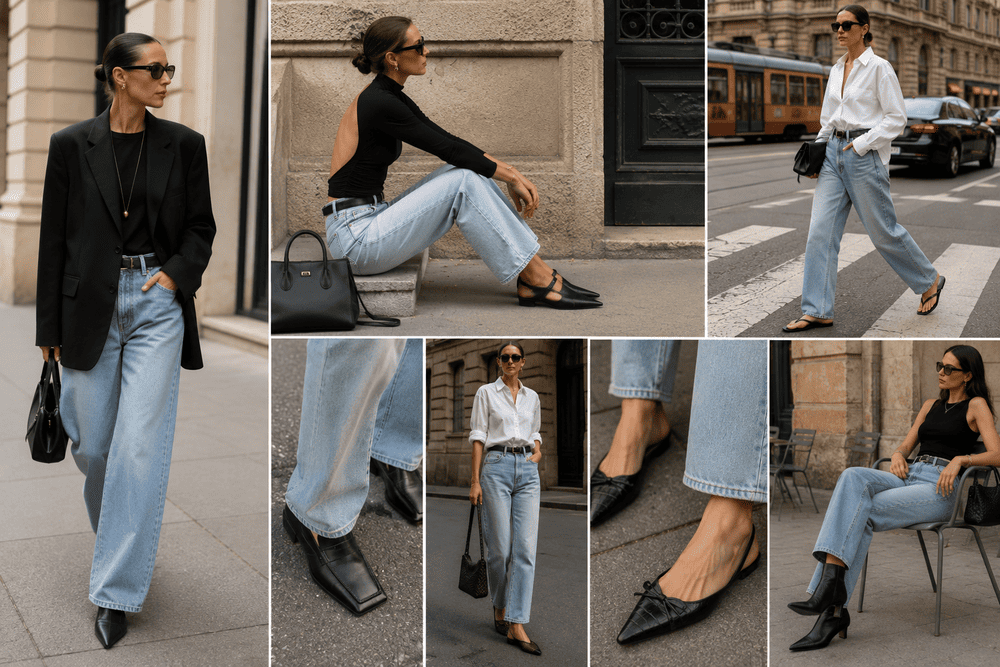
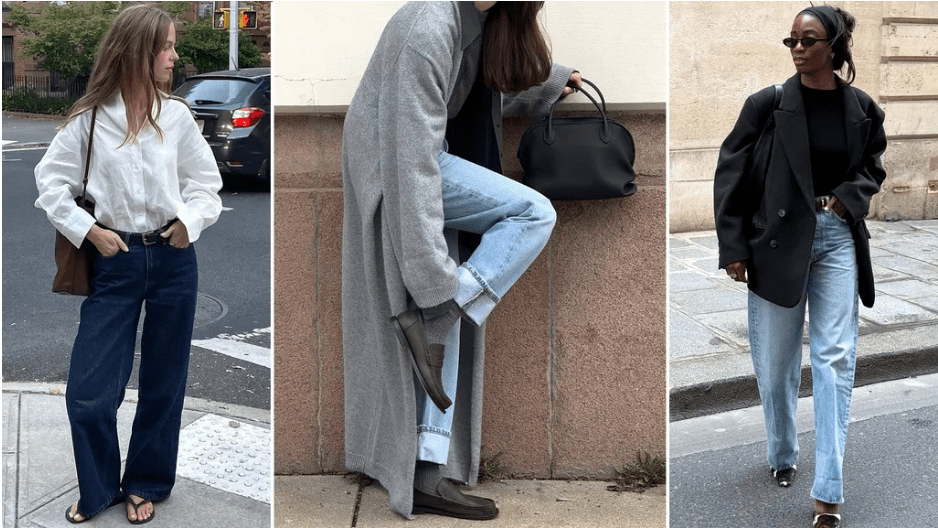
Spring fashion marketing insists that warmer weather requires open-toed shoes. Milanese women flatly reject this assumption. Walking through the Brera district in April or May reveals a completely different approach to seasonal dressing. The most stylish residents leave their sandals hidden in the closet until high summer. They reach for heavy, structured leather shoes instead. Pairing a thick leather loafer or a rigid brogue with relaxed, light-wash jeans creates a sharp visual friction. This specific combination forms the core of Italian spring dressing. It prioritizes architectural shape over predictable seasonal norms.
The tension between faded, casual denim and highly polished leather creates an incredibly sophisticated uniform. The look requires zero effort to maintain throughout the day. It offers total physical comfort and absolute sartorial authority. Building this outfit requires strict attention to the weight of the fabrics and the exact cut of the denim.
The Rejection Of Open-Toed Footwear
City streets destroy delicate footwear rapidly. Milan features miles of uneven cobblestones, heavy traffic, and unpredictable spring rain showers. Strappy sandals offer zero physical protection against these harsh urban elements. A thin leather sole degrades quickly under heavy daily use. Italian women prioritize utility and longevity in their luxury purchases. They refuse to ruin their posture or their expensive footwear for a fleeting seasonal trend.
The aesthetic argument against sandals carries equal weight. Exposing the foot creates a casual, unstructured finish to any outfit. Milanese style relies heavily on strict formality mixing seamlessly with relaxed elements. A sandal leans entirely casual, completely removing the necessary tension required for a highly calculated outfit. A closed, rigid shoe grounds the wearer securely. It adds a heavy visual anchor that prevents a breezy spring outfit from looking flimsy or cheap.
The Dominance Of The Structured Leather Loafer
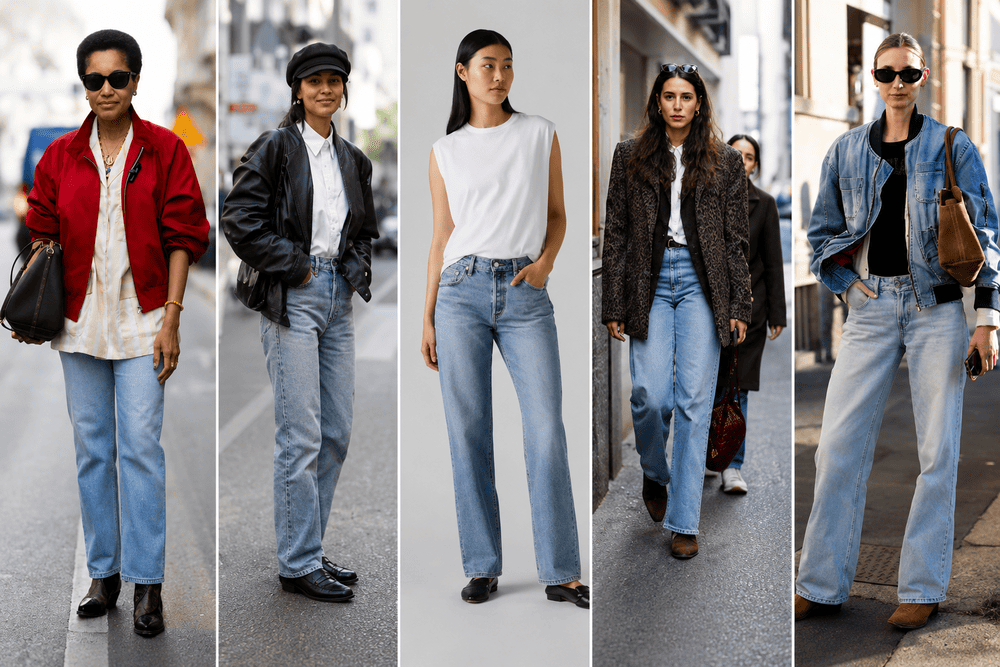
The chunky leather loafer acts as the absolute protagonist of this anti-spring movement. We see a massive departure from soft, unlined suede driving shoes. The current standard demands stiff box calf leather, exaggerated welts, and heavy rubber lug soles. The shoe must possess significant physical mass. This heavy weight acts as a deliberate counterweight to the lighter cotton fabrics introduced as temperatures rise.
The hardware on these loafers adds another layer of industrial sharpness. Thick metal horsebits, heavy silver chains, or simple, unbranded penny slots dictate the front profile of the shoe. A polished black loafer reflects the bright spring sunlight, drawing the eye directly down to the pavement. High-level fashion analysis from Vogue’s street style coverage confirms this exact preference for heavy footwear extending deep into the warmer months across all major European capitals.
Light-Wash Denim Requires Heavy Anchors
Light-wash jeans present a very specific styling challenge. The pale blue color inherently looks highly casual and relaxed. It mimics vintage, heavily worn manual workwear. Pairing pale denim with a light, flimsy sandal forces the entire outfit to collapse into pure weekend loungewear. The wearer loses all structural authority.
Introducing a heavy black or deep oxblood loafer instantly corrects this visual imbalance. The dark, formal shoe forces the casual denim into a highly elevated context. This exact combination defines the daily Milanese uniform. The physical friction between the faded, soft cotton and the polished, rigid leather creates perfect visual harmony. You can read more about balancing different fabric weights in our strict breakdown of spring styling formulas for the current season.
Proportions And The Perfect Trouser Break
The success of this anti-spring shoe trend relies entirely on the hemline. The way the denim interacts with the leather shoe determines the final presentation. Skinny jeans completely ruin the required geometry. The current standard requires a straight-leg or a slightly curved barrel-shaped cut. The denim must fall cleanly from the knee straight down to the instep.
The hem should hit exactly at the top of the loafer. A full break—where the denim pools heavily over the top of the shoe—looks sloppy and obscures the footwear completely. A severe crop that exposes the entire calf looks incredibly dated. The ideal length allows the front crease of the jean to rest lightly on the tongue of the leather shoe. This slight physical contact connects the two garments seamlessly. It elongates the leg line and maintains a continuous visual column from the hip directly to the sole.
| Denim Cut | Recommended Shoe Pairing | Aesthetic Result |
|---|---|---|
| Straight Leg | Chunky Lug-Sole Loafer | Highly structural, grounded daytime look |
| Barrel Leg | Sleek Pointed-Toe Brogue | Avant-garde, focuses heavily on volume contrast |
| Bootcut | Classic Leather Penny Loafer | Vintage-inspired, elongates the lower leg |
Color Theory For Transitional Seasons
Predictable spring fashion relies heavily on pale pastels and bright stark whites. The anti-spring shoe trend ignores this soft color palette completely. Black leather remains the absolute favorite choice for Milanese dressers. A stark black shoe against faded blue denim provides a harsh, highly attractive contrast. The dark black leather grounds the pale blue cotton, preventing the outfit from looking overly sweet or overly seasonal.
Deep burgundy and rich espresso brown offer incredibly strong alternatives to stark black. These dark, bruised colors act as heavy neutrals. They add necessary warmth to the cold, icy blue of the light-wash denim. You must match your leather accessories exactly to the footwear to complete the look. A heavy black belt and a structured black leather handbag tie the entire outfit together instantly. This strict color coordination proves the outfit involves careful thought and high-level execution.
Managing Socks And Bare Ankles
The transition from late winter to early spring forces a daily decision regarding socks. Early spring weather often demands full coverage against the cold wind. Milanese women pair their heavy loafers with thin, ribbed cotton socks in stark white or dark charcoal grey. The highly visible sock adds an academic, slightly preppy layer to the outfit. It bridges the physical gap between the dark shoe and the light denim.
As the temperature climbs rapidly later in the season, the socks disappear completely. Wearing heavy leather shoes with bare ankles represents the final stage of this seasonal shift. The quick flash of bare skin provides the only concession to the warming weather. The rigid shoe still offers full structural support and a sharp visual profile. This strict approach keeps the outfit entirely polished from April straight through to the end of June.
The Psychology Of Rejecting Seasonal Norms
The global fashion industry operates on a very rigid, predictable calendar. Brands push open-toed shoes the second the snow melts. Adopting the heavy loafer acts as a quiet rebellion against this mass marketing. It signals that the wearer prioritizes personal style over corporate retail dictates. The Italian approach to dressing involves building a permanent, highly functional wardrobe that completely ignores fleeting micro-trends.
A heavy shoe projects immediate authority in any setting. A person wearing a substantial leather shoe walks differently than a person wearing a flimsy flip-flop. The posture remains totally upright. The stride remains sharp and purposeful. This physical reality translates directly into visible confidence. By keeping the foundation heavy and structured, the Milanese dresser maintains control over their presentation regardless of the rising temperature.