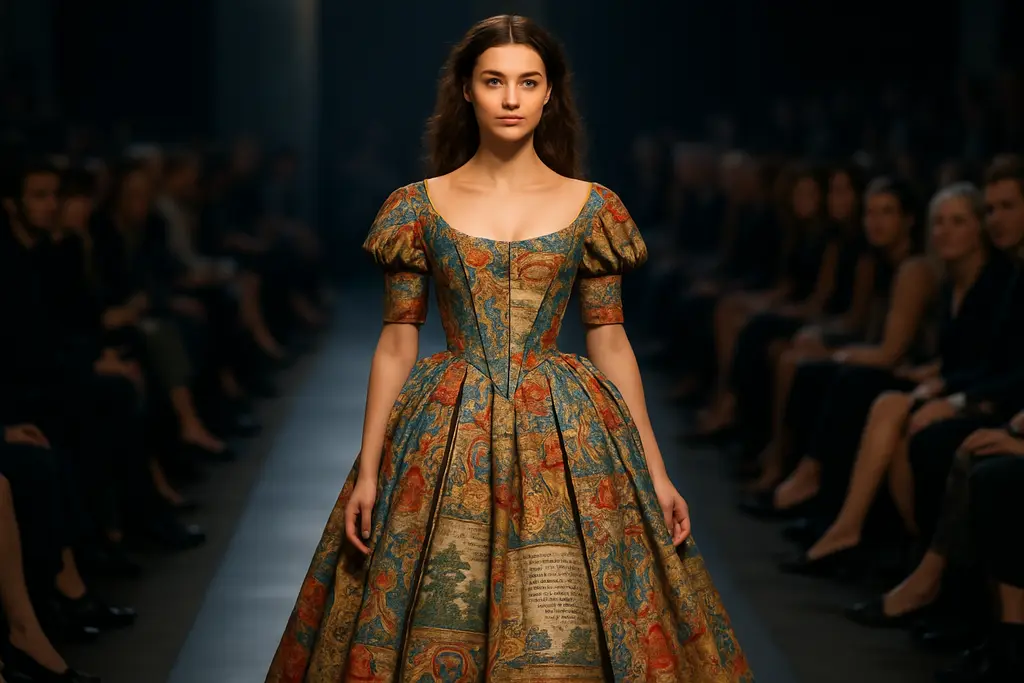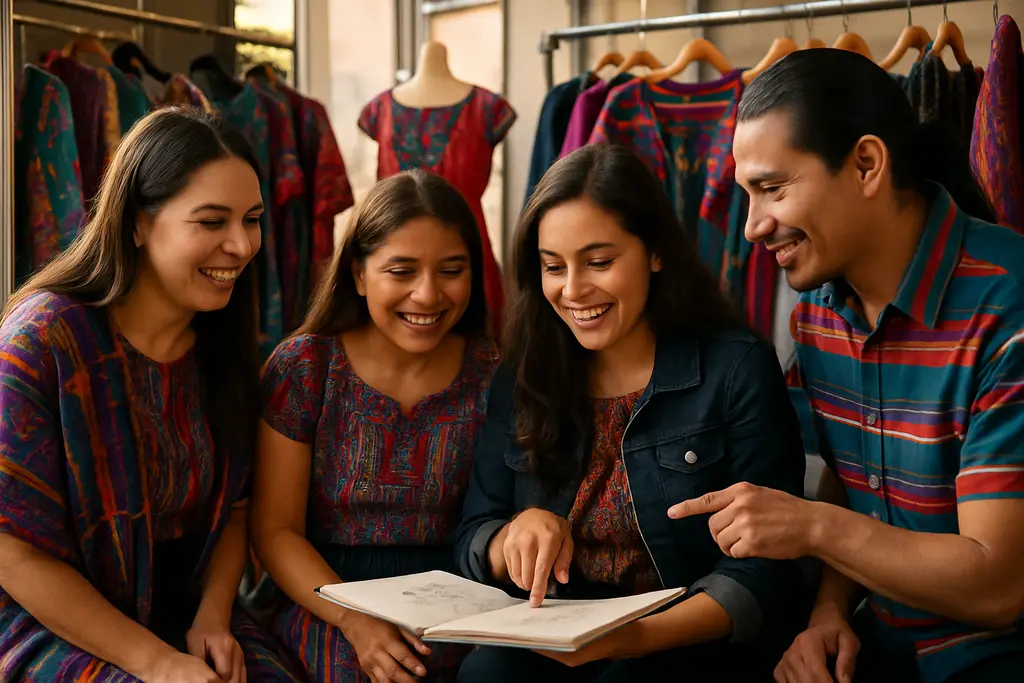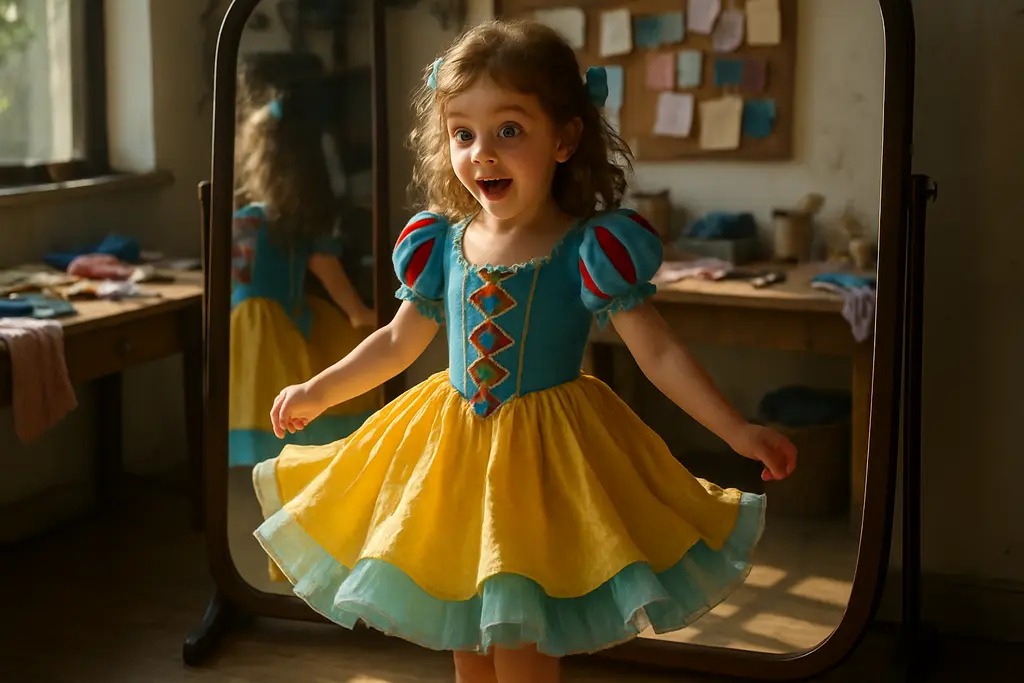
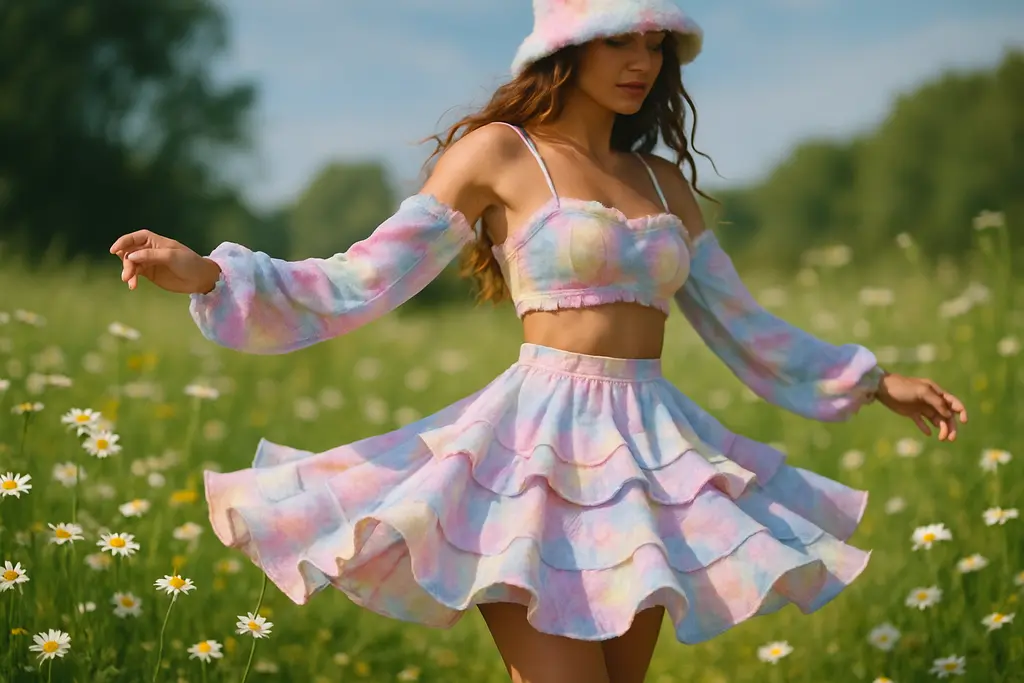
Soft Festival Costumes work best when they read as playful dress-up rather than hard theatrical armor. For a Daisy Chain Fields-inspired brief, I would treat the phrase as a mood prompt: meadow movement, layered sheers, handworked trim, and costumes that survive sitting on grass, dancing, and carrying a bag. The documented 2026 festival cues support that direction, but they should not be used as permission to copy an individual attendee, performer, or artist. The safer creative route is to study materials, shapes, and construction logic, then draft original pieces with your own color story.
Soft Festival Costumes And 2026 Trend Signals
As of May 18, 2026, Oxfam GB described fairycore as favoring soft pastels, ruffles, crochet, and earthy textures, while mermaidcore leaned toward blues, silks, pearls, and sheer layers, according to Oxfam GB’s 2026 festival fashion report. Those notes are useful for makers because they point toward texture and layering rather than one fixed garment. A ruffled organza overskirt, a pearl-edged veil, or a crochet appliqué panel can suggest fantasy without requiring a full character costume.
Trend Signals Worth Keeping
Who What Wear reported that crochet skullcaps, ponchos, fringe boots, and sequin accents stood out at Coachella 2026, which took place in April 2026 and had already concluded by the time of this analysis, as noted in its Coachella 2026 trend report. That report does not prove every festival used the same styling, and it should not be read as a rulebook. It does, though, give pattern makers a concise set of repeatable shapes: a small headpiece, a loose overlayer, textured lower-leg detail, and controlled shine.
Soft Festival Costumes Pattern Priorities
For Soft Festival Costumes, the strongest pattern work starts with comfort blocks: a poncho rectangle, a circle or half-circle overlay, a loose slip dress, a bralette cover, or a cap shape. These pieces leave space for movement and let the surface treatment carry the fantasy. A costume can look delicate while still being practical if the fragile layer is not the only layer. Sheer fabric can float over a washable base. Sequins can sit on detachable tabs. Pearls can be hand-tacked to a collar or belt instead of being scattered across a stress point.
Pattern Blocks That Keep Movement Soft
A Daisy Chain Fields-style costume should avoid rigid edges unless the wearer specifically wants a sculptural silhouette. Softness is partly visual and partly physical. A garment with a curved hem, gathered sleeve, elastic back, and breathable underlayer will usually feel more forgiving than one that relies on boning, stiff foam, or dense trim. That matters for festival dress-up because the wearer may be outdoors for hours, moving between sun, shade, dust, seating, and crowded paths.
Poncho Block For Meadow Layers
The easiest base is a soft poncho block. Draft it as a wide rectangle or shallow oval with a centered neck opening. For a fairycore version, bind the edge with a narrow ruffle and add crochet flowers along one shoulder. For a mermaidcore version, cut the lower edge in a gentle wave and layer blue or pearl-toned sheer fabric over a simple lining. Keep the shoulder seams minimal or skip them entirely. This reduces fitting stress and makes the piece easier for beginners to finish cleanly.
Overlay Skirt For Ruffles And Sheer Motion
An overlay skirt offers more drama with limited pattern risk. Start with a half-circle or gathered rectangle, then test the length in muslin or an inexpensive sheer substitute before cutting the final fabric. If the costume needs volume, build it from several light layers instead of one heavy layer. Ruffles should be placed where they will not catch under a backpack strap or snag around the knees. A removable waist tie lets the maker restyle the same overlay over shorts, leggings, or a plain dress.
Tutorials For Gentle Festival Shapes
These tutorials are intended as construction frameworks, not copied looks. The aim is to create original dress-up pieces shaped by broad festival trends. If a maker wants to sell finished pieces, references should stay generic: describe materials and silhouettes, not a specific performer, copyrighted character, or identifiable attendee. For more thinking on textile motifs without copying artists, the site has a related note on festival art patterns. For wider costume and culture reading from the same network, consider visiting NextClues, which is a useful companion stop.
- Crochet Skullcap: Use a head circumference measurement, work a flat crown or simple rounded cap, then add ties only if they feel secure and comfortable. Keep beads away from pressure points near the temples.
- Soft Poncho: Cut one large body piece, finish the neck with bias binding, then add fringe or ruffle trim to the lower edge. Test arm movement before attaching heavy decoration.
- Mermaid Overlay: Layer a sheer blue overskirt over a plain base and place pearl-like trim at the waistband rather than the hem, where it may drag or break.
- Fairy Ruffle Collar: Gather lightweight strips into a detachable collar that can be worn over a T-shirt, slip dress, or bralette cover. A tie closure is easier to adjust than a fixed clasp.
Beginner-Friendly Order Of Work
Cut the plain base first, then fit the overlay, then add trim last. This order protects the most decorative work from repeated handling. It also makes the costume easier to alter. If the overlay feels too short, you can add a second ruffle. If the neckline feels too tight, you can widen it before the binding is sewn down. A beginner should not start by attaching pearls, sequins, or fringe to untested fabric pieces because each change becomes slower after embellishment.
Where Handwork Makes Sense
Handwork is most useful on small, visible zones: cap edges, collars, cuffs, waist ties, and appliqué patches. That keeps labor focused and reduces repair risk. A hand-sewn flower at the shoulder can carry more visual identity than scattered trim across the entire garment. This is also where fairytale costume thinking helps. A single motif, such as a shell, leaf, crescent, or petal, can be repeated in scale rather than copied from a specific artwork.
Materials, Fit, And Responsible Reference

Soft costume design is only successful if the wearer can move. Before cutting final fabric, take body measurements rather than relying on everyday clothing size. Bust or chest, waist, hips, shoulder width, arm length, inseam, and head circumference are practical starting points for these projects. A crochet cap needs different data than a poncho; a sheer skirt needs the waist and preferred finished length; a bralette cover needs careful upper-body measurements and a stable lining.
Softness, Lining, And Repair
Sheer fabric, crochet, ruffles, sequins, and fringe all behave differently under stress. The maker should test a small swatch by stretching, tying, sitting, and rubbing it against the base layer. If the trim feels scratchy, place it away from the skin or add a soft lining. If a sheer layer snags, consider using it as a removable scarf or overskirt rather than a fixed garment panel. Repair planning is part of the pattern: leave accessible seams, use detachable trim where possible, and save scraps for patching.
Respecting Artists And Festival Communities
Festival fashion often spreads through photographs, social posts, and street-style coverage, but that does not make every look a free template. A respectful maker studies broad choices such as ruffles, crochet, ponchos, or pearled sheers, then changes proportion, placement, color, and motif. Do not use a living artist’s signature imagery, a performer likeness, or a protected character as the selling point for a handmade costume unless proper permission is in place. This is a cautious creative standard, not legal advice.
Soft Festival Costumes For Daisy Chain Fields
Soft Festival Costumes benefit from a build sequence that starts plain and becomes expressive in layers. The following structure keeps the costume readable while reducing waste and last-minute failure. It works for a personal dress-up project, a small creator sample, or a workshop plan where participants may have different skill levels.
| Project Piece | Pattern Choice | Cautious Maker Note |
|---|---|---|
| Fairycore Poncho | Wide rectangle or oval with ruffled edge | Keep the shoulder area light so the fabric does not pull backward. |
| Mermaid Overlay | Half-circle skirt or gathered sheer panel | Place pearl trim at stable seams rather than fragile hems. |
| Crochet Cap | Measured crown with soft edge finish | Check fit before adding beads, ties, or dense appliqué. |
A Daisy Chain Fields-inspired costume does not need to chase every reported 2026 festival trend at once. One soft base, one airy overlay, and one handworked accent are usually enough. That restraint protects comfort and gives the handmade details space to show. The best result feels like dress-up play with sound pattern logic behind it: light enough to wear, original enough to respect its influences, and flexible enough to restyle after the festival moment has passed.