
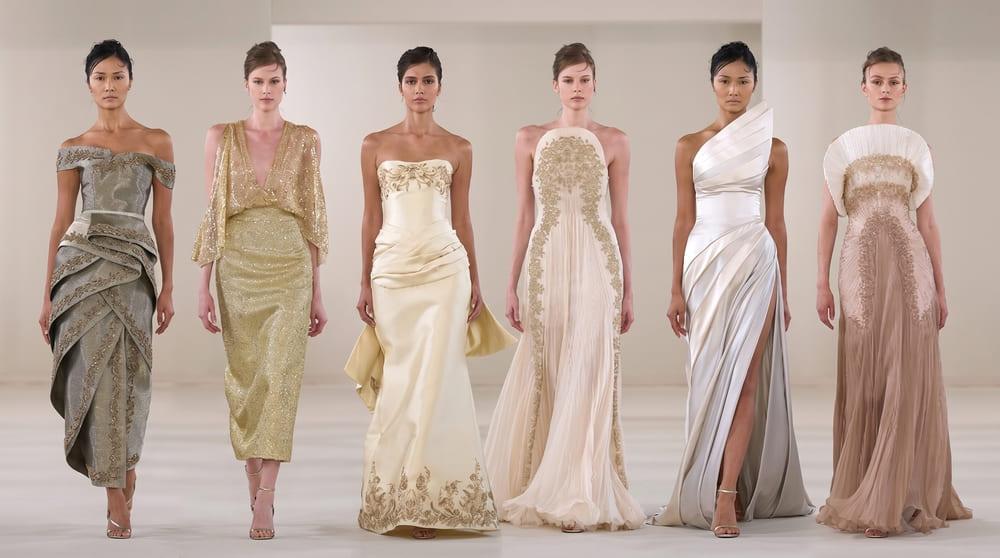
The Rami Al Ali Fall 2026 couture presentation, officially titled “Threads of Light: A New Dawn,” forces observers to evaluate garments as physical representations of cultural memory and architectural precision. Showcasing at Paris Haute Couture Week, the Dubai-based Syrian designer bypassed obvious theatrical costumes to construct a highly disciplined wardrobe. This season, Al Ali focused directly on the invisible ties connecting the Arab world, blending structural severity with flowing, fluid textiles. The resulting silhouettes demand absolute posture and project a quiet, unrelenting optimism. By refusing to rely on excess volume, the designer proves that Middle Eastern heritage translates flawlessly into exacting modern fashion.
The Architecture of Cultural Memory
Fashion acts as a physical archive of shared history. Al Ali framed the Fall 2026 collection around the cultural exchanges of the Middle East, tracing influences from the Gulf all the way to Syria. The narrative bypasses simple nostalgia. The atelier treats historical garments as structural blueprints rather than costumes. The collection opened with a highly calculated gown drawing direct inspiration from the ghutra, the traditional square scarf worn across the Gulf region. The designer reimagined this classic garment through sharp, geometric folds, building a dress that functions as a wearable shelter.
Mother-of-pearl embellishments locked the folds in place, adding a cold, hard texture against the soft draping. This opening look established the primary theme of the presentation: resilience through structural design. The garments operate as protective forms built around the body, utilizing layered three-dimensional panels to create physical space between the fabric and the skin. By drawing on the collective memory of the Arab world, the designer built an analytical framework for the rest of the collection. Observers tracking haute couture styling trends will recognize this shift favoring garments carrying serious historical weight without sacrificing contemporary appeal.

Geometric Precision and Structural Draping
The physical shape of a gown determines its visual authority. The Fall 2026 lineup abandons the predictable ballgown silhouette in favor of sharp, linear construction. Al Ali introduced sharply raised shoulders that frame the face aggressively. These rigid upper proportions contrast immediately with the lower sections of the dresses. Sculptural forms trace the waistline, locking the midsection into a strict hourglass shape before releasing into floor-length trains.
This tension between rigid tailoring and fluid movement defines the technical success of the season. One standout white dress featured overlapping geometric panels that forced straight and curved lines to intersect across the torso. The pattern making required to achieve this three-dimensional grid represents the absolute peak of atelier skill. The hard lines of the panels broke apart as the model walked, revealing soft pleats hidden beneath the structural exterior. Capes attached to the shoulders caught the air, adding aerodynamic movement to the dense, structured columns. The contrast between the unyielding architectural forms and the shifting, weightless trains creates a highly dynamic runway presence.
Light as a Physical Material
Al Ali treats light not as a passive environmental factor, but as an active, physical material woven directly into the clothing. The title “Threads of Light” refers to the literal construction techniques utilized throughout the presentation. The atelier mapped out beadwork, sequins, and metallic embroidery to interact predictably with harsh stage lighting. The textiles shift in appearance depending on the angle of the viewer.
To capture the physical texture of the desert, the design team layered sequins to mimic the rough bark of palm trees. Shimmering, light-catching fabrics referenced the movement of sand dunes and the heavy woven materials of traditional tents. The integration of Silk Road influences appeared through dense damask patterns and gold-leaf applications pressed directly onto the silk. These botanical motifs added a layer of historical trade routes to the visual narrative. The designer stripped away heavy, matte fabrics in favor of lustrous, reflective surfaces. The embroidery traces delicate pathways across the body, functioning as a second skin that glitters continuously as the wearer moves through a room.

Color Theory of the Desert Horizon
The pigment choices in the collection operate under strict discipline. Al Ali modeled the color palette entirely on the shifting phases of a desert sunrise. The sequence of the runway show tracked this exact chronological progression, forcing the audience to process the changing light of dawn through dyed silk and colored crystals.
The presentation began in the pre-dawn darkness. Black dresses constructed from sheer tulle proved that dark colors can hold luminous properties. The embroidery on these black garments caught the light, suggesting the very first breaks in the night sky. Cool greys followed, combining the hard, visual weight of stone with the delicate, fragile texture of lace.
As the narrative progressed, the palette shifted into the soft, early morning hours. Cream and off-white gowns evoked stillness and quiet temperatures. These pale looks transitioned rapidly into the warm, saturated colors of full sunrise. Golden amber, sunlit champagne, and deep gold flooded the runway. The metallic reflections forced the eye to register the full intensity of the morning sun.
| Narrative Phase | Dominant Colors | Textile and Surface Execution |
| Pre-Dawn | Black, Cool Grey | Sheer tulle, luminous dark embroidery, heavy lace |
| Early Morning | Cream, Off-White, Pearlescent | Smooth silk columns, mother-of-pearl accents |
| Full Sunrise | Amber, Champagne, Gold | Gold-leaf techniques, dense sequin layering, metallic thread |
This calculated progression of color prevents the collection from feeling disjointed. The strict adherence to a specific environmental phenomenon gives the clothing an organic, inevitable rhythm. Anyone reviewing international runway fashion coverage can immediately identify the narrative arc created solely through exact dye matching and tonal sequencing.

The Bridal Finale and Restrained Execution
The traditional haute couture presentation concludes with a bridal look. Designers frequently use this moment to showcase maximum excess, burying the model in heavy tulle and massive crystal formations. Al Ali rejected this predictable approach for the Fall 2026 season. The final look provided a masterclass in quiet, controlled restraint.
The bride emerged in a gown covered in delicate, barely-there embroidery that enveloped the body in a soft glow. A translucent veil extended far behind her, sweeping the runway silently. The sheer fabric of the veil lacked the heavy lace borders typically associated with bridal wear. The execution focused entirely on perfect proportions and flawless seaming. The designer used this final moment to gather the collection’s themes of hope, resilience, and dawn into a single, unbothered silhouette. The restraint demonstrated the ultimate confidence of the atelier, proving that true formal authority relies on exact cut and fluid motion rather than blinding ornamentation.
Rami Al Ali secured his position as a dominant force in modern eveningwear with this presentation. “Threads of Light: A New Dawn” translates the vast, shared history of the Arab world into a sharp, highly relevant modern wardrobe. The collection commands respect through raw technical skill, exact color theory, and structural intelligence. The garments function as wearable monuments, designed to illuminate the disciplined, resolute modern figure facing a new day.