
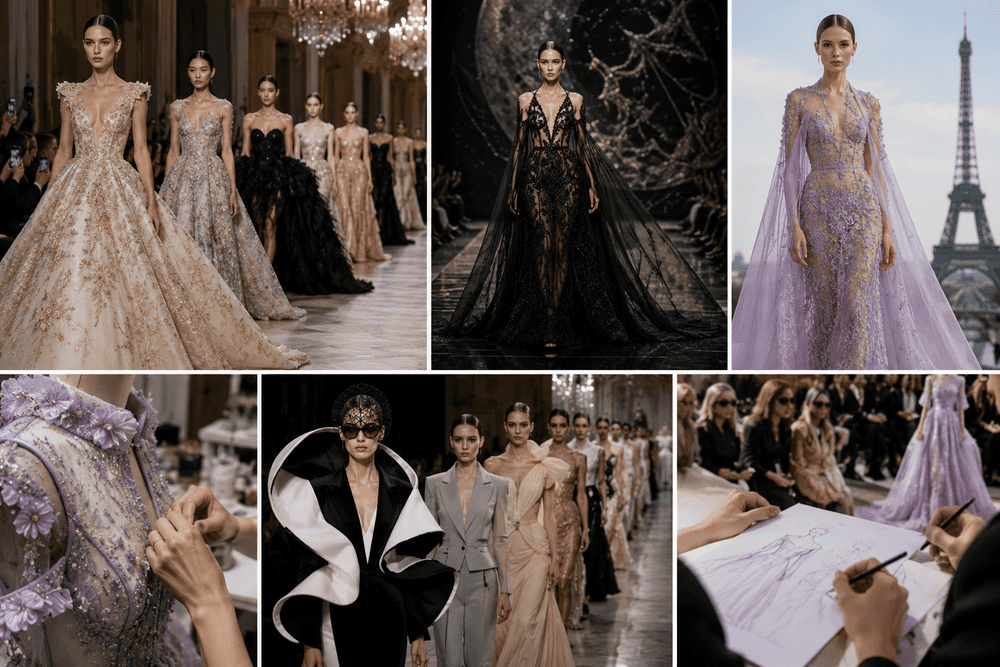
Paris Haute Couture Week stands as the absolute pinnacle of garment construction. The seasonal presentations function as a laboratory for the most prestigious fashion houses. Creative directors operate without the strict commercial restraints of ready-to-wear collections. They focus entirely on extreme craftsmanship, rare materials, and exact measurements. The Fédération de la Haute Couture et de la Mode enforces strict rules for participation. A house must maintain an atelier in Paris, employ a minimum number of full-time technical staff, and present custom-fitted garments to private clients. This rigorous framework preserves the historical integrity of the craft.
The schedule dictates two presentations annually, occurring in January and July. These events draw a highly exclusive audience of clients, editors, and private buyers. The clothing showcased on these runways represents thousands of hours of manual labor. A single jacket might require the dedicated attention of three artisans working for a full month. The industry treats these garments as wearable art rather than standard apparel. Examining these collections provides a clear view of the aesthetic direction luxury fashion will take in the coming years.
The Structural Shift In Modern Couture
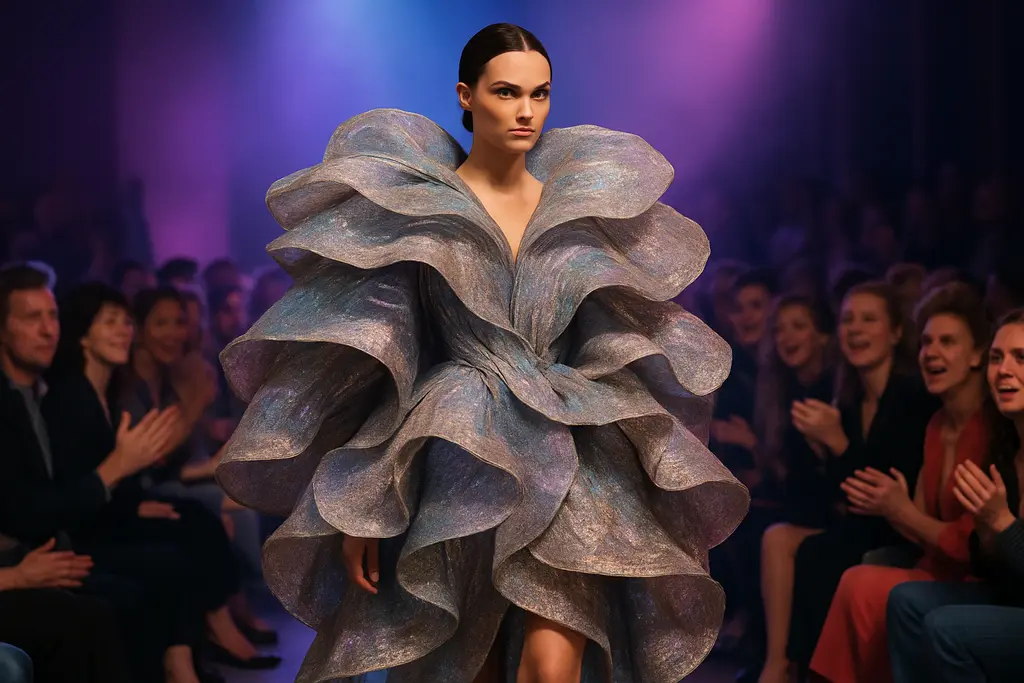
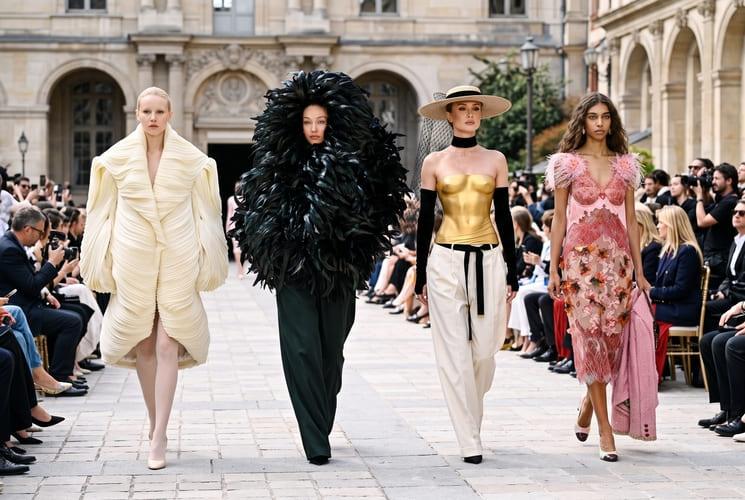
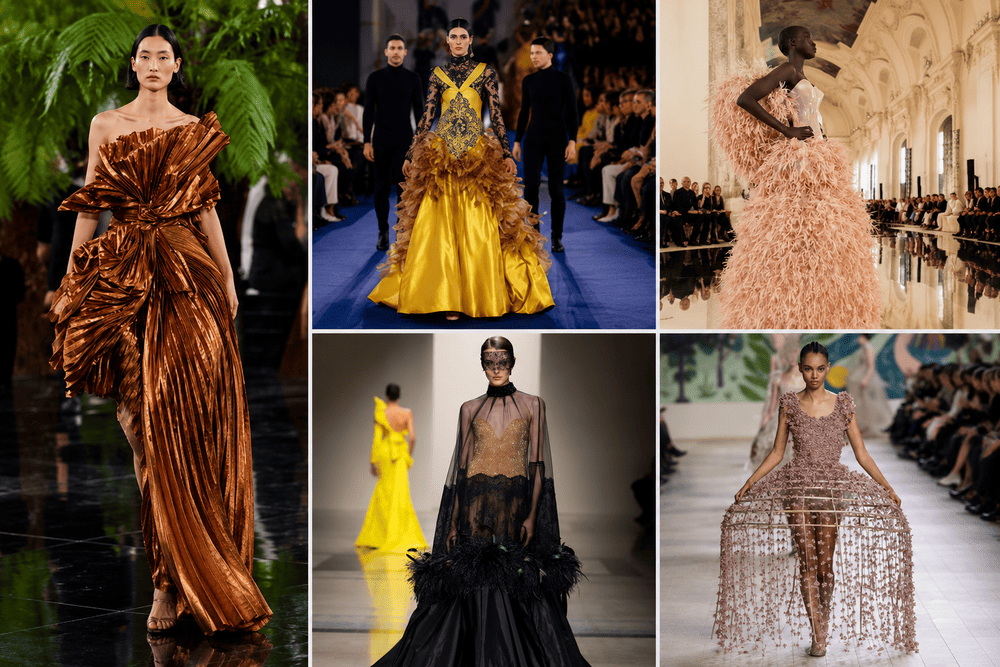
Recent collections demonstrate a clear pivot in physical construction. Massive, heavy tulle ballgowns appear far less frequently on the runway. Creative directors now favor highly architectural, lightweight silhouettes. The modern couture client demands mobility alongside exclusivity. Ateliers achieve this by engineering internal corsetry that supports the garment without restricting the wearer.
Technicians utilize advanced silk organza and micro-boning to build structural foundations. These materials provide the necessary shape but weigh a fraction of traditional crinolines. The outer layers drape fluidly over these hidden frames. A dress might feature dramatic, sculptural shoulders or a rigid peplum waist, yet the garment moves effortlessly with the body. This engineering requires hundreds of hours of precise fitting. Artisans craft custom mannequins padded to match the exact measurements of the individual client. They drape and pin the fabric directly onto these forms to test how the material reacts to gravity.
Casual silhouettes receive the same intense structural treatment as eveningwear. Trousers feature complex internal linings to ensure the perfect drape. Oversized coats retain a crisp, geometric shape through the strategic placement of horsehair canvas within the lapels and shoulders. This blending of relaxed daytime shapes with rigorous internal construction defines the current era of custom garment making.
Redefining Textile Manipulation And Embroidery
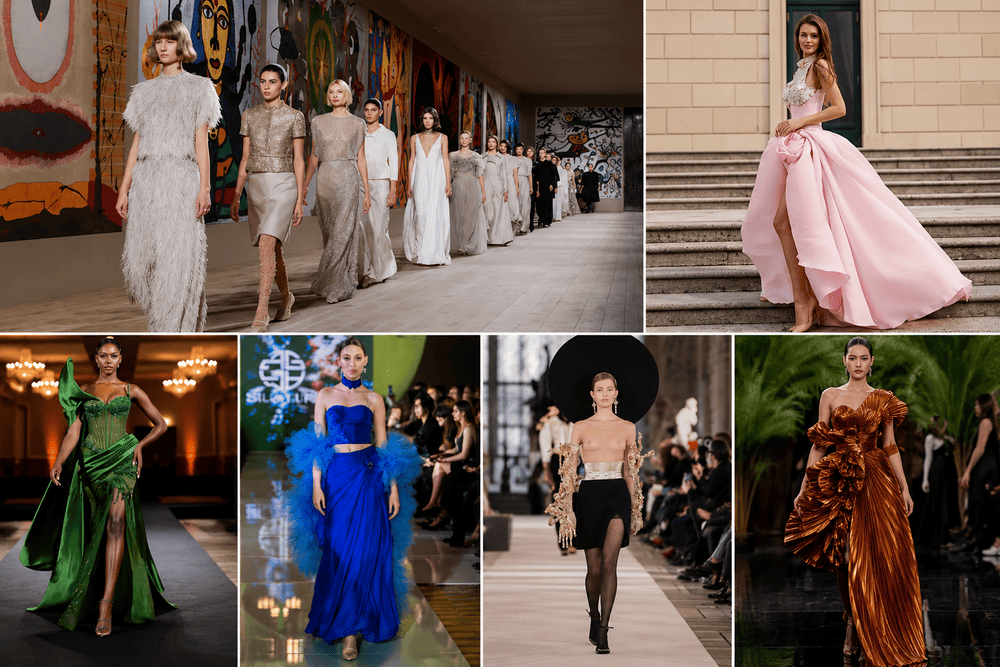
The absolute value of a couture piece lies in the handwork. The skilled artisans, known as “petites mains,” execute techniques impossible to replicate by machine. Recent seasons showcased a new approach to surface embellishment. Designers moved away from heavy, clustered beadwork. They prefer scattered, gradient embroidery that catches the light subtly and moves organically with the fabric.
Specialized workshops handle different elements of the garment. The plumassiers specialize entirely in feather work. They trim, dye, and sew individual ostrich feathers to mimic the texture of fur or create sharp geometric patterns. The brodeurs handle the intricate beadwork, sometimes spending eight hundred hours applying tiny glass crystals to a single bodice. Leather manipulation reached new heights during the recent presentations. Houses presented laser-cut leather lace, indistinguishable from traditional Chantilly lace until viewed closely.
This dedication to material innovation separates the true couture houses from high-end ready-to-wear labels. Designers commissioned custom fabrics woven specifically for a single runway look. Textile mills blend metallic threads with raw silk to create stiff, luminous materials that hold their shape. The garments function as physical displays of extreme human skill.
The Influence Of Archival References On New Collections
Legacy fashion houses consistently mine their own history for inspiration. A successful couture collection bridges the gap between the founder’s original vision and the current creative director’s aesthetic. The archives provide a structural blueprint. The modern execution determines the relevance of the collection. A new designer treats the brand’s history as a visual dictionary, translating vintage codes for a contemporary audience.
| Fashion House | Historical Reference Point | Modern Couture Execution |
| Dior | The 1947 “New Look” Bar Jacket | Deconstructed wool crepe with asymmetrical hemlines |
| Chanel | 1920s Dropped Waist Silhouettes | Beaded silk tunics over wide-leg tweed trousers |
| Schiaparelli | 1930s Surrealist Motifs | Sculpted velvet with anatomical gold hardware |
The table above illustrates this direct lineage. Designers study vintage construction techniques to solve modern fitting problems. They recreate historical fabrics using contemporary looming methods. A classic tweed jacket might be re-engineered using shredded silk and metallic chains woven together. This continuous dialogue with the past gives the collections emotional weight and historical legitimacy.
The Integration Of Quiet Luxury Into Custom Garments
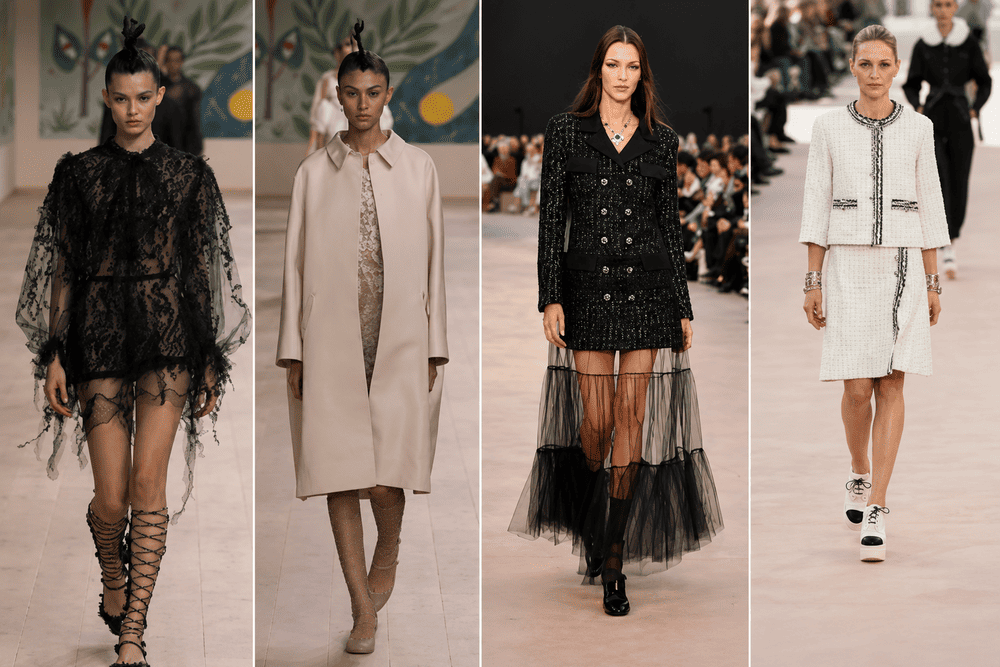
The global shift toward understated wealth infiltrated the highest level of fashion. Clients spending six figures on a single garment increasingly request discretion. They want pieces recognizable only to those with highly trained eyes. The focus shifted entirely to the drape, the fit, and the raw materials. Flashy branding and aggressive logos completely vanished from the custom sector.
A simple camel coat presented during Paris Haute Couture Week might feature double-faced vicuña wool. The seams are hand-rolled and hand-stitched. The lining consists of custom-dyed heavy silk. The exterior lacks any obvious hardware. This subtle approach requires absolute perfection in tailoring. A heavily beaded dress can hide a flawed seam easily. A perfectly plain silk column dress exposes every single millimeter of stitching. You can explore the broader impact of this aesthetic shift in our breakdown of couture runway trends across recent seasons.
The psychological aspect of this trend makes perfect sense. The wealthiest clients prioritize personal comfort and privacy in their daily lives. They commission bespoke cashmere loungewear and perfectly fitted wool trousers for private travel. The garments serve the wearer rather than performing for an audience.
Financial Realities And The Evolving Client Base
The economic model supporting these ateliers relies on a microscopic fraction of the global population. Historically, European aristocrats and American socialites sustained the industry. Today, the demographic profile of the couture buyer looks completely different. Tech entrepreneurs, global executives, and younger royalty from the Middle East and Asia drive the majority of direct sales.
These new clients approach the buying process differently. They view custom garments as investment pieces or museum-quality art. Some buyers place orders directly from the runway via private messaging apps before the show finishes. The most respected financial analysts track this shift closely. A comprehensive luxury sector report highlights how houses adapt their private viewing schedules to accommodate this fast-paced, high-net-worth clientele. Ateliers now fly fitters across the globe to conduct private sessions in hotel suites, removing the need for the client to travel to Paris.
The financial strategy of a major fashion house relies heavily on the “halo effect.” The custom garments themselves generate minimal profit margins due to the extreme labor costs. The spectacular runway shows generate massive global media coverage. This visibility drives the sales of highly profitable items like fragrances, cosmetics, and leather goods. The custom atelier serves as the beating heart of the brand’s marketing machine.
The Path Forward For Parisian Ateliers
The survival of the craft depends entirely on knowledge transfer. The master artisans currently running the workrooms possess decades of specialized experience. Passing this knowledge to a younger generation presents a massive logistical challenge. Fashion houses opened their own training schools to combat the shortage of skilled labor. They recruit young technicians and subject them to years of rigorous apprenticeship. This investment guarantees the survival of techniques that would otherwise disappear.
Technology entered the workrooms in highly specific ways. 3D body scanning allows ateliers to create perfect digital avatars of their global clients. This reduces the number of required in-person fittings and speeds up the pattern drafting process. The actual sewing and finishing remain strictly manual. The fusion of precise digital measurement with traditional hand-sewing represents the new standard for the industry.
Designers increasingly repurpose deadstock fabrics from their own archives. They experiment with organic dyes and zero-waste pattern drafting. The inherent nature of couture aligns perfectly with modern sustainability goals. The garments are made-to-order, producing zero excess inventory. They are constructed to last multiple lifetimes and eventually pass down as family heirlooms. This slow, deliberate manufacturing process offers a direct counter-narrative to fast fashion. Paris Haute Couture Week remains the absolute core of fashion innovation, proving that human hands can still achieve physical perfection.