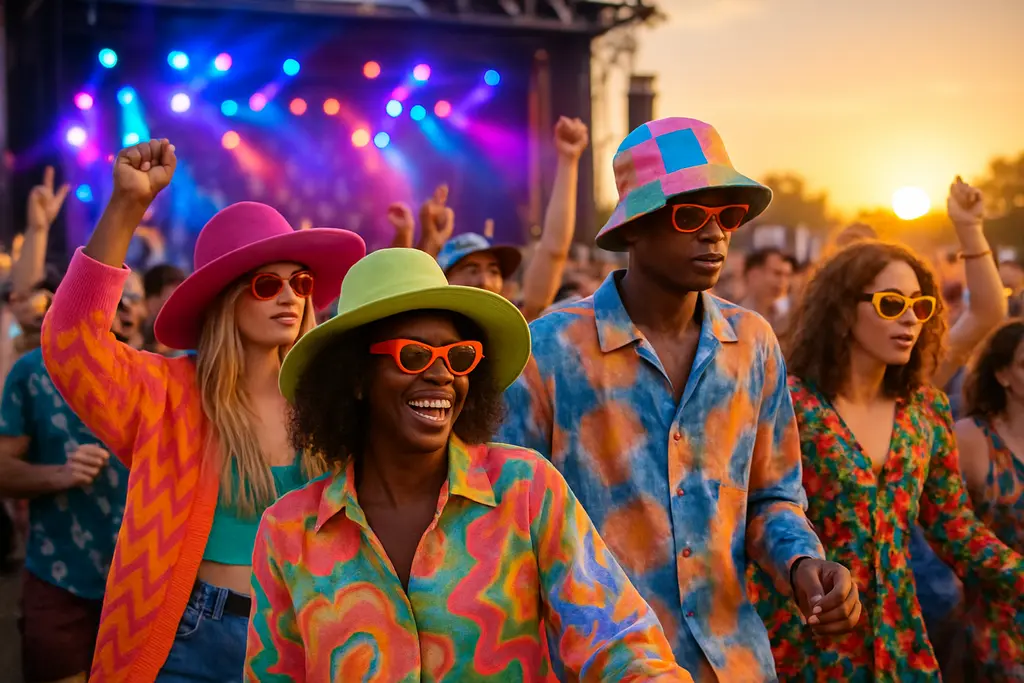
Live-Event Fashion at Hard Summer 2026 was not a side note to the music. After the festival took place on August 1-2, 2026, at Hollywood Park in Inglewood, the visual language around Latino DJs, ravers, and fan dress became one of the clearest signals from the event. The useful lesson for fashion designers is not to borrow symbols carelessly. It is to study how music, place, comfort, and cultural memory shaped what people chose to wear.
What Hard Summer 2026 Changed For Live-Event Fashion
Lineup Visibility And Style Pressure
Hard Summer 2026 placed Latino artists in highly visible positions rather than treating them as peripheral bookings. Latination reported that the festival’s identity was strongly shaped by artists such as Kali Uchis, Tokischa, Six Sex, RØZ, Nick León, BOLO, and CQUESTT Latination analysis. That matters for designers because stage visibility often changes the way fans dress for a live event. The outfit becomes a response to the sound system, the crowd, and the cultural tone of the bill.
This does not mean every designer should rush to produce flag prints or rave sets with Latin American references. A cautious reading is stronger. Just as individuals evaluating betting platforms might ask, “Why pick BetOnline?” to weigh the platform’s value before committing their funds, designers must carefully assess the implications of adopting culturally significant symbols before bringing them to market. The event showed that fans were not dressing from a single aesthetic script. They were mixing sportswear, hair accessories, personal heritage markers, party dressing, and practical heat-aware pieces. Live-Event Fashion, in this case, worked as a social signal as much as a trend category.
Live-Event Fashion As Identity Work
The Los Angeles Times described attendees wearing Mexican, Salvadoran, and other Latin American soccer jerseys, flags, accessories, ribbons in hair, piñatas, and strong color choices connected to heritage expression Los Angeles Times report. For designers, the key detail is agency. These were not neutral decorations floating free of meaning. They were worn by people placing family, country, language, music taste, and nightlife into one public look.
That is why designer interpretation has to stay careful. A jersey-inspired silhouette may be useful as a construction reference. A ribboned hairstyle may suggest movement and texture for styling. A flag, however, carries national and community meaning. Treating those signs as generic festival graphics can flatten the very identities that made the event visually powerful.
How Designers Can Read Cultural Dress With Care
Reference Without Costume Reduction
The safest creative starting point is to separate structure from symbol. Designers can study why certain garments worked at Hard Summer 2026: breathable shapes, bold legibility in a crowd, washable surfaces, pockets, secure closures, and pieces that moved well during long dance sets. Those practical traits can inspire original design without copying community symbols or reducing attendees into costumes.
This distinction also matters for DIY dress-up makers. A handmade festival outfit can celebrate personal heritage when the maker is working from lived connection, family memory, or a community event. A commercial seller should be more restrained, especially if the design uses national flags, religious signs, artist identifiers, or visual material tied to a specific performer. This is not legal advice, but a risk-aware design habit: avoid implying affiliation, permission, or cultural authority that has not been granted.
Latination’s report also described artists merging club sounds and cultural visuals, including dembow in EDM settings, Argentinian underground club references, and Mexican American visual cues around BOLO’s performance. Fashion designers should read those stage moments as artist-led creative decisions, not as open templates. Respect for artistic integrity means crediting the context and creating new garments with their own point of view.
Useful Design Questions Before Sampling A Motif
- Is the reference a construction idea, a styling habit, or a culturally specific symbol?
- Would the garment still communicate clearly if the literal flag, slogan, or artist cue were removed?
- Does the piece serve movement, heat, and long wear, or is it only made for photos?
- Could the design be read as official merchandise or as a likeness-based product?
- Is there a collaborator, model, stylist, or maker from the referenced community involved in the creative process?
These questions keep the work grounded. They also help designers avoid the weakest form of festival production: fast visual borrowing with no wearability and no cultural accountability.
Practical Festival Design Without Flattening Identity
Comfort Is A Design Value
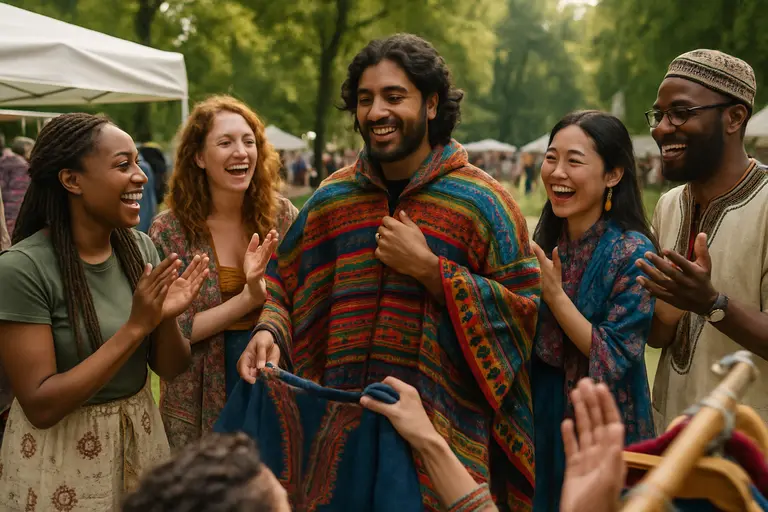
Hard Summer took place in Southern California during August, so fabric behavior and physical comfort could not be secondary concerns. Even without relying on broad survey data, the visual evidence described in post-event coverage points toward familiar festival priorities: sun exposure, dancing, crowd density, and long hours. A designer working in this space should treat ventilation, stretch recovery, chafe reduction, and secure storage as aesthetic decisions, not afterthoughts.
Live-Event Fashion succeeds when a look holds up after hours of movement. A decorative sleeve that restricts arm motion may photograph well but fail at a rave stage. A headpiece that cannot survive heat, sweat, and dancing becomes a liability. The more expressive the cultural styling, the more the base garment needs to perform. Strong design lets the wearer participate fully instead of guarding the outfit all day.
Creator Commerce And Rights-Aware Styling
The creator-commerce side of festival style is tempting because events generate immediate demand. Small designers may see photos from Hard Summer 2026 and want to produce similar sets within days. That speed can cause problems. Artist names, recognizable stage concepts, national symbols, sports-style marks, and performer likenesses all raise different rights and ethics questions. The safer path is to design around mood, movement, and garment function rather than direct imitation.
For readers comparing how festival exposure can help and pressure independent fashion labels, Fairytale Fashion has also examined festival fashion brands after Outside Lands. The same caution applies here: visibility can support small makers, but scale can also increase waste, overproduction, and rights-related risk.
For those interested in following adjacent culture coverage, a related site in the same network may offer additional insights, but design decisions should still be grounded in verifiable reporting and direct community context.
Hard Summer 2026 Live-Event Fashion Signals
What Designers Can Carry Forward
The strongest signal from Hard Summer 2026 was not that one fixed Latino festival look dominated the event. The signal was that audiences used dress to answer the music in public. Soccer jerseys, ribbons, flags, accessories, and high-impact color choices worked because they were connected to people, not because they matched a trend board.
Live-Event Fashion after Hard Summer 2026 should therefore be read as a design challenge: how can a garment support identity without consuming it? For fashion designers, the better answer is not literal replication. It is collaboration, credited research, durable construction, and space for wearers to add their own signs. That approach respects artists and fans while still leaving room for inventive festival clothing, handmade dress-up experiments, and rave-ready pieces that can survive the heat, sound, and movement of a real crowd.