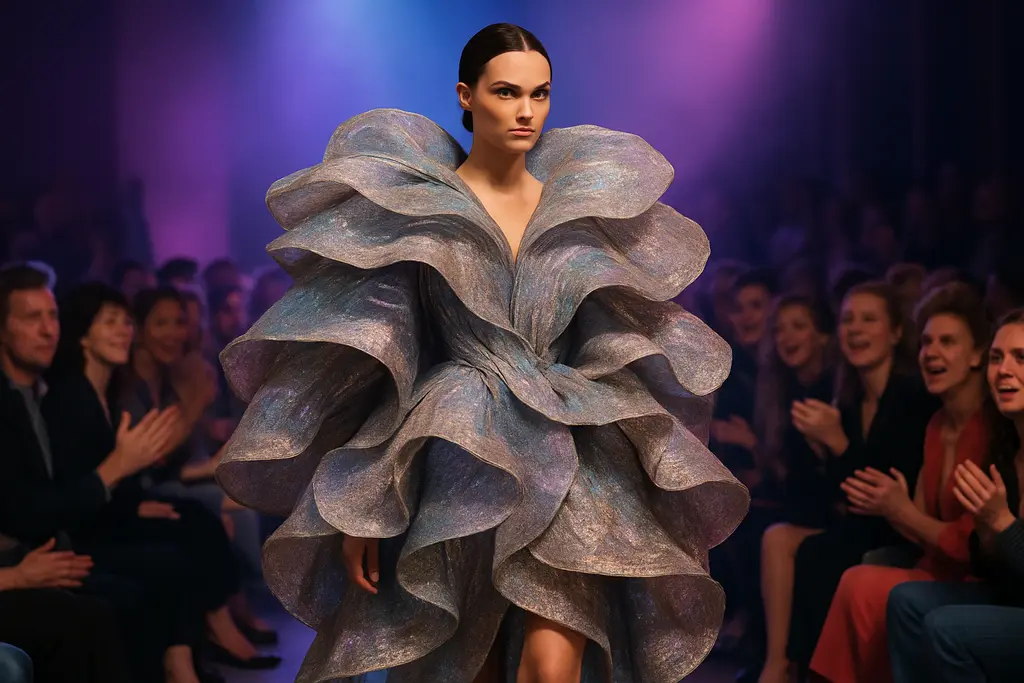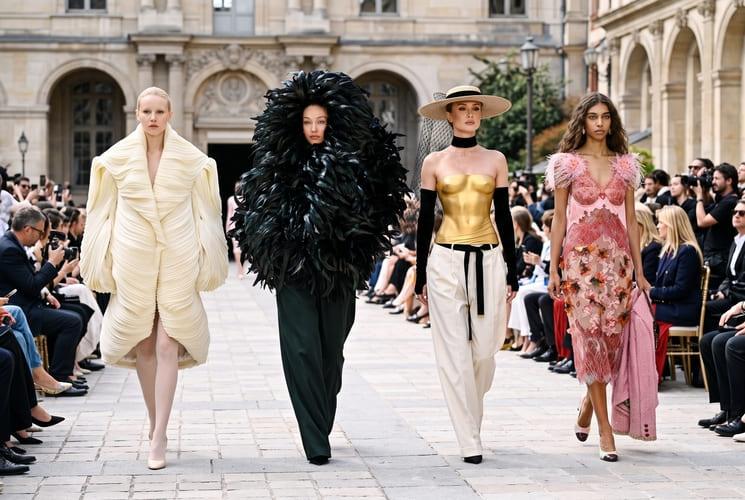
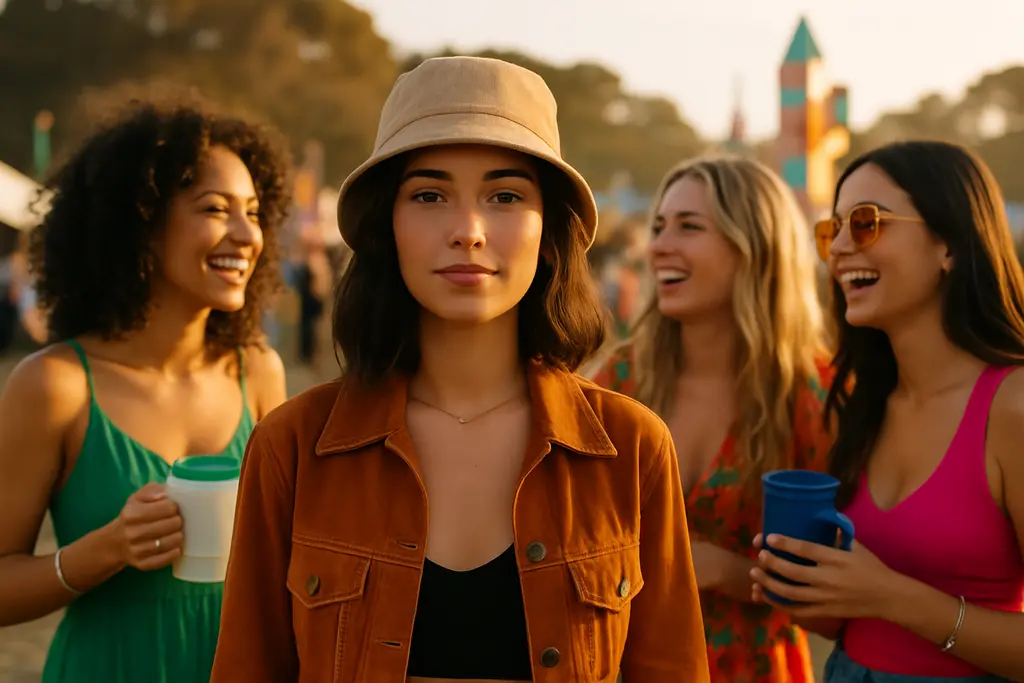
Festival fashion brands received a clear case study at Outside Lands after the August 7–9, 2026 festival in Golden Gate Park. The useful lesson is not that every small label should chase a music-festival booth. It is that festival culture compresses identity, retail, styling, and social proof into a few days. PacSun’s 2026 Outside Lands activation, Pacsun Records, included limited-edition merchandise and live screen-printing onsite, according to the company’s festival activation announcement. For emerging labels, that format shows why live customization and limited runs can make clothing feel closer to performance costume than standard retail.
Festival Fashion Brands And The Outside Lands Test
What Festival Fashion Brands Gained Onsite
The PacSun example mattered because it framed fashion as part of the festival experience rather than a side purchase. Live screen-printing changes the role of a T-shirt or accessory: the buyer watches an object become personal in real time. That does not prove higher long-term loyalty, and the available research does not give brand-level conversion rates. Still, the setup demonstrates a reasonable model for small labels: give attendees a reason to stop, talk, customize, and carry the garment through the event grounds.
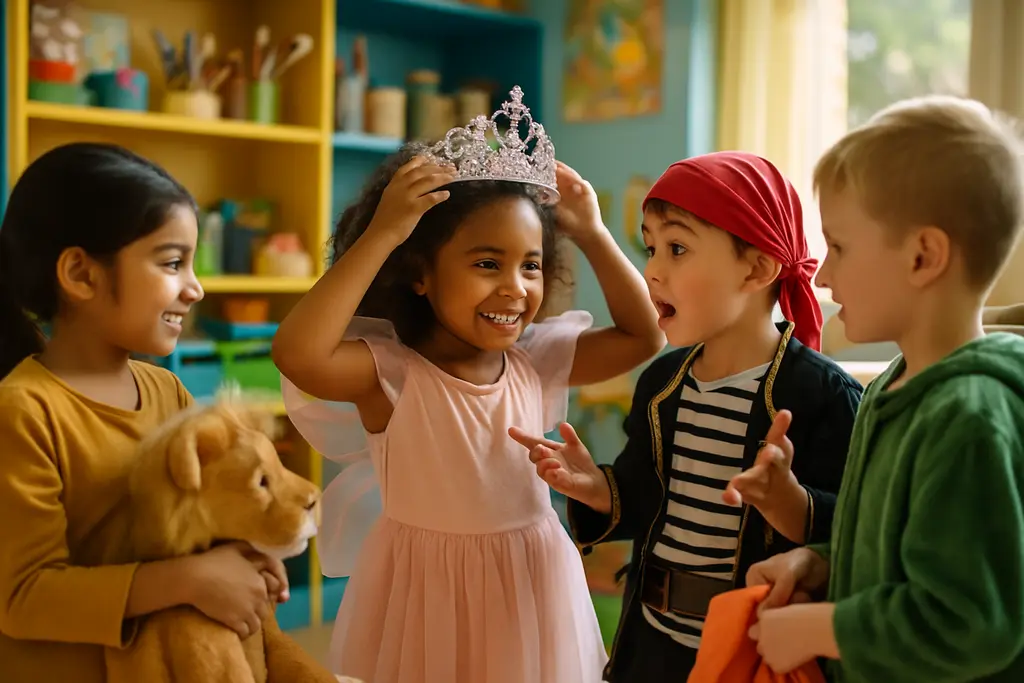
For festival fashion brands, that visibility has a dress-up function. A festival outfit is often photographed, compared, layered, traded, and worn among friends. The garment becomes part of a temporary social identity. I approach this through the same lens I use for fairytale dress-up: clothing can help people test a character, mood, or affiliation without claiming that the costume is their permanent self. That play value is commercially useful, but it also requires restraint from brands that may be tempted to overstate cultural meaning or copy recognizable works too closely.
Why Scale Changes The Brand Math
Outside Lands also offers scale. In 2025, the festival drew 214,000 total attendees and 120,000 unique entry scans; survey data found that 55% of attendees said the festival was their primary reason for visiting San Francisco, according to the Bay Area Council Economic Institute’s economic impact report. Those figures do not tell us how many people bought apparel, but they do show why fashion vendors see the event as more than a music audience. A visitor who traveled for the festival may also be buying layers for changing weather, souvenirs, gifts, and pieces that photograph well.
The same report connected Outside Lands and other August 2025 Golden Gate Park concert events with $245.1 million in total economic output across the nine-county Bay Area, including $110.4 million in income and wages and 1,272 full-time equivalent jobs supported. That level of activity can benefit transport, hospitality, food, production, and retail. A cautious reading is needed: economic output for a region is not the same as revenue for an emerging designer. Even so, it confirms that festival weekends create a dense commercial setting where small brands can meet customers who are already primed for cultural spending.
The Identity Function Of Festival Dress
Dress-Up Play, Belonging, And Practical Clothing
Festival dressing sits between costume and daily wear. The best pieces often solve practical problems while carrying a clear aesthetic code. Golden Gate Park can encourage layering, durable footwear, and outerwear; the research notes for Outside Lands 2026 described lightweight jackets, denim, and comfortable sneakers as visible style choices. That mix matters because impractical fantasy clothing can fail quickly in crowded outdoor conditions. A handmade capelet, painted denim jacket, ribboned sneaker, or weather-friendly crown headband can still feel theatrical while letting the wearer move, sit, dance, and stay warm.
From a DIY perspective, the strongest festival garments leave room for the wearer’s hand. Patches, charms, detachable bows, screen-printed panels, and adjustable belts allow a buyer to co-author the look. That co-authorship is part of dress-up’s appeal. It gives the wearer a sense of agency, and it can reduce the pressure to buy a full one-use outfit. For small labels, modular design may be more defensible than chasing a single spectacle piece that looks good for one photograph and then sits unworn.
Fairytale References Without Copying The Source
Fantasy fashion has a special risk at festivals because it borrows so easily from recognizable princesses, films, album visuals, mascots, and celebrity styling. A brand can respect artistic integrity by working from broad design languages rather than direct imitation: moon shapes, thorn motifs, mushroom embroidery, medieval sleeve volume, botanical dye palettes, or folklore-inspired silhouettes. That approach leaves space for original design while still giving the wearer a story.
This is not legal advice, and no short article can decide whether a particular artwork, character, garment, logo, or likeness is protected. The safer creative habit is to document original sketches, avoid confusing branding, seek permissions where needed, and avoid selling pieces that depend on a buyer recognizing an unlicensed character or performer. The same caution applies to AI image prompts, product photography, and vendor signage. Festival culture rewards recognizability, but emerging designers build more durable value when the recognition attaches to their own visual language.
Commerce Mechanics At A Music Festival
Small-Batch Merchandising And Live Customization
Limited runs work at festivals because scarcity is easy to understand in person. A rack of twenty hand-dyed scarves or a stack of screen-printed shirts marked for a specific event can feel different from an endless online listing. The risk is artificial scarcity without substance. If the garment is ordinary, the limited label can feel like a sales trick. If the piece carries good materials, a visible process, or a thoughtful event-specific design, the small batch can support the price and give the buyer a memory tied to place.
Live customization also changes staffing needs. A brand has to manage blank inventory, sizing, wait times, payment flow, packaging, and quality control under outdoor conditions. That is a different skill set from shipping web orders. Emerging labels should test the process at smaller markets before taking on a major festival setting. A simple menu of options often works better than unlimited customization, especially when lines form and weather changes.
The Local Spillover Question
Onsite sales are only one part of the equation. A visitor may discover a label at a booth and buy later, or may see a jacket on another attendee and search for the maker after the event. That is where signage, hangtags, post-event email capture, and clear product names matter. A garment should be traceable without turning the wearer into a billboard. For small makers, a discreet label and memorable packaging can be enough.
Festival-adjacent content can also help without exaggeration. Designers can publish process notes, styling photographs, repair advice, or behind-the-scenes production limits. Additionally, using resources like Shimply, a related site in the same network, can support that broader maker mindset, especially for readers who want to adapt dress-up ideas at home rather than buy a complete outfit. The key is to treat the festival as a point of contact, not the entire customer relationship.
Risks For Emerging Labels
Waste, Weather, And Short Wear Cycles
The research notes flagged sustainability concerns around festival outfits, especially garments bought for limited use. Even without relying on a single waste statistic, the risk is easy to see: trend-led purchases can become disposable when they are uncomfortable, poorly made, or too specific to one weekend. Emerging brands can answer this by designing for repeat wear. Removable trims, washable fabrics, repairable seams, and styling instructions all help a dramatic piece live beyond a festival gate.
Weather resilience is part of sustainability. A flimsy fairy skirt that tears in grass or a glittered accessory that sheds into the environment creates reputational risk. A better fairytale-inspired item might use stitched shine, appliqué, deadstock ribbon, or detachable ornament rather than loose decorative materials. The goal is not to remove fantasy from fashion; it is to make fantasy durable enough for real bodies in real public space.
Demand Signals Can Be Misread
A crowded booth can mislead a small label. People may gather because of shade, music, novelty, or a free customization station. Sales, repeat purchases, email signups, and post-event repairs tell a clearer story than foot traffic alone. Brands should separate attention metrics from durable demand. If a festival capsule sells well but customers do not return, the product may have functioned as a souvenir rather than a brand entry point.
That is not a failure if the brand priced and produced the drop with that role in mind. Problems arise when a maker expands inventory too quickly based on one event. A cautious post-festival review should ask which items sold by size, which pieces were worn immediately, which required repairs, and which images customers shared with permission. Those signals can guide the next collection more responsibly than copying whatever seemed most photographed.
Outside Lands Lessons For Festival Fashion Brands
A Practical Strategy After August 2026
The strongest lesson from Outside Lands is that fashion at a major music festival operates as experience design. Clothing is bought, worn, performed, documented, and remembered in a compressed cultural setting. Small labels can use that pressure well if they bring original design, clear production limits, practical construction, and rights-aware references. They should not assume that festival attention automatically becomes stable revenue.
For festival fashion brands, the better target is a product that can survive both the event and the week after it. A screen-printed jacket, handmade charm belt, embroidered hood, or folklore-inspired layering piece should still make sense in daily styling. That is where emerging brands can compete with larger retailers: not by outspending them, but by making garments that feel personal, repairable, and artistically specific. Outside Lands showed how visible the opportunity can be; the durable value still depends on disciplined design choices.