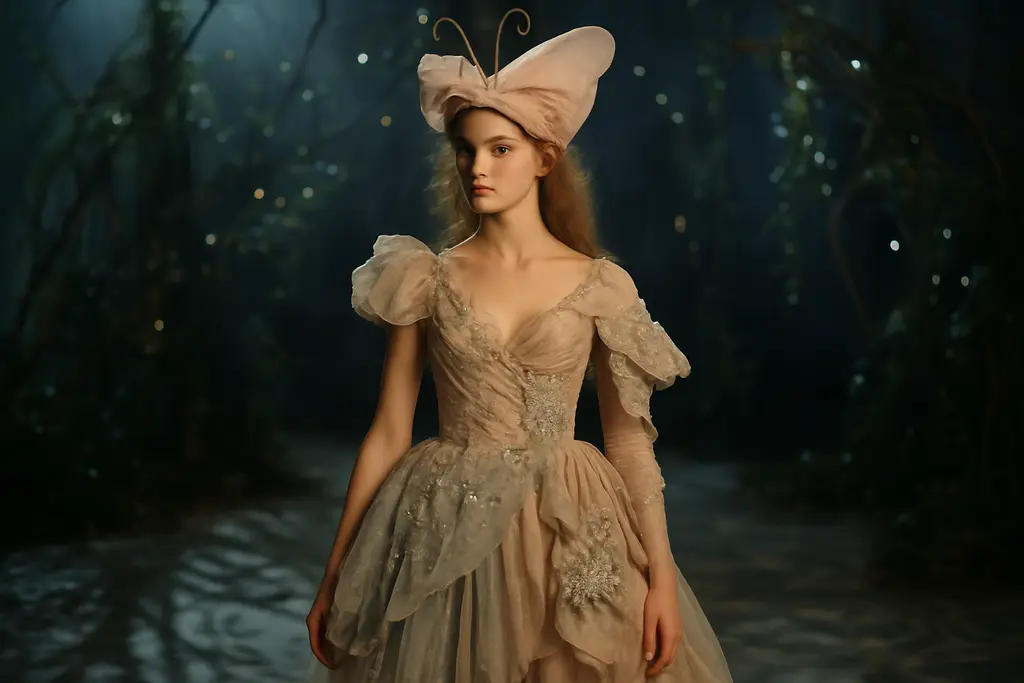

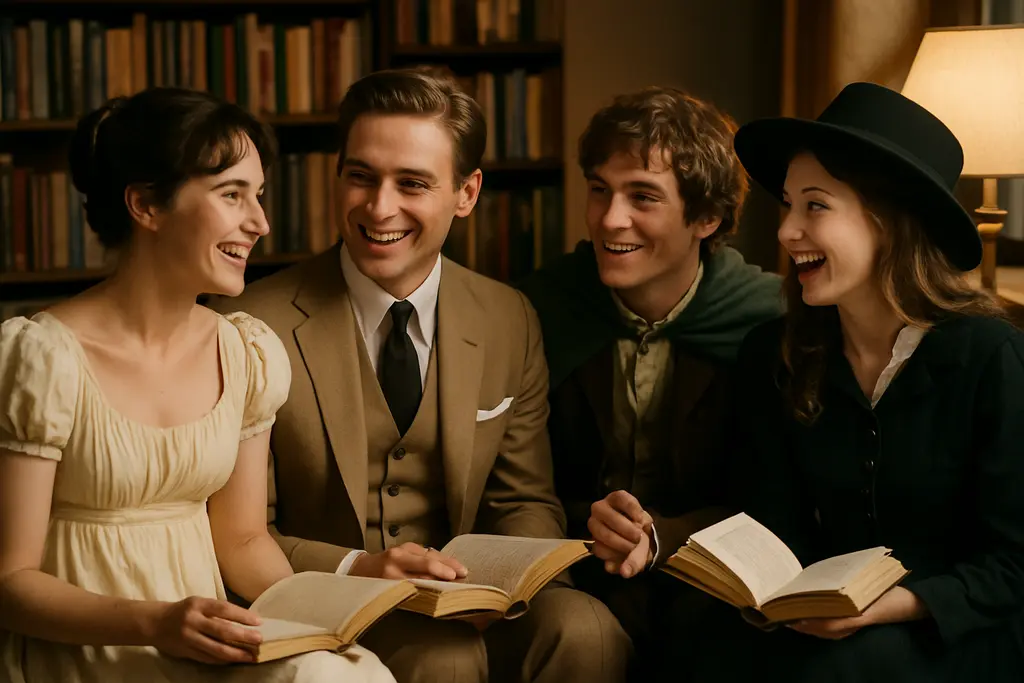
Literary costumes have moved from school plays and themed parties into a more visible conversation about current fashion trends. In Spring 2026, runway reporting linked the bookish look to cardigans, structured blazers, pencil skirts, and crisp button-downs, with Tory Burch, Miu Miu, Prada, and Bottega Veneta named in that discussion by Vogue. The strongest examples do not treat novels as decorative shortcuts. They translate reading habits, historical dress references, classroom codes, and character archetypes into clothing that still respects the source material.
Why Literary Costumes Are Reading As Fashion
Literary Costumes And The Bookish Wardrobe
The bookish wardrobe works because it is structured and legible. A cardigan suggests study without naming a single author. A blazer can hint at school uniforms, libraries, or academic clubs. A pencil skirt and button-down can suggest discipline, work, or social restraint. These pieces are not costumes in the theatrical sense unless they are styled with a specific character or story in mind. That distinction matters. A runway outfit may borrow the posture of a reader; a dress-up design usually needs a clearer narrative cue.
For DIY literary costumes, the safest starting point is not imitation of a copyrighted screen adaptation or a living designer’s runway look. It is close reading. Ask what the text says about class, weather, movement, formality, age, work, and setting. A nineteenth-century heroine who walks long distances through muddy lanes needs a different hemline and shoe logic than a Jazz Age narrator moving through parties and hotels. This text-first method supports artistic integrity because it begins with interpretation rather than surface copying.
Fashion’s Interest In The Reader
The 2026 bookish mood also reached accessories. Dior’s Book Collection was released in January 2026 with totes and sweatshirts embroidered with first-edition covers of literary works including Ulysses by James Joyce, while Coach followed with five-inch micro-book charms clipped to handbags during New York Fashion Week in February 2026, as reported by The Indian Express. Those items are useful evidence of a wider style signal: the book itself became a fashion object, not only a source of plot or mood.
That shift is attractive for dress-up play because it gives makers more than one route. A child, cosplayer, or handmade seller does not need to reproduce a famous heroine’s exact gown to suggest a literary reference. A satchel, ribbon marker, cameo brooch, paper-flower corsage, or hand-bound prop notebook can carry the idea. To explore broader coverage within the same network, readers can refer to Next Clues for a comparable point of reference.
Classic Texts Behind The Silhouette
Regency Lines And Austen Codes
The Regency period in England, dated in the research notes to 1811 through 1820, remains one of the easiest literary dress codes to recognize. Its high Empire waist, open neckline, and flowing gown shape are often connected with Jane Austen adaptations and with novels such as Pride and Prejudice and Sense and Sensibility. Austen was born in 1775, so the 250th anniversary in 2025 helped keep these references visible across 2025 and 2026 fashion discussions.
For dress-up play, Regency influence benefits from restraint. A muslin-like cotton dress, a short spencer-style jacket, soft gloves, and flat shoes can suggest the period without overloading the wearer. The silhouette should communicate etiquette, walking, letter writing, and social observation. If the outfit becomes only a pile of ribbons, the literary reference weakens. The point is not to make a museum reconstruction; it is to show how a novel’s social rules shape posture and clothing choices.
Gothic, Shakespearean, And Jazz Age Signals
Other classic texts create different visual problems. Shakespearean fashion references reported in 2025 included Elizabethan ruffles, voluminous sleeves, and romantic collars connected with the late Renaissance world around plays such as Hamlet and Romeo and Juliet. Gothic literature can move through dark collars, dramatic capes, severe cuffs, and shadowed palettes associated in fashion coverage with works such as Frankenstein and Dracula. The Great Gatsby’s 100th anniversary in April 2025 also made Jazz Age markers easier to read: drop waists, beading, silk skirts, linen trousers, and party-cardigan textures.
These references should not be treated as interchangeable. A ruff speaks of court performance and rank. A Gothic collar can suggest dread, secrecy, or theatrical menace. A drop waist implies a different body line and a different social tempo. For makers, the task is to identify the strongest three signals and let the rest stay quiet. That produces a more readable costume and leaves room for movement, comfort, and personal interpretation.
DIY Dress-Up Without Flattening The Source
Build From Evidence, Not Guesswork
A practical costume plan begins with a short evidence sheet. List the text, approximate period, setting, social position, color clues, and actions the wearer needs to perform. If the character reads, writes, runs, dances, mourns, or hides, that action should affect the garment. A cloak that looks striking but prevents a child from using their hands may fail in play. A long skirt that photographs well but catches under shoes may work poorly outside a staged image.
For literary costumes used in classrooms or family dress-up, comfort is not a secondary concern. Soft closures, washable fabrics, and removable accessories allow the costume to support play rather than stop it. The benefit is practical: children and adults can test voice, gesture, class position, and mood through clothes. That is a cautious claim, not a medical one. Dress-up can encourage interpretive play, but it should not be framed as a guaranteed developmental outcome without specific evidence.
- Choose one primary text reference, such as Regency, Gothic, Shakespearean, or Jazz Age.
- Select one silhouette cue, one fabric cue, and one accessory cue.
- Avoid copying a specific film costume unless rights and use are clear.
- Let the wearer move, sit, read, and gesture before calling the design finished.
For a related example of cautious source reading in dress-up design, this site’s source-aware literary costume case study shows why disputed influence claims need careful handling.
Creator Commerce And Rights Caution
Public Texts Are Not A Free Pass For Every Image
Many classic texts are old enough that readers assume all related imagery is free to use. That assumption can create problems for sellers. A novel may be public domain in one place, while a modern cover, film design, translation, illustration, logo treatment, or character likeness may have separate rights. This is not legal advice; it is a practical caution for creators who sell handmade pieces. If a product depends on a recognizable adaptation, a contemporary illustration, or a branded edition, the safer route is to verify permissions before listing it.
For creator commerce, the strongest approach is interpretation rather than duplication. A handmade Gothic collar inspired by nineteenth-century atmosphere is different from a copy of a recent screen costume. A bookish tote using original embroidery and a self-designed motif is different from reproducing a protected cover design. That line can be fact-specific, so sellers should document their design process and avoid claims they cannot support.
Respecting Authors, Designers, And Readers
Respect also involves tone. Classic literature has been adapted many times, and not every reference needs to be reverent. Play can be funny, romantic, eerie, or plain practical. Still, the work should not be reduced to a costume cliché. A Regency dress is not only a pretty gown; it carries ideas about inheritance, gendered manners, letters, money, and marriage. A Gothic look is not only black fabric; it can suggest fear, science, isolation, and forbidden knowledge. Good styling leaves those ideas visible.
This is where fashion and literary reading can meet without one flattening the other. Current fashion may borrow the codes of reading rooms and libraries, but dress-up can ask a sharper question: what does the clothing help the wearer understand about the text?
Literary Costumes And Classic Texts
Classic texts continue to influence fashion because they carry recognizable visual systems: the scholar, the heroine, the court performer, the Gothic outsider, the Jazz Age observer. The 2025 and 2026 examples show that fashion brands were willing to make books visible through tailoring, accessories, and period references. For makers and families, literary costumes remain most convincing when they are specific, wearable, and honest about their sources.
A strong design does not need to announce every reference. It needs one readable silhouette, one meaningful texture, and one accessory that helps the wearer act inside the story. That measured approach protects the artwork that inspired the outfit, keeps play functional, and gives classic literature a material life beyond the page.