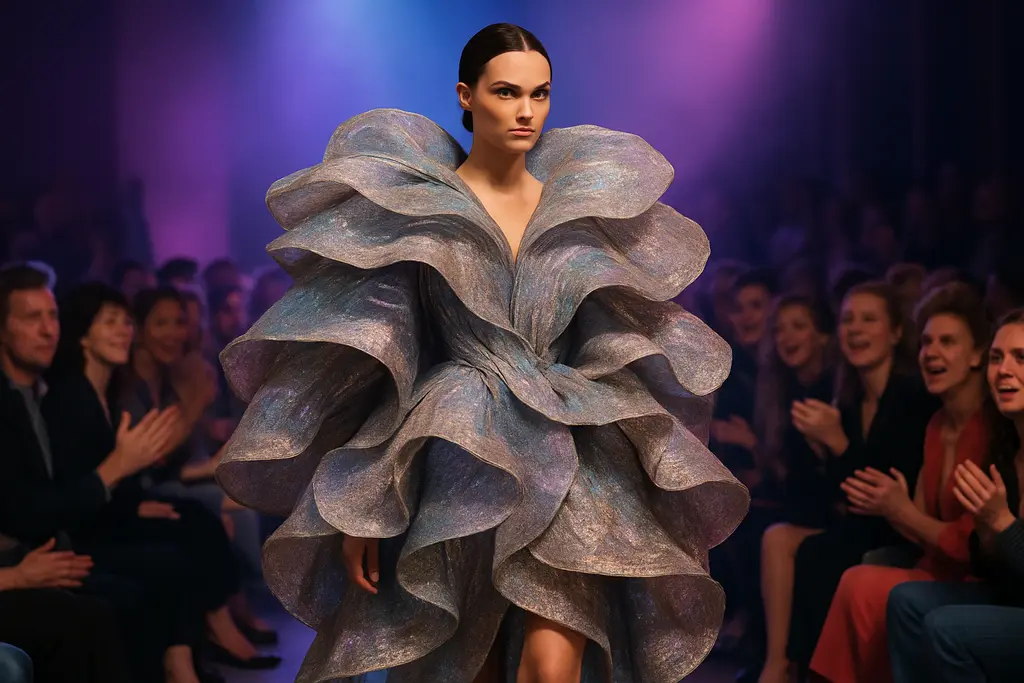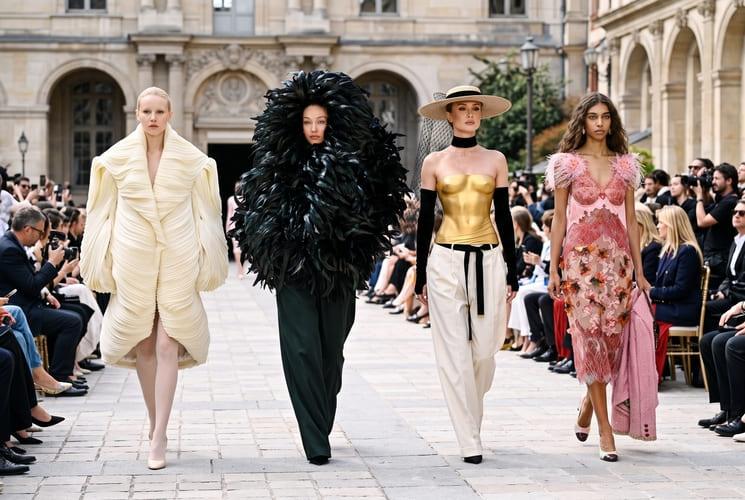

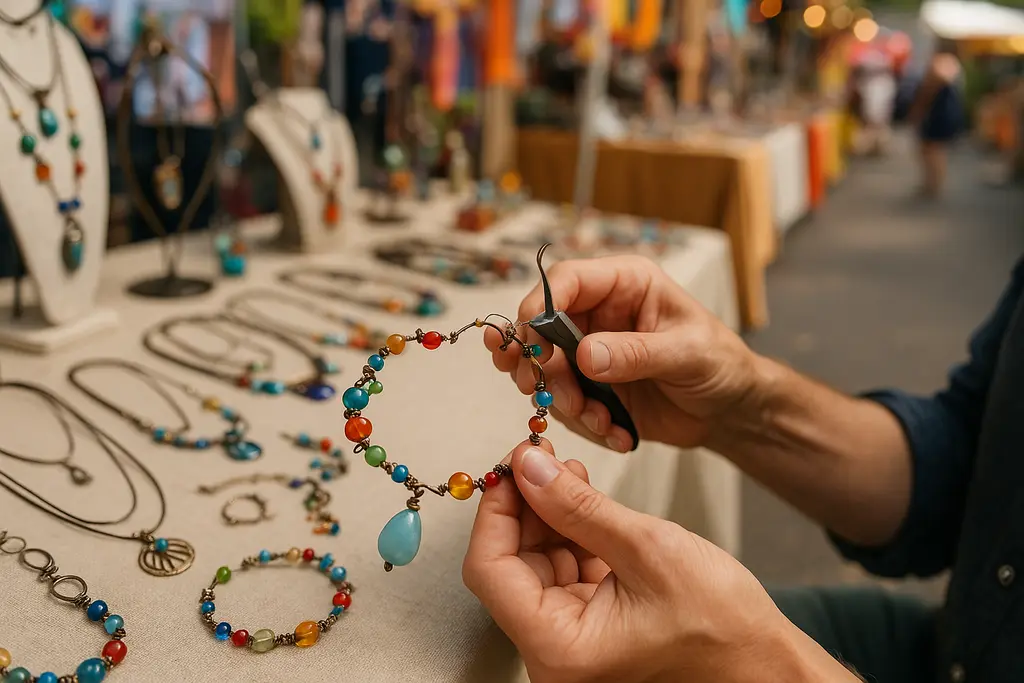
Handcrafted Fashion at Madison’s Art Fair on the Square deserves a review that keeps its feet on the pavement. The 68th annual fair took place on July 11–12, 2026, around Capitol Square, with more than 500 artists and nearly 200,000 visitors reported by the Madison Museum of Contemporary Art, which organized the event and notes that proceeds support free admission and educational programming at the museum throughout the year MMoCA event details. Those numbers suggest a vast public stage for wearable work, but they do not tell us whether a jacket is well cut, whether a clasp will survive a festival weekend, or whether a textile artist has priced labor with care. This review treats the fair as a buying environment and a creator classroom, not as a catalog of unnamed garments we cannot verify.
Handcrafted Fashion At Capitol Square
An outdoor art fair changes the way fashion is judged. A garment is not seen under the white hush of a gallery wall. It hangs in daylight, beside jewelry, ceramics, paintings, food, music, and the restless traffic of summer visitors. That setting can be merciless. Weak construction shows quickly when fabric moves in wind. Overworked ornament can lose authority beside stronger visual work. Clear silhouette, honest material labeling, and a booth display that allows touch without disorder become part of the product itself.
How Handcrafted Fashion Read In A Public Fair Setting
The research supports that handmade clothing and accessories were represented among the varied artistic expressions at the fair. It does not provide verified brand names, garment prices, fiber contents, or construction photographs. Because of that, any responsible review must avoid pretending to inspect specific seams or closures. The fair’s strongest confirmed value, from a product-review standpoint, is access: free admission, a Saturday schedule from 9 AM to 6 PM, and a Sunday schedule from 10 AM to 5 PM gave visitors time to compare wearable work with other media rather than buying in haste.
Handcrafted Fashion at an event of this scale benefits from proximity to fine art. A scarf does not merely compete with another scarf; it competes with a painting’s color discipline and a jeweler’s control of proportion. That pressure can improve the buyer’s eye. If a maker claims painterly influence, the surrounding fair silently tests the claim. If a necklace asks for sculptural attention, nearby sculpture and metalwork provide a living standard. The best lesson for aspiring creators is not to imitate another artist’s visual language, but to understand how line, restraint, scale, and material honesty cross between art forms.
Review Criteria For Wearable Art
Since the available research confirms categories and event structure rather than individual products, the fairest review method is a criteria-based one. Buyers and makers can use these points while walking an art fair, photographing booth notes where permitted, and asking respectful questions. The aim is not to interrogate artists as if they were factory vendors. The aim is to understand whether a wearable piece can live beyond the romance of a summer square.
Construction, Use, And Evidence
For clothing, first examine stress points: shoulder seams, underarms, waistbands, hems, and closures. For accessories, test the logic of attachment: earring backs, necklace clasps, bag straps, pin findings, and stitched joins. Ask how a piece should be cleaned or stored. A creator who can explain care limitations plainly often inspires more confidence than one who promises impossible durability. Handmade work may be delicate, experimental, or ceremonial; that is not a flaw if the buyer understands the intended use.
- Material clarity: fiber content, metal type, dye method, and care instructions should be stated or easily explained.
- Wearability: weight, movement, scratch points, breathability, and closure security matter as much as surface beauty.
- Originality with respect: references to art history, folk practice, or costume culture should be credited with care, not used as vague decoration.
- Pricing logic: price should reflect labor, materials, skill, booth costs, and artistic authorship without shaming buyers who need time to decide.
The concurrent Art Fair Off the Square also matters for this review because it focused on Wisconsin-based artists and included fiber arts and jewelry among its categories. Its 47th annual edition featured more than 110 Wisconsin artists, and the listed awards include Kristine Gruninger receiving Best in Show in the Fiber category Art Fair Off the Square awards. That award supports a narrow statement only: fiber work had formal recognition within the companion event. It should not be stretched into a claim that all textile items were fashion, or that any unnamed booth met couture standards.
Creator Lessons From The Fair Floor

For aspiring creators, the fair’s scale is both invitation and warning. Nearly 200,000 visitors can sound like a dream, yet crowd volume does not guarantee the right customer will stop, understand, and buy. Wearable art needs a booth language as precise as a sewing pattern. Too much inventory can make strong pieces look ordinary. Too little information can leave careful buyers uncertain. Outdoor dining, live music, and entertainment may lengthen a visitor’s stay, but they also divide attention. A maker’s display must speak quickly without shouting.
Booth Presentation As Product Design
A strong fashion booth should sort work by use, not merely by color. Coats, bags, jewelry, and textile accessories each need their own sightline. Mirrors should be available if trying on is permitted. Care cards should be visible. If a garment draws on historical clothing, regional craft, fantasy costuming, or fine-art references, the written note should distinguish inspiration from reproduction. That distinction protects artistic integrity and helps buyers value the maker’s own decisions.
Handcrafted Fashion also demands caution around likeness, fan culture, and recognizable character references. The research does not indicate that such products were present at the fair, so no claim should be made about any booth. Still, creators preparing for similar markets should keep rights-clearance questions in mind at a high level, especially if selling wearable pieces that resemble protected characters, celebrity images, or specific artworks. This is not legal advice; it is a practical reminder that originality is both an ethical and commercial strength.
Handcrafted Fashion Review Verdict
Handcrafted Fashion at Madison’s 2026 Art Fair on the Square earns attention as a public encounter between clothing, accessories, fine art, and local cultural life. The confirmed facts support a positive review of access, scale, and opportunity: free admission, long weekend hours, museum organization, volunteer support, live entertainment, dining, and a large artist presence created conditions in which wearable work could meet a broad audience. The companion Off the Square event strengthened the textile context by centering Wisconsin artists and recognizing fiber work within its awards.
The cautious verdict is equally clear. The available research does not support ranking individual garments, naming best booths, or claiming specific construction quality. A buyer should treat the fair as a place to slow down and ask better questions. A creator should treat it as a pattern laid on a cutting table: scale on one edge, artistic responsibility on another, and material truth running through the center like a grainline. The most successful handmade clothing and accessories in such a setting are not merely pretty objects. They are wearable arguments for labor, authorship, and restraint, stitched strongly enough to leave the square and enter daily life.