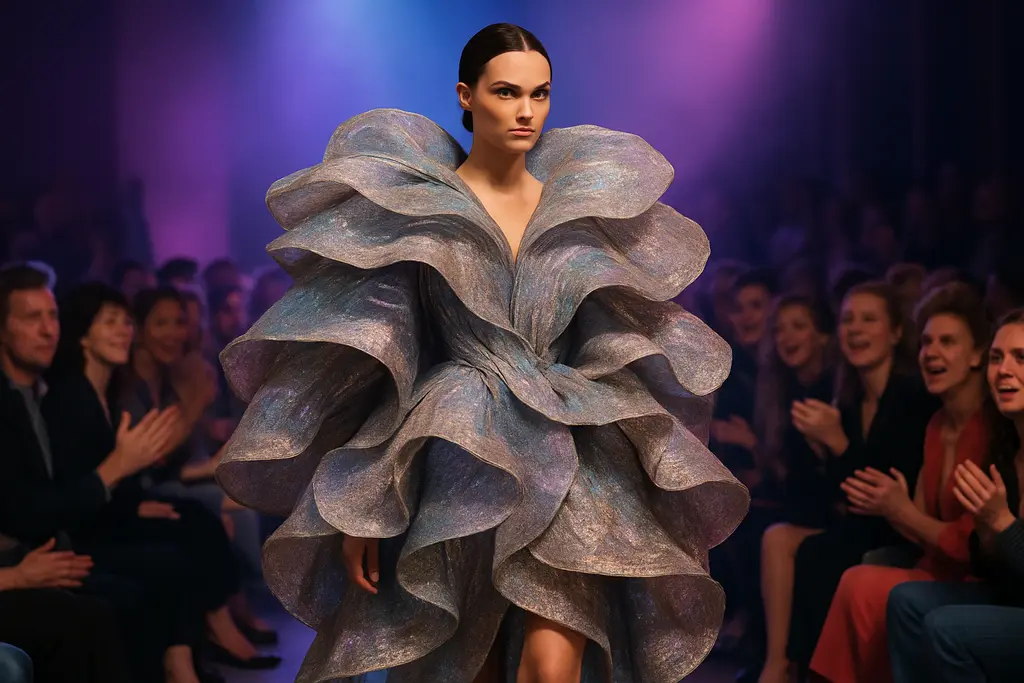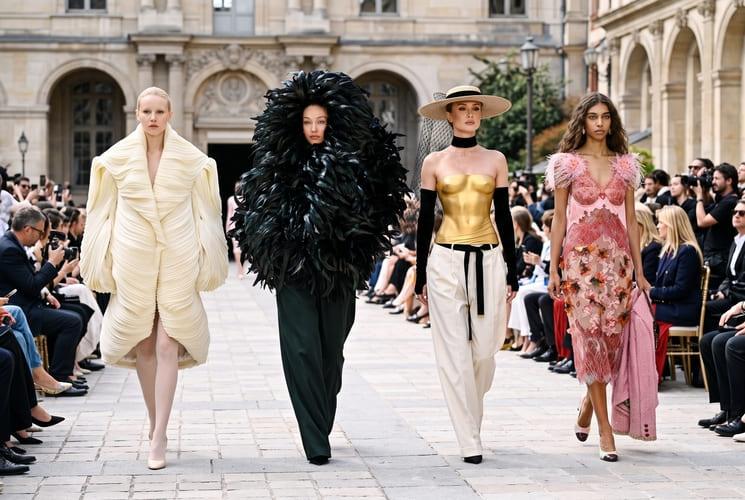

Handcrafted fashion has become a sharper point of difference as AI-generated imagery and AI-assisted design move through fashion marketing. The clearest evidence is not that consumers reject all technology. The stronger reading is that many consumers still attach value to visible human judgment, skill, and care. Vogue’s 2026 reader survey, conducted from March 16 to April 7 across 250 readers in the US, UK, and Europe, found that 24% of respondents felt AI-generated campaign images or videos could be as valuable as human-made ones, while 51% said they would feel more negatively toward luxury fashion or beauty brands using AI in product creation Vogue survey. That gap matters for fashion brands because the emotional value of clothing is rarely limited to fit or price. It often includes the story of how an object came into being.
Why Handcrafted Fashion Reads As Human
Handcrafted Fashion As A Signal Of Effort
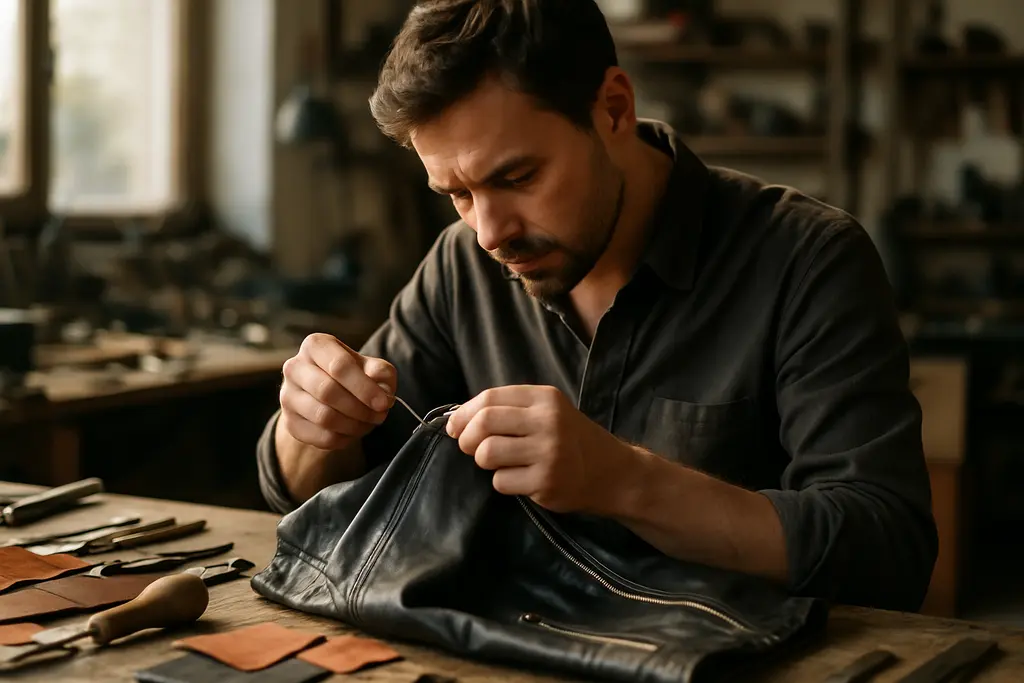
The appeal of handwork is partly visual. A visible stitch, mended seam, hand-stitched patch, or uneven surface can show the presence of a maker without needing a long explanation. That does not make every handmade product better than a machine-made one, and it does not mean craft should be treated as a decorative label. It means that the consumer can often see evidence of time and decision-making. In a market filled with polished campaign imagery, that evidence can feel more legible than a brand statement about authenticity.
For handcrafted fashion, the key distinction is authorship. AI-generated outputs can imitate surfaces quickly, but a garment shaped by hand carries signs of sequence: measuring, cutting, pinning, stitching, correcting, washing, pressing, and finishing. Those actions create small differences between pieces. In luxury and creator-led markets, those differences can be read as value rather than defect, provided the work is honestly described and fairly presented.
Why Perception Matters More Than Anti-AI Rhetoric
Brands should be cautious about treating anti-AI language as a shortcut to trust. Consumer skepticism toward AI does not automatically create trust in a handmade claim. If the claim is vague, the product is mass-produced, or the craft story is disconnected from the garment, the message can look opportunistic. A stronger approach is to identify which part of the product involved human skill. Was the embroidery done by hand? Was the garment repaired in-store? Was the illustration commissioned from a named artist? Was the pattern drafted by a designer before being manufactured at scale? Precision protects both the customer and the maker.
This is where artistic integrity becomes central. Fashion brands can reference craft traditions, artist collaborations, and repair culture without implying ownership over a community’s techniques or reducing makers to marketing props. Crediting collaborators, naming processes accurately, and avoiding claims that cannot be verified are practical steps. They also prevent handwork from becoming a vague mood board rather than a real production choice.
Repair Culture And The Gen Z Craft Turn
Mass-Market Brands Are Teaching Needle Skills
Repair culture gives the craft discussion a concrete form. Associated Press reported that mass-market brands including Levi’s, Uniqlo, and Primark introduced hands-on repair programs or hand-stitching courses in 2026, with Levi’s launching a hand-stitching course for high school students after recognizing that many Gen Z consumers lacked sewing skills; AP also reported that the Primark program was available in 17 of the retailer’s nearly 100 countries AP report. These programs are not couture, but they show how basic hand skills have become brand-facing tools.
The important shift is not that every young shopper now wants to sew. The supported claim is narrower: major apparel companies saw enough interest in sustainability, repair, and craft to build public programs around it. That makes handwork a retail experience, not only a product feature. A customer who learns how to mend a hem may form a different relationship with clothing. The garment becomes something maintained, not only consumed.
Repair As A Counterweight To Fast Visual Production
AI imagery can produce new fashion visuals at speed. Repair moves in the opposite direction. It asks the wearer to slow down, inspect damage, choose thread, and accept visible intervention. That pace is part of its cultural power. A repaired garment resists the idea that novelty is the only fashion value. It also creates a visible record of wear, which can be more convincing than a campaign built entirely around smooth perfection.
For handcrafted fashion, repair is one of the most accessible entry points. A brand does not need to produce every item by hand to support craft literacy. It can offer repair workshops, publish clear care instructions, train store teams to explain garment construction, or partner with local menders. The commercial risk is that these gestures become symbolic rather than material. If a repair program is tiny, temporary, or poorly staffed, the consumer may read it as image management. The most credible programs treat maintenance as part of the product’s life.
Brand Strategy For Human-Made Value
Use Process Without Turning Makers Into Props
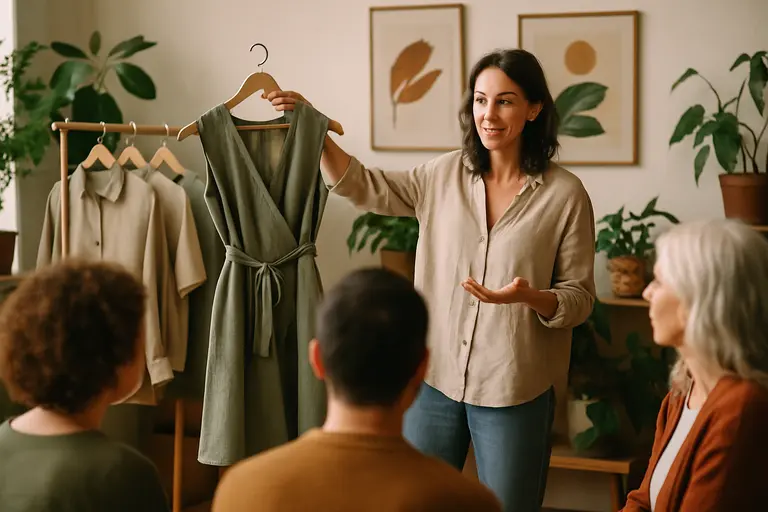
Fashion marketing has long used studio imagery, atelier scenes, and handwork footage to communicate value. In an AI-saturated context, those images gain new force, but they also require care. Showing a hand at work is not the same as explaining production. Brands should distinguish between a garment that is fully handmade, a garment with hand-finished details, and a mass-produced item promoted with handmade-inspired imagery. The distinctions may seem small, but they shape trust.
Independent sellers and small labels may have an advantage here because their scale can make process claims easier to show. A studio note, repair diary, material list, or maker credit can carry more weight than a broad slogan. For related analysis on why buyers are paying closer attention to visible craft and provenance, see this site’s coverage of handmade fashion brands. The same caution applies across categories: evidence should sit near the claim.
Where Related Craft Media Fit
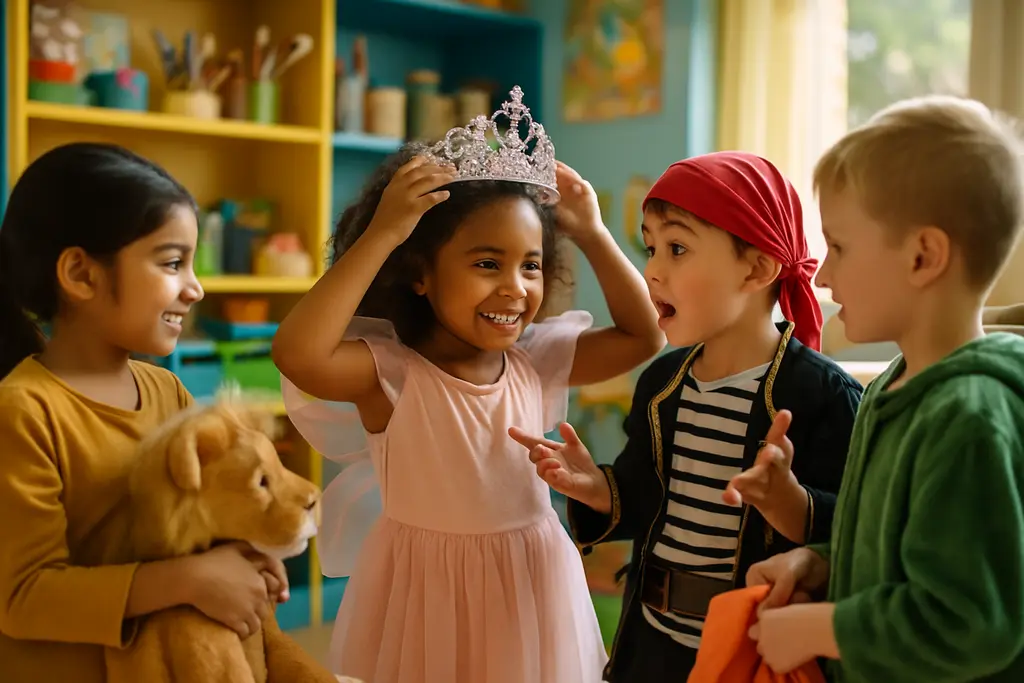
Fashion brands do not operate in isolation. DIY dress-up culture, cosplay sewing, handmade gifting, and creator-commerce markets have trained audiences to read labor through detail. A hand-bound trim, painted accessory, reconstructed jacket, or repaired denim panel can carry meaning because viewers understand that someone made a choice. Engaging with related style communities through platforms like Shimply demonstrates how handmade fashion intersects with everyday wear without elevating every item to rare artistry.
That distinction matters. Not every hand-altered garment is rare art, and not every AI-assisted sketch is valueless. A cautious brand strategy avoids false oppositions. It asks where human work adds meaning, where technology helps without erasing authorship, and where customers need clearer disclosure. The strongest claims are specific: hand-embroidered flowers, repaired seams, artist-drawn campaign assets, or in-store mending sessions. The weakest claims rely on abstract words that cannot be checked.
Handcrafted Fashion And Brand Trust
Handcrafted Fashion Without Anti-Tech Theatre
The future of craft-led fashion branding will depend less on rejecting technology outright and more on proving the presence of human skill. Consumers in the cited Vogue survey did not unanimously dismiss AI-made campaign material, but a larger share expressed negative feeling toward luxury and beauty brands using AI in product creation. That suggests a divide between curiosity and trust. For luxury, where price is tied to perceived expertise, the burden of proof is higher.
The most convincing handcrafted fashion strategy is evidence-based. It shows the maker, the process, the repair, or the material choice in a way that can be understood without exaggeration. It also respects artists and artisans by crediting their contribution rather than treating their labor as texture for a brand narrative. In that sense, handcraft counters AI-generated trend fatigue not by being nostalgic, but by making authorship visible. The garment becomes more than an image. It becomes a record of decisions, labor, and care that a customer can evaluate with their own eyes.