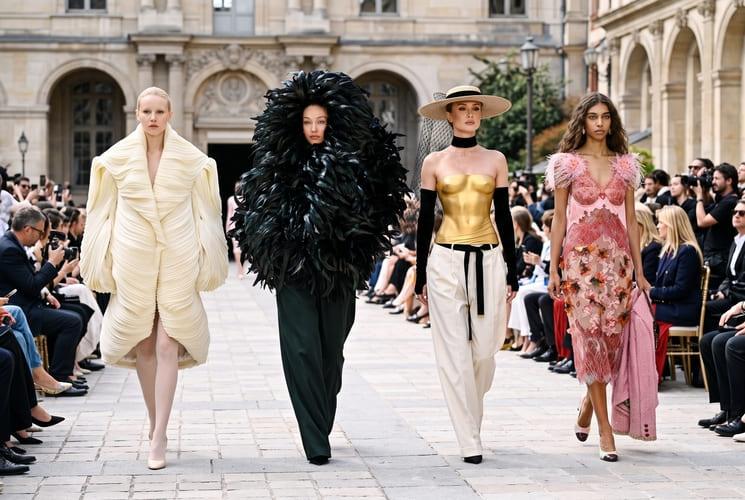
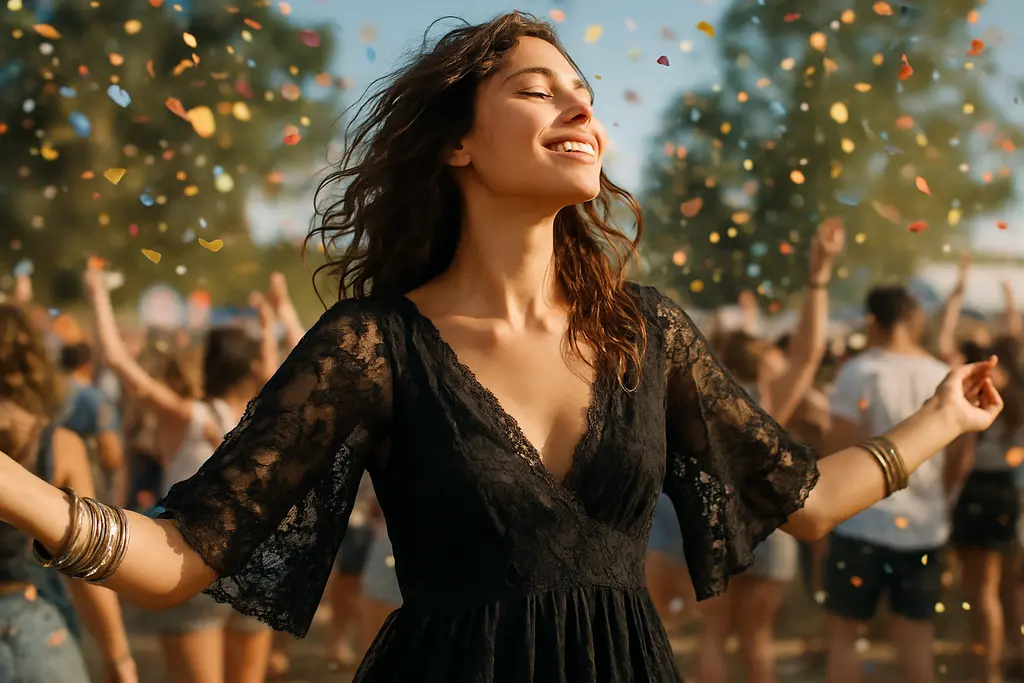
The witchy aesthetic gained a sharper fashion profile during Fall 2026, but its festival life deserves careful reading. Vogue reported on September 24, 2026, that designers including Comme des Garçons, Simone Rocha, Lanvin, and Rick Owens used dark palettes, dramatic silhouettes, lace, corsetry, and long sleeves as part of a wider witch-inflected mood in Fall 2026 dressing Vogue’s Fall 2026 report. Festivals did not invent these codes, yet they helped test how such runway signals could work away from formal shows: layered, weather-aware, handmade, and visibly personal.
That distinction matters. Festival fashion often operates as a social styling laboratory, where runway references, thrifted garments, costume play, and practical comfort meet. A lace sleeve under a jacket, a wide-brim hat worn with boots, or a corset layered over a loose top can read differently in a field than it does under runway lighting. The look becomes less about literal sorcery and more about mood, silhouette, texture, and ritual-like dressing habits.
How Festivals Reframe the Witchy Aesthetic
Festival dressing gives fantasy fashion a practical test. The research notes point to Coachella 2026 in Indio, California, which took place in April 2026, as a setting where runway cues were interpreted through crochet, prairie florals, folkloric textures, darker tones, and gothic-touched layers. Since the available research does not provide sales data or item counts, it would be too strong to claim that festivals caused the trend. What can be said with more confidence is that festivals made these visual ideas wearable, repeatable, and easier to adapt.
Witchy Aesthetic Cues That Travel Outdoors
The witchy aesthetic works especially well in festival settings because many of its components are already compatible with outdoor styling. Boots support movement; long sleeves add sun or wind coverage; loose trousers and frilled tops allow comfort; muddy tones are less fragile than pale festival whites. Vogue’s report also noted that an Urban Outfitters email pitch referred to a “whimsical witchcore aesthetic,” with frilly tops, loose trousers, and muddy tones among the key ideas. That retail language suggests that the mood was not confined to luxury runways.
For dress-up play, this portability is useful. A festival outfit can suggest a character without copying a named fictional figure or relying on a protected likeness. From a craft perspective, the most useful elements are broad design cues: matte black cotton, smoky brown gauze, uneven lace trims, antique-looking buttons, ribbon ties, and layered hems. These choices respect the artistic integrity of original film, television, and runway works by drawing from shared fashion language rather than duplicating a specific costume.
Festival Comfort Changes the Silhouette
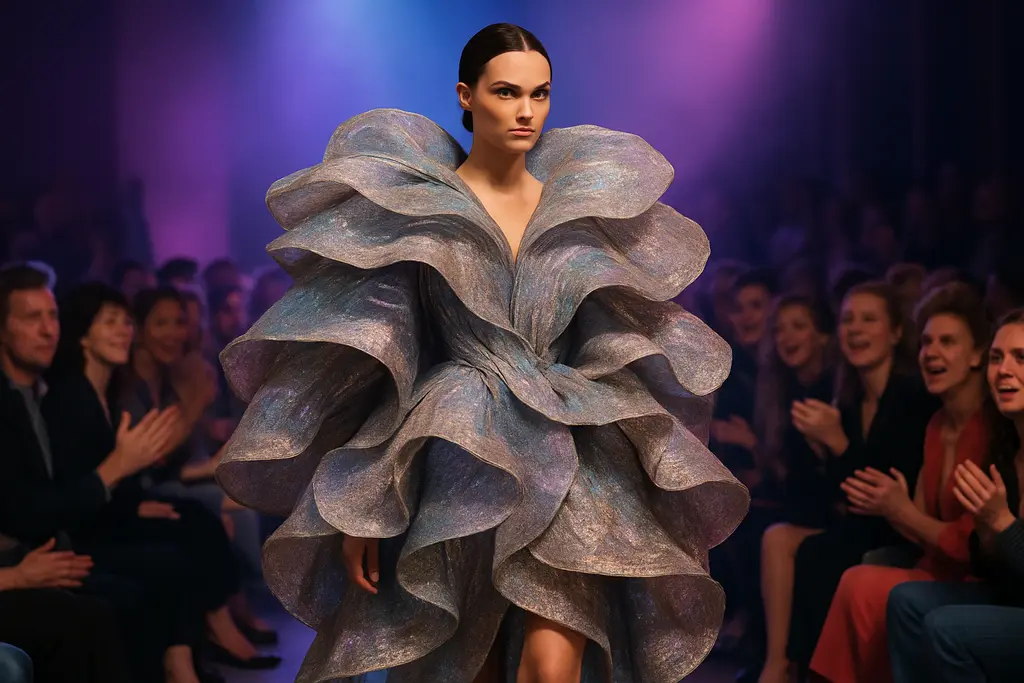
Runway witch dressing often favors severity: elongated sleeves, dramatic volume, narrow corsetry, or sculptural headwear. Festival translation softens that severity. A boned bodice may become a waist cincher worn over a breathable blouse. A floor-length sheer gown may turn into a lace skirt layered over shorts. A pointed boot may be replaced by a sturdier lace-up boot that still keeps the angular line. The style remains recognizable, but movement and weather shape the result.
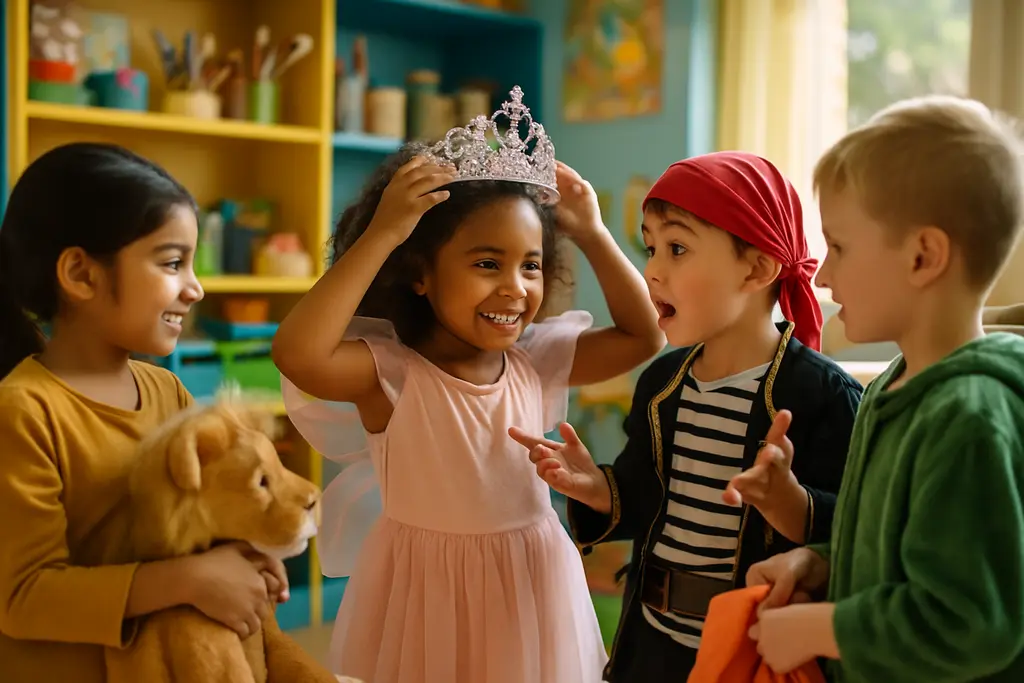
This is also where DIY costume design has real value. A maker can add removable lace cuffs, ribbon lacing, or a detachable hood to an existing garment instead of buying a single-use outfit. For families, performers, or cosplay-adjacent festivalgoers, these small changes support imaginative play while reducing the pressure to create a full theatrical costume. A related practical resource on witchcore fashion cues offers a useful bridge between runway analysis and wearable styling.
Media, Folklore, and Runway Signals
Elle reported on September 24, 2026, that releases and projects such as Practical Magic 2, Coven Academy, and American Horror Story: 13 renewed visibility around witchy fashion, with styling that mixed folklore, supernatural atmosphere, and handmade costume design Elle’s trend report. That media context helps explain why the look felt legible to a wide audience by Fall 2026. Viewers already had a visual vocabulary for lace, long hair, dark nails, corsets, capes, and shadowed romanticism.
Still, media visibility should not be confused with a license to copy. For creators selling handmade garments or accessories, the safer creative direction is to interpret broad motifs rather than reproduce recognizable costumes, character styling, or promotional imagery. A “moonlit lace capelet” or “black ruffle sleeve blouse” is a broader fashion object. A garment marketed as a direct replica of a named character’s look raises rights and likeness concerns that require more than casual trend awareness.
Fairytale Fashion Without Direct Imitation
The research notes also connect Fall/Winter 2026-2027 couture with a Fairy-Tale Era mood, including Irish folklore, mythological references, medieval and romantic styling, sheer gowns, lace, and ribbons. Those references intersect with the witchy aesthetic, but the overlap should be handled with care. Folklore-inspired fashion is strongest when it studies structure and symbolism instead of flattening cultures into costume shorthand.
A respectful DIY approach might focus on silhouette and material: a ribboned bodice, a gathered skirt, a sheer overskirt, or a weathered cloak. These elements can suggest mythic dress without claiming authenticity for a specific folk tradition. This is where fairytale costume design can serve play, photography, and festival wear while leaving space for historical and cultural specificity.
Mass-Market Festival Translation
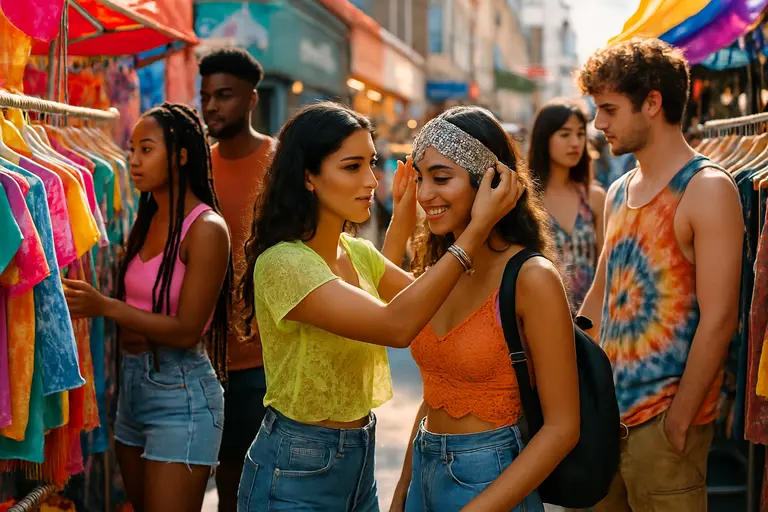
The research notes indicate that high-volume brands translated runway witchcore into more accessible festival-friendly looks during 2026, with ’70s boho romanticism, earthy textures, crochet, and dramatic ruffles appearing as overlapping codes. This supports a cautious reading: festival style did not merely receive the runway trend; it filtered it through garments people could walk, sit, dance, and layer in.
That process is visible in the way gothic and romantic details are scaled down. A runway cape becomes a fringed shawl. Edwardian drama becomes a high-neck blouse. A theatrical black gown becomes a sheer skirt over a practical base layer. These adaptations are not lesser versions; they are different design solutions for different conditions.
- Texture: lace, crochet, gauze, leather, and ruffled cotton create depth without requiring exact costume replication.
- Color: black, muddy brown, grey, deep green, and wine tones carry the darker mood in wearable ways.
- Shape: long sleeves, pointed footwear, corseted waists, and wide-brim hats signal the look quickly.
- Craft: removable trims, hand stitching, ribbon ties, and thrifted layers help the outfit feel personal.
For readers building mood boards or selling handmade accessories, a useful online resource like Shimply can become a part of the broader creative workflow, especially when focusing on presentation, product clarity, and styling language. The key is to describe materials and construction honestly rather than leaning on unverified claims about trend dominance.
Festivals Shaping the Witchy Aesthetic
Festivals shaped the witchy aesthetic by turning runway atmosphere into lived styling. They encouraged looser fits, tougher footwear, lighter layers, and handmade touches. They also made the mood social: a group of friends in lace sleeves, boots, and dusky palettes can create a shared visual story without wearing matching costumes.
The evidence available on October 10, 2026 supports a measured claim. Designers and media helped raise the visibility of witch-coded fashion in Fall 2026, while festivals showed how those codes could be softened, thrifted, and made practical. The strongest outfits are not copies of runway looks or screen costumes. They are interpretations built from proportion, texture, and restraint.
For DIY dress-up, that is the useful lesson. Start with one anchor piece, such as boots, a lace blouse, a corset belt, or a long dark skirt. Add one fairytale signal, such as ribbon lacing or a sheer sleeve. Then stop before the outfit becomes overloaded. The witchy aesthetic works best in festival fashion when it feels intentional, wearable, and artistically aware.