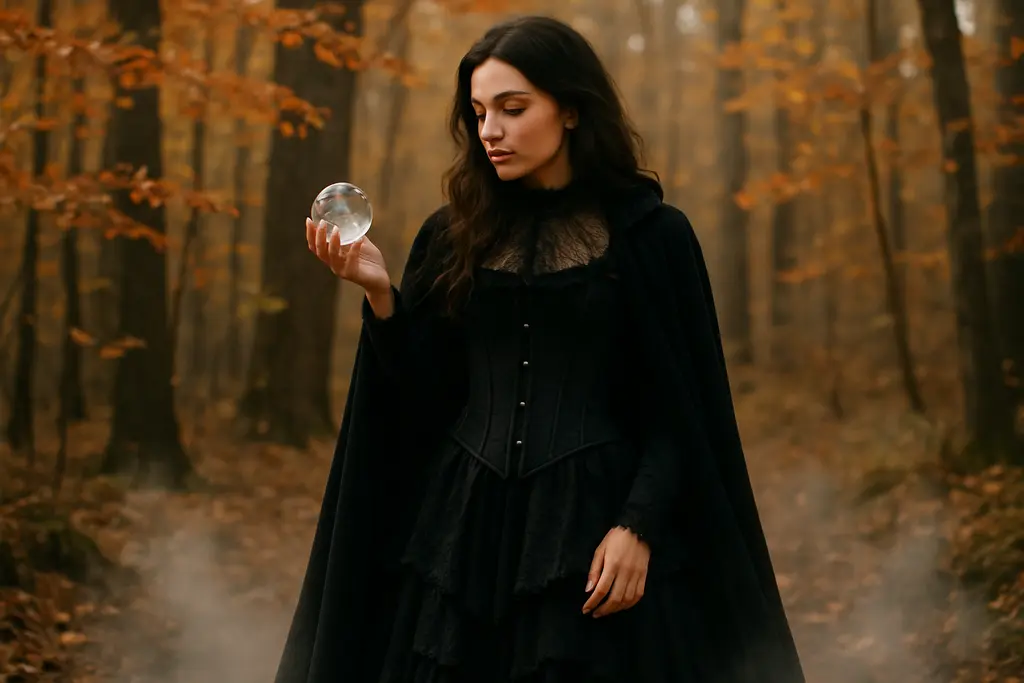
The witchcore aesthetic became one of Fall 2026 fashion’s clearest fantasy-facing signals, but the strongest examples did not rely on literal spellbook costume codes. They worked through silhouette, surface, and mood: capes, lace, corsetry, fishtail hems, trumpet sleeves, high boots, patent leather, and dark romance. As of September 28, 2026, the main runway shows and couture presentations discussed here had already taken place, so the useful question is not whether the trend will arrive. It is how designers converted supernatural suggestion into wearable fashion language.
Witchcore Aesthetic Signals In Fall 2026
Runway Motifs Already Shown
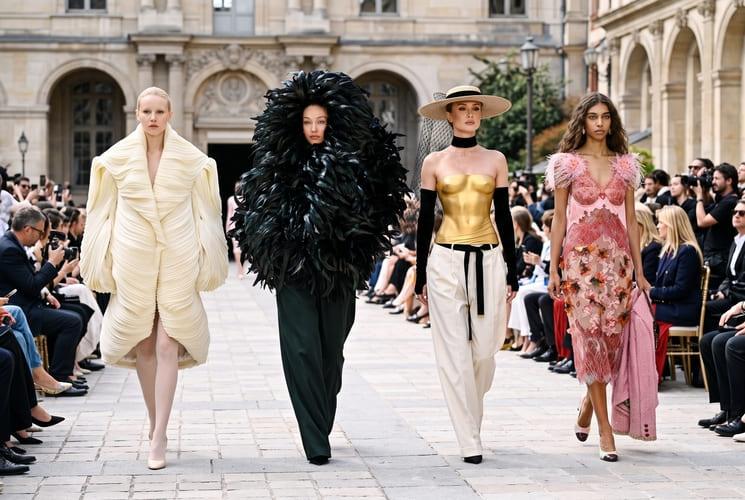
On September 24, 2026, Vogue reported that designers including Comme des Garçons, Rick Owens, Erdem, and Lanvin had integrated supernatural and witchy motifs into Fall 2026 collections, with gothic-leaning features such as cape details, fishtail hems, long trumpet sleeves, corsetry, and lace appearing as key visual cues Vogue reported. Those collections were already shown by September 28, 2026, which makes the trend suitable for retrospective analysis rather than speculative forecasting.
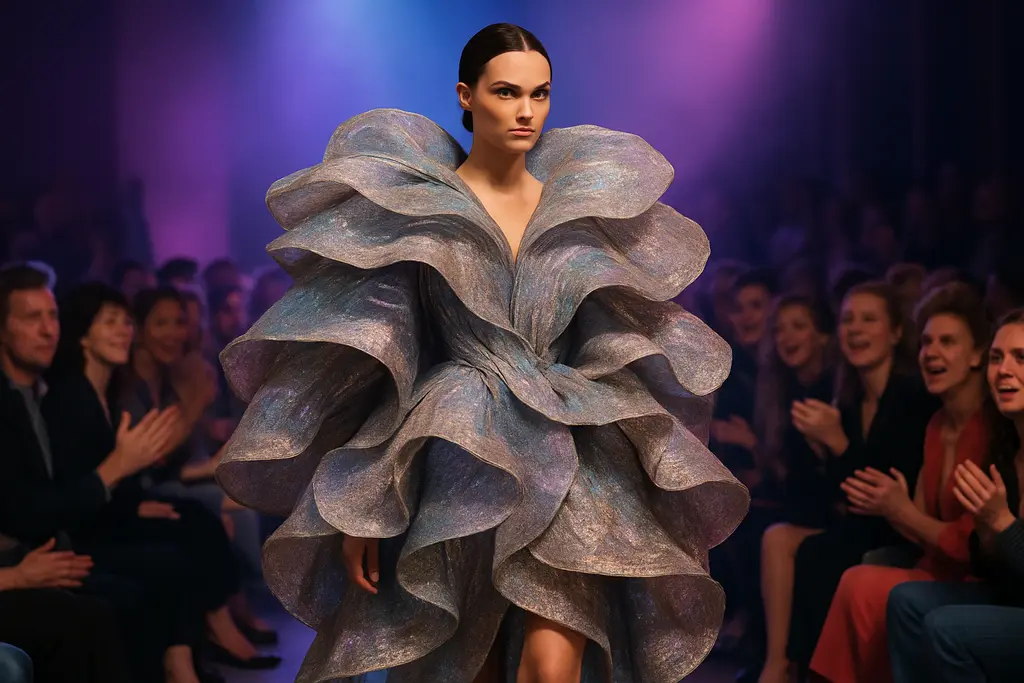
The most persuasive looks treated witchiness as structure. A cape alters the body’s outline before any decorative detail enters the picture. A fishtail hem controls movement and creates a severe trailing line. Long trumpet sleeves bring theatrical scale to the arm, especially when paired with lace or dark fabric. Corsetry, used cautiously, creates historical tension without requiring a direct period costume. Together, these choices build a fantasy mood through proportion rather than imitation.
Why The Witchcore Aesthetic Reads As Fashion
The witchcore aesthetic operates best when it avoids a single fixed template. A pointed boot, a lace sleeve, or a capelet can suggest folklore without turning the wearer into a copied character. That distinction matters for dress-up play because fantasy dressing often becomes more expressive when it leaves room for personal invention. A handmade black ribbon, a removable collar, or a layered mesh overskirt can carry the feeling of ritual and mystery while staying flexible enough for daily styling, party wear, or informal costume events.
This is also where fashion’s relationship to original works needs care. Films, television, runway shows, and literature can inspire mood boards, but direct replicas of protected characters or recognizable costumes raise rights and likeness concerns, especially for sellers. For personal dress-up, interpretation is usually the more artistically interesting path anyway. A maker can study sleeve volume, fabric contrast, or the emotional tone of a scene without reproducing an identifiable design.
Media Influence And The Aspirational Witch
Film And Streaming References After Release
ELLE’s September 24, 2026 reporting connected the renewed witchy look to Practical Magic 2, which had been released in theaters in 2026, and American Horror Story: 13, which was streaming as of the report date. The same report described costume designer Lou Eyrich’s idea of the “aspirational witch,” expressed through capes, high heels, knee-high boots, patent leather, and personalized lace or floral details ELLE noted.
That phrasing is useful because it frames witch dressing as desire, polish, and self-styling rather than simple spookiness. The high heel becomes an instrument of posture. The knee-high boot gives the outfit a firm visual base. Patent leather reflects light in a sharper way than matte suede or cotton, so it introduces a harder edge. Floral details soften that severity, especially when placed near the neckline, cuff, or hem. The result is not a horror costume; it is a controlled mixture of threat, romance, and personal symbolism.
Celebrity Styling As Supporting Evidence
Research notes from late July and September 2026 recorded public styling moments tied to the Practical Magic 2 press cycle, including sheer dark lace, muted translucence, red dresses, and black tie details. These appearances had already happened by September 28, 2026. They should not be treated as proof that every consumer adopted the same codes, but they do show how media-linked styling can make runway ideas more legible to a wider audience.
The key translation is restraint. A sheer skirt can become theatrical very quickly, yet it reads more like fashion when balanced with opaque layers, grounded footwear, and a controlled color palette. Red fabric with a black tie detail can suggest gothic romance without requiring occult symbols. For dress-up makers, that balance is practical: one symbolic detail often communicates more clearly than five competing references.
DIY Dress-Up And Fairytale Construction

Craft Cues That Carry The Mood
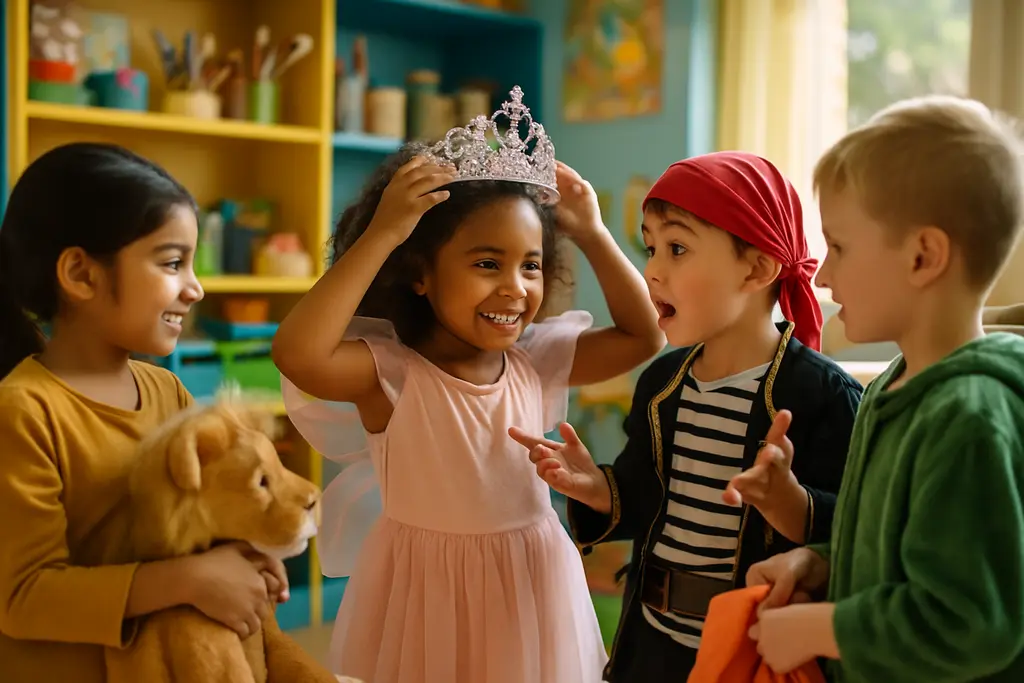
For makers, the witchcore aesthetic offers a generous craft vocabulary because many of its strongest signals can be added to existing garments. A thrifted black dress can change character through a detachable lace collar. A plain boot can gain period feeling with ribbon lacing. A simple skirt can move toward fairytale drama with a tulle layer, a fishtail panel, or a darker underskirt. These projects also support dress-up play by allowing the wearer to test identity, posture, and character without committing to a full replica costume.
- Capelet: Use black, charcoal, or deep brown fabric to create shoulder volume without hiding the full outfit.
- Lace cuff: Add removable cuffs to sleeves for a Victorian or Edwardian echo without altering the base garment permanently.
- Boot ribbon: Thread satin or grosgrain ribbon through existing eyelets to suggest witchy boots without buying a new pair.
- Layered skirt: Combine opaque fabric with mesh or tulle to create shadow and movement.
- Floral pin: Place one dark or muted floral accent at the shoulder, waist, or collar for a softer magical note.
Readers comparing handmade inspiration across fantasy trends may also find dark coquette themes useful, since lace, high necklines, and theatrical romance overlap with witchy styling. For a broader look at related fashion and craft ideas, Shimply is a related site in the same network and serves as a practical starting point.
Rights, References, And Originality
DIY fantasy fashion benefits from a clear boundary between influence and duplication. It is reasonable to study the way Fall 2026 designers used capes, long sleeves, lace, corsetry, and dark romantic silhouettes. It is less responsible to sell work that presents itself as a direct copy of a film costume, television character, celebrity outfit, or runway look. This is not legal advice, but it is a sound creative practice: take the construction idea, then change the story.
Original world-building helps. Instead of naming a piece after a known screen witch or copying a famous costume, a maker might create a “moonlit herb-garden dress,” a “storm-caller capelet,” or a “library séance collar.” Those names signal mood without leaning on another artist’s protected identity. They also give wearers space to invent their own characters, which is one of the strongest benefits of dress-up play.
Witchcore Aesthetic As Fashion Practice
A responsible reading of the witchcore aesthetic in Fall 2026 recognizes both its fantasy appeal and its design discipline. The trend did not depend only on occult symbols. Its strongest fashion logic came from controlled silhouettes, dark surface texture, romantic historical cues, and media-informed styling that had already entered public conversation by late September 2026.
For dress-up enthusiasts, the lesson is practical. Start with shape, then choose texture, then add one symbolic accent. A cape, boot, lace cuff, or floral detail can suggest an entire fairytale without overwhelming the wearer. That measured approach respects the artistry of runway designers and screen costume teams while leaving room for personal craft. The result is fantasy fashion that feels intentional, expressive, and adaptable rather than a direct copy of someone else’s work.