
DIY Dress-Up Ideas drawn from The Museum at FIT’s Doll Dressing exhibition work best when they treat designer references as study material, not as shortcuts for copying. The exhibition opened on September 16, 2026, and is scheduled to run through January 3, 2027; its official description centers on the long connection between dolls, fashion, runway presentation, and scale FIT exhibition notes. For home costuming, the useful lesson is not that a maker should reproduce a designer garment. It is that proportion, surface detail, construction choices, and play can be translated into original dress-up looks with clear design distance.
DIY Dress-Up Ideas And The Doll Scale Problem
The most useful starting point is scale. Doll clothing often exaggerates seams, trims, tabs, closures, and silhouettes because small objects need strong visual cues. In dress-up, those cues can be expanded again into theatrical garments. The risk is that a costume can become either a direct replica or a shapeless pile of references. A better approach is to identify one structural idea, then build the rest of the outfit around it.
Scaling DIY Dress-Up Ideas From Miniature To Wearable
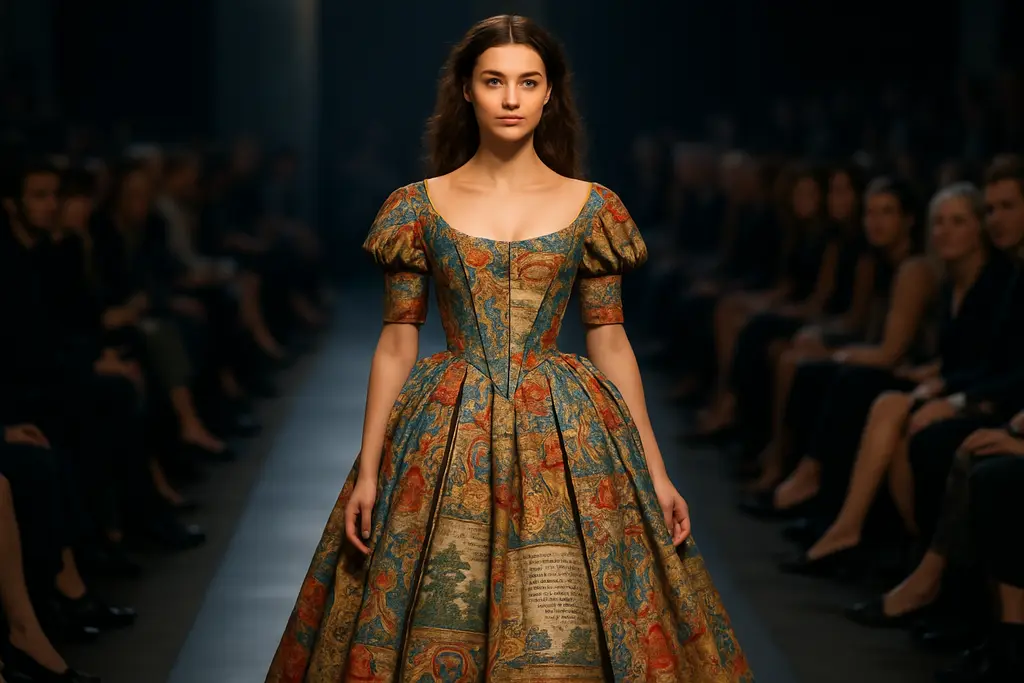
Martin Margiela’s Fall 1994 work in the exhibition offers a clear example. The research notes describe garments enlarged to 5.2 times typical doll size, with exaggerated seams, unusual proportions, and imperfect construction. A home version should not try to duplicate a runway garment. Instead, use the concept of enlargement: visible hand stitches made with yarn, a coat with deliberately oversized patch pockets, or a tunic with a lining that is meant to show. Canvas, quilting cotton, or thrifted curtain fabric can create a stiff silhouette without pretending to be couture.
For DIY Dress-Up Ideas based on this scale shift, safety and movement matter. Large shoulder pads can read as doll-like, but they should be light enough for a child or adult to move comfortably. Raw edges can be stabilized with a zigzag stitch so the look suggests unfinished construction without shedding fibers through a classroom, party, or photo session.
Paper Tabs As Costume Language
Moschino’s Spring 2017 paper-doll reference, with protruding tabs, is especially adaptable for non-commercial dress-up. Foam sheets, felt, or cardboard can be attached to a base skirt, collar, or belt. The key is to make the tab readable without reproducing any specific garment print. A white collar with large side tabs, a flat bow, and a painted outline can suggest the paper-doll tradition while still becoming an original costume.
Designer Cues That Translate Into Costume
The exhibition’s range encourages a broad reading of fashion influence. Balenciaga’s baby-doll and 1957 sack silhouettes, Anna Sui and Jason Wu miniatures, Lirika Matoshi’s 2024 Apartment Coat, 1960s Mod references tied to Foale & Tuffin and Mary Quant, and conceptual layers associated with Undercover and Comme des Garçons all point toward different costume problems. Some depend on silhouette. Some depend on surface. Others depend on the idea of clothing as an object of play.
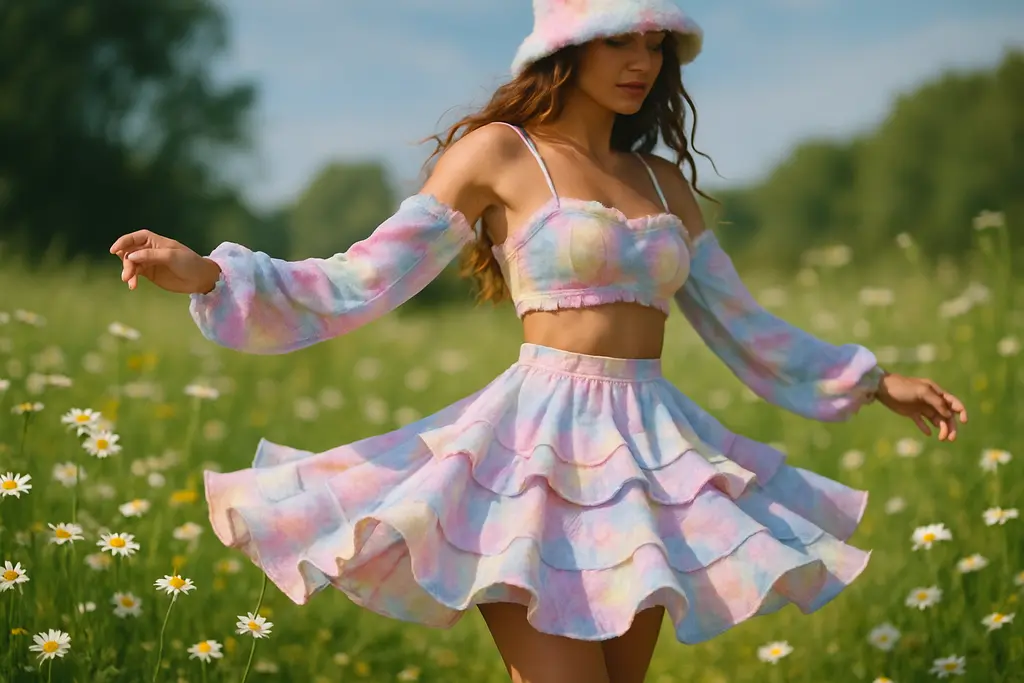
- Sack or baby-doll shape: Use an A-line dress with little or no waist shaping. Chiffon, voile, or a lightweight sheet fabric can make the volume soft rather than stiff.
- Miniature runway echo: Start with thrifted separates, then add one doll-scale accessory such as a tiny handbag worn as a brooch or a small matching hat.
- Apartment-coat surface: Cut felt windows, bookshelves, pillows, or lamps and appliqué them onto a plain coat. Faux fur trim can frame the garment without copying a specific layout.
- Mod doll styling: A color-block shift dress, knee socks, round earrings, and a simple geometric headband can refer to 1960s doll fashion without relying on brand marks.
- Conceptual layering: Add asymmetrical overlays, one mismatched sleeve, or a sheer second layer to create an abstract silhouette.
These DIY Dress-Up Ideas are strongest when one cue dominates. A paper tab skirt plus an apartment coat plus broken-doll makeup plus Mod accessories will fight for attention. A single thesis, such as “flat paper garment made wearable” or “dollhouse coat,” gives the costume a clearer line.
Construction Choices For Safe Wearable Play
Dress-up play often asks clothing to do more than ordinary fashion. It must survive sitting, running, storage, and repeated handling. That practical demand changes how designer inspiration should be interpreted. A runway garment can prioritize concept over comfort. A costume needs enough flexibility to let the wearer act, pose, and rest.
Soft Structure Before Hard Props
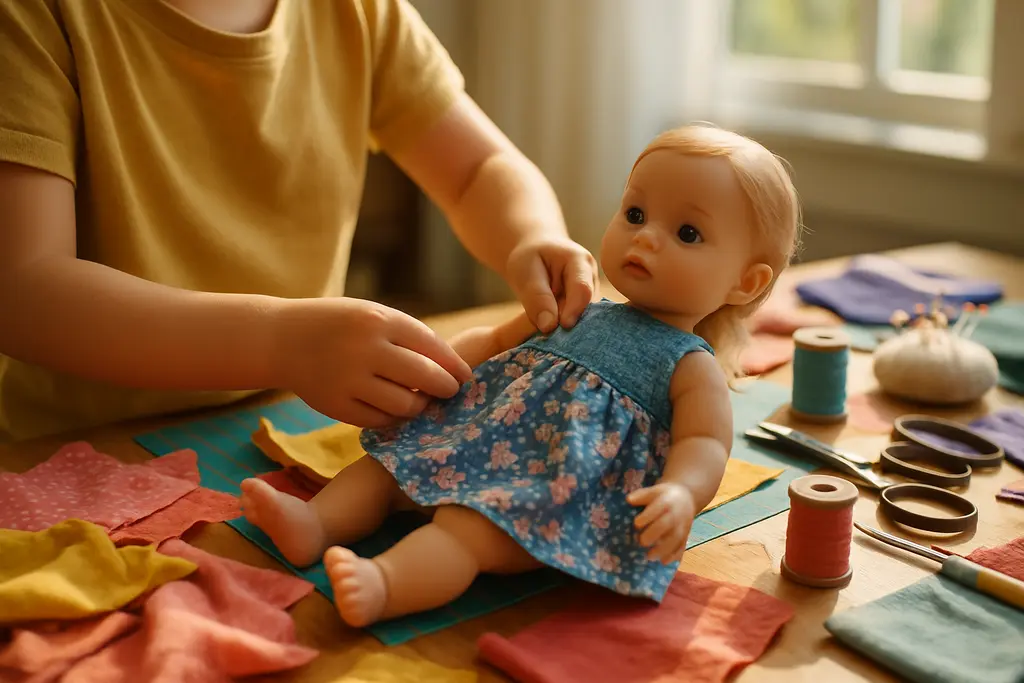
Foam core tabs are crisp, but they can bend or poke. Felt tabs are softer and safer for younger wearers, though less sharp in outline. Cardboard can work for a short indoor photo session, but it is less suitable for long wear. For enlarged seams, yarn stitched through pre-punched holes gives the impression of giant sewing without forcing a needle through heavy cloth. This is a practical way to let children participate in the making stage with adult supervision.
For broken-doll or deconstructed looks, avoid actual hazards. Torn tights can snag toes; long dragging fabric can trip the wearer; face paint near the eyes can irritate skin. The safer solution is controlled distressing: uneven hems that stop above the ankle, patched holes backed with contrast fabric, and smudged effects placed away from the waterline. The look can still suggest fracture, glitch, or imperfection without creating avoidable risk.
Materials That Carry The Idea
Material choice should follow the concept. A baby-doll silhouette benefits from lightweight fabric because the body line is loose. A Margiela-inspired scale study benefits from heavier cloth because the seams and pockets need presence. A Matoshi-inspired domestic appliqué coat benefits from felt, fleece, or fabric paint because those materials support clear shapes. Makers who want a broader exhibition companion can compare these notes with this related piece on Doll Dressing and fashion play.
Readers looking to explore costume craft further can find additional insights on related arts and culture topics over at Next Clues, a platform that serves as another reference point within this network. Even within such explorations, the design work should maintain alignment with the insights from the documented FIT exhibition material.
Rights, Respect, And Design Distance

Designer-inspired dress-up is not the same as producing replicas for sale. A home costume can learn from shape, scale, and construction while avoiding logos, exact prints, signature brand layouts, or living-person likenesses. That caution protects the artistic integrity of the original work and gives the maker more creative room.
A useful test is to describe the costume without naming the designer. If the description still works — “oversized doll coat with giant stitches,” “flat paper-tab skirt,” “soft sack dress with ruffled sleeves,” or “coat covered in felt room motifs” — the design has likely moved into a more independent space. If it only reads through a brand name, it may need more revision.
This matters most for creator-commerce. Selling a costume based on a museum object, runway piece, doll line, or recognizable fashion house reference can raise rights questions. This article does not provide legal advice. The practical creative advice is narrower: use broad historical or formal cues, document your own sketches, avoid protected marks, and do not imply endorsement by a designer, museum, toy company, or fashion house.
DIY Dress-Up Ideas From Doll Dressing
The strongest costume lessons from Doll Dressing are about translation. A doll garment changes fashion by shrinking it. Margiela’s enlarged doll scale changes it again. Moschino’s tabs flatten clothing into graphic play. The baby-doll and sack shapes loosen the waist. The apartment coat turns a garment into a room. Broken-doll styling questions polish, while Mod doll references use geometry and youth-coded proportion.
For DIY Dress-Up Ideas at home, choose one of those design verbs: enlarge, flatten, loosen, layer, patch, or fracture. Then make every material decision serve that verb. The result will be more respectful to the designers featured in the exhibition and more satisfying as a costume. Instead of imitating an artwork, the wearer gets an original dress-up piece that understands why the reference mattered.