
Packing a suitcase for a trip to the French capital demands a highly calculated approach. The streets of the city act as a daily runway for local residents. The local aesthetic leans entirely on restraint rather than excess. Visitors routinely pack clichéd items, expecting to replicate a look that vanished decades ago. Today’s street style focuses on architectural silhouettes, premium fabrics, and a distinct lack of obvious effort. Building a functional travel wardrobe requires ignoring fleeting fads and zeroing in on garments that offer maximum utility across different arrondissements, weather conditions, and social settings.
The fashion landscape in 2026 introduces subtle shifts in volume and proportion. Trends have moved away from hyper-fitted garments toward relaxed tailoring, barrel-leg trousers, and understated luxury. A successful packing strategy captures this exact spirit, making sure every item serves multiple purposes and functions beautifully from a morning espresso run to a late-night dinner reservation.
Locals favor a restrained aesthetic built on a foundation of confidence. They prioritize comfort and longevity over flashy, fleeting trends. You will see people walking briskly to the metro, sitting for hours in public parks, and running daily errands. Their clothes reflect a lifestyle built around walking and moving seamlessly through very different environments. A successful travel wardrobe captures this exact spirit. You want pieces that mix easily, travel well, and make you feel entirely at ease.
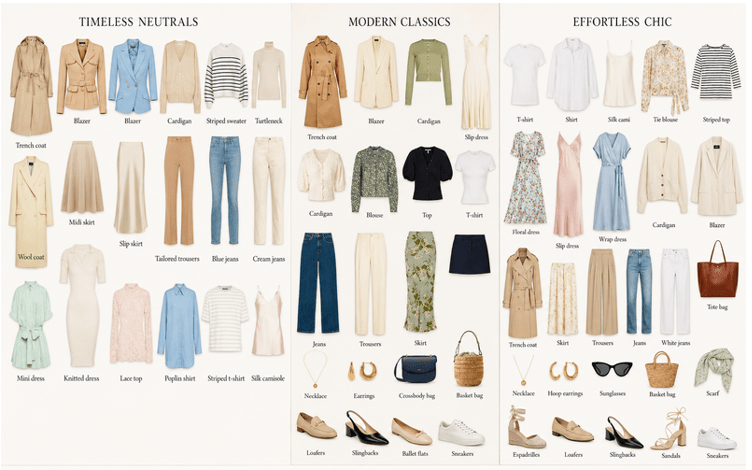
Anchor Your Wardrobe In Neutral Color Palettes
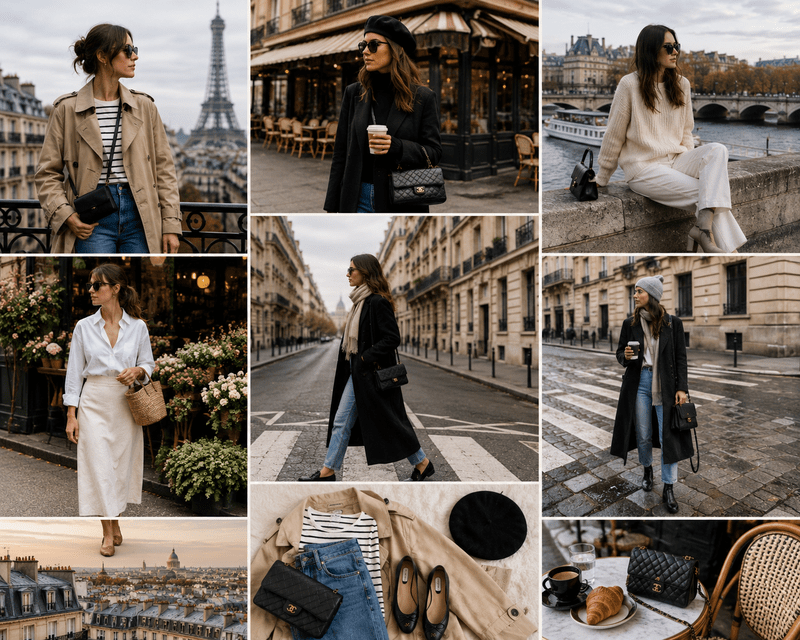
Color theory plays a massive role in Parisian fashion. Black, navy, beige, camel, and crisp white form the absolute foundation of a highly functional travel wardrobe. These shades reflect the historical architecture of the city, perfectly complementing the pale limestone buildings and grey zinc roofs. Mixing these exact shades creates endless outfit combinations without requiring heavy luggage. A suitcase filled with neutral tones allows a traveler to get dressed in the dark and still look perfectly put together.
Bright neon colors and loud, chaotic prints are incredibly rare on the streets of the central districts. Sticking to a subdued palette helps a visitor blend in seamlessly with the local crowd. This often results in better service at neighborhood bistros and draws far less attention from pickpockets in crowded tourist zones. For 2026, street style photographers capture residents adopting a highly understated approach to color. Subtle touches of cobalt blue or deep burgundy appear in small accessories, such as a silk scarf or a leather handbag, rather than in primary garments.
The psychological effect of wearing neutrals in a busy urban environment provides a sense of calm confidence. French style dictates that the person should wear the clothes, not the other way around. A beautifully cut beige trench coat over straight-leg dark denim highlights the wearer’s face and posture. Loud garments distract from the individual. Relying on a minimalist travel wardrobe based entirely on complementary neutral shades removes the daily stress of outfit planning, freeing up mental energy for museum visits and long café lunches.
Prioritize Intelligent And Low-Profile Footwear
The historic streets present a serious physical challenge for pedestrians. Cobblestones cover massive sections of the most popular neighborhoods. The metro system features hundreds of steep stairs with very few escalators. High heels get stuck in the gaps between stones, ruining expensive shoes and risking severe ankle sprains. Local residents attending formal events opt for thicker block heels, chic kitten heels, or elegant flats to handle the unpredictable pavement. Protecting your feet means making much smarter, flatter choices for daytime exploration.
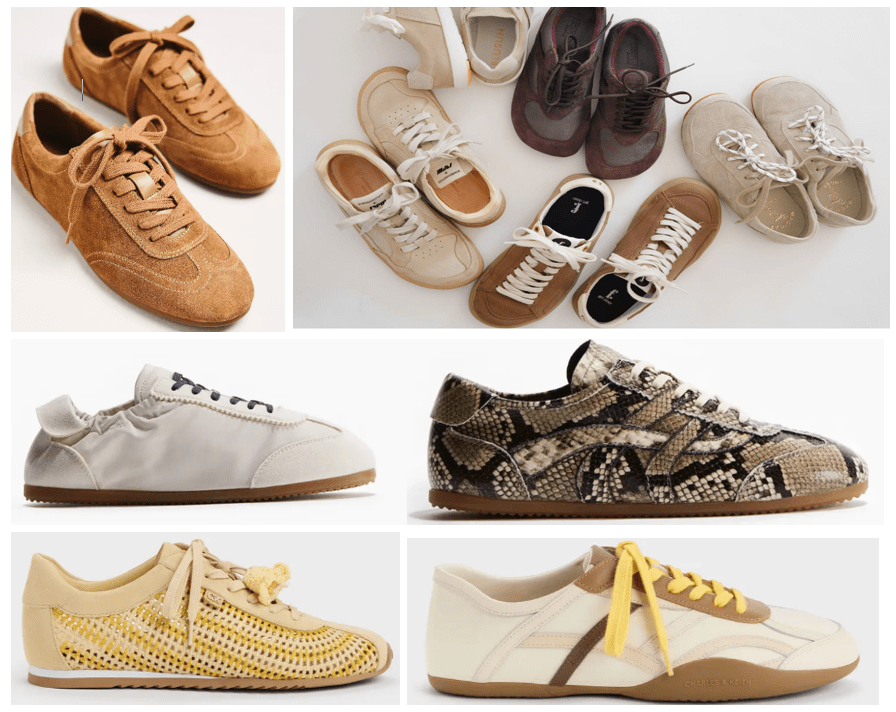
Heavy, maximalist running shoes with thick soles have completely fallen out of favor. In 2026, European sneaker style leans heavily toward slim, low-profile silhouettes. Brands producing crisp white leather sneakers or subtle suede trainers appear on every street corner. These low-profile options pair easily with maxi dresses, wide-leg trousers, and tailored skirts for long days at the Louvre or the Musée d’Orsay. Keeping sneakers wiped clean maintains a sharp, deliberate appearance. Leather sneakers hold up much better against sudden rain showers than their canvas counterparts.
Leather loafers, two-tone cap-toe ballet flats, and soft suede slingbacks bridge the gap between casual daywear and evening dinners. A flat penny loafer provides stability for walking blocks from a metro station to a hidden restaurant in the Marais. Soft leather molds to the wearer’s feet over time, preventing blisters during long walking tours. Finding the right balance of anatomical support and aesthetic appeal takes time. Reviewing a trusted guide to comfortable walking shoes well before a flight guarantees that the selected footwear can handle twenty thousand steps a day.
Invest In Structural And Architectural Outerwear
Outerwear defines the entire outfit for more than half the year. From October through April, a coat is the only garment anyone actually sees on the street. Packing the right jacket matters more than the layers underneath. Puffer jackets keep people warm on ski slopes but look entirely out of place on city streets. A long, heavy wool coat in camel, charcoal, or navy provides warmth and style simultaneously. Local women rely on heavy wool blends and double-faced cashmere rather than sporty nylon jackets from November through March. A long coat covers the legs, offering extra insulation against the biting winter wind blowing off the Seine.
Spring and autumn require lighter, highly transitional pieces. The classic trench coat remains an absolute staple for a reason. Frequent, unpredictable rain showers make a water-resistant layer highly practical. A beige or navy trench coat adds instant polish to a simple jeans-and-t-shirt combination. Belting the coat tightly at the waist creates a strong, defined silhouette. Leaving it open provides a relaxed, flowing look. Funnel-neck jackets in sleek leather or cropped silhouettes have gained massive popularity in 2026, offering a modern alternative to the traditional trench.
Military-inspired jackets featuring sharp shoulders and brass buttons provide another excellent option for transitional weather. These structured pieces pair beautifully with the softer drape of modern barrel-leg trousers or silk midi skirts. The contrast between a rigid, architectural jacket and a fluid bottom half creates a perfectly balanced look. Outerwear must fit the body correctly, with shoulder seams hitting in the exact right spot.
Master The Seamless Day-To-Evening Transition
Returning to a hotel room to change clothes before dinner wastes valuable vacation time. European cities sprawl across massive areas, and commuting back and forth breaks the natural flow of the day. The smartest approach involves building a base outfit that transforms for the evening with just one or two small adjustments.
Carrying a massive, overstuffed tote bag into an intimate bistro feels clunky and awkward. Swapping a daytime canvas tote for a compact leather shoulder bag or a woven pouch holds just a phone, cards, and lipstick. Leaving the bulky bag behind instantly elevates the evening look and frees the wearer from carrying unnecessary weight during a late dinner. Petite pouches featuring beaded embroidery or satin finishes have become highly favored for their ability to add a creative spin to simple summer staples.
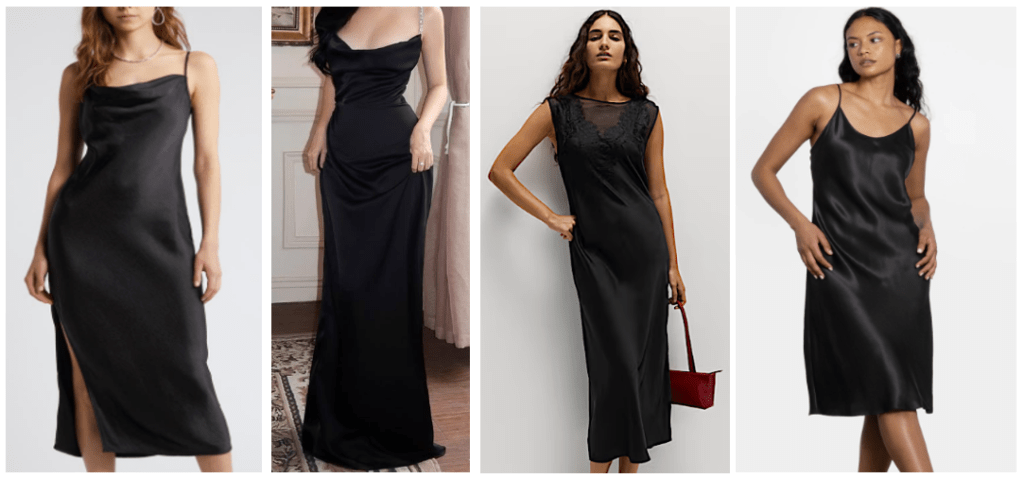
Throwing a sharp wool or linen blazer over a silk camisole and dark jeans readies anyone for a wine bar in seconds. The jacket adds shoulder definition and a touch of formality. Adding a bold red lip or a piece of statement jewelry changes the entire mood of the garment. In 2026, long lariats adorned with resin beads or tassels have replaced heavy, chunky necklaces, offering a sophisticated way to enliven a basic slip dress or button-down shirt.
| Time of Day | Base Garments | Accessory Adjustments | Footwear Strategy |
| Morning Museum Tour | White t-shirt, straight-leg jeans, wool blazer | Large leather tote, minimal gold hoops | Low-profile white leather sneakers |
| Afternoon Café | Same base garments | Add a silk scarf tied around the neck | Swap sneakers for leather loafers |
| Evening Fine Dining | Black silk slip dress | Petite satin pouch, long lariat necklace | Kitten-heel sandals or slingbacks |
Select High-Caliber Textiles Over Obvious Branding
High fashion in France relies heavily on the cut and fabric rather than flashy brand names. A well-fitted, completely plain cashmere sweater speaks louder than a designer sweatshirt covered in recognizable monograms. Wealth and personal style are communicated through the drape of a heavy silk skirt or the butter-soft quality of a leather handbag. Leaving logo-heavy t-shirts and branded tracksuits at home remains the fastest way to upgrade a travel wardrobe. Subtle, quiet luxury dictates the standard uniform of the city.
Natural fibers outperform synthetic materials in every single category. A crisp white button-down shirt made of high-quality poplin cotton or a soft merino wool crewneck sweater serves as a perfect blank canvas. These pieces photograph beautifully and manage body temperature far better than polyester. Natural wool breathes easily, keeping the wearer comfortable moving between brisk outdoor air and overheated indoor museums or crowded department stores. Linen trousers and shirts dominate the summer months, offering unmatched breathability during severe July heat waves.
Clothing must fit the individual body perfectly. A slightly oversized garment looks entirely intentional if the shoulders sit correctly and the sleeves hit right at the wrist bone. Local residents frequently visit neighborhood tailors to have their trousers hemmed or their jackets taken in at the waist. This simple practice transforms highly affordable pieces into garments that look incredibly expensive. Baggy, shapeless clothing that swallows the frame rarely makes an appearance in the central districts. Paying close attention to how garments hang on the frame before packing them guarantees a polished appearance for the duration of the trip.