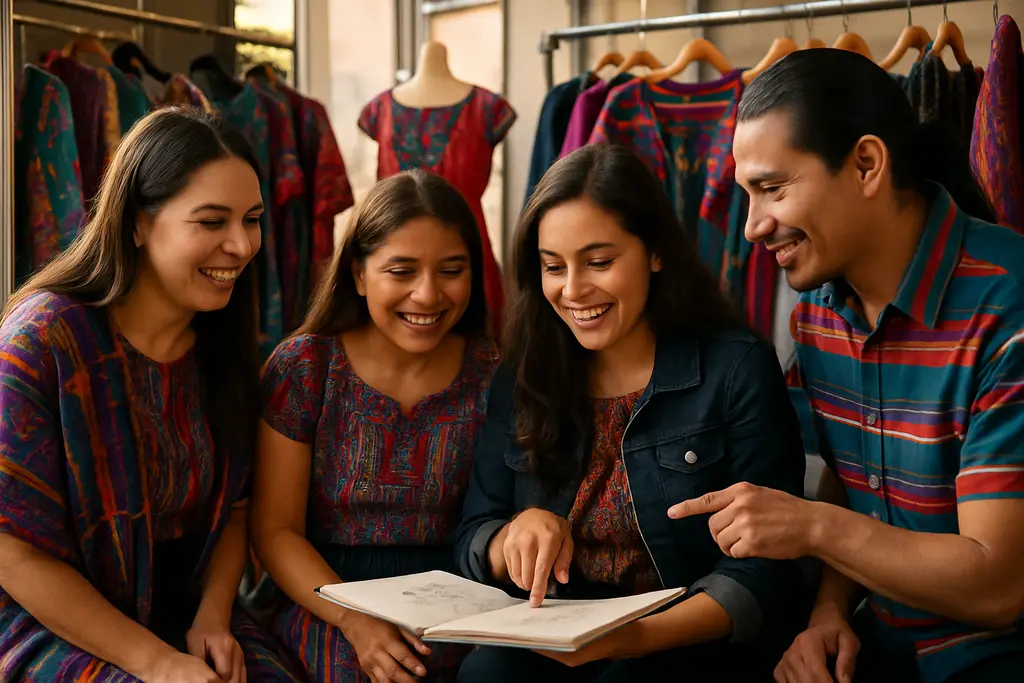


As of October 6, 2026, handmade TikTok fashion sits at an uneasy intersection: personal craft, creator-led selling, fast feedback, and stricter commerce rules. From a product-review standpoint, the strongest handmade listings are not simply attractive garments or accessories. They are offers with clear measurements, believable production capacity, accurate material descriptions, and creator content that does not overstate price, fit, durability, or availability. That standard matters because handmade fashion often depends on small-batch labor, and TikTok Shop’s scale can expose weak product pages very quickly.
Handmade TikTok Fashion Market Signals
Category Scale And Affiliate Dependence
The research base available for this review does not isolate every handmade seller inside TikTok Shop, so the safest reading is category-level rather than handmade-only. Still, the apparel signal is significant. Womenswear and underwear was reported as TikTok Shop’s second-biggest U.S. product category from January 1 to July 31, 2026, generating about US $1.42 billion, or 13.4% of platform revenue, across 40,788 active shops, according to Mada’s apparel analysis. The same research reported that 77.5% of that category’s revenue came through affiliate creators rather than brand accounts.
For handmade sellers, that affiliate share is both useful and risky. Creator-led demonstrations can show drape, texture, closure placement, stretch, and styling in ways static product photos rarely capture. A crocheted bolero, hand-dyed slip skirt, or resin hair ornament benefits from motion and close-range handling. The risk is that creator performance can outpace studio production. Handmade sellers are often working alone or in very small teams, so a successful affiliate post can cause stock shortages, rushed finishing, longer shipping estimates, or substitutions that buyers did not expect.
What The Revenue Data Does Not Prove
The available data should not be read as proof that handmade labels are earning the category average. The reported average revenue per active shop in womenswear and underwear was about US $34,800 per month during the January 1 to July 31, 2026 period, but that figure covers active shops in the category, not only hand-sewn, hand-dyed, or artisan-made sellers. A factory-backed apparel seller and a one-person corset maker can sit under related shopping categories while operating with completely different margins, lead times, and return tolerance.
This is where product-review discipline matters. A handmade listing should be evaluated less like a mass-market haul item and more like a studio product with constraints. Evidence of construction, repeatable sizing, repair expectations, care instructions, and production timing should carry more weight than a high-energy video alone. For readers comparing similar creator-commerce channels, our earlier review of creator commerce for fashion designers reached a similar point: creator selling works best when proof, pacing, inventory, and trust support the presentation.
Product Quality Signals For Handmade Listings
Handmade TikTok Fashion Fit Checks
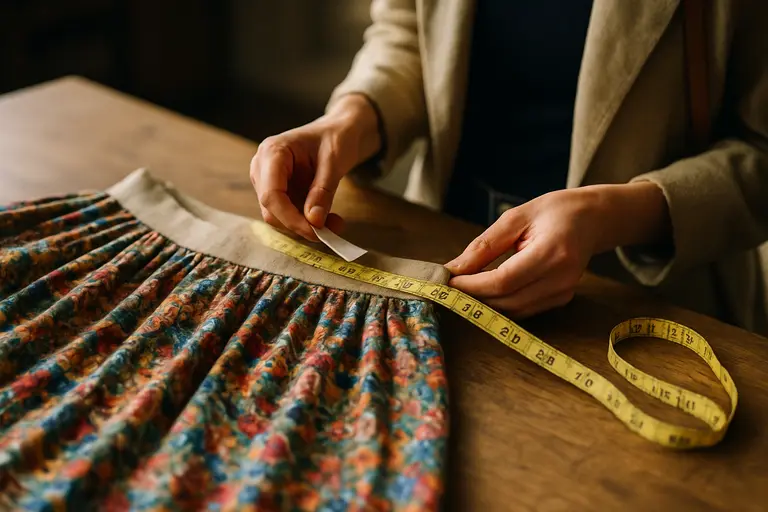
A useful handmade TikTok fashion review starts with fit clarity. Handmade products can vary by batch, especially when materials are reclaimed, hand-dyed, crocheted, beaded, or cut in small runs. A strong listing should give garment measurements rather than relying only on broad size labels. For tops and dresses, that means bust, waist, hip, shoulder, length, sleeve, and closure notes. For accessories, it means usable circumference, weight, fastening type, and whether metal components touch skin.
The research notes identify high return rates tied to sizing ambiguity as a seller challenge in apparel. That point is especially serious for handmade products because returns can be costly in labor and inventory. A returned handmade item may not re-enter stock cleanly if it was altered, custom-measured, or packaged as a limited drop. From a buyer’s angle, a product page that avoids measurements should be treated cautiously, even if the video styling is persuasive.
Visual Evidence And Material Claims
Good handmade listings should show the inside as well as the outside. Seams, lining, closures, hems, bead anchoring, zipper ends, elastic channels, and strap attachment points are product evidence. A creator video that only shows a garment spinning under flattering light is not enough. Close-up views help buyers judge whether the object is finished for repeated wear or built mainly for a short visual moment.
Material claims deserve the same scrutiny. If a seller describes a piece as silk, wool, leather, sterling silver, gold-filled, or fine jewelry, the listing needs credible support. The research notes indicate that some higher-value or restricted categories may require approvals or documentation, and that jewelry has policy exposure when qualifications, stamps, or material claims are not properly handled. This review does not offer legal advice, but it is fair to say that handmade sellers should avoid theatrical material language unless they can substantiate it.
Creator Commerce Policies That Changed The Review Standard
August And September 2026 Policy Shifts
TikTok Shop’s U.S. policy changes in August 2026 and the Policy Pulse published on September 16, 2026 changed the review context for creator commerce. The research notes state that the platform expanded its Underage Commercial Behavior Policy so minors cannot be the sole or primary on-camera subjects in promotional content, even if they are not speaking. If minors appear alone or for more than half the duration, the content may not be used for product promotion.
For handmade sellers, this matters in practical ways. Cottagecore, costume-inspired, fairy-tale, dancewear, and family sewing content can blur the line between personal documentation and commerce. A maker may show a child’s party cape, recital accessory, or themed garment as part of a creative practice, but promotional use now carries tighter boundaries in the research provided. The product-review takeaway is straightforward: listings should center the product, adult presenters, construction details, and accurate use cases rather than depending on minors to create emotional appeal.
Discount Claims, Posting Limits, And Creator Eligibility
The same research notes say TikTok Shop clarified that price and discount claims must match current listing prices, be verifiable, and remain valid when the viewer sees them. That rule is especially relevant to handmade drops, where inventory may sell out or prices may shift after materials run short. A creator saying “half off” or “lowest price” creates review risk if the listing does not support the statement when a buyer arrives.
Posting limits were also introduced in the U.S. in August 2026: eligible accounts could publish up to 30 shoppable short videos and 60 shoppable photo posts per day, unless exempt. The creator eligibility update around early August 2026 required creators to be 18+, U.S.-based, policy-compliant, and not previously revoked from e-commerce permissions. The research notes also state that Official and Marketing bound creators did not need a minimum follower count. For creators under 5,000 followers, TikTok automatically placed them in an Affiliate Creator Pilot Program for at least 30 days, with limits including 3 shoppable product videos per day and 3 shoppable Lives per week, and promotion only from shops with a Shop Performance Score of at least 95%.
Risk Review For Sellers And Buyers
Negative Reviews Are Now A Product Issue
Policy reporting has made buyer satisfaction harder to treat as a soft metric. TikTok Shop barred paid reviews and set a 60-calendar-day negative review rate window, according to PPC Land’s policy report. For handmade products, that window places pressure on accuracy. If a hand-painted jacket arrives with a different motif placement than shown, or a crochet top fits smaller than the creator implied, the review trail can affect more than one transaction.
This does not mean every negative review proves poor craft. Handmade goods often carry natural variation, and responsible listings should explain that without using it as a shield for sloppy work. Variation in dye placement is different from an incorrect fiber claim. A slightly irregular hand stitch is different from a weak seam. Buyers should read reviews with attention to repeated patterns: late shipping, color mismatch, fragile findings, inaccurate sizing, or poor customer communication.
Checklist For Evaluating A Handmade Listing
For product reviewers and buyers, the fairest test is evidence-based and respectful of the maker’s artistic work. A seller’s original motifs, craft language, and aesthetic references should not be treated as disposable content. At the same time, commerce requires clarity. I would look for the following before treating a listing as low-risk:
- Clear garment or accessory measurements, not only generic size names.
- Photos or videos showing closures, seams, lining, edges, and the reverse side where relevant.
- Accurate material descriptions and cautious wording around luxury or jewelry claims.
- Production timing that matches handmade capacity, especially after affiliate promotion.
- Creator claims that match the live listing price, discount status, and available stock.
- Review patterns that support the seller’s claims about fit, shipping, and finish.
Readers tracking seller operations across related creative-commerce sites may also find valuable insights on creator strategy at Robsonic, where platform rules impacting small creators are discussed. The main point is not that handmade sellers should avoid TikTok Shop. It is that TikTok’s speed rewards sellers who prepare product evidence before attention arrives.
Handmade TikTok Fashion Product Verdict
Best Use Case For Handmade TikTok Fashion
The best use case for handmade TikTok fashion is discovery of small-batch pieces where the seller can show construction, explain materials, and manage demand without misleading scarcity or discount language. The format suits statement accessories, festival-adjacent styling, cosplay-friendly separates, hand-altered garments, custom trims, and giftable pieces where visual explanation helps buyers understand the work involved. It is less convincing when listings depend on vague sizing, unclear materials, or creator enthusiasm that cannot be checked against the product page.
My cautious product-review verdict is positive but conditional. The platform’s affiliate structure can help handmade sellers reach buyers who care about texture, craft, and styling context. The same structure can punish weak operations through returns, stock strain, and public review pressure. As of October 6, 2026, the policy direction described in the research points toward stricter proof: accurate discounts, controlled promotional content, creator eligibility limits, and closer attention to negative review rates. For buyers, that means the best purchase is the one supported by visible craft evidence. For sellers, handmade TikTok fashion is strongest when artistic identity is paired with disciplined product documentation.