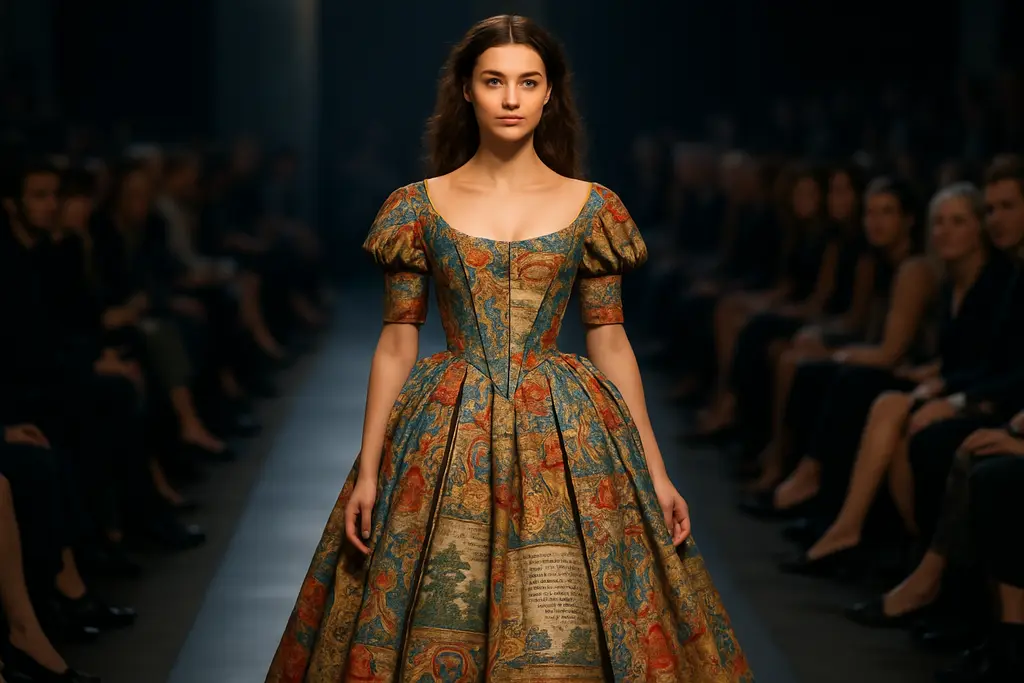

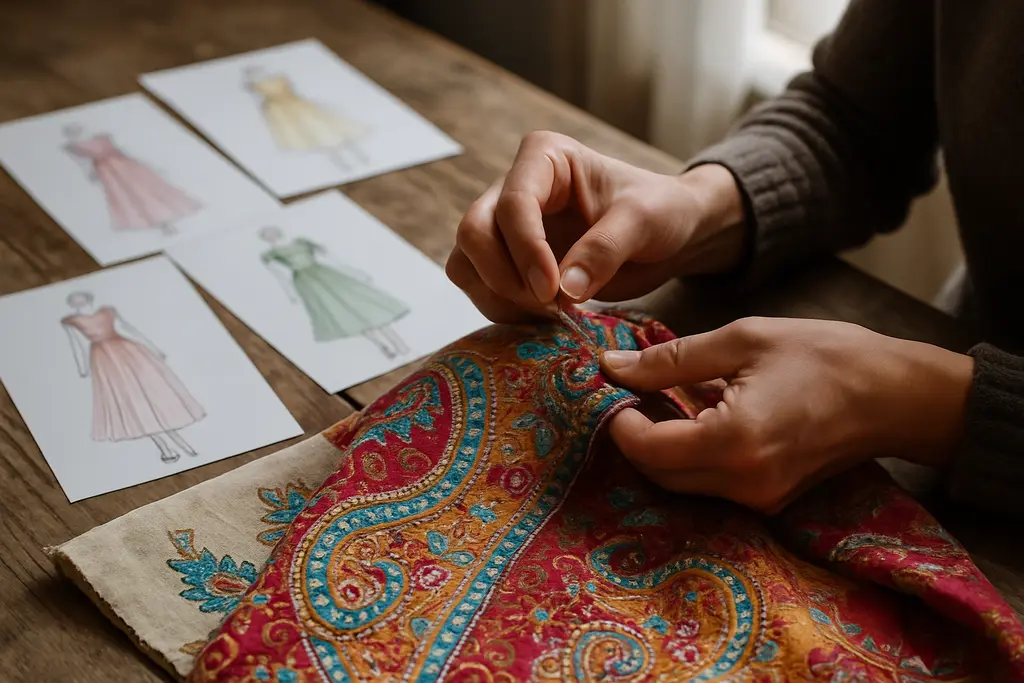
Adrian Dress-Up Ideas can start with observation rather than direct copying. The exhibition “ADRIAN: Designing Hollywood, Dressing America” opened on August 28, 2026, at the ASU FIDM Museum in Los Angeles and is scheduled through December 12, 2026. Research notes for the exhibition describe more than 50 rare ensembles and accessories by Gilbert Adrian, drawn from the museum’s collection and private loans. For DIY dress-up, the value is not in recreating a museum object stitch for stitch. It is in studying proportion, surface, motion, and character, then making a respectful play garment that signals Adrian’s design language without claiming to be an original or an exact replica.
What The Exhibition Makes Us Notice
Hollywood Design As Structure
Gilbert Adrian, born in 1903 and active at Metro-Goldwyn-Mayer during a major period of studio filmmaking, designed costumes for more than 250 films according to the exhibition research supplied for this topic. That screen background matters because his clothing often reads clearly from a distance: a hard shoulder, a clean waist, a sharp print, or a draped gown could define a character before dialogue did. In dress-up terms, this is useful. A homemade look does not need expensive materials if the silhouette communicates quickly.
The exhibition also frames Adrian beyond cinema. His work moved between screen costume and American fashion, which makes it especially helpful for craft projects. A child’s play jacket, a theater-class garment, a costume-party suit, or a fairytale-inspired queen look can borrow the design logic of Adrian’s clothes without copying a named character. The result respects the source while giving the maker room to invent.
Why Proportion Comes Before Decoration
The broad-shouldered, narrow-waist line associated with Adrian’s 1940s suits is one of the clearest starting points. Exhibition research notes describe structured shoulder pads in the range of three-quarter inch to one-and-one-quarter inch, used with sharply shaped waists. That proportion can be suggested with a thrifted blazer, a cinched belt, and a straight skirt. The most effective DIY version keeps decoration secondary. If the shoulder line is weak, adding sequins or trim will not create the Adrian effect.
Adrian Dress-Up Ideas For Strong Silhouettes
Adrian Dress-Up Ideas: Shoulder Shape
Adrian resisted the postwar softness associated with Christian Dior’s “New Look,” favoring strong shoulders, straight skirts, and geometric patterning, as discussed by the ASU FIDM Museum. For practical Adrian Dress-Up Ideas, start with a jacket that sits below the natural waist or below the hip. Add removable shoulder pads rather than permanently altering a valuable vintage garment. If the wearer is a child, use light foam or felt so the costume stays comfortable during play.
A belt can create the narrow-waist impression, but it should not over-tighten or restrict movement. Adrian’s look depends on control, not discomfort. A wide fabric belt, a sash made from cotton sateen, or a ribbon positioned over the lower jacket can suggest the shape. For a fairytale variation, that same silhouette can become a court advisor, sorceress, captain, or storybook traveler. The jacket gives authority; the accessories define the character.
The Straight Skirt And The Clean Line
The skirt choice is just as important as the shoulder. Research notes for the exhibition describe Adrian’s preference for straight or slightly flared skirts rather than very full postwar volume. In DIY terms, a pencil skirt, tube skirt, or simple A-line skirt can work. The key is avoiding excessive gathering at the waist, which shifts the eye away from the strong upper body. A plain dark skirt paired with a striped or patterned jacket often gives a clearer result than a head-to-toe print.
- Use a thrifted blazer as the base, then test removable shoulder pads before sewing anything in place.
- Choose a straight skirt or narrow trousers to keep the lower half visually calm.
- Add one graphic detail, such as a diagonal pocket flap, a contrast belt, or a striped scarf.
- Use a tipped felt hat or simple brimmed hat for a 1930s screen-fashion reference.
- Avoid selling exact copies of film costumes or named character looks unless proper rights have been cleared.
Bias Drape, Prints, And Respectful Reference
Bias Drape Without Couture Cost
Adrian’s evening gowns often used bias cutting, a method in which fabric is cut on the diagonal so it can cling and move with the body. A true bias gown can be difficult for beginners because the fabric stretches as it hangs. A safer dress-up version uses a slip dress, a scarf panel, or a soft rayon dress as the base. Pin or stitch a diagonal overlay across the bodice, letting the fabric fall from one shoulder to the opposite hip. This gives the feeling of motion without requiring advanced gown construction.
For play settings, test the garment while walking, sitting, and reaching. A beautiful drape that prevents movement is not a good costume. Bias-inspired work should allow the wearer to inhabit the role. That is one of the quiet benefits of dress-up play: the costume becomes a tool for posture, gesture, and character choice, not just an object to be seen.
Prints Without Borrowing A Whole Artwork
Research notes describe Adrian’s inventive textile treatments, including work with mills such as Bianchini-Férier and Wesley Simpson, as well as artist-designed or surrealist prints. That history can inspire a DIY print approach, but it should not be read as permission to reproduce a specific artwork. Instead, use broad design principles: high contrast, angled stripes, unexpected scale, and one unusual motif. A horse, star, fan, wave, or abstract plant form can carry enough drama without copying a surviving textile.
For a fairytale costume, a printed scarf can become a sash, capelet, or bodice panel. A plain jacket can gain Adrian-like force from stripes placed diagonally across a pocket or sleeve. If the maker plans to sell a finished piece, rights clearance and original artwork matter. This is not legal advice, but a cautious creative rule: take inspiration from structure and mood, not protected imagery, celebrity likenesses, or exact screen designs.
Construction Choices For Home Sewing
The Multi-Panel Jacket Lesson
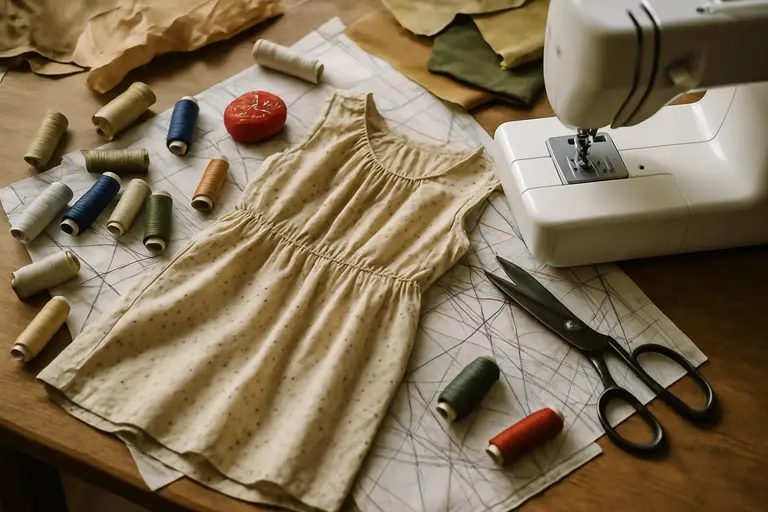
Adrian’s suits often used below-hip jackets, inset panels, tabs, matched stripes, and multi-piece construction, details shown in the Fashion Institute of Technology’s exhibition material on Adrian. Home sewers can translate that into visible panel work. Instead of making a difficult six-piece jacket from scratch, stitch contrast bands onto an existing blazer. Place one vertical panel near the opening, one diagonal band near a pocket, or one horizontal tab at the waist. These details create structure even if the garment itself is simple.
World War II fabric shortages, as described in the supplied research notes, pushed Adrian toward economical construction choices such as seam piecing, minimal interfacing, and reduced cuffs or lapels while retaining strong shoulders and tapered waists. That history supports a thoughtful DIY approach. Scraps, remnants, and thrifted garments are not lesser materials by default. They can help a maker think like a designer: what line is essential, what detail can be removed, and what piece of fabric earns attention?
Keeping Dress-Up Pieces Usable
Dress-up collections tend to fail when every costume is fragile, over-decorated, or hard to store. Adrian-inspired pieces work best as modular parts: a jacket, a belt, a hat, a scarf panel, and one straight skirt can produce several characters. If a household or classroom keeps multiple handmade pieces, organizing them by silhouette and accessory type prevents damage. For storage methods that fit imaginative costume play, this related article on rotating dress-up collections offers a useful companion idea.
Adrian Dress-Up Ideas For The Exhibition Mood
Exhibit Etiquette And Play
Because the ASU FIDM Museum exhibition is a fashion and costume study, it invites close looking: shoulder angles, waist placement, textile scale, and the way a garment creates character. A sketchbook can be more useful than a shopping list. Draw the line of a sleeve, the angle of a stripe, or the position of a hat. Then leave space for invention at home. Readers comparing costume culture across related arts sites may also find insights at Next Clues, a related site in the same network, useful for adjacent visual-culture reading.
A Three-Look Planning Frame
These Adrian Dress-Up Ideas work best when separated into three practical looks. First, make a daytime power suit: padded shoulders, straight skirt, contrast belt, and one angular pocket detail. Second, make an evening drape: soft dress base, diagonal scarf panel, and a single dramatic brooch or fabric flower. Third, make a fairytale screen look: structured jacket, brimmed hat, symbolic motif, and a limited color palette. Each version keeps Adrian’s design logic visible while avoiding a direct copy of a museum garment or famous film costume.
The strongest DIY tribute is disciplined. Choose one major design idea, then let the wearer’s role complete the costume. Adrian’s work shows that glamour does not always require excess. It can come from a shoulder line, a controlled waist, a diagonal fall of cloth, or a print placed with intent.