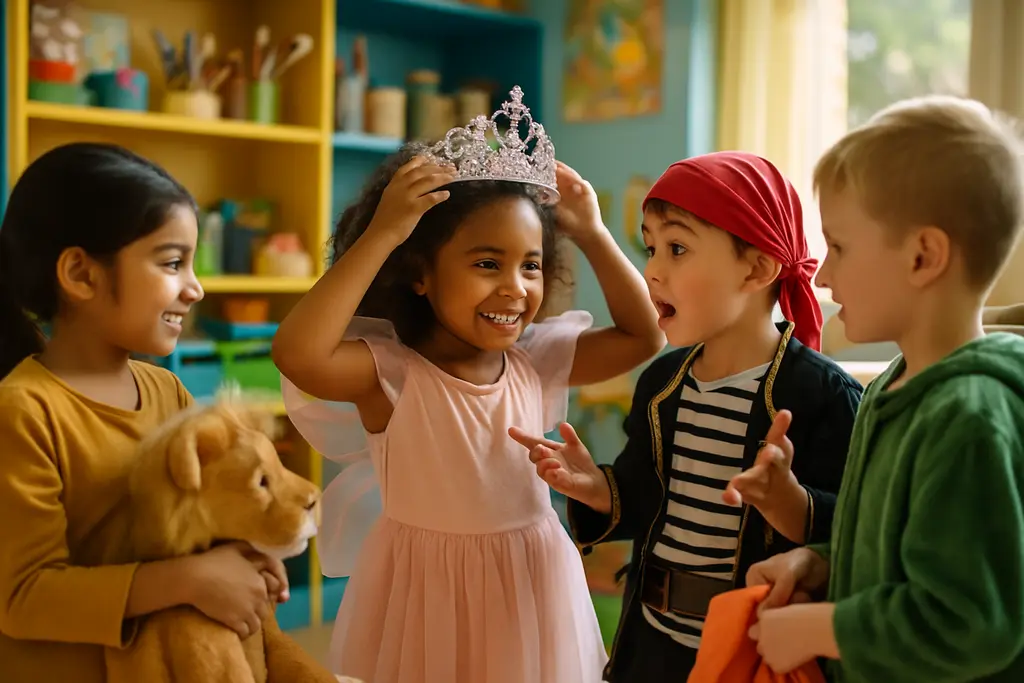


The world of dress-up collections is full of imagination and creativity. But, for many, it looks like a messy mix of fabrics and accessories. But fear not! We’re about to turn this chaos into a well-organized castle of creativity.
Imagine opening your closet to find a perfectly organized collection. Every costume is easy to find and ready for the next adventure. Doesn’t that sound magical? The secret is to manage your collection well, labeling and storing each piece with care.
In this guide, we’ll show you how to turn your messy collection into a masterpiece. You’ll learn about cataloging and rotating your favorite items.
So, grab your fairy wand (or maybe just a notepad), and let’s start organizing. Who knew making order out of chaos could be so fun?
Why systems matter reduce decision fatigue and keep novelty high
Imagine a chaotic sea of costumes, where each piece is a treasure waiting to be discovered. My living room was like this, full of princess gowns and accessories. It was colorful but a mess, showing that chaos is not good for our minds.
Why do systems matter? When your child says, “I have nothing to wear!” in a sea of costumes, you see decision fatigue. A good system doesn’t just organize; it opens up new possibilities. It’s like India Hicks designing her Tuckernuck collection, where every detail is carefully thought out.
When you keep a costume inventory organized, you turn a mess into a gallery of characters. This system makes choosing outfits easier. It keeps things fresh because each time you pick a costume, it feels like a new discovery.
And you, the organizer, become the keeper of imagination. You’re like a librarian and a stage manager, all while staying sane. Let’s create a place where every costume has its spot and every day brings a new adventure.
Label types photos icons colors words embroidery tags
In the world of kids’ play, labels keep everything in order. Without them, a collection of costumes can become a mess. It’s like a library where every book is a mystery without a title.
Picture labels are the best for young kids. A photo of a firefighter coat or fairy wings on a sticker makes it clear. This stops arguments over what’s whose.
For older kids, icons are great. A crown for royal clothes or a magnifying glass for detective gear is easy to understand. Colors can also help, like red for superheroes and blue for jobs. Words add to their reading skills, making cleaning up fun.
Embroidery tags are fancy. If you can sew, adding a small label to each item makes it special. It shows that each piece is important.
Keeping labels the same is key. Mixing them up can lead to chaos. Pick a method that fits your child’s age and your patience.
I once tried a color-coded system with my niece but it didn’t work. She couldn’t tell red from green. Now, I use photos and icons.
Here’s a quick look at different labeling options:
| Label Type | Best For | Advantages | Considerations |
|---|---|---|---|
| Picture Labels | Pre-readers | No confusion, easy to recognize | Needs photo printing |
| Icons | Older kids | Quick to understand | May need explanation |
| Colors | Category coding | Easy to categorize | Colorblind issues |
| Words | Literacy development | Improves reading | Requires reading skills |
| Embroidery Tags | Durability | Stylish and lasts long | Time-consuming to make |
Whether you print photos or embroider tags, remember. A label means a costume will be found again.
Digital catalog options QR albums spreadsheet app tips
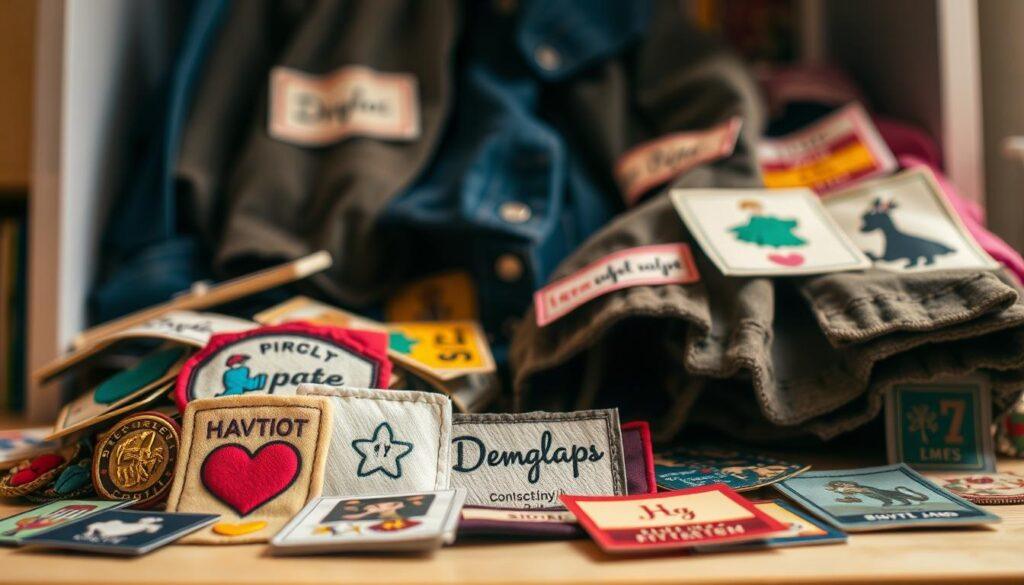
Imagine a costume catalog that fits in your pocket—welcome to the digital age! The old days of searching through bins are over. A QR catalog is here, blending the best of both worlds.
Attach a QR code to each item. Scan it to see photos, accessories, and who wore it last. It’s fun and keeps everything organized, like having a personal museum guide.
Creating your catalog is easy with a spreadsheet. Google Sheets is free and easy to use. Make columns for names, sizes, conditions, and photos.
For a visual approach, use a shared photo album. Arrange costumes like a fashion show and sort them.
Apps like Sortly or Nest Egg offer more features. They use barcodes and reminders. These systems are great because you can search easily.
With a QR catalog, finding costumes is a breeze. No more frantic searches. It’s perfect for any event.
Set up a QR system and enjoy peace of mind. Your future self will thank you for avoiding the chaos.
Rotation rhythm monthly themes seasonal capsules event based
Think of your costume collection as a stage. A rotation calendar sets the scene for each act. Without it, you might end up with too many costumes.
Monthly themes are a hit. January could be “Frozen Kingdom,” with icy blues and capes. February might be “Heroes & Villains,” and March, “Mythical Creatures.” These themes match the school year, helping you rotate costumes.
Seasonal capsules connect with nature. Spring brings fairies and gardeners, while summer has pirates and mermaids. Autumn is for witches and woodland creatures, and winter for cozy robes and royal courts. It’s a mix of Waldorf and Walmart, keeping things exciting.
Event-based rotation is practical. Halloween gets its own bin on October 1st. Birthday parties? Just grab the superhero and princess capsules. A rotation calendar can be simple, like a Google Calendar with reminders.
Kids know the dragon costume will return in March. So, they stop asking for it in July. As the curator, you can mix things up, like pairing a construction worker vest with a dinosaur tail. It’s like preschooler’s Dadaist art.
I loved the “Fairytale Seasons” rotation. Each season celebrated a different folkloric tradition. Winter had Russian tales, spring Celtic culture, summer Arabian Nights, and autumn Grimm’s tales. It was a cultural education.
The rotation calendar is your guide for imagination. Use it well, and your costume collection will seem endless.
| Month | Theme | Costume Ideas |
|---|---|---|
| January | Frozen Kingdom | Icy capes, snowflakes |
| February | Heroes & Villains | Superhero capes, villain masks |
| March | Mythical Creatures | Dragons, unicorns |
| April | Fairies & Gardeners | Flower crowns, gardening tools |

In out rules one new in one old out lend and borrow etiquette
Every costume collection needs a guiding principle, and the ‘in-out’ rule is its heart. This simple rule means adding a new costume and removing an old one. It keeps your collection tidy, like a well-organized library. But, kids often get attached to items, making it hard to let go.
To make saying goodbye easier, create a special ritual for departing costumes. A farewell tour or photo shoot can help. Donating to a younger cousin or preschool teaches kids about sharing and sustainability.
Lending and borrowing etiquette is key in your costume collection. When someone wants to borrow your astronaut helmet, you need a system. Use bin icons to mark items as borrowed. Set a return date and remind gently to ensure items return in good shape.
I once lent a hand-sewn fox tail to a friend, but it came back with a jam stain and a hole. Now, I take a photo of the item before lending it out. It’s like a rental car walk-around.
The in-out rule also helps avoid impulse buys. When my daughter wanted a fourth princess dress, I asked her to choose which one to trade. She picked the Cinderella gown, and we donated it with pride. The “out” bin had a waving hand sticker, making it feel like a send-off.
Etiquette also applies to siblings. Each child should have their own “personal collection” bin. There’s also a “shared” bin with a peace-sign icon for shared items. It’s like a playroom Geneva Convention.
| Action | Description | Bin Icon |
|---|---|---|
| In-Out Rule | One new costume in, one old costume out | 🔄 |
| Lending | Borrowing items with a system | 📚 |
| Donating | Giving away old costumes to younger kids | 🎁 |
So, create your rules, print your bin icons, and watch your collection transform. A little organization can turn your dress-up collection into a castle.
Display changeover day steps signage story card teaser
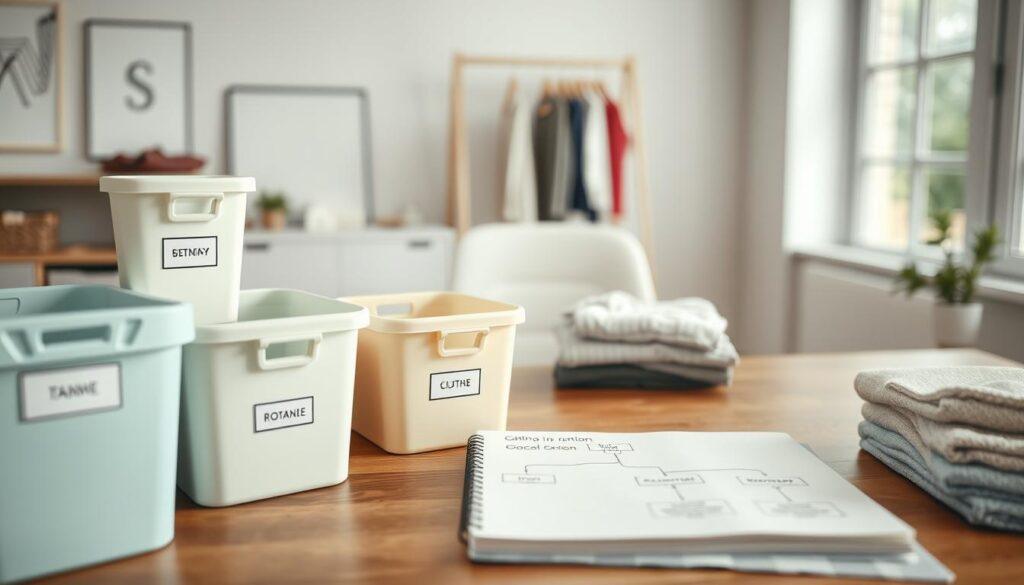
Changeover day turns your costume display into a show. It’s not just a routine; it’s a big event. To make it smooth, follow these steps:
- Clear the Stage: Take away all current costumes. This could be from a rack, hooks, or an armoire.
- Consult Your Costume Inventory: Get the next set of costumes ready. This refreshes the excitement!
- Inspect Each Item: Check for wear and tear. This keeps your costumes in great shape for play.
- Style the Display: Make it look good to draw people in.
Signage and story cards make it magical. A chalkboard sign with This Week: Under the Sea and a trident can set the mood. Story cards on each costume can spark creativity. For example, a card that says, You are a deep-sea explorer who has just discovered a lost city. What do you see? turns dressing up into a story.
A teaser can be powerful! Leave a new item out the night before. Imagine a mermaid tail or a knight’s gauntlet next to your cereal. It’s like a trailer for your imagination!
Once, I did a “Expedition to the Amazon” changeover. I had a map and a pith helmet on a stand. My kids loved it! The key is to treat your costumes like a rotating exhibit. Museums curate and tell stories—so should your display.
Practical signage is key. A Please Rehang After Use sign with a hanger picture helps young kids. Remember, changeover day is your chance to be the director of play. Take it seriously, and your kids will treat the costumes with respect.
| Step | Description | Importance |
|---|---|---|
| Clear the Stage | Remove all current costumes. | Prepares for new items. |
| Consult Inventory | Check digital or paper lists. | Ensures a smooth transition. |
| Inspect Items | Look for wear and tear. | Maintains quality. |
| Style Display | Create an appealing showcase. | Attracts attention and interest. |
Tracking wear and tear quick fix kit mend log
Costumes are more than clothes; they’re tools for kids’ adventures. They get worn out fast, like a cape used as a napkin. Finding a torn dragon tail just before a playdate is heartbreaking. That’s why a tracking system is key.
The quick fix kit is your go-to for repairs. It has essentials like safety pins and fabric glue. Keep it where you can find it, so you’re ready for any mishap.
The mend log helps you keep track of repairs. It can be a notebook or a digital tab. Record the date, item, damage, and repair status. This helps you spot patterns and fix them before they get worse.
Tracking wear and tear is about caring for your costumes. When a costume can’t be fixed, give it a special farewell. Take a final photo and update your inventory. It’s the end of its life, but with a touch of magic.
Teaching kids about this process is valuable. When my son’s astronaut suit got torn, we documented the repair together. He learned to value his costume, seeing it as more than just fabric.
Remember to include extra picture labels in your kit. They can fall off, and I once found one on my shoe. Keep a backup set to keep everything organized.
Teaching kids the system jobs and rewards
Teaching kids about systems is magical when they feel in charge. A good labeling and rotation system turns your home into a place where everyone is important. It’s not just about following rules; it’s about making them feel like they own the place.
Begin with simple tasks. A three-year-old can be the “Label Checker,” matching costumes to their labels. This fun task teaches them about organization. As they get older, their jobs can change too.
A five-year-old can become the “QR Code Scanner,” scanning the QR catalog with a phone. It’s a fun way to introduce technology.
By age eight, they can plan the rotation calendar and update signs. These jobs are not chores; they’re key roles in the family theater. Rewards should be meaningful, like a “Curator of the Week” certificate.
I created a “Costume Council” with my kids, with titles like “Lord of the Labels.” They took their roles very seriously. The QR catalog lets my daughter give tours, teaching her about organization and technology.
To make the system clear, hang a calendar at kid-height with theme icons. Post the “in-out” rules as a colorful infographic. When kids understand the system, they help, not hinder.
Of course, they will sometimes resist. But that’s okay. Let them suggest a “Wild Card Week” where all bins are open. The system is flexible but strong. Teaching them this way prepares them for adulthood, even if they live in a bit of chaos.
Sample calendars fairytale seasons folkloric world tour occupations month
Imagine a rotation calendar that turns your dress-up collections into a journey through folklore and culture. It’s more than a scheduling tool. It’s a way to spark imagination and teach kids about the world.
Let’s explore by season with the “Fairytale Seasons” approach. In winter, dive into Russian folklore. Think fur-trimmed capes and a Baba Yaga hut from a cardboard box. Spring brings Celtic myths to life with flower crowns and green tunics.
Summer is all about Arabian Nights. Wear silks, genie pants, and a magic lamp from a thrifted teapot. Autumn is inspired by the Brothers Grimm, with red riding hoods and woodcutter vests. Each season has a bin and a story card. Talk about a creative learning experience!
The “Folkloric World Tour” takes you to different cultures each month. January is Japanese, with kimonos and haori. February is West African, with agbada and headwraps. March is Mexican, with charro suits and embroidered blouses. Authentic or respectful pieces are key for learning.
For a simpler approach, try the “Occupations Month” calendar. January is Medical, with scrubs and stethoscopes. February is Culinary, with aprons and play food. March is Exploration, with pith helmets and maps. It’s career day every day!
I once had a “World Tour” that ended with a “Heritage Day.” Kids dressed in their family’s costumes. It sparked conversations about identity and made learning richer.
A sample calendar should be visual. A grid with the month, theme, costumes, and bin icons. Post it on the wall and watch the excitement grow. The rotation calendar is a story for the year. Whether it’s fairytale seasons or a world tour, let it be a journey your children will love.
Printable templates label sets rotation planner checklist
Creating an organized costume collection is like crafting a masterpiece. It needs vision and the right tools. The printable templates will make your system organized and charming. They include picture labels for popular costumes and customizable blank photo labels.
Bin icons are key for organizing your collection. They are like the unsung heroes of your costume kingdom. They help sort costumes into fun categories like “Fantasy,” “Professions,” and “Seasonal.” You can print them on adhesive paper or use them as stickers for fabric bins. They add whimsy while keeping everything in order.
The rotation planner is a must-have. It’s a one-page PDF with a monthly grid, theme spaces, and a checklist. The “Changeover Day Checklist” helps you check off steps like inspecting items and styling your display.
For digital solutions, there’s a QR catalog setup guide. It makes keeping your inventory in a spreadsheet easy. The mend log template is simple, helping you track repairs well.
With these templates, you can turn your costume area into a well-organized haven. Keep them in a binder near your costume zone for easy access. Life can get messy, but with these tools, you’ll handle it like a pro. Download, print, and let the costume magic begin!