
Fairytale Costume Design became harder to discuss as pure escape after The Met and John Galliano cancelled the planned John Galliano: Horizons Costume Institute exhibition. Reuters reported that the cancellation followed backlash connected to Galliano’s antisemitic and racist remarks from 2011. As of September 5, 2026, the exhibition had not gone forward, so its cultural meaning sits in the conditional: what would have been celebrated, how it would have been framed, and why many people saw the honor itself as difficult.
For costume lovers, the issue is not whether fantasy should disappear. Fairytale dress-up thrives because cloth can help children and adults rehearse identity, courage, beauty, strangeness, and play. The harder question is what happens when fantasy is placed inside an institution that grants prestige. A museum retrospective is not the same as a private sketchbook, a school costume box, or a handmade cape. It tells visitors which bodies, stories, and creative careers deserve public elevation.
Fairytale Costume Design After The Cancelled Retrospective
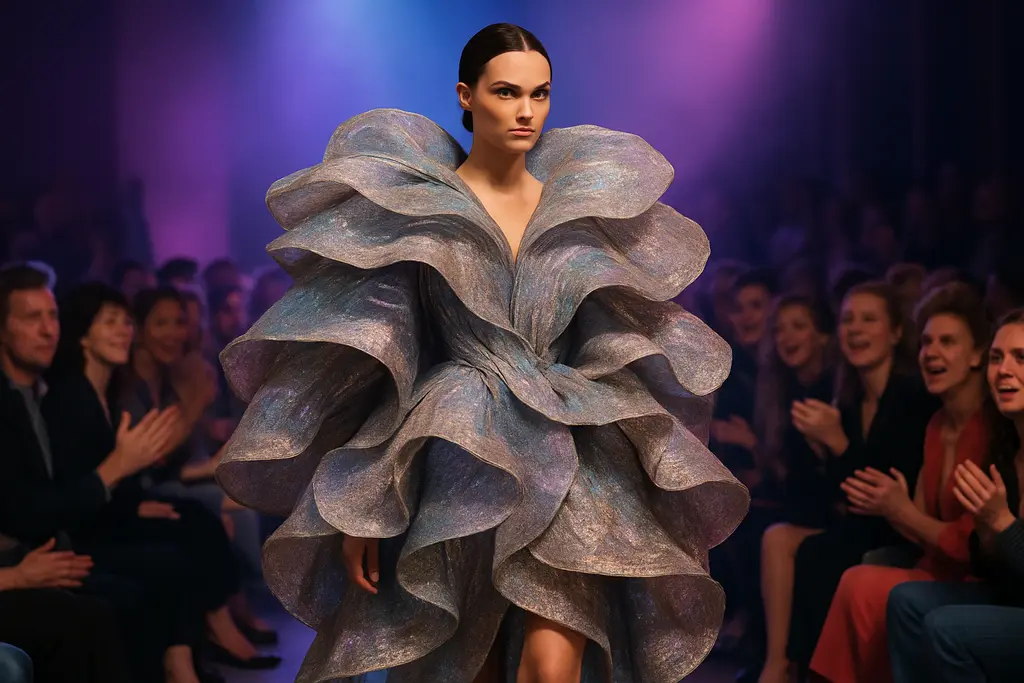
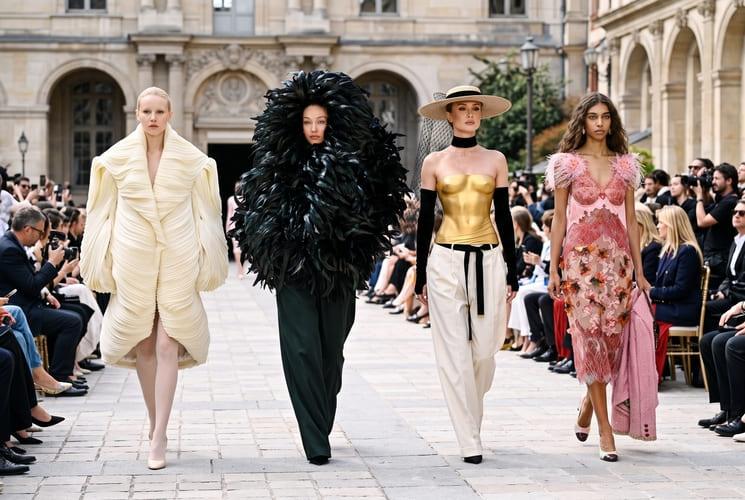
The cancelled Galliano exhibition matters to Fairytale Costume Design because Galliano’s public image has long been tied to theatrical fashion, historical reference, spectacle, and dramatic silhouette. Those tools also sit at the center of many fairytale costumes: cloaks, gowns, crowns, masks, exaggerated shoulders, trailing hems, and characters whose garments signal power before a line of dialogue is spoken.
Why Fairytale Costume Design Carries Institutional Weight
Fairytale Costume Design is rarely neutral. A princess gown can signal aspiration, but it can also repeat narrow beauty codes. A villain’s black cloak can give a child permission to perform danger, but it may also rely on old visual shortcuts about darkness, deformity, aging, or foreignness. A royal costume can feel magical while still borrowing from systems of hierarchy. These meanings do not erase the pleasure of dress-up, but they make it worth reading costume choices with care.
The cancellation did not prove that all theatrical fashion is suspect. It did show that spectacle does not float above the maker’s public conduct. In museum settings, garments become evidence: of craft, influence, aspiration, funding priorities, institutional judgment, and the willingness to place harm beside beauty rather than hide it behind lighting and velvet ropes.
What The Retrospective Format Signals
A solo retrospective gives a designer unusual cultural weight. British Vogue reported that, had John Galliano: Horizons proceeded, it would have been one of only three solo retrospectives curated by the Met Costume Institute while the designer was still living, after Yves Saint Laurent in 1983 and Rei Kawakubo in 2017, and that the planned exhibition would not proceed as first announced according to British Vogue. That comparison is useful because it clarifies the scale of the proposed honor. This was not a small display of archival garments. It would have placed Galliano in a very rare category.
For fairytale fashion analysis, the format matters as much as the fabrics. Retrospectives often create narrative arcs: origin, breakthrough, crisis, return, influence. Those arcs can resemble fairy tales themselves. The danger is that a redemption structure can become too smooth, especially when real communities experienced the designer’s words as harm. A serious costume exhibition can still examine brilliance, but it has to resist turning accountability into a decorative chapter.
Curatorial Prestige And The Living Designer Problem
Living-designer retrospectives create a special tension. They can document work while the artist can still speak, correct records, and identify collaborators. They can also function as reputation repair, whether or not that is the museum’s stated aim. The cancellation exposed that tension with unusual clarity.
Honor Versus Study
Costume museums can study difficult material without honoring it in the same way. A garment may deserve analysis for its construction, staging, or influence, even when the maker’s public record requires strong ethical framing. The distinction is not always easy for audiences to see. A grand spring exhibition linked to gala culture can read as celebration even if wall text intends critique.
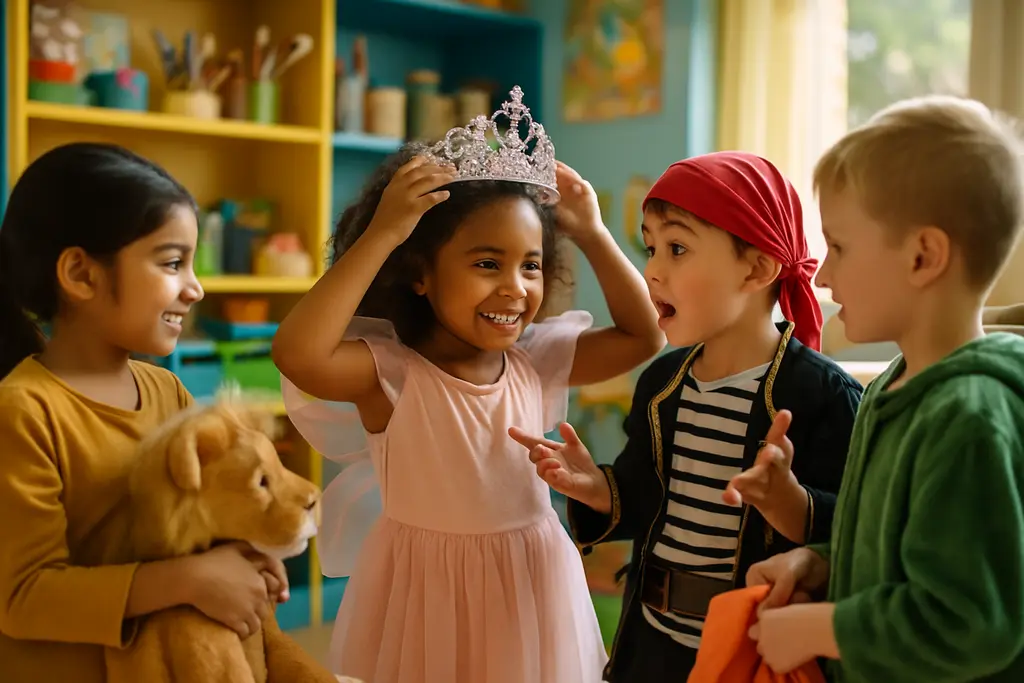
This is where dress-up culture has a lesson for institutions. Children know the difference between pretending to be a queen and being granted authority. Museums, donors, designers, and viewers operate in a much more public space, but the symbolic mechanics are related. Crowns, capes, trains, and ceremonial entrances are never only decorative. They assign attention.
Costume Interpretation Without Erasure
Respecting the artistic integrity of original works means not reducing garments to scandal alone. It also means not isolating them from the social record around their maker. A fair reading can hold both facts at once: clothing can show technical imagination, and a public institution can still decide that the proposed frame, timing, or honor is inappropriate.
For readers interested in comparing materials, storage, and approachable costume projects, Shimply provides a related resource within the same network. The key is to treat inspiration as a starting point, not a license to copy protected characters, living designers, or cultural dress without permission and context.
Fairytale Aesthetics Under Ethical Pressure
Fairytales often promise change through clothing: the poor girl receives the dress, the beast receives recognition, the disguised figure is seen, the enchanted body is restored. Those motifs remain powerful because costume makes inner change visible. Yet the Galliano cancellation shows why cultural memory cannot be handled as a simple wardrobe change.
Royal Fantasy, Beauty Ideals, And Audience Memory
Royal fantasy is one of the strongest fairytale design languages. It uses symmetry, shine, height, and controlled posture to communicate legitimacy. In children’s dress-up, those cues can be playful and confidence-building. In institutional fashion, the same cues can reinforce a narrow idea of who belongs at the center of the room.
That does not mean tiaras, tulle, or brocade should be abandoned. It means designers and costume makers can ask sharper questions. Who is imagined as royal? Does the costume require a single body type to “work”? Are cultural references named with care? Does the design invite play, or does it repeat a hierarchy without reflection?
DIY Dress-Up Without Borrowed Harm
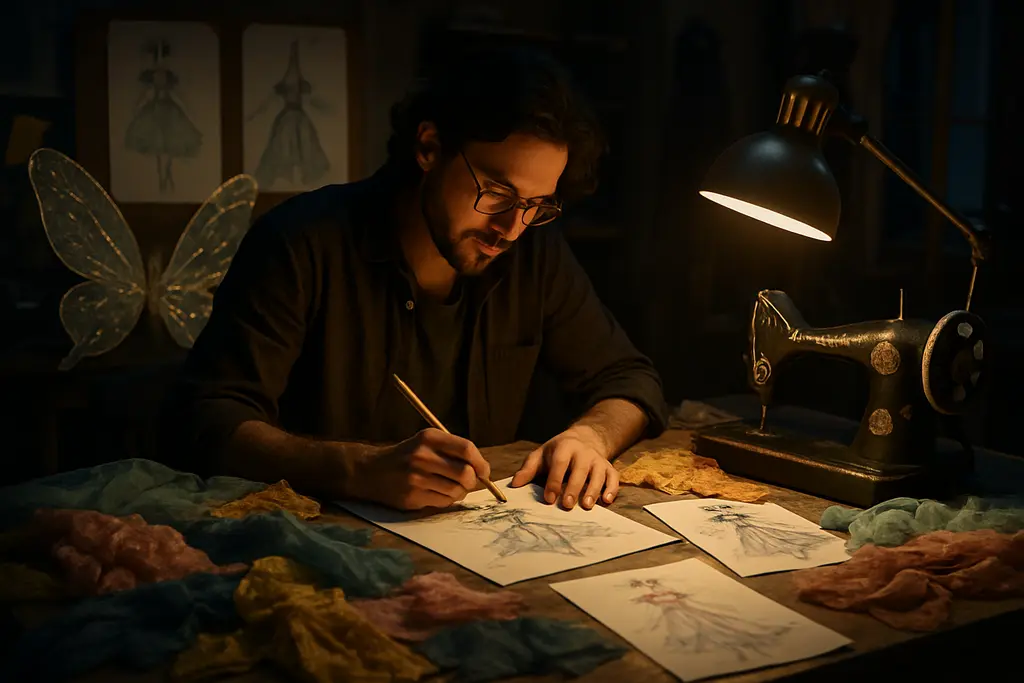
Home costume making gives families and creators a chance to test these ideas at a smaller scale. A child’s cloak can be built around comfort, movement, and character agency rather than only prettiness. A homemade crown can be soft felt instead of hard plastic. A fairy godparent costume can move beyond gendered expectations. A villain costume can use texture, scale, or sound rather than stereotypes tied to identity.
Practical Readings For Fairytale Costume Design
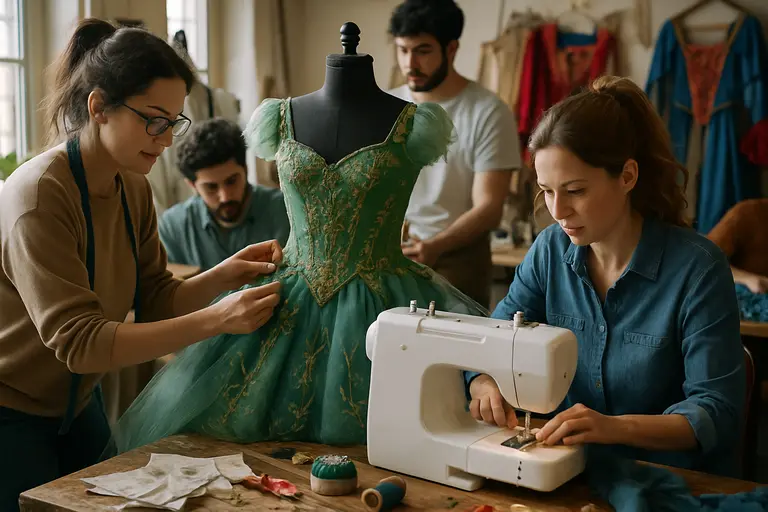
Fairytale Costume Design can respond to this moment without becoming joyless. The strongest costume choices often become more imaginative when limits are taken seriously. A restriction against caricature can push a maker toward better silhouette. A decision not to copy a famous gown can encourage original color stories. A concern about comfort can produce smarter closures, softer seams, and safer hems.
Materials, Silhouette, And Context
Material carries meaning. Satin and organza suggest ceremony; linen suggests work, travel, or folk memory; felt suggests play and approachability; paper suggests fragility or ritual. A fairytale costume does not need luxury fabric to communicate status. It can use proportion: a high collar, a wide sleeve, a deliberate train, or a small symbolic object held in the hand.
Silhouette also shapes ethics. A costume that forces a child to stand still for the sake of a photograph may serve adults more than play. A cape that catches under shoes is not magical in practice. A dress that only looks right on one body repeats the “perfect fit” myth that many contemporary costume discussions now question. Designers can keep fantasy while making movement, visibility, and comfort part of the concept.
Creator Commerce And Rights Caution
Small sellers and DIY creators face a related but distinct issue. Inspiration from museums, runway images, fairy tales, and public folklore can be creatively fertile, but commercial copying raises rights and attribution concerns. This is not legal advice, and no single paragraph can decide whether a design is protected. A cautious seller should avoid marketing work as a replica of a living designer’s garment, a branded character, or a celebrity look unless rights have been cleared.
- Use public-domain story motifs as prompts, then alter silhouette, color, and details with original choices.
- Name cultural references plainly when they are researched, and avoid using sacred or ceremonial dress as casual decoration.
- Build costumes for movement, safety, and repeat wear, not only for a front-facing photograph.
- Separate critique from imitation: study a designer’s methods without selling a disguised copy.
Galliano Cancellation And Fairytale Costume Design
The cancellation of John Galliano: Horizons left a clear lesson for Fairytale Costume Design: fantasy is never outside culture. A gown can be beautiful, theatrical, and technically impressive while still requiring ethical framing. A museum can admire craft and still decide that a proposed honor would send the wrong signal. A maker can love fairy tales and still revise the old symbols of beauty, monarchy, punishment, and reward.
That is not a call to flatten dress-up into moral instruction. Play needs strangeness, glamour, disguise, and excess. Yet the best fairytale costumes now ask for more than sparkle. They ask who gets to be seen, who gets to be forgiven, who gets to rule the story, and whether the garment gives the wearer more room to imagine themselves. After the cancelled Galliano exhibition, those questions feel less like side notes and more like part of the costume itself.