Pageant costume ideas can be especially useful for fairytale makers because the Pageant of the Masters in Laguna Beach is known for “living pictures,” where volunteers recreate famous artworks with elaborate costumes and makeup, as described by the official Pageant listing. That model suggests a careful way to think about DIY dress-up: not as a direct copy of a protected image or character, but as a study of pose, silhouette, color, texture, and theatrical distance. For a home costume, the strongest lesson is restraint. A believable storybook look often depends less on buying a complete outfit and more on choosing one visual idea, then repeating it through fabric, accessories, and posture.
Why Pageant Costume Ideas Fit Fairytale Craft
The Pageant format offers a useful design principle for handmade costumes: the body can be arranged like a staged picture. A fairytale costume does not need to reproduce a painting to borrow that discipline. It can frame the wearer as a woodland figure, moonlit fairy, court messenger, or red-cloaked wanderer by using a clear outline and a small number of repeated details.
For DIY builders, this approach reduces waste and visual clutter. Instead of collecting unrelated accessories, begin with a single art-facing question: what should the audience recognize first? The answer might be wings, a hood, a crown, a wand, or a dramatic sleeve. Once that focal point is chosen, the rest of the costume should support it rather than compete with it.
Pageant Costume Ideas Without Copying Artworks
Pageant costume ideas should be handled with respect for the source material. If a maker is inspired by a famous artwork, the safer creative move is to respond to broad design qualities rather than reproduce the artwork as a costume for sale. Color blocks, soft drapery, framed poses, and balanced props can all suggest an art-inspired mood without claiming ownership of another creator’s image. This is especially relevant for sellers, event performers, and photographers, who should consider permissions and rights questions before using recognizable protected works or character likenesses commercially.
Reading Costume As Composition
A fairytale outfit can be composed like a small stage set. The headpiece acts as the top of the frame, the shoulders set the width, and the skirt or trousers create the base. A wand or basket can function as a visual diagonal, leading the eye through the costume. This does not require expensive materials. It requires consistency. If the costume is meant to feel airy, use translucent fabrics, pale ribbons, and light-reflecting trim. If it is meant to feel forest-bound, use matte cloth, earth-toned layers, and leaf-shaped accents.
Building A Living-Picture Silhouette
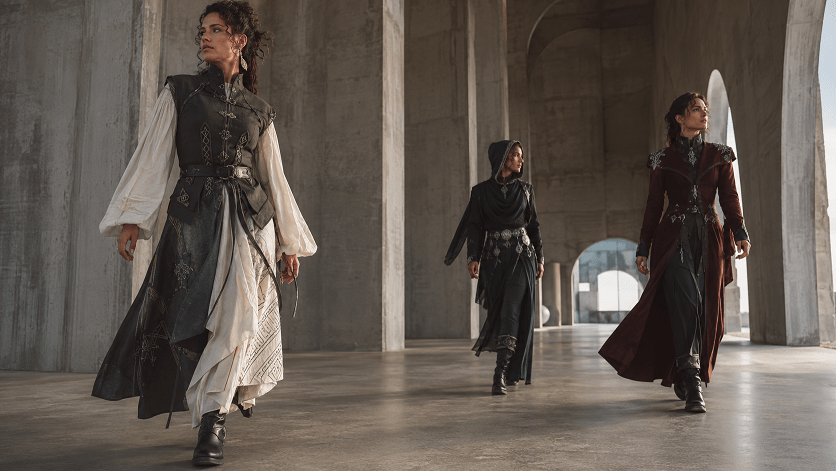
A strong silhouette is the most practical place to begin. The Pageant’s living-picture idea depends on shapes that remain readable from a distance. For fairytale dress-up, that means large, simple forms: wings that extend beyond the shoulders, a hood that frames the face, a crown that breaks the head line, or a skirt that gives the lower body a clear bell shape.
Wire wings are one of the most direct DIY options. A fairy costume resource describes making wings from wire hangers and sheer pantyhose, then adding glitter for a shimmering surface; the same source also suggests recycled materials such as old jewelry for embellishment in fairy costuming fairy costume ideas. That combination suits an art-inspired costume because wire creates the outline and sheer fabric supplies the translucent color field.
Wire Wings As A Framed Backdrop
Wings should be treated as a backdrop, not just an accessory. Their scale changes the wearer’s proportions and can make a simple dress feel theatrical. To keep the design readable, choose one wing shape: oval, pointed, moth-like, or leaf-like. Then repeat that shape in smaller details, such as crown points, sleeve cuffs, or wand tips. This creates a controlled visual rhythm without needing many materials.
Comfort matters. Lightweight construction is preferable for children, long events, and photo sessions. Edges should be covered, attachments should sit securely, and glitter should be sealed or used sparingly to reduce shedding. These are practical craft choices, not just aesthetic ones. A costume that cannot be worn comfortably will not hold a convincing pose.
Fairytale Materials That Read On Stage
Material choice affects how a costume behaves under light. Sheer fabrics can suggest mist, wings, or magic. Tulle and chiffon can support a short, flowy fairy dress in pale tones, while darker cloth, lace, or metallic accents can shift the mood toward a more severe fairy archetype. Earth-toned fabric, leaf forms, and floral patterns can suggest a woodland figure. These categories are broad, but they help makers build a clear story without relying on a single branded reference.
Recycled adornments are especially useful for fairytale costume work. Old jewelry can become crown trim, wand caps, belt ornaments, or shoulder decorations. Broken chains can outline a bodice. Single earrings can be stitched to a pouch or used as a pendant on a ribbon. This method suits Pageant costume ideas because it treats costume as assembled image-making: small reflective details catch light and guide attention toward the face, hands, and props.
- Soft fairy: sheer wings, pale fabric, ribbon ties, small floral accents.
- Woodland figure: matte green or brown layers, leaf shapes, cord belts, textured hems.
- Dark fairy: black or deep purple fabric, lace edges, metallic highlights, sharper wing points.
- Storybook traveler: hooded top, basket or satchel, simple skirt or denim base for mobility.
Accessory Logic For Crowns And Wands
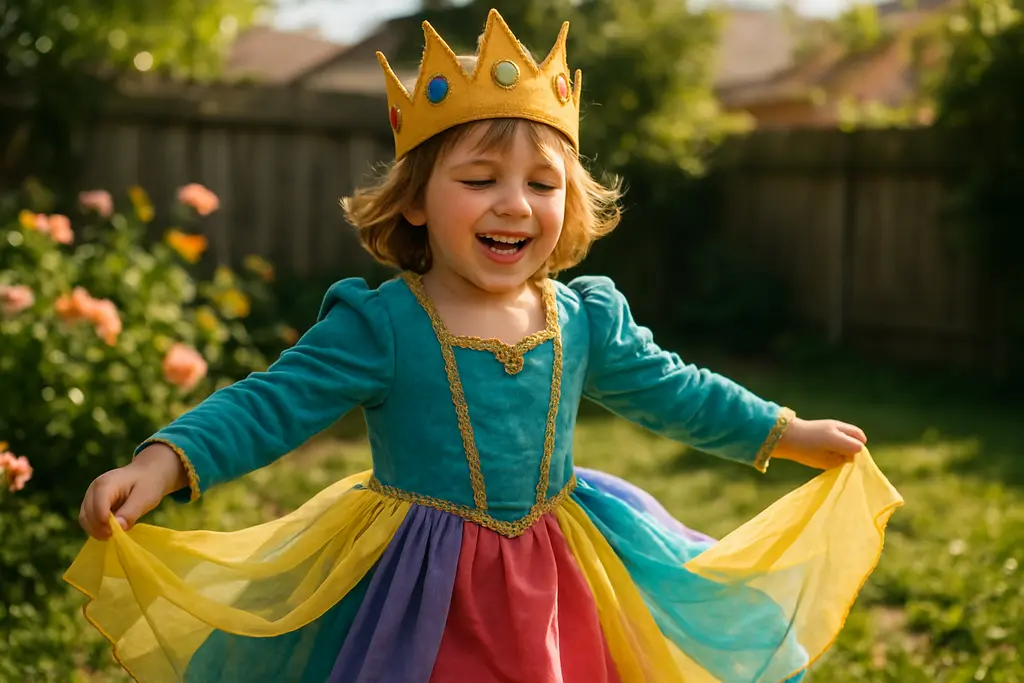
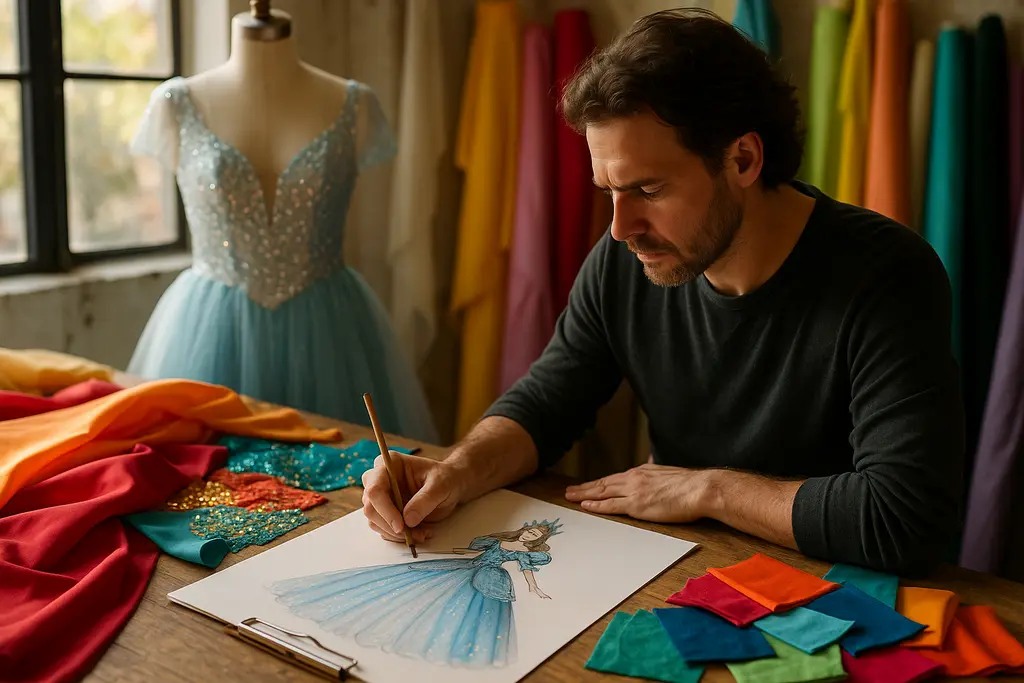
Crowns and wands work best when they share the same design language. A cardboard or craft-foam crown can look refined if its edges match the wing shape and its surface is covered with fabric, paper, or reused jewelry. A dowel wand can be wrapped with ribbon from the costume fabric, then finished with a star, leaf, moon, or jewel-like ornament. For supply planning, a broader look at costume supplies planning can help makers think through tools and base materials before cutting into fabric.
Rights, References, And Respectful Adaptation

Art-inspired costuming benefits from clear attribution and careful distance from exact replication. A family costume for play has a different risk profile than merchandise, paid performance, or promotional photography, but makers should avoid presenting another artist’s protected image, character, or likeness as their own design. This is not legal advice; it is a cautious creative practice that respects the artistic integrity of original works.
One practical method is to create a reference board based on general visual traits rather than a single artwork. Use terms such as “arched pose,” “silver palette,” “forest texture,” or “triangular cloak shape.” Then build from those traits. This keeps the costume interpretive. It also gives children and adult makers more room to invent their own fairytale figure, which is one of the major benefits of dress-up play: the wearer can test gesture, voice, story, and identity through safe performance.
Seller And Event Cautions
Creators who sell handmade costumes should be especially cautious with titles, tags, and photos. Describing a costume as “moon fairy with wire wings” is very different from naming it after a protected screen character or staging it as a replica of a living artist’s work. Event organizers may also have rules about props, glitter, and costume safety. Checking those rules before construction prevents last-minute changes and keeps the creative process grounded.
Pageant Costume Ideas For Fairytale Makers
The most effective Pageant costume ideas for fairytale dress-up use the Pageant’s visible discipline without imitating its exact subjects. Start with a readable silhouette, choose one art-inspired mood, and let every material support that mood. Wire wings can frame the body. Recycled jewelry can create controlled sparkle. A crown or wand can supply the story cue. A hood, skirt, or textured layer can bring the figure into a fairytale setting.
For Adrian Vale’s approach to DIY dress-up, the goal is not perfect reproduction. The goal is imaginative translation. Pageant costume ideas work best when makers study how costume, makeup, pose, and props create an image, then adapt those lessons into wearable fairytale design. That balance keeps the work playful, visually clear, and respectful toward the artworks and traditions that inspire it.