
The global haute couture market operated under strict European dominance for over a century. That established hierarchy fractured when designer Xiong Ying introduced Heaven Gaia to the international runways. The brand represents a highly calculated collision of ancient Chinese textile engineering and modern structural silhouettes. Rather than treating traditional motifs as superficial references, Heaven Gaia builds garments that treat cultural history as a literal architectural foundation. The brand forces fashion critics to evaluate Chinese design through the lens of extreme luxury and high-level technical execution. Operating at the highest tier of garment construction, the label redefines formalwear by proving that historical aesthetics can integrate seamlessly into contemporary high fashion.
The Architecture Of Cultural Integration
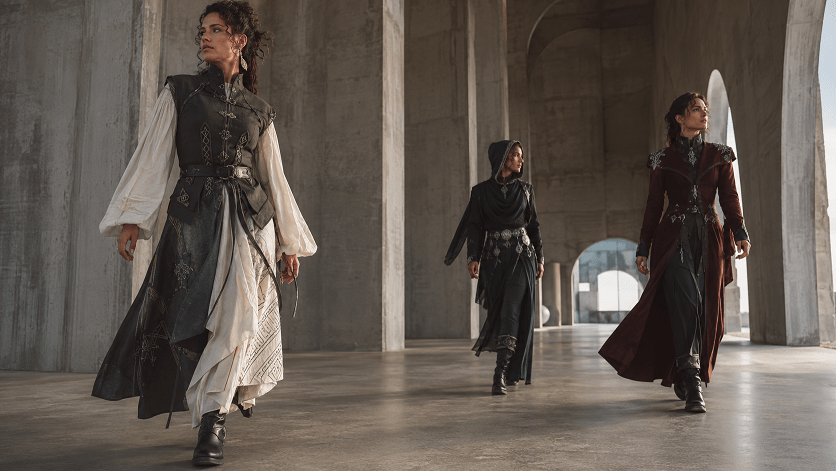
Western couture relies heavily on severe corsetry and rigid geometric shapes to manipulate the human silhouette. Historical Chinese garments prioritize fluid draping and flat-pattern cutting, allowing the fabric to fall naturally. Heaven Gaia forces these two opposing structural philosophies to coexist in a single garment. A standard runway piece frequently features a stiff, boned Western bodice transitioning directly into a massive, trailing skirt cut from weightless, translucent silk.

This specific physical tension creates a highly dramatic presence. The designer manipulates fabric to project power while maintaining soft, organic movement. This method rejects the outdated idea that Asian fashion remains stuck in historical replication. It modernizes the aesthetic by forcing ancient textiles to interact with contemporary tailoring standards. The resulting silhouettes demand absolute physical control from the wearer, requiring upright posture and deliberate, calculated movement to manage the massive volume of the fabrics.
Textile Engineering And Su Embroidery
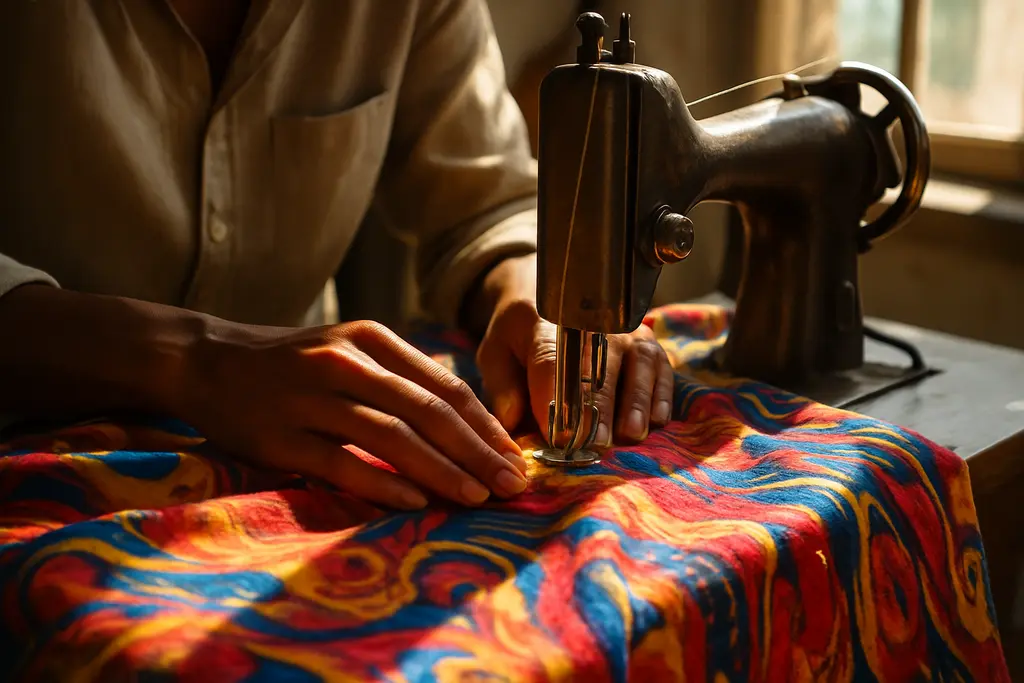
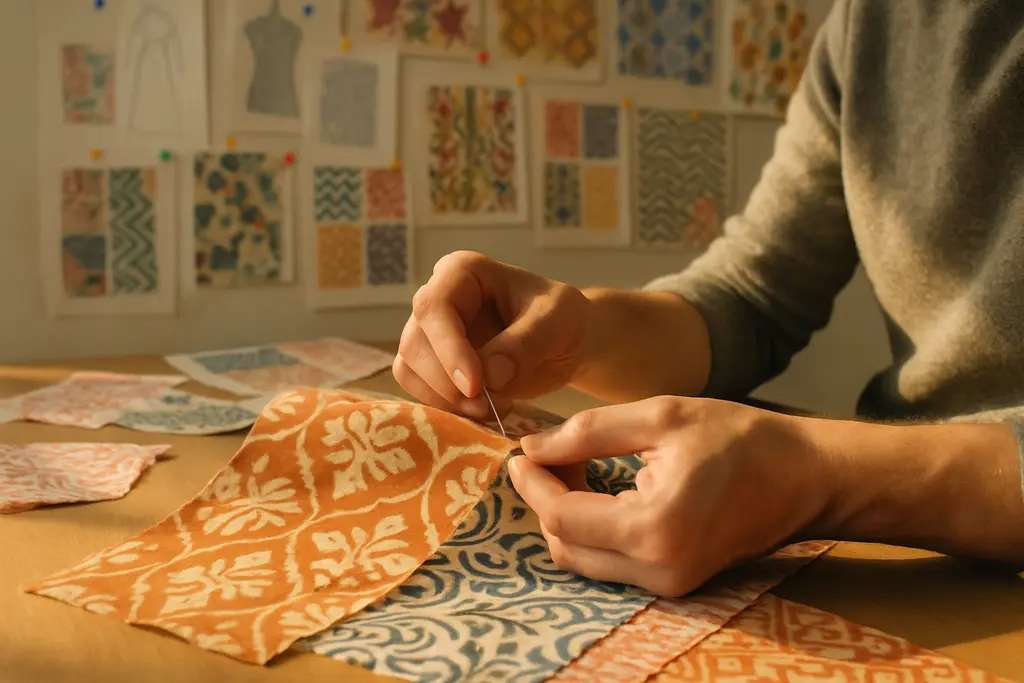
The raw materials define the exact value of any haute couture garment. Heaven Gaia rejects standard commercial fabrics, operating entirely within the highest tier of custom textile production. The brand relies heavily on Su embroidery, a highly specialized technique originating in Suzhou over two thousand years ago. This method utilizes microscopic silk threads to create highly realistic imagery directly on the fabric. A single evening gown requires thousands of hours of manual labor to complete the stitching.
The artisans split a single strand of silk into dozens of thinner filaments, allowing for smooth color gradients mimicking fluid paint. Applying this ancient technique to a modern dress creates intense visual depth. Commercial manufacturers cannot replicate this exact effect with digital printing or automated machine sewing. The physical weight of the heavy silk threads pulls the base fabric taut, adding a rigid structure to specific sections of the gown. For a broader analysis of how high-end construction impacts formalwear, reviewing core formal styling formulas reveals exactly why handmade textiles command such high market value. The heavy embroidery acts as a structural anchor, providing a stiff boundary against the lighter, flowing sections of the dress.
Structural Silhouettes On The Global Stage
The brand cemented its authority by securing highly coveted presentation slots during Paris Fashion Week. The venue selection always aligns with the massive scale of the clothing. By showing collections inside historical European monuments, Xiong Ying creates a direct visual contrast between French architecture and Chinese garment construction. The runway presentations function as aggressive visual statements rather than simple clothing displays.

The cut of the garments frequently incorporates the high mandarin collar and the severe shoulder lines associated with standard imperial dress. The designer then subverts these conservative shapes by introducing deep, asymmetrical cutouts and sheer organza paneling. This mathematical approach to proportions guarantees the outfits remain sharp and deliberate. The integration of Western crinolines with Eastern silk paneling creates a unique hybrid structure. The internal caging supports the massive weight of the embroidered silk, preventing the fabric from collapsing around the legs. High-level analysis of global couture week presentations confirms that Heaven Gaia consistently delivers some of the most technically complex runway shows on the modern calendar.
| Artistic Reference | Textile Technique | Structural Result |
| Ink Wash Painting | Hand-dyed silk gradients | Soft, blurred boundaries, fluid movement |
| Ming Porcelain | High-contrast thread work | Graphic, sharp focal points on the bodice |
| Imperial Architecture | Su embroidery | Heavy, rigid garment sections holding strict shapes |
Color Theory And Ink Wash Techniques
The color palette of a Heaven Gaia collection reads like a historical archive of Chinese pigments. The brand ignores temporary seasonal color trends completely. The design team relies on highly saturated jewel tones and stark, high-contrast neutrals. Deep lacquer red acts as a primary foundational color. This bruised, heavy red projects massive authority and photographs perfectly under harsh runway lighting.
The brand frequently utilizes the visual language of traditional ink wash painting. Designers apply black gradients directly onto stark white silk organza. The dark pigment appears to bleed across the fabric, creating soft, organic boundaries rather than sharp geometric lines. Blue and white porcelain patterns offer another strict color combination. Applying the exact blue of Ming dynasty ceramics to a modern, structured evening gown forces the eye to recognize the historical reference immediately. The lack of chaotic color mixing demands absolute perfection in the garment construction. The minimal palette leaves nowhere to hide sloppy tailoring or uneven seams.

Integrating Haute Couture Into Formal Wardrobes
Translating runway haute couture into functional eveningwear requires strict attention to styling proportions. A full Heaven Gaia look demands total commitment to the aesthetic. Treating a highly formal, embroidered gown as a casual statement piece ruins the architectural impact of the design. A successful presentation isolates the gown and grounds it with sharp, contemporary styling choices that do not compete with the clothing.
The footwear must possess enough physical mass to anchor the look. Delicate, thin-strapped sandals look entirely absurd beneath heavy silk brocade. A solid leather pump or an anatomical kitten heel provides a grounded, stable base. The pointed toe of a modern leather shoe extends the visual line of the leg straight into the floor, finishing the highly calculated presentation.
Jewelry must follow the exact same logic. Stacking traditional jade pieces on top of an already complex garment destroys the clean lines of the outfit. The current standard demands extreme restraint. You select one heavy, architectural metal piece or a single pair of sharp diamond studs and leave the rest of the body completely unadorned. This disciplined approach guarantees the intricate textile engineering of the dress remains the absolute center of attention. Every individual piece of the outfit serves a distinct structural purpose, resulting in a flawless aesthetic that performs perfectly inside high-end venues.