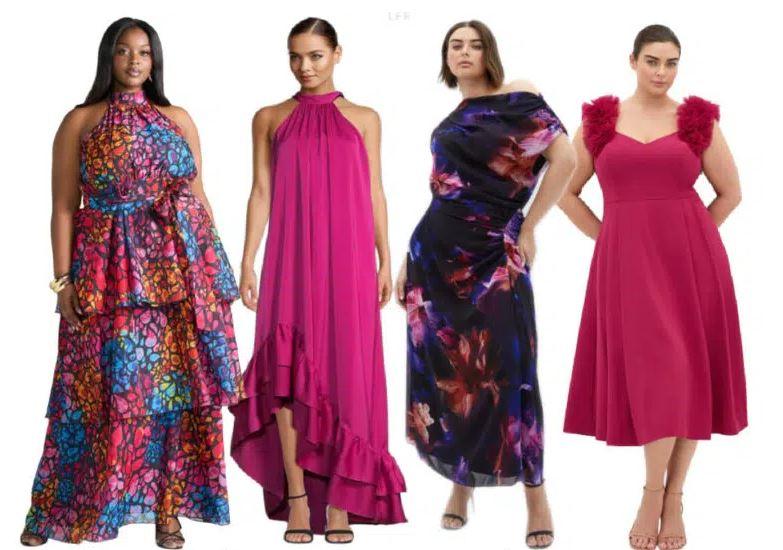
Preparing for a wedding ceremony demands a highly calculated approach to personal styling. The standard habit of panic-buying a flimsy dress hours before an event routinely results in sartorial failure. Modern attendees prioritize structural integrity, strict dress code adherence, and advanced textile manipulation. The current aesthetic abandons predictable lace and cheap chiffon. Today’s most stylish guests balance severe architecture with soft, formal textures. This analytical approach to eveningwear guarantees a striking presence that photographs flawlessly. Building a functional festive wardrobe requires ignoring standard fast-fashion offerings. The focus shifts entirely to precise garment construction and intelligent accessory choices.
Decoding Modern Event Dress Codes
Formal invitations often feature exact terminology regarding attire. Interpreting these rules correctly prevents uncomfortable social friction at the venue. Black tie events demand floor-length gowns constructed from heavy silk, structured crepe, or rich velvet. The hemline must completely cover the ankles. Cocktail attire allows for a raised hemline, resting directly at the knee or mid-calf. The shorter length requires heavier fabrics and sharper cuts to maintain formal authority.

Destination ceremonies introduce complex environmental variables. A beach or vineyard location demands breathable linen or lightweight silk organza that moves easily in natural wind. Reviewing high-level wedding guest etiquette clarifies the exact expectations for formal event styling.
| Dress Code Category | Ideal Fabric Choice | Required Silhouette |
| Formal / Black Tie | Heavy Silk Crepe | Floor-Length Column Gown |
| Cocktail | Structured Wool Blends | Midi-Length A-Line Dress |
| Destination | Silk Organza | Fluid Maxi Dress |
Textile Selection And Structural Integrity
The raw materials dictate the absolute success of the entire outfit. Flimsy polyester traps heat, creating a highly uncomfortable physical experience during long receptions. Cheap synthetic fabrics reflect camera flashes poorly, resulting in shiny, unflattering photographs. The modern dress code relies on premium, natural fibers that hold specific geometric shapes.
Heavy silk charmeuse offers a liquid finish that signals immediate luxury. The fabric drapes heavily over the body, conforming to natural curves without clinging. Silk faille and wool crepe provide a completely different structural profile. These rigid materials hold sharp creases and support complex architectural elements like exaggerated shoulders or stiff peplums. The weight of the fabric acts as a deliberate counterweight to the festive atmosphere, projecting total confidence and control. Incorporating pieces from your existing formal styling formulas streamlines the selection process and maximizes wardrobe utility.

The Architecture Of The Modern Silhouette
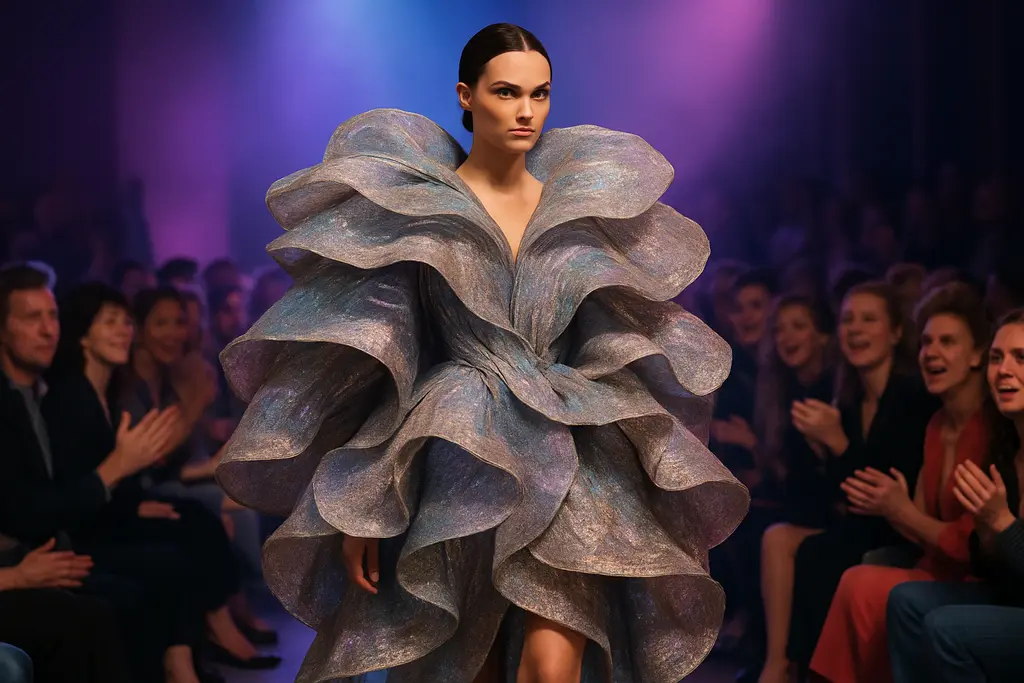
The standard fit-and-flare dress feels entirely dated in the current fashion climate. The most photographed guests rely on asymmetrical cuts and column silhouettes. The drop-waist dress made a massive return this season. This specific shape elongates the torso and pushes all visual volume to the lower half of the body. The design relies on internal boning through the bodice to keep the shape perfectly rigid. The skirt then explodes outward in heavy pleats directly at the hip bone. This architectural approach flatters the human frame by highlighting the natural waist without constricting it.
Column dresses offer a minimalist alternative. A severe, high-neck column gown paired with a completely open, scooped back creates intense visual tension. The front of the garment projects extreme modesty, providing a sharp visual break against the exposed skin in the back. This mathematical approach to proportions guarantees the outfit remains sharp and deliberate.
Color Theory And Formal Pigments
Selecting the correct color involves analyzing the time of day and the venue lighting. Standard black remains a permanent, immovable staple for evening affairs. A stark black column dress absorbs artificial lighting and slims the physical profile. Deep oxblood and heavy emerald green act as the primary alternatives to black. Wearing a single, dark jewel tone from head to toe projects massive authority. The lack of color variation demands absolute perfection in the garment construction.
Daytime ceremonies require a completely different palette. Icy blue, pale silver, and muted clay dominate the afternoon dress codes. These desaturated tones reflect natural sunlight beautifully. The coldness of a pale silver slip dress matches perfectly with rigid metal accessories. Bold, chaotic prints require extreme caution. A loud floral pattern often masks poor garment construction. Sticking to solid, highly saturated colors offers the safest and most impactful entry point into formal dressing.

Strategic Accessorizing And Hardware
Accessories complete the structural presentation. The soft, flowing nature of formal clothing demands hard, architectural accents. A leather box clutch featuring sharp right angles provides a necessary rigid boundary against silk or velvet. Slouchy hobos or soft canvas bags fail completely in a formal setting. They simply add more shapeless fabric to the equation.
The evening bag must utilize rigid box calf leather or solid acrylic, guaranteeing the sharp corners never round out or collapse. The hardware on these pieces resembles industrial vault locks rather than delicate filigree. Heavy silver clasps and thick metal chains provide a cold, mechanical finish to the premium materials.
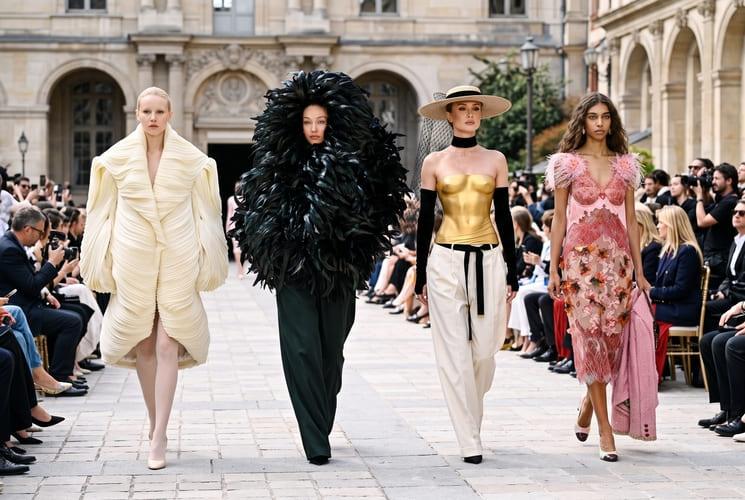
Jewelry must follow the exact same logic. A thick, solid gold collar necklace or massive structural silver cuffs worn over bare arms adds instant polish. The cold, hard metal interacting with the warm skin creates a highly sophisticated tactile contrast. The current standard demands extreme restraint in quantity and extreme aggression in scale. You wear one massive piece of metal and leave the rest of the body completely unadorned.
Footwear Integration For Long Events
Wedding schedules frequently require standing for six to eight hours. The footwear must possess enough physical mass to compete directly with heavy formal fabrics and offer actual physical support. Delicate, thin-strapped stilettos look entirely absurd sinking into a grassy lawn. Shoe designers abandoned extreme, unwearable platforms and absurd heel heights. They pivoted back to pure structural realism.
The anatomical kitten heel serves as the daily workhorse for the fashion crowd. These shoes follow the natural biological curve of the human foot. Slingback designs featuring sharp, elongated pointed toes dominate the formal market. The pointed toe extends the visual line of the leg straight into the floor. A polished leather block heel provides a brilliant, grounded alternative for outdoor venues. The wider base prevents the shoe from sinking into soft ground, acting as a rigid anchor for flowing silk and velvet garments.

Adapting To Seasonal Requirements
The coat dictates the entire first impression of the outfit. Arriving at a formal winter event in a casual nylon puffer jacket instantly ruins the aesthetic you built underneath. The outer layer acts as a protective, rigid shell. The funnel neck wool coat completely overtook the classic wrap style. These jackets feature a stiff, high collar standing straight up. The collar frames the jawline and blocks the wind simultaneously.
Massive, oversized faux fur coats offer a high-drama alternative for late-evening departures. Throwing a heavy, textured coat over a fragile silk slip dress provides the exact structural contrast required by current fashion standards. The outerwear must match the formality of the destination perfectly. Every individual piece of the outfit serves a distinct structural purpose, resulting in a highly intentional, flawless festive aesthetic.