
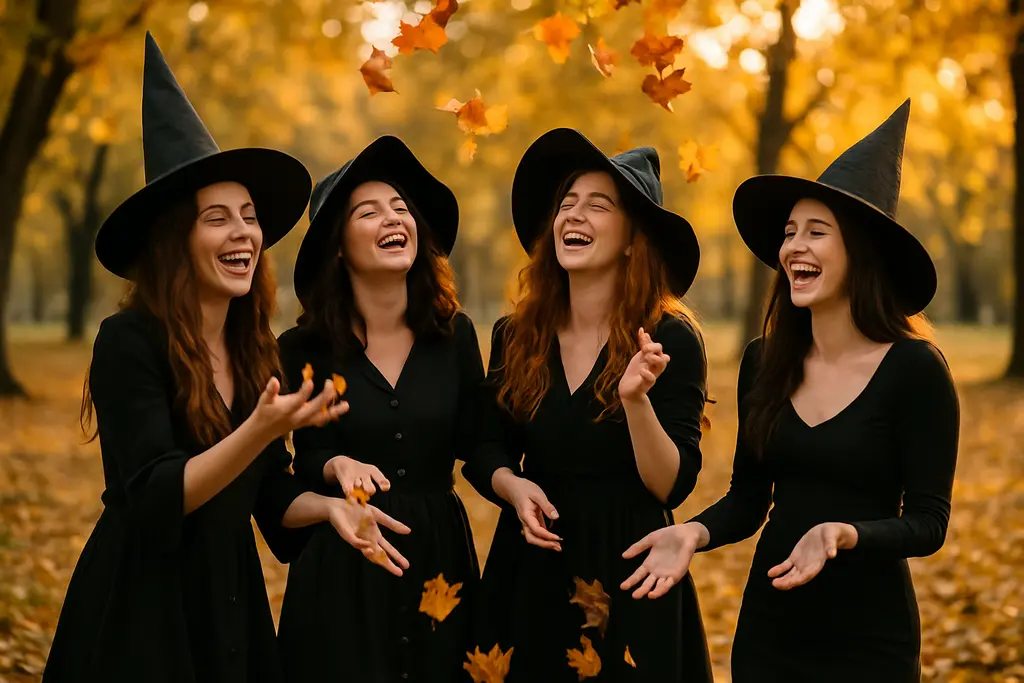
DIY dress-up has reached an unusually useful point for makers: witch-inspired outfits can now read as autumn fashion rather than a single-use costume. The strongest Fall 2026 references are not plastic brooms and novelty capes. They are long silhouettes, dark texture, controlled volume, grounded boots, and styling that borrows atmosphere without flattening folklore, cinema, or runway work into a copy. As of September 28, 2026, Halloween on October 31, 2026 is still ahead, so there is time to build a look from existing garments, secondhand finds, and a few carefully chosen handmade details.
Why witch-inspired outfits Fit Fall 2026
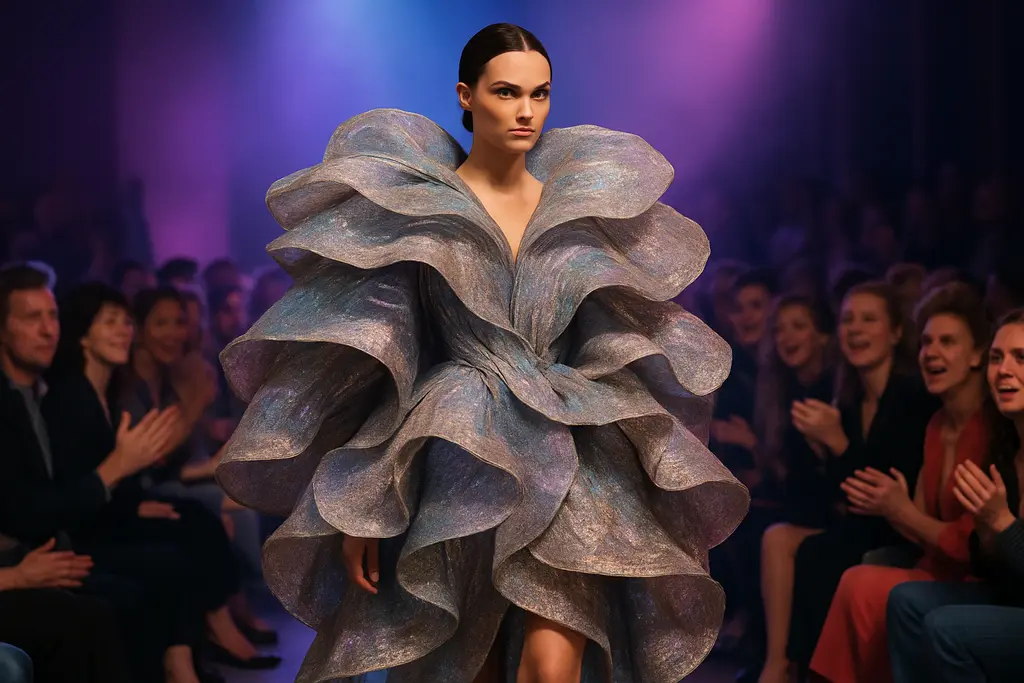
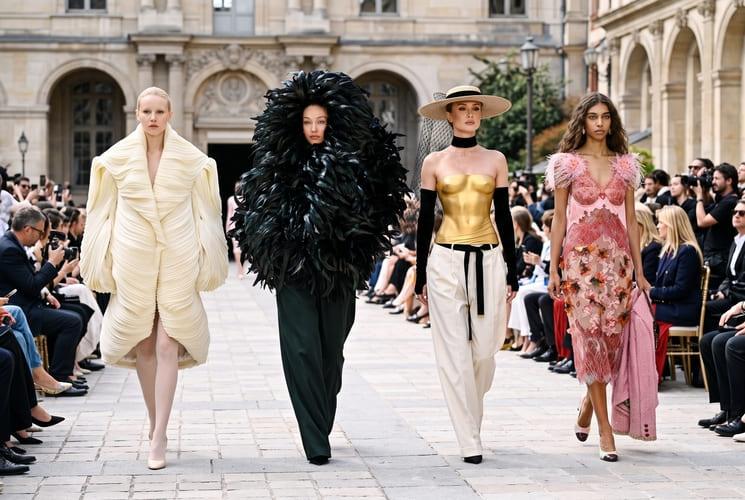
The current fashion context supports this direction, but it deserves careful reading. Vogue connected Fall 2026 witchy dressing to designers including Comme des Garçons, Rick Owens, Erdem, and Lanvin, noting elements such as muddy earth colors, dramatic textures, capes, and corsetry in the season’s collections Vogue’s trend report. That does not mean a home maker should reproduce a runway look stitch for stitch. It means the mood has entered the visual conversation: covered shapes, shadowed palettes, fabric weight, and a sense of ritualized dressing.
Elle also framed the Fall 2026 witch look through screen culture, citing titles such as Practical Magic 2, Coven Academy, and American Horror Story: 13 in relation to monochrome dressing, personalized capes, structured hats, pointed boots, lace, and substantial fabrics Elle’s fashion analysis. For DIY purposes, that influence is best treated as a broad styling reference. Copying a specific character’s costume, insignia, or identifiable screen wardrobe for commercial sale can raise rights questions. A safer creative approach is to study proportion, texture, and mood, then build an original outfit around the wearer’s own materials.
Building witch-inspired outfits From Existing Pieces
The most convincing starting point is usually a base layer already in the closet: a black slip dress, a charcoal turtleneck, a long brown skirt, a washed cotton blouse, or a velvet jacket. From there, the maker can control the silhouette with additions rather than replacing the whole outfit. A belt or lace-up bodice can narrow the waist. A long scarf can become a shoulder wrap. A sheer curtain panel, if cleaned and hemmed, can become a veil or overskirt. These changes carry the mood without demanding advanced drafting skills.
Secondhand clothing is especially useful because witch styling depends on surface character. Crushed velvet, worn leather, aged lace, matte crepe, and brushed wool all photograph differently under low autumn light. A new costume set often looks flat because every component shares the same synthetic shine. A thrifted outfit, by contrast, can mix dull and reflective surfaces in a way that feels more considered. The maker still needs discipline: too many distressed textures can turn the outfit muddy. One dominant fabric and two supporting textures are usually enough.
Runway Cues Without Copying A Collection
Runway influence works best at the level of design logic. Capes, for example, can be interpreted as a short mantle, a long duster, a scarf pinned at one shoulder, or a detachable hood. Corsetry can mean a true corset, but it can also mean a wide belt, a shaped waist panel, or contrast lacing added to a vest. Pointed footwear can be a boot with a practical block heel rather than a fragile party shoe. The aim is to translate the visual grammar, not to imitate the source garment.
Color also benefits from restraint. Black remains the clearest reference, but Fall 2026 witch styling is not limited to black. Mud brown, ash gray, lichen green, dried-blood red, ink blue, and bone can create a quieter mood. These shades work well for events where a full costume would feel excessive: gallery nights, autumn markets, school-adjacent gatherings, or casual costume parties. For a nearby reading of lace, corsetry, and theatrical romance, the site’s piece on dark coquette themes gives useful contrast without requiring the same occult tone.
Respecting Folklore, Film, And Fashion References
Witch imagery carries many sources: European folklore, stage costume, horror cinema, pagan-adjacent visual language, Victorian mourning dress, fantasy illustration, and contemporary fashion. A DIY outfit does not need to claim authenticity to any one tradition. In fact, claiming ritual or cultural authority without knowledge can weaken the work. A more respectful caption or event description would call the look “witch-inspired,” “gothic autumn,” or “fantasy dress-up” rather than presenting it as a faithful representation of a living practice.
For creators who sell handmade accessories, caution matters even more. Avoid using protected character names, film titles, recognizable logos, or direct costume replicas in product listings unless proper permission is in place. Describing a piece by its physical qualities—black lace collar, pointed wool hat, moon-shaped brass charm, velvet shoulder cape—is clearer and less dependent on someone else’s intellectual property. This is not legal advice, but it is a practical way to keep the design conversation focused on craft.
Building The Look Piece By Piece
A balanced outfit usually needs five parts: base garment, shape layer, texture layer, footwear, and one focal accessory. The base garment supplies coverage and comfort. The shape layer changes the outline. The texture layer gives depth. Footwear decides whether the look survives an actual event. The accessory tells the eye where to rest. For further inspiration, readers who wish to explore related styling resources might find Shimply useful for broader shopping and idea research across the same network.
- Base garment: black dress, long skirt, dark trousers, fitted knit, or high-neck blouse.
- Shape layer: waist belt, corset-style top, vest, cropped jacket, or pinned wrap.
- Texture layer: lace sleeves, velvet scarf, gauze veil, wool capelet, or sheer overskirt.
- Footwear: pointed boots, block-heel ankle boots, lace-up boots, or flat boots with visible structure.
- Focal accessory: wide-brim hat, dark brooch, hand-painted charm, net veil, or single dramatic necklace.
Hand sewing can do a great deal here. A line of black ribbon stitched along a sleeve turns a plain blouse into a costume piece. Small snaps can make a capelet detachable. A hat can be reshaped with steam, then steadied with a hidden comb or elastic. A damaged lace garment can be cut into cuffs, collar overlays, or boot toppers. The best DIY choices look intentional from a few feet away and remain comfortable up close.
Practical witch-inspired outfits For Events

Event dressing is where many fantasy outfits fail. On October 31, 2026, weather will vary by region, but much of the Northern Hemisphere will require some planning for cold, damp, or crowded conditions. A floor-length hem can look dramatic in a photograph and become a hazard on stairs. A tall hat can create problems in cars, restaurants, and packed indoor rooms. A corset that looks striking for five minutes can become unwearable if it blocks sitting or deep breathing.
For a walking-heavy event, choose a shorter cape, boots with grip, and a hem that clears the ground. For an indoor party, a more fragile veil or lace sleeve can work because the outfit faces less wind and less pavement. For a school or family event, reduce sharp accessories, trailing fabric, and heavy makeup. The point is not to make the outfit plain. It is to let the wearer move without treating the costume as a burden.
Makeup, Hair, And Accessories With Restraint
Moody styling does not require theatrical face paint. A smoky eye, muted lip, brushed brows, and matte skin can support the clothing without overwhelming it. Hair can be worn loose, braided, pinned low, or covered with a veil. If the outfit already has lace, velvet, and a hat, jewelry should be limited. One ring stack or one pendant often reads stronger than several competing symbols.
Accessories should also be chosen with awareness. Occult symbols can carry real meaning for some wearers and communities, so they should not be treated only as random decoration. Abstract shapes, botanical motifs, moons, stars, dark florals, and antique-style hardware can create a similar atmosphere with less risk of careless reference. This is especially useful for public events where viewers may not share the same cultural assumptions.
DIY Dress-Up Ideas For Fall 2026 Events
The best witch-inspired outfits for Fall 2026 will probably be the ones that feel assembled rather than bought as a sealed kit. A thrifted skirt, a structured boot, a handmade capelet, and a restrained hat can say more than a full novelty costume. This approach also makes the clothing more usable after Halloween. Remove the veil, swap the bodice for a sweater, or wear the boots with a long coat, and the outfit returns to autumn wardrobe use.
For makers, the editorial test is simple: can each piece stand on its own, and does the full look respect its influences? If the answer is yes, the costume has moved beyond seasonal cliché. It becomes a personal study in silhouette, fabric, and atmosphere, which is exactly where DIY dress-up is strongest.