
Analyzing traditional Chinese clothes types requires examining centuries of textile engineering and social changes. These garments operate far beyond simple aesthetics. They function as historical markers, reflecting strict societal rules, structural innovations, and material advancements. Each specific style dictates a precise way of moving and interacting with the physical environment. By breaking down the geometry and construction of these famous garments, we can map the transition from ancient imperial courts to modern global fashion.
The Historical Architecture Of The Hanfu
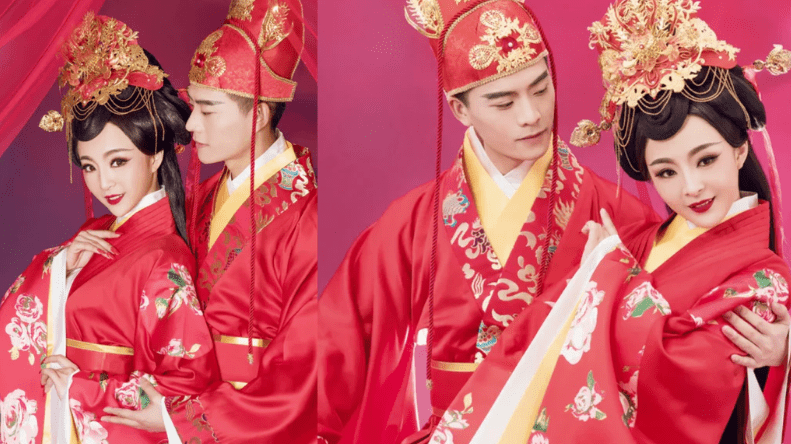
The Hanfu represents the oldest and most enduring structural foundation of Chinese dress. The term directly translates to the clothing of the Han people. The architecture of this garment relies heavily on fluid, crossing lines and massive fabric volume. The defining feature is the jiaoling youren, a cross-collar design wrapping the right lapel over the left. Wrapping the fabric in the opposite direction historically signaled mourning or foreign origin, making this specific geometric fold a strict cultural requirement.
The physical construction of the Hanfu lacks rigid shoulder seams or darts. The entire garment relies on flat-pattern cutting, meaning the fabric drapes organically over the natural slopes of the body. Wide, sweeping sleeves—sometimes extending past the fingertips—create a continuous flowing motion. A thick fabric belt, or sash, acts as the central structural anchor. This belt cinches the heavy layers of silk or linen tightly against the waist, preventing the massive volume of the robes from looking completely shapeless. The weight of the lower skirt pulls the fabric straight down, elongating the human frame and forcing the wearer to adopt a slow, deliberate walking pace.
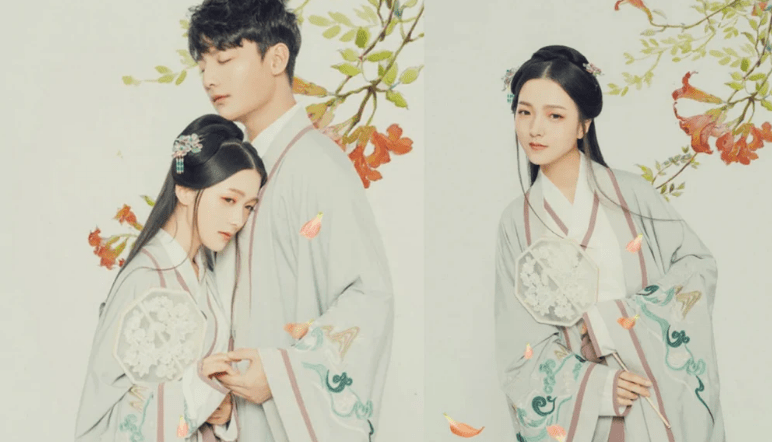
Different dynasties manipulated this base architecture to reflect changing social values. The Tang Dynasty introduced high-waisted silhouettes, pulling the skirt band directly under the bust line and utilizing sheer, diaphanous silk overlays. This specific structural shift created a much more relaxed, expansive upper profile. The Ming Dynasty reverted to strict, conservative lines, introducing heavy, heavily pleated skirts (ma mian qun) that added massive physical weight and rigorous vertical geometry to the lower half of the body.
The Structural Evolution Of The Qipao
The Qipao, widely known globally as the Cheongsam, offers a stark geometric contrast to the ancient Hanfu. Originating from the Manchu robes of the Qing Dynasty, the Qipao underwent a massive structural reinvention in 1920s Shanghai. Dressmakers stripped away the heavy, boxy dimensions of the original Manchu garment. They introduced Western structural cutting techniques, implementing sharp darts around the bust and waist to mold the fabric directly to the feminine silhouette.
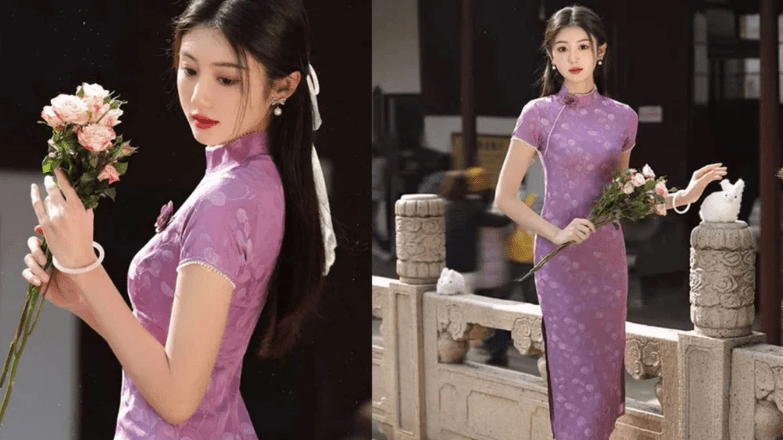
The resulting design operates as a masterclass in tension and proportion. A stiff, high mandarin collar frames the jawline and forces an upright, disciplined posture. The fitted bodice restricts upper body movement, demanding a highly controlled physical presence. To counteract this severe restriction, designers added dramatic side slits to the skirt. These vertical cuts allow for leg mobility during movement. The height of the slit directly dictates the visual impact of the dress. The combination of a highly restrictive upper half and a completely open lower hem creates intense architectural friction, making the Qipao one of the most recognizable formal silhouettes globally. The fabric itself is often cut on the bias, a mathematical technique that forces non-stretch silk to expand slightly, wrapping perfectly around the natural curves of the hips.
The Geometric Precision Of The Tangzhuang
The Tangzhuang functions as the standard formal jacket for men, offering high-level utility combined with strict traditional detailing. The modern version of this jacket evolved from the Magua, a riding jacket worn during the Qing Dynasty. The structural success of the Tangzhuang relies entirely on symmetrical precision and heavy fabric mechanics.
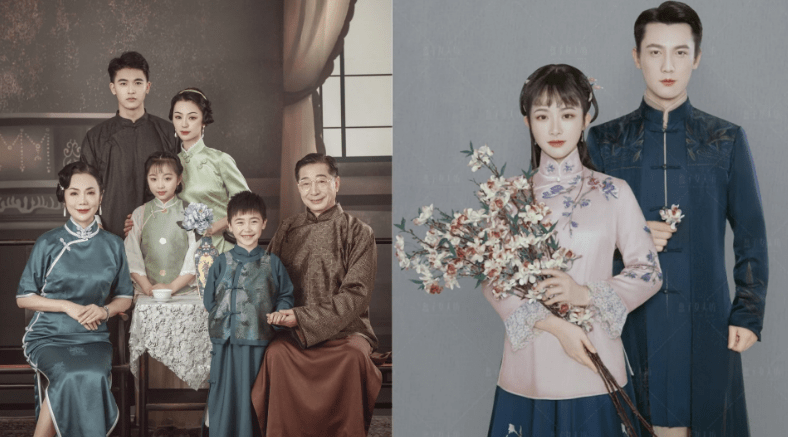
A true Tangzhuang features a seamless shoulder construction. The front and back panels cut from a single piece of heavy brocade or silk fall directly over the shoulder without a defining ridge. This creates a soft, rounded upper profile. The center front closure serves as the primary visual anchor. Dense, hand-woven frog buttons (pankou) run in a perfect vertical line down the chest. These knot closures require exact mathematical placement. If one button sits slightly off-center, the entire geometry of the jacket collapses. The stiff mandarin collar mirrors the Qipao, providing a uniform, disciplined border around the neck. The heavy silk lining adds physical insulation, forcing the jacket to maintain its boxy, rigid shape even during heavy physical movement.
The Zhongshan Suit And Modern Utility
As the 20th century progressed, the need for functional, industrial clothing replaced the demand for heavy imperial robes. The Zhongshan suit, widely recognized as the Mao suit in Western countries, completely redefined male professional attire in China. Sun Yat-sen introduced this garment, blending Japanese cadet uniforms with traditional Chinese structural elements.
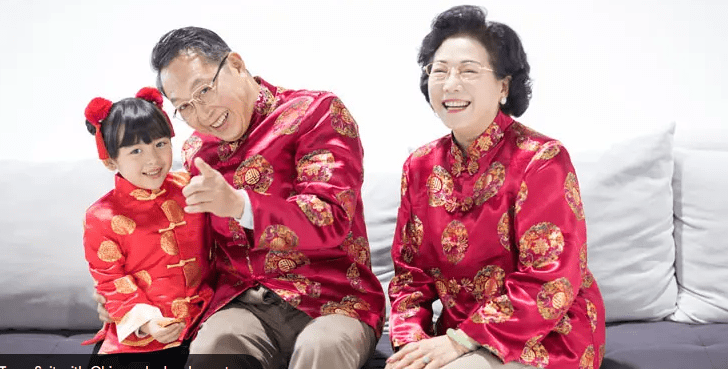
The architecture of the Zhongshan suit is purely utilitarian. It abandons the soft, seamless shoulders of the Tangzhuang for sharp, constructed shoulder pads. A closed, turned-down collar replaces the stiff mandarin collar, allowing for greater neck mobility. The defining characteristic is the strict symmetry of the four front pockets. These heavy, flap-covered pockets add physical dimension to the chest and waist, signaling a shift away from decorative silks toward highly functional workwear. The exact spacing of the five central buttons represents the five branches of government in the Republic of China’s constitution, proving that political ideology can directly dictate garment construction.
| Garment Type | Primary Silhouette | Dominant Structural Feature | Historical Era of Origin |
| Hanfu | Fluid, high volume | Cross-collar, flat-pattern draped sleeves | Han Dynasty (Core Rules) |
| Qipao | Fitted, column | Stiff mandarin collar, severe side slits | 1920s Shanghai |
| Tangzhuang | Boxy, structured | Seamless shoulders, knotted frog buttons | Qing Dynasty (Magua base) |
| Zhongshan Suit | Rigid, utilitarian | Four symmetrical flap pockets, shoulder pads | Republic of China |
Fabric Mechanics In Traditional Garments
The raw materials used in traditional Chinese clothes types determine the physical drape and longevity of the outfits. Silk remains the absolute foundation of high-end historical clothing. Chinese silk production utilizes long, unbroken filaments from the silkworm cocoon, resulting in a fabric that reflects light like a liquid mirror. This material holds sharp pleats in a Hanfu skirt and conforms perfectly to the tight darts of a Qipao.
Heavy brocade offers a completely different structural profile. By weaving raised, metallic patterns directly into the base fabric, brocade creates a rigid, armor-like shell. This stiffness makes it the perfect material for a Tangzhuang jacket, as the heavy textile maintains its boxy shape even when unbuttoned. For everyday historical wear, densely woven hemp and cotton provided breathable, durable alternatives. Analyzing how these organic fibers interact with body heat and movement is key to tracking historical fashion trends. The material dictates the function just as heavily as the cut.
Integrating Heritage Pieces Into Modern Wardrobes
Wearing traditional Chinese clothes types in a contemporary setting requires strict attention to styling proportions. Treating a highly formal Qipao or a heavy Hanfu as a casual costume ruins the architectural impact of the design. A successful modern outfit isolates a single heritage piece and grounds it with sharp, contemporary basics.
Pairing a heavily embroidered silk Tangzhuang jacket with rigid, dark denim creates a perfect textural dichotomy. The heavy denim provides a modern, industrial anchor for the ornate silk above it. A short Qipao functions beautifully as a formal evening piece when styled with minimal, geometric metal accessories and a sharp leather block heel. Avoid stacking traditional jewelry or heavy jade pieces on top of an already complex garment. The visual clutter destroys the clean lines of the dress.
Museums and cultural institutions dedicate massive resources to preserving the exact construction methods of these historical items. Institutions dealing with traditional Chinese textile preservation document the exact mathematical proportions required to replicate these garments accurately. By studying these authentic pieces, you can recognize the immense structural engineering backing every single fold, button, and seam in Chinese fashion history.