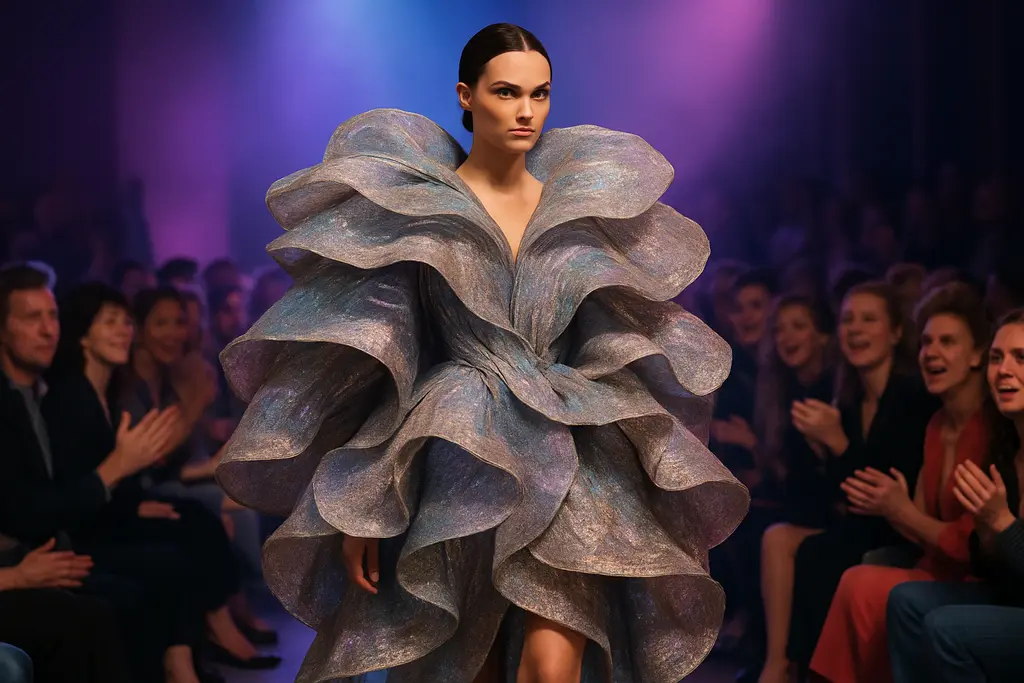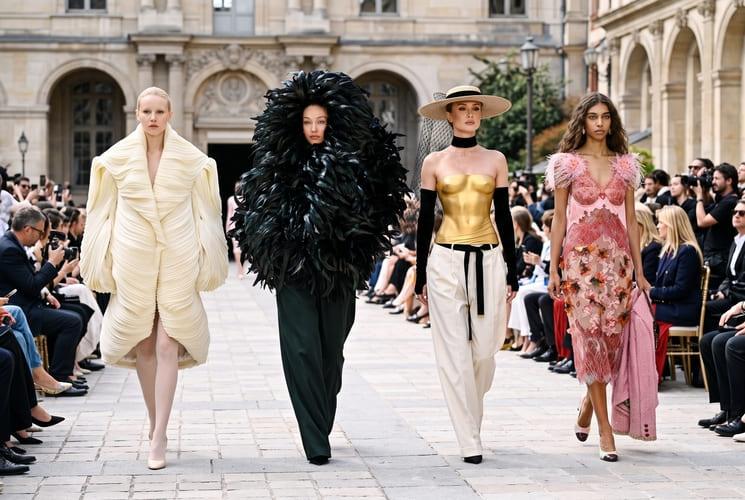

Warm Up Fashion is an attractive search phrase because MoMA PS1’s summer music series sits at the intersection of sound, youth styling, performance space, and image culture. Yet the available record needs a careful reading. As of August 15, 2026, the official materials for Warm Up 2026 do not name specific fashion brand collaborations. The series is documented as running from July 24 to August 28, 2026, according to the MoMA press page, and the announced emphasis is musical programming rather than apparel partnerships.
What Warm Up Fashion Can Actually Support
The strongest fashion angle here is not a confirmed capsule, merch drop, runway tie-in, or sponsor activation. It is the possibility that fashion brands, independent sellers, stylists, and attendees may watch the series because live music events often generate visible styling cues. That is a different claim from saying a collaboration exists. For a fashion reviewer, the distinction matters: event style can influence mood boards and creator commerce without producing an official brand partnership.
Warm Up Fashion Watchlist Limits
A responsible Warm Up Fashion watchlist begins with absence. The absence of named apparel partners in official copy is a real editorial finding, not a gap to fill with speculation. Past associations between music events and fashion should not be used as proof of 2026 agreements. The current, supportable position is narrower: if MoMA PS1 or a participating brand announces a collaboration later, it should be assessed against the official wording, release date, distribution channel, and whether the project is framed as merch, sponsorship, artist merchandise, styling, or a deeper design partnership.
Why The Missing Announcement Matters
Fashion collaborations are often judged by scarcity, cultural proximity, and credibility. In a museum-affiliated music program, credibility becomes especially sensitive because the audience may read clothing as part of the event’s visual identity. Without a stated collaboration, sellers and commentators should avoid using the museum name, artist names, or performer likenesses in ways that imply authorization. That is not legal advice; it is a practical editorial caution for creators who want to discuss the event while respecting artists, venues, and original work.
The Fashion Value Of A Music-Led Series
MoMA PS1’s own program page identifies Warm Up 2026 through a lineup of musical performances, with artists including keiyaA, Purelink, and Cortisa Star among others, as listed on the official program page. For fashion analysis, that means the primary object is not a garment release but the live-event context: how visitors dress for an outdoor summer series, how performers’ stage presence may shape visual memory, and how independent makers read cultural temperature without claiming direct endorsement.
This is where music-event dressing becomes useful but also easy to overstate. A photographer’s street-style frame can make a look feel directional, yet a single outfit does not prove a market trend. A crowd may show recurring choices—practical footwear, heat-aware layering, bags that keep hands free, handmade accessories, protective eyewear—but those observations would need direct documentation before being reported as a trend. Until then, the safest framing is that Warm Up 2026 offers a setting worth watching rather than a confirmed fashion program.
Attendee Style As A Soft Signal
Attendee style can still matter. Summer music events often compress the practical demands of weather, movement, and social visibility into one outfit. That pressure favors garments that photograph clearly, move well, and tolerate long periods outside. For DIY dress-up culture, the most useful lesson may be construction rather than branding: secure trims, breathable layers, washable embellishment, and accessories that do not interfere with dancing or crowd flow. Those are design considerations, not claims about what the Warm Up audience will wear.
Readers comparing event dressing with broader seasonal fashion can place this discussion beside our Spring/Summer 2026 fashion analysis, while keeping the evidence separate. A runway trend report and a museum courtyard music event operate through different signals. One is presented through collections; the other is interpreted through attendance, performance, climate, and visual circulation after the event.
Brand Watch Criteria Without Overclaiming

If a fashion brand collaboration emerges later, the first question should be basic: who announced it? An official museum channel, a brand press release, or a performer’s verified communication carries a different evidentiary weight from a reposted image or marketplace listing. The second question is scope. A limited T-shirt is not the same as a design residency, and an event sponsorship is not the same as an artist-led apparel collaboration.
The third question is aesthetic fit. A convincing partnership would need to respect the cultural work of the performers and the institutional setting. It should not reduce music communities to a surface theme. In DIY and seller-commerce terms, that means mood can be referenced through general design language—summer utility, movement, club-adjacent silhouettes, hand-finished accessories—without copying protected artwork, using names without permission, or implying an official tie that has not been announced.
- Announcement source: prioritize official MoMA PS1, brand, or artist communications.
- Project type: separate merch, sponsorship, styling, and true co-designed product.
- Rights sensitivity: avoid unauthorized use of artist names, images, venue identity, or artwork.
- Product logic: judge whether materials, price, and use case fit a summer live-event setting.
For a broader perspective on event-driven topics within the cultural landscape, Next Clues offers insights that complement this specific coverage. Still, any claim about a MoMA PS1 collaboration should come back to official publication. The value of caution is not dullness; it protects the artists, the institution, the audience, and the reader.
Warm Up Fashion Signals To Track
Warm Up Fashion should be treated as a developing editorial watch item, not as a confirmed collaboration category for 2026. The facts support a music series with named performers and announced dates. They do not yet support a list of fashion brands attached to the program. That may disappoint readers searching for capsule releases, but it gives fashion writers and sellers a cleaner task: monitor official updates, study event dressing with evidence, and keep interpretation separate from promotion.
For creators, the safest opportunity is indirect. Build pieces that respond to the needs of summer music attendance without borrowing protected identities: adjustable straps, breathable mesh overlays, sculptural hair accessories, modular belts, reflective finishes used as design accents, and pocketed garments that do not depend on a specific artist or museum reference. If official partnerships are announced later, they can be reviewed on their own terms. Until then, the strongest position is clear: watch the series closely, credit the source of every claim, and do not turn absence into invented news.