
Vintage footwear has moved from nostalgic accent to a leading flat-shoe story for fall 2026, with ballet flats and jazz shoes carrying most of the visual weight. The shift is not just about comfort. It reflects a wider interest in dance-informed silhouettes, archival-looking finishes, and low-profile shoes that still read as styled rather than casual. The strongest evidence is split between market data and fashion coverage: U.S. footwear sales rose only 1% in the first half of 2026 compared with the same period in 2025, while ballerina flats posted double-digit dollar growth, according to Circana footwear data.
Why Vintage Footwear Is Beating The Soft Market
The footwear market signal matters because it shows selectivity rather than broad enthusiasm. A 1% gain in total U.S. footwear sales in the first half of 2026 suggests that consumers were not buying every trend equally. Against that muted backdrop, ballerina flats standing out with double-digit dollar growth points to a category with clearer demand. That does not prove every ballet-inspired shoe will sell, but it does suggest that shoppers are responding to recognizable, low-heeled silhouettes with a strong fashion identity.
Reading Demand For Vintage Footwear
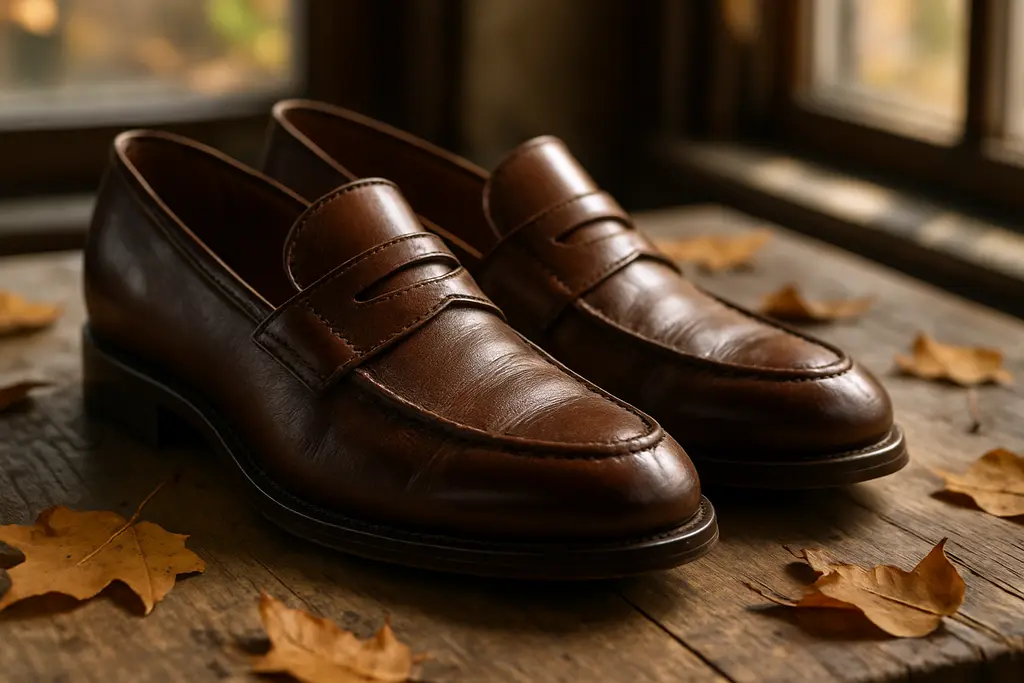
For vintage footwear, the commercial appeal sits in a useful tension: the shoes look familiar, but the best 2026 versions are not simple replicas. Square toes, low structured heels, Mary Jane straps, extended uppers, contrast stitching, decorative laces, suede finishes, and slim leather soles all update dance references without erasing them. That distinction is worth keeping clear. Ballet flats draw from studio and stage dress, while jazz shoes carry a different movement vocabulary through lace-up construction and flexible-looking soles. Treating them as identical would flatten the design language.
Fashion coverage published in early September 2026 framed ballet flats and jazz shoes as closely matched contenders for fall, with supporters divided between the two flat styles, as reported by Marie Claire. The split is believable because the shoes solve different styling problems. Ballet flats tend to soften a look and can read polished with skirts, denim, or cropped tailoring. Jazz shoes feel more graphic because the lace-up front creates a visible line across the foot.
The Role Of Performance Memory
Dance footwear has always carried an implied body language. Even when worn as street fashion, a ballet flat hints at turnout, balance, and restraint; a jazz shoe suggests quick footwork, rehearsal rooms, and practical flexibility. Designers can use that memory without turning clothing into costume. The strongest fall 2026 styling keeps the reference legible but restrained: a soft leather jazz shoe with a pleated skirt, a square-toe flat with dark denim, or a Mary Jane flat with a narrow trouser hem.
Ballet Flats Versus Jazz Shoes
The current contest between ballet flats and jazz shoes is less a replacement cycle than a narrowing of taste. Ballet flats had already returned with enough force to influence buying patterns, but jazz shoes offer a fresher outline for people who want a flat shoe that feels less sweet. The lace-up vamp is the key difference. It gives the shoe a small amount of structure and creates a visible rhythm, especially in black leather, white leather, or contrast-stitched versions.
The Vintage Footwear Split
The vintage footwear split also mirrors two moods in fall dressing. Ballet flats suit the continued appetite for delicate, low-profile shoes, especially in suede, Mary Jane shapes, and vintage-effect finishes. Jazz shoes suit a sharper mood: slimmer soles, soft leather, woven black treatments, supple white versions, or decorative laces. Fall/Winter 2026 ready-to-wear collections reportedly included soft leather jazz-shoe shapes from brands such as Bottega Veneta, Tibi, Ashlyn, Jil Sander, and Dries Van Noten. That kind of runway repetition supports the idea that the jazz shoe is not a one-off novelty, though it remains less commercially proven than the ballet flat.
High-vamp flats complicate the picture. These are still ballet-adjacent, but the extended upper covers more of the instep, making the shoe feel closer to a slipper or glove-like loafer. Spring 2026 runway coverage had already pointed to high-vamp flats, and the shape carried into fall through neutral palettes and stronger textures. The result is a spectrum rather than a binary choice: delicate ballet flats at one end, lace-up jazz shoes at the other, and high-vamp flats bridging the two.
Why The Naked Jazz Shoe Reads New
The so-called naked jazz shoe is the most editorial version of the trend. Reported in late August 2026 fashion coverage, the variation uses minimalist toe boxes, mesh panels, or peekaboo details to expose more of the foot. It is a logical evolution because it keeps the lace-up dance reference while borrowing the transparency language that has appeared across recent fashion seasons. Still, the style is more demanding than a standard leather flat. Mesh and open panels can look intentional with clean hems and simple hosiery, but they can also appear unfinished if the rest of the outfit lacks structure.
Styling Codes For Fall 2026
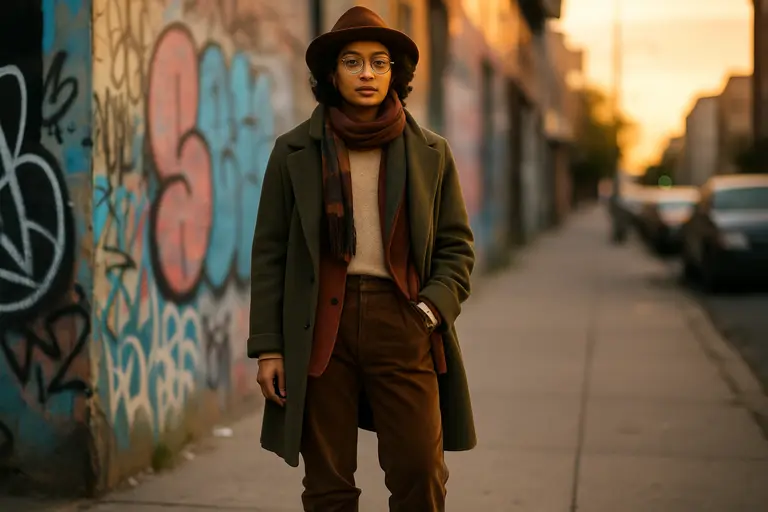
The safest reading of vintage footwear for fall 2026 is not that every flat should look antique. The better signal is proportion. Low shoes are being used to ground longer skirts, straight-leg jeans, ankle-length trousers, and textured outerwear. Because the shoes sit close to the ground, the outfit needs a clear line somewhere else: a cropped jacket, a defined waistband, a narrow trouser break, or a skirt hem that reveals the shoe rather than swallowing it.
Color also matters. Fashion coverage from September 2026 emphasized bold accents such as cherry red and cobalt blue for flats, while neutral suede and black leather remained practical anchors. For readers tracking how these tones connect to wider seasonal palettes, our analysis of 2026 runway color trends offers useful context. The key is restraint. A cobalt jazz shoe can carry an outfit if the clothing around it stays quieter; a cherry ballet flat can sharpen a grey skirt or dark denim without needing matching accessories.
- Choose ballet flats for softer lines, Mary Jane straps, suede textures, square toes, or low structured heels.
- Choose jazz shoes for lace-up fronts, slim soles, contrast stitching, and a stronger dance-studio reference.
- Choose high-vamp flats when you want coverage across the instep without moving into loafer territory.
- Use bold color carefully so the shoe acts as an accent rather than competing with every garment.
Costume Reference Without Costume Copying
As someone who studies dress-up play and fairytale costume design, I see a useful lesson in this trend: reference is strongest when it respects source traditions. Ballet and jazz footwear come from performance cultures with technical demands, not only from mood boards. A street-style flat can borrow the outline, but it should not pretend to be a professional dance shoe unless it is designed and fitted for that use. That caution also helps DIY dress-up makers. If you are building an outfit for a themed gathering, use ribbons, removable ankle ties, or tonal laces to suggest a dance influence instead of copying a protected character design or implying a brand association that does not exist.
For broader creative culture coverage in the same network, Robsonic provides insightful reading across style, art, and entertainment topics. That context matters because footwear trends rarely stay in one category. Dance references cross into music styling, stagewear, creator commerce, and handmade accessories. The strongest interpretations keep the artistic source visible while leaving room for personal styling.
Vintage Footwear For Fall 2026
Vintage footwear is leading fall 2026 flats because it combines three forces that rarely align so clearly: measurable demand for ballerina flats, runway support for jazz-shoe silhouettes, and a styling mood that favors low, expressive shoes over anonymous basics. Ballet flats remain the more established commercial winner, especially after their double-digit dollar growth in the first half of 2026. Jazz shoes, by contrast, carry the sharper fashion signal because they feel newer to many shoppers and offer a more distinct lace-up profile.
The most convincing wardrobe approach is not to choose a side permanently. A square-toe or Mary Jane ballet flat can serve polished everyday dressing, while a soft leather jazz shoe can add a rehearsal-room edge to tailored trousers or a long skirt. High-vamp flats sit between those poles for wearers who want coverage and restraint. The fall 2026 lesson is clear but narrow: flat shoes are not fading into the background. They are becoming the detail that tells viewers whether an outfit is romantic, graphic, archival, or performance-informed.