
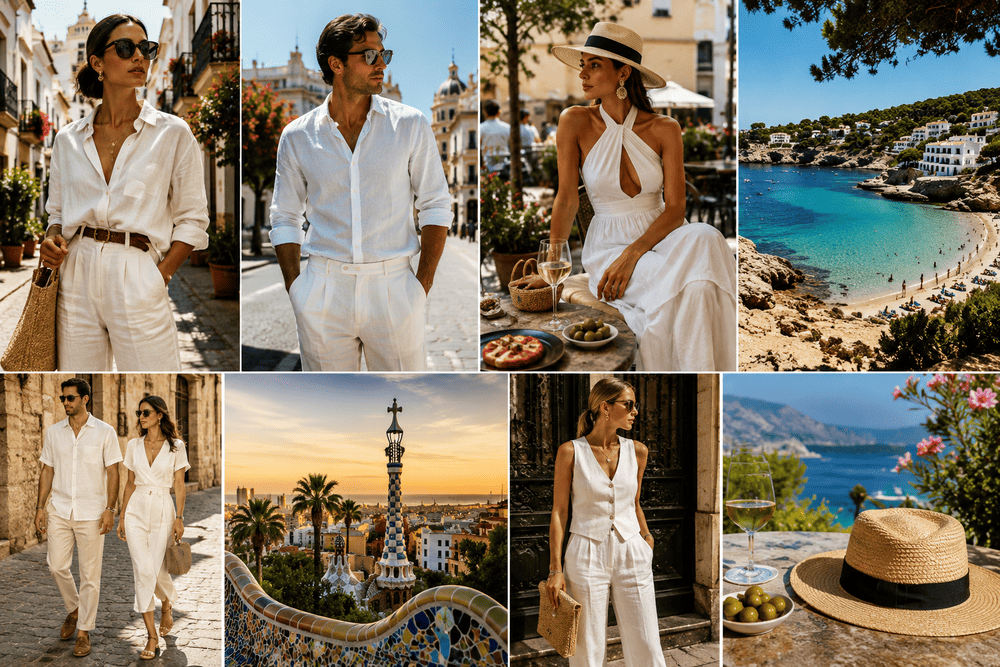
The Parisian aesthetic dominated mood boards and style guides for a solid decade. A striped shirt, a messy bob, and a beige trench coat photograph beautifully in the mild spring weather of Northern Europe. That specific uniform fails completely the second the temperature hits 100 degrees in July. For true warm-weather inspiration, looking further south offers a much better solution. Spanish women execute high-heat dressing with a level of mechanical precision the rest of Europe completely misses.
Their approach completely ignores the restrained minimalism of the French capital. The Spanish method relies heavily on bold geometry, heat-resistant textiles, and aggressive color theory. Walking through the streets of Madrid or Sevilla in the middle of August reveals a highly functional, fiercely stylish wardrobe built entirely for survival. The women in these cities refuse to sacrifice their sharp presentation to the humidity. They adapt their clothing to work with the extreme environment. Examining their daily uniforms provides a perfect masterclass in hot-weather dressing.
The Strategic Use Of High-Saturated Color
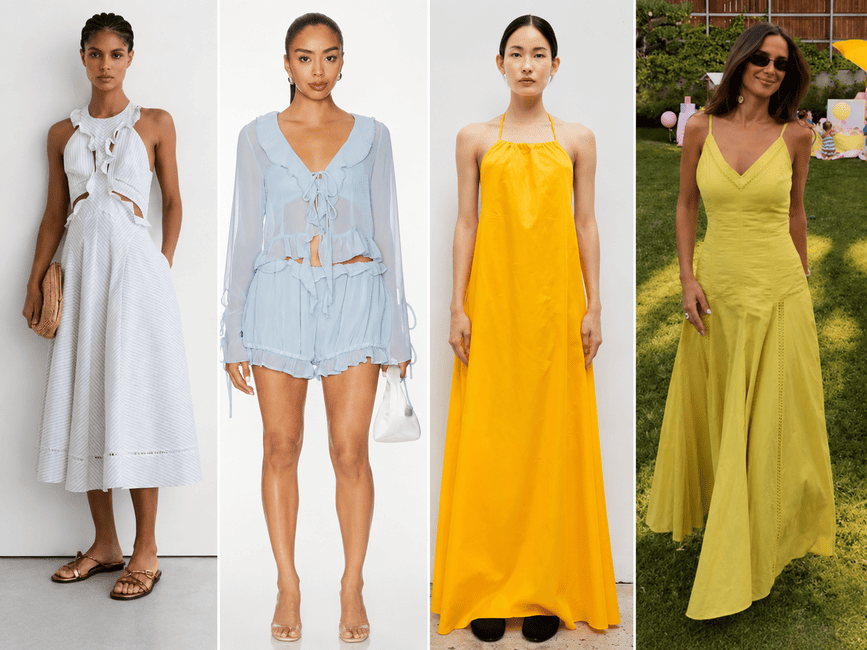
French fashion relies heavily on a strict diet of navy, black, and crisp white. Spanish style completely rejects this neutral baseline. High-saturated color acts as a physical, commanding presence on the street. Women in Barcelona confidently wear full monochromatic outfits in cherry red, bright tangerine, or deep cobalt blue. They treat these intense shades exactly like basic neutrals, wearing them to the office and weekend dinners alike.
The strategy works perfectly under harsh, direct sunlight. A bright, saturated color absorbs less visible light than dark black, keeping the fabric cooler against the skin. These bold pigments reflect the intensity of the Mediterranean sun. A bright red linen dress demands attention and projects total confidence. Flattening the color palette into a single, bright column of color simplifies the morning routine. You pick one dominant shade and build the entire physical structure of the outfit around it, eliminating the need to match complex patterns.

Architectural Linen And Volume Control
Linen represents a basic survival tool across all of Southern Europe. The Spanish execution of this fabric differs drastically from the shapeless, wrinkled beach covers seen in other coastal towns. Dressmakers in Madrid treat heavy linen exactly like structured winter wool. They construct sharp double-breasted blazers and wide-leg trousers holding a rigid, permanent crease. The fabric stands away from the skin naturally, creating an internal cooling chamber for the human body.
This strict structure prevents the wearer from looking sloppy after hours of sitting at a cafe in intense heat. The key lies entirely in the weight of the fabric. Heavyweight linen refuses to cling to sweating skin. It maintains a sharp architectural shape. To build a similar foundation, reviewing core summer wardrobe staples helps establish this structural, heavy-fabric baseline. Controlling the volume of the garment guarantees the outfit looks intentional rather than accidental.
The Dominance Of The Espadrille Wedge
Footwear dictates the physical reality of a day spent in a historic European city. Cobblestone streets destroy thin heels instantly. The Spanish solved this exact problem centuries ago with the espadrille wedge. Brands like Castañer perfected this design, blending a sturdy jute sole with soft canvas and long ankle ribbons. The wedge provides significant height and posture correction, simultaneously offering the stability of a flat shoe.
Women pair them with formal silk evening dresses and raw denim jeans alike. The natural texture of the woven jute breaks up the smooth lines of high-end fabrics, providing a grounded, highly practical aesthetic. The canvas allows the foot to breathe, and the ribbons secure the shoe tightly to the ankle for long walks across uneven pavement. This single item completely replaces the need for uncomfortable stilettos or casual rubber sandals during the hottest months.
| Style Element | The French Approach | The Spanish Approach |
| Color Palette | Navy, beige, black, and white | Cobalt blue, cherry red, bright tangerine |
| Fabric Structure | Soft, draping cottons and light silks | Rigid, heavyweight linen and stiff poplin |
| Footwear | Flat leather ballet shoes | High jute espadrille wedges |
| Jewelry | Thin, delicate gold chains | Massive, sculptural metal cuffs |
Heavy Sculptural Hardware As A Boundary
High temperatures force you to wear very little clothing. Accessories carry the entire visual load when the fabric remains minimal. Spanish women demonstrate immense skill at utilizing massive, architectural jewelry to finish an outfit. Heavy gold cuffs, oversized sculptural hoop earrings, and thick collar necklaces dominate the local look. The thick metal acts as a hard boundary against soft, flowing summer fabrics.
This heavy hardware provides immediate polish to a simple cotton slip dress. The contrast between a massive gold cuff and a bare arm creates intense visual friction. The metal catches the intense sunlight, adding a layer of rich texture to an otherwise plain outfit. Tracking current fine jewelry market trends reveals this shift toward heavy, statement-making gold pieces dominating the global market, a style the Spanish perfected decades ago.
The Complete Reinvention Of The Two-Piece Set
Heat fatigue destroys morning outfit planning. The coordinated two-piece set completely eliminates the daily stress of matching separates. Spanish designers push this concept far beyond the basic crop top and mini skirt. They produce matching silk wide-leg trousers paired with heavy structured vests, or printed cotton poplin shirts paired with identical boxer-style shorts.
The matching print or solid color creates an unbroken vertical line, stretching the physical frame and making the wearer look taller. This uniform approach requires zero mental energy at seven in the morning. It projects a highly coordinated, incredibly intentional image. A matching set in a breathable fabric acts as a cheat code for high-level dressing in brutal humidity. You step into the outfit and look completely finished in exactly three seconds.
Exact Asymmetrical Cuts And Skin Exposure
Dealing with severe heat requires strategic ventilation. Rather than relying on basic tank tops, the Spanish approach to skin exposure involves strict, mathematical asymmetry. A long-sleeve maxi dress might feature a single, sharp cutout exactly at the ribcage. A heavily structured top might completely expose one shoulder, keeping the other covered entirely down to the wrist bone.
This calculated exposure feels incredibly sophisticated. It allows the body to breathe and release heat, maintaining an aura of high formality at the exact same time. The asymmetry tricks the eye, drawing attention to specific geometric angles rather than just putting the body on display. A one-shoulder linen dress offers severe architectural lines. It proves that managing the summer heat does not require giving up high-level design.
The Spanish summer wardrobe succeeds completely on its refusal to compromise. The women wearing these clothes demand heavy structure, bright colors, and total physical comfort in the face of brutal weather. Adopting these exact six trends completely changes the way you dress for the heat, offering a sharper, far more powerful alternative to the tired French girl cliché.