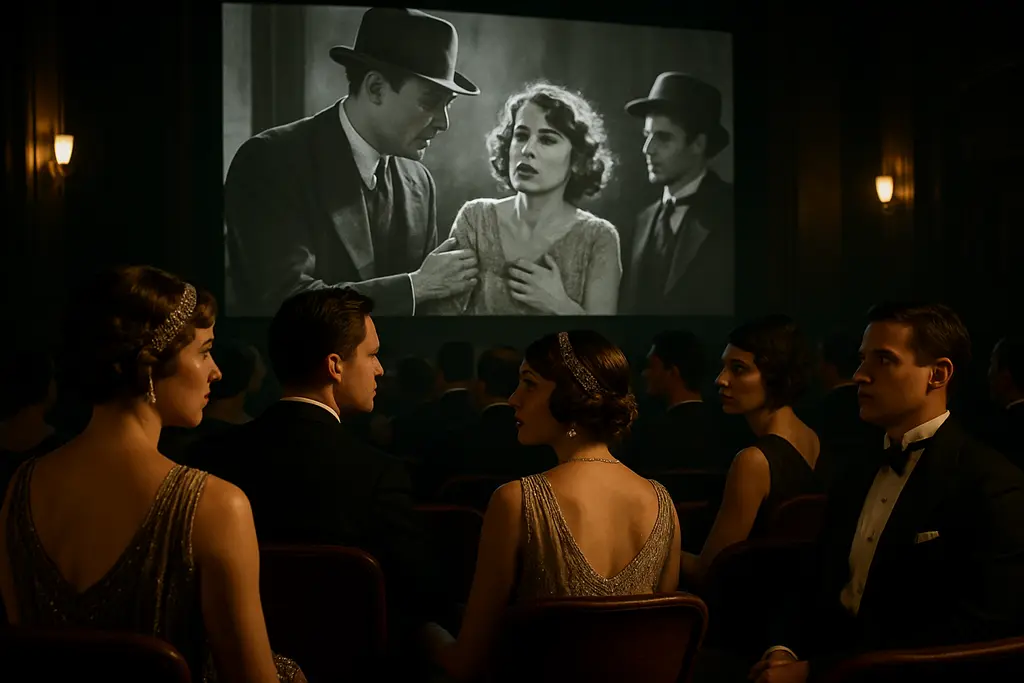
Silent film fashion sits at a charged point between clothing, performance, cinema technology, and art history. As of August 25, 2026, Goddesses in the Machine: Fashion in American Silent Film was scheduled to open on September 18, 2026, and run through January 3, 2027, at Bard Graduate Center in New York City. The Bard Graduate Center described it as the first major exhibition dedicated to fashion in American silent film, tracing costume design through rare surviving objects from roughly 1895 to the late 1920s; the same release notes that only an estimated 20 percent of silent films have been preserved, making film-worn garments even more uncommon Bard Graduate Center release. That scarcity gives the show a serious evidentiary burden: it cannot treat costume as decoration alone. It has to ask what clothing can prove, suggest, or leave unresolved.
Why Silent Film Fashion Belongs In Art History
Silent Film Fashion As Visual Evidence
The exhibition’s premise is useful because it resists a narrow split between “fashion” and “costume.” In silent cinema, garments carried narrative information without spoken dialogue. A sleeve, veil, beaded surface, or tightly controlled silhouette could frame a character’s status, mood, and movement. That does not mean every costume functioned as high art, nor does it mean each garment can be interpreted with total certainty. It does mean that surviving clothing deserves the same close visual reading that art historians often give to painting, photography, and stage design.
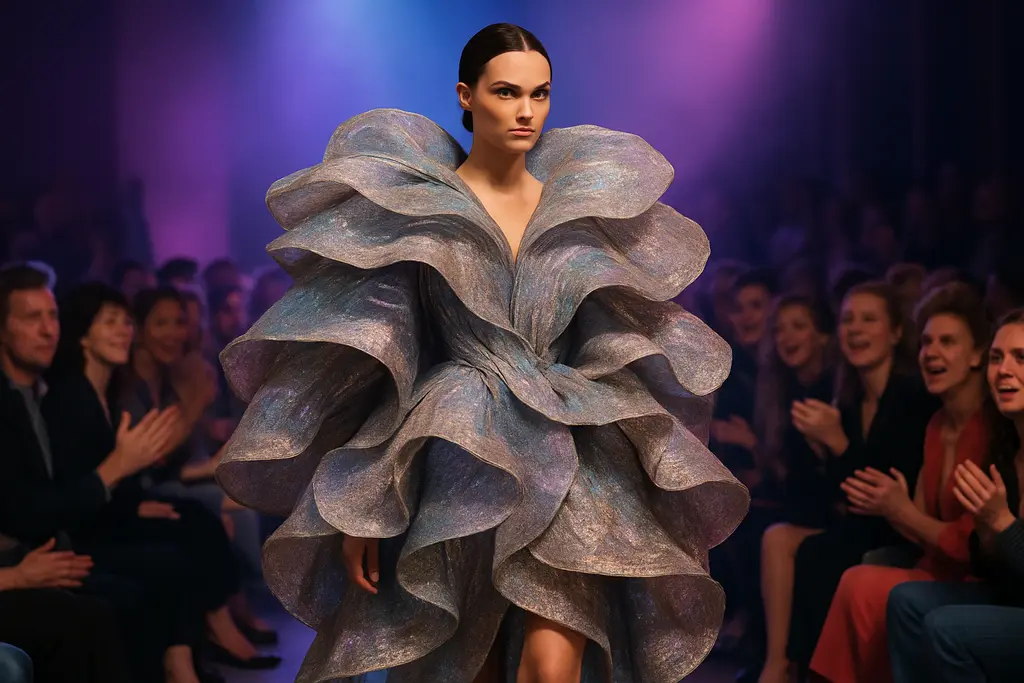
For dress-up makers, silent film fashion offers a disciplined lesson: clothing communicates before a character speaks. The useful takeaway is not to copy a surviving garment or a screen persona. The more respectful approach is to study proportion, texture, and contrast, then build original designs that acknowledge the period’s visual logic. A fairytale costume, for instance, can borrow the idea of a dramatic train or a high-contrast ornament placement without pretending to reproduce a specific film costume.
From Personal Wardrobes To Designers
One of the exhibition’s strongest historical points is the shift from actors wearing their own clothes toward the rise of professional costume designers as American silent film moved into the studio system. That shift matters because it marks a change in authorship. Clothing on screen became less accidental and more planned, even if the surviving record remains incomplete. The exhibition’s focus on the first three decades of the 20th century places that change inside a period when cinema itself was still developing its visual rules.
This is where the show’s fashion-and-art argument becomes most persuasive. Costume design did not sit outside the artwork; it helped construct the image. The camera, the actor’s body, fabric behavior, and ornament all worked together. For readers who study the overlap between commerce, display, and fashion art, our earlier analysis of retail as art offers a useful parallel: presentation can change how clothing is read, but the object still needs careful context.
Objects, Images, And The Evidence Problem
Survival Rates Shape Interpretation
The preservation figure attached to silent film is not a minor detail. If only an estimated 20 percent of silent films survive, then any exhibition on clothing from that period has to work with gaps. Missing films, lost costumes, and partial paper trails limit what can be said. A cautious reading should treat each surviving object as valuable, not as a complete archive. The danger is overconfidence: one dress cannot stand for an entire industry, and one still photograph cannot explain every production choice.
That limitation may make the exhibition stronger, not weaker. By placing newly conserved garments beside related film imagery and materials, the show appears designed to let viewers compare evidence types rather than accept a single visual claim. The object may reveal weight, construction, and surface. The film still may reveal how the garment behaved under camera conditions. The sketch or poster may show promotional intent rather than practical construction. Each source answers a different question.
Garments Beside Paper Ephemera
The San Francisco Film Preserve’s event description notes that the exhibition includes original ensembles and accessories from the first three decades of the 20th century, along with film stills, design sketches, posters, and photographs. It also identifies Michelle Tolini Finamore as curator and notes that the exhibition catalogue will accompany the show with scholarly essays and documentation tied to new research San Francisco Film Preserve program. Those details point toward an exhibition model built around comparison rather than spectacle alone.
That matters for costume culture because dress-up communities often encounter historical fashion through flattened images: a poster, a screenshot, a publicity photograph, or a cropped still. Seeing, or reading about, physical garments beside printed and photographic materials can temper assumptions. A fabric that looks pale in a still might have had different visual force in person. Ornament that seems heavy in a poster might have been exaggerated for promotion. Silent film fashion asks viewers to hold those differences in mind.
How Silent Film Fashion Meets Dress-Up Practice
Silent Film Fashion Without Direct Imitation
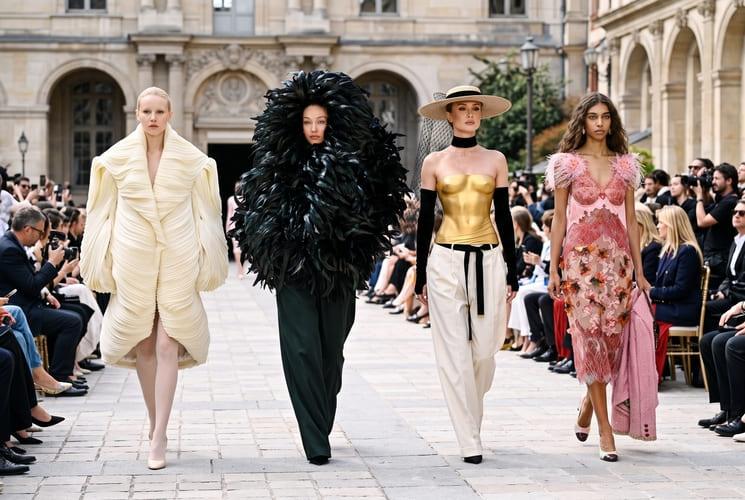
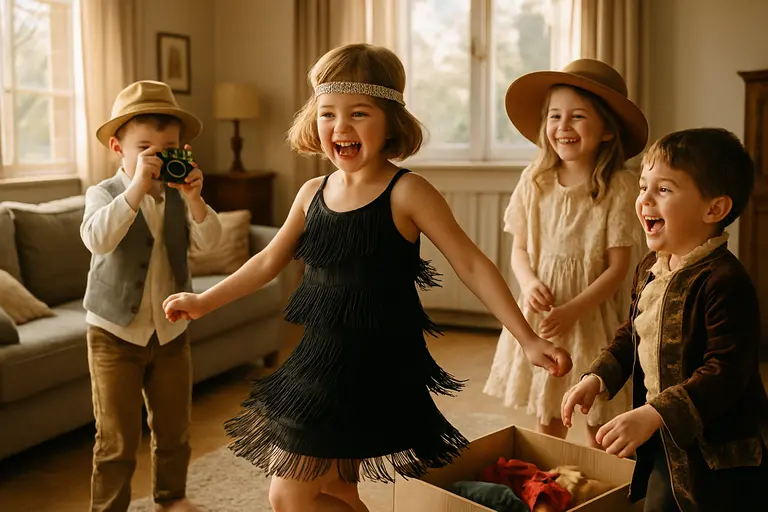
The exhibition can inspire DIY dress-up, cosplay-adjacent styling, and fairytale costume design, but only if makers treat the source material with care. Original film garments and the artists who shaped early cinema should not be reduced to mood-board fragments. A respectful maker can study broad design principles: strong outlines, theatrical headwear, controlled drape, and contrast between matte and reflective surfaces. Those principles can support original work without claiming a direct recreation.
This distinction also helps with rights and likeness concerns. A costume inspired by early cinema’s use of silhouette is different from selling a design that trades on a specific performer, film title, or protected character identity. Creators should treat those questions cautiously and seek qualified guidance where needed. The safer artistic habit is to build from general historical research, credited references, and original character concepts.
Material Cues For Fairytale Costumes
Fairytale dressing often depends on instant readability: royalty, enchantment, danger, innocence, exile, or power. Silent-era costume design offers practical lessons because it had to convey meaning visually. A dark cloak against a pale underlayer can signal threat or concealment. A reflective trim near the face can pull attention toward expression. A tall headpiece can extend the body into a more symbolic shape. None of these choices require copying a known film costume.
For handmade costumes, the key is restraint. One strong reference usually reads better than a pile of period cues. A dress-up design might use a long vertical line, a soft cape, and a single ornamental clasp. Another might rely on a dropped shoulder shape and a narrow crown. Readers who follow related arts and public culture coverage will find additional insights on the Kay Granger network site, which explores similar principles in other creative fields: context changes how an object is understood.
Goddesses In The Machine And Costume Memory
A Cautious Reading Of Influence
Goddesses in the Machine is likely to be most valuable when approached as an evidence-based exhibition rather than a nostalgia display. The known facts already suggest a layered argument: early cinema shaped costume practice, costume shaped screen meaning, and surviving garments can complicate what still photographs appear to show. The exhibition’s scheduled dates, rare objects, and catalogue all point to a research project with public-facing appeal.
For fashion trend analysis, the strongest claim is not that silent film fashion is returning in any measurable commercial sense. The supported claim is narrower and more useful: this exhibition gives designers, makers, scholars, and dress-up enthusiasts a documented setting for studying how garments operated as cinematic art. That is enough. It keeps the original works intact, respects the limits of preservation, and gives contemporary costume makers a responsible way to learn from early screen style without treating it as free material to copy.