
Fantasy fashion in 2026 is giving makers more room to invent rather than imitate. Corseted silhouettes, medieval hoods, romantic draping, metallic details, folklore references, and theatrical accessories are appearing across fashion without requiring a direct connection to a movie, game, or famous fictional character. For cosplay makers, independent designers, and handmade sellers, that shift creates an opportunity: build a recognizable fictional world through materials and styling instead of depending on someone else’s intellectual property.
The result can still feel unmistakably fantastical. A handmade cloak, sculptural belt, metallic collar, ribbon necklace, embroidered pouch, or dramatic sleeve can suggest a court, guild, forest kingdom, or wandering adventurer without reproducing an established costume.
Fantasy Fashion Is Becoming More Character-Driven
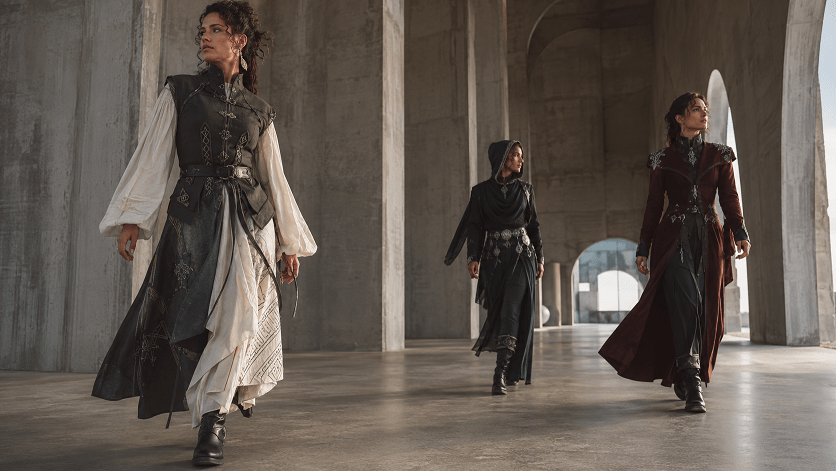
One of the more useful ideas in Spring 2026 fashion is character construction. ELLE’s examination of video-game escapism in 2026 fashion highlighted designers working with corsets, hoods, layered clothing, and medieval references to create people who feel as though they belong to another setting.
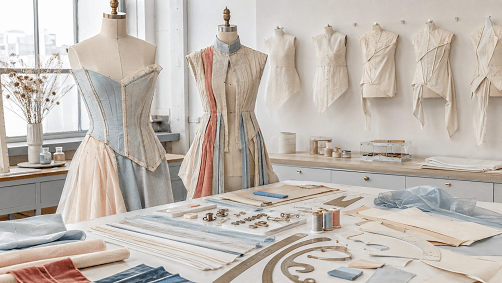
That approach translates naturally to fantasy wardrobes.
Instead of asking, “Which character am I copying?” a maker can ask what kind of person would wear the clothes. A traveling herbalist might suggest washed linen, worn leather, botanical embroidery, small fabric pouches, and muted greens. An invented court astronomer could use midnight velvet, silver hardware, translucent layers, celestial stitching, and structured shoulders.
Neither idea requires a recognizable franchise.
This style of character-building can produce stronger outfits because every component has a reason to exist. Fabric weight, color, fastening methods, jewelry, aging, embroidery, and silhouette become parts of the same visual story.
It works for people who enjoy cosplay-level creativity but want clothing that can move between photo shoots, conventions, festivals, themed gatherings, and ordinary wardrobes.
Corsetry Gives Fantasy Style A Modern Anchor
Corsetry is especially useful because it currently sits between historical reference and contemporary fashion.
ELLE called 2026 the year of the corset dress in its August coverage of the silhouette, describing a shift toward streamlined construction and pronounced fit-and-flare proportions. Its earlier 2026 corset trend report documented corset-inspired tops appearing prominently in modern styling.
For fantasy-fashion makers, this means a bodice no longer needs to signal historical reenactment or full costume.
A structured vest over a loose blouse can create a courtly impression. A soft corset-inspired top paired with a long skirt can suggest romantic fantasy. Decorative lacing can become an accent rather than the defining feature of an outfit.
Comfort and construction still matter. A fashion corset intended as an outer garment has different demands from tightly structured historical foundation garments. Makers can work with flexible boning, adjustable closures, wider straps, softer fabrics, and layering strategies that preserve the silhouette without treating discomfort as part of the aesthetic.
The fantasy effect comes from proportion and texture, not suffering for the costume.
Couture Shows How Far Fairy-Tale References Can Stretch
Fantasy fashion does not need to mean pale dresses and delicate flowers.
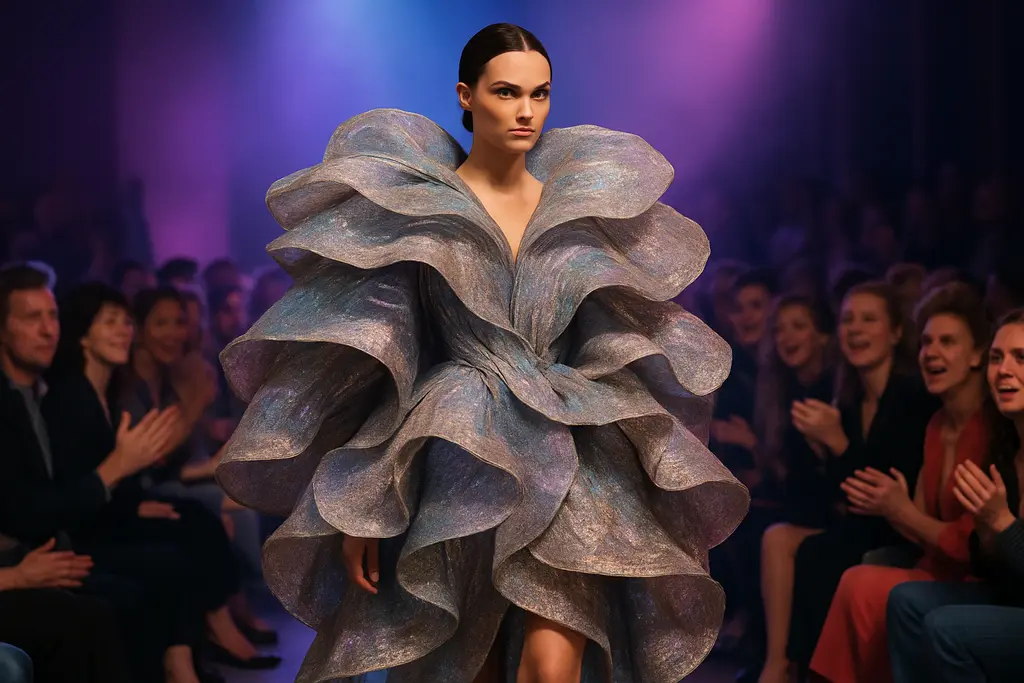
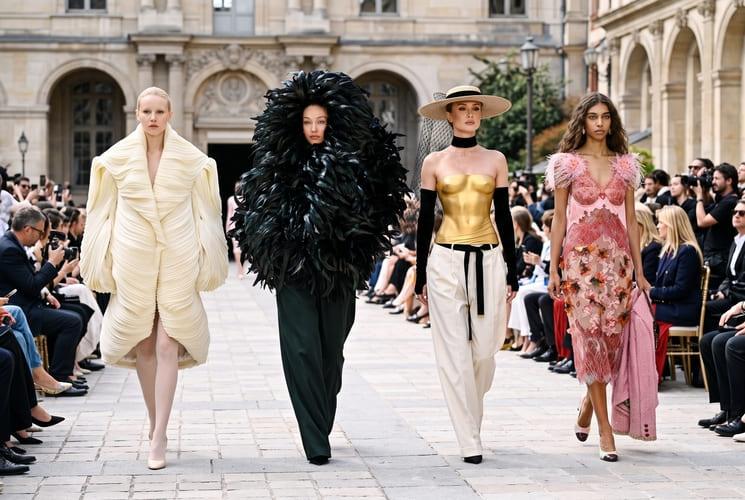
Vogue’s Fall 2026 couture trend report found folklore, fairy tales, dramatic body shapes, warrior-like references, animal forms, and experimental corsetry across the couture season. That variety shows how broad fantasy language can become.
For independent creators, the useful lesson is range.
One fictional wardrobe might use ivory organza, pearl details, soft pleating, and faded gold. Another might rely on oxidized silver, charcoal linen, dark red velvet, rough stitching, and armor-inspired hardware. Both can belong to fantasy fashion without sharing the same visual identity.
Accessories make experimentation easier. Detachable collars, cuffs, belts, shoulder pieces, jewelry, head coverings, small bags, embroidered panels, and decorative chains allow a wearer to shift the personality of basic clothing.
That modular approach can help handmade sellers too. Smaller pieces may let buyers participate in an aesthetic without committing to an elaborate custom garment.
Trust Matters More When Fashion Is Sold As Handmade
Original world-building has another advantage: it gives sellers something they can genuinely own as part of their creative identity.
Online audiences increasingly look for signs that a creator, seller, platform, or service is what it claims to be. That trust-checking behavior exists across unrelated internet categories, including consumer searches framed as questions such as Is Everygame a trustworthy sportsbook?. Fantasy fashion operates in a completely different market, but buyers still ask their own version of the same question: Who actually designed this, who made it, and does the listing accurately describe what is being sold?
Etsy’s 2026 seller policy states that products offered on the marketplace must fit its made, designed, handpicked, or sourced categories, with sellers expected to accurately represent how an item was produced.
For a fantasy-fashion business, transparent authorship can become part of the product.
Showing sketches, fabric selection, pattern development, embroidery, fitting, construction, or final photography gives buyers evidence of the creative process. It can separate a genuine maker from a shop presenting mass-produced accessories as handmade work.
Original Fantasy Design Reduces Dependence On Franchise IP
Fantasy aesthetics and fan culture frequently overlap, which makes intellectual-property awareness especially relevant.
A popular television series or game may cause sudden demand for a particular silhouette, color combination, creature motif, or medieval aesthetic. That popularity does not automatically give sellers permission to reproduce names, logos, character artwork, or protected costume elements.
Etsy’s intellectual property policy explains its process for handling infringement allegations on the marketplace. Its seller guidance on fan art makes the broader point that different rights holders can take different positions toward unauthorized fan-made products.
Original world-building offers another path.
A seller can study why audiences respond to enchanted forests, gothic courts, celestial magic, wandering knights, potion shops, mythical creatures, or romantic medieval imagery, then create an independent design vocabulary around those themes.
The creative challenge becomes more interesting: develop your own symbols, materials, fictional occupations, color systems, embroidery motifs, and accessory shapes.
Why Original Fantasy Wardrobes Have More Room To Grow
The strongest fantasy-fashion direction in 2026 may be the one that stops treating a complete costume as the only goal.
Runway fashion is already demonstrating that corsetry, folklore, medieval references, strange silhouettes, and fairy-tale ideas can exist inside contemporary clothing. Handmade creators can take the concept further by building small fictional worlds through fabric and construction.
That gives wearers something more personal than a replica.
A garment can suggest a forgotten kingdom without naming it. Jewelry can belong to an imaginary guild that exists only in the maker’s sketchbook. A cloak can feel cinematic without resembling a famous character. An embroidered bag can carry its own invented mythology.
Fantasy fashion becomes more flexible once creators stop asking which existing universe an outfit belongs to.
They can create the universe themselves.