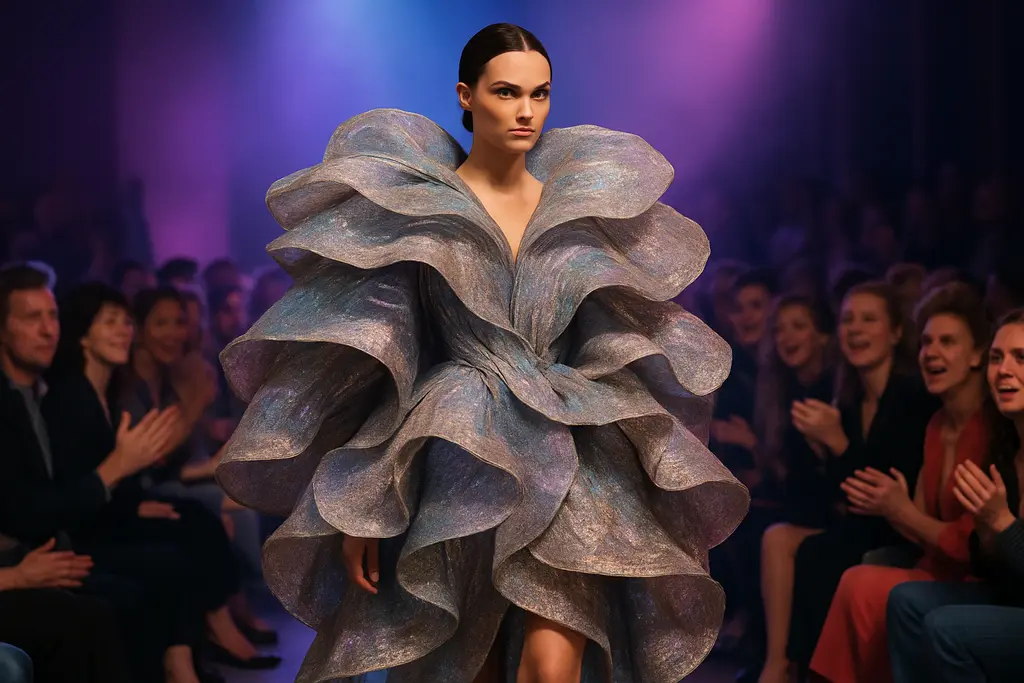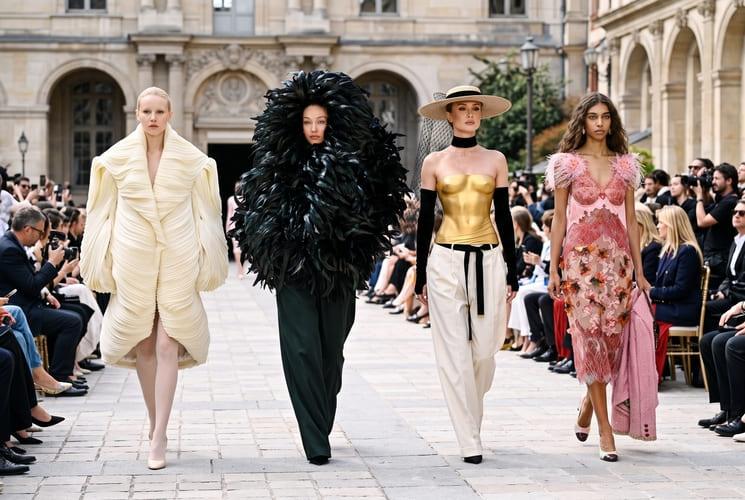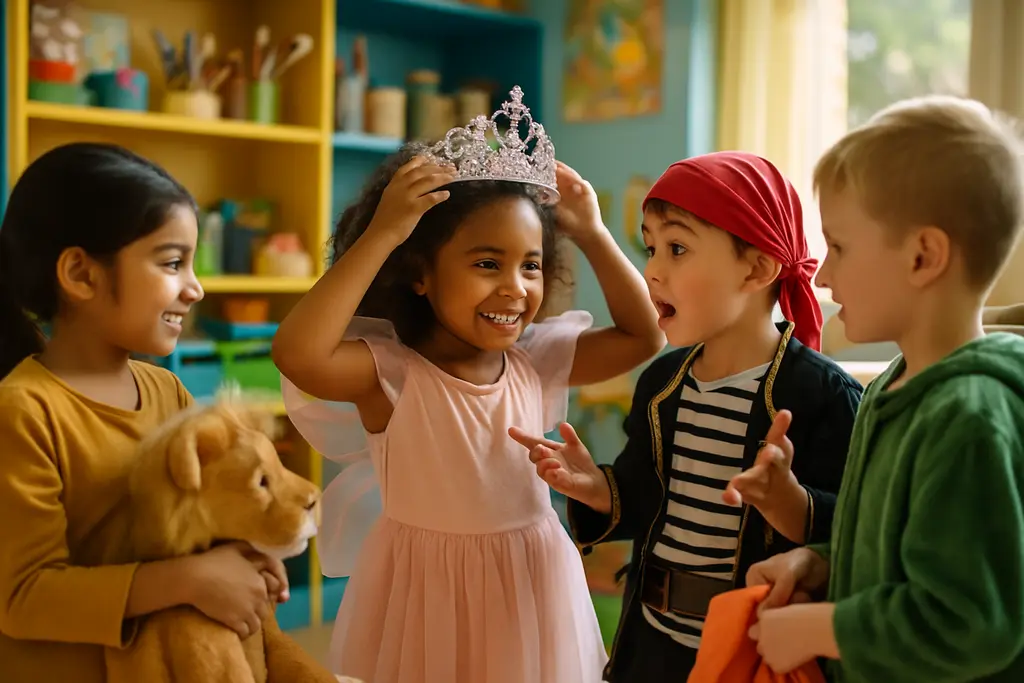


Fantasy fashion is having a particularly wearable moment in 2026. The current princess and medieval revival is less about recreating a storybook costume from head to toe and more about borrowing recognizable elements: lace, velvet, elongated sleeves, cape shapes, fitted bodices, metallic mesh, ribbons, romantic jewelry, and historically influenced silhouettes. Fashion coverage this year has tracked those ideas from runway collections into everyday styling, giving fantasy-fashion fans more ways to create expressive outfits without dressing as a specific fictional character.
Fantasy Fashion Is Moving Beyond Costume
The clearest change is the distance between inspiration and imitation. A fantasy-inspired outfit does not need a crown, floor-length gown, or recognizable character reference to communicate its theme.
Who What Wear’s coverage of the 2026 princess fashion trend pointed to tiaras, capes, corsetry, lace, velvet, and other romantic details appearing within a broader return to fantastical dressing. Vogue’s Spring 2026 reporting found fantasy and decorative flourishes appearing across Copenhagen collections too.
For everyday wear, that creates more room for interpretation. A lace blouse under a structured vest can suggest court dress without reproducing it. A long skirt paired with boots can create a medieval mood without looking theatrical. Silver accessories, ribbon closures, sheer layers, and softly sculpted shoulders can do similar work.
That distinction matters for cosplay makers as well. Clothing can carry fantasy language without automatically becoming a costume.
Medieval-Core Works Through Materials And Silhouette
The strongest fantasy outfits usually rely on a few deliberate visual signals rather than piling every medieval reference into the same look.
W Magazine identified medieval-core fashion as a visible Spring 2026 runway direction, with designers experimenting with chainmail-like materials, armor-shaped construction, hoods, and protective silhouettes.
For makers, the useful lesson is not to reproduce runway garments. It is to study what makes the visual language readable.
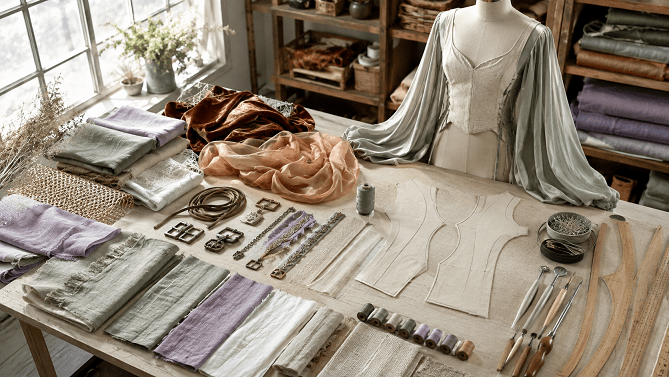
Metallic mesh can suggest armor. Linen and washed cotton create a softer village or folk impression. Velvet produces courtly weight. Sheer fabric introduces the ethereal side of fairy-tale dressing. Wide sleeves change the silhouette immediately, and a fitted waist can give ordinary separates a historical suggestion.
Color matters just as much. Moss, wine, cream, charcoal, faded blue, antique gold, silver, and earthy brown can create fantasy associations before accessories enter the outfit.
Tournament Imagery Connects Old Fantasy With New Entertainment
Medieval fashion has always carried ideas of tournaments, banners, rivals, ceremonial dress, and public spectacle. Those ideas remain familiar partly because modern entertainment keeps reusing competitive visual language.
Sports culture is one modern example. Its commercial ecosystem now extends far beyond stadium apparel into statistics sites, streaming, fan communities, collectibles, and betting coverage such as a BetOnline sportsbook review. That industry is separate from fantasy fashion, yet the comparison shows why crests, opposing colors, tournament brackets, metallic detailing, and ceremonial entrances remain instantly legible symbols of competition.
Fantasy-fashion creators can borrow the broader concept without reproducing sports branding or gambling imagery.
Think embroidered shields based on original geometric shapes, contrasting house colors invented by the maker, ribbon badges, decorative shoulder pieces, or handmade cloaks designed around a fictional tournament that belongs entirely to the creator.
That approach turns historical inspiration into original world-building.
Handmade Sellers Need An IP Filter
The growing popularity of fantasy aesthetics creates an opportunity for independent makers, but demand does not erase intellectual-property boundaries.
A seller can work with general ideas such as enchanted forests, medieval courts, celestial embroidery, fairies, knights, potion-inspired colors, romantic capes, or gothic castles. Problems become more likely when products copy protected characters, logos, artwork, names, costume designs, or branding associated with a specific entertainment property.
Etsy’s discussion of fan art and fair use makes a useful distinction: fair use is not a blanket permission to reproduce someone else’s work, and rights holders can take different approaches to fan-created merchandise.
For a handmade business, original design language is usually more valuable anyway. A seller who develops recognizable fabrics, embroidery motifs, closures, color combinations, jewelry shapes, and packaging can build an aesthetic that customers associate with the shop rather than with another company’s franchise.
Why The 2026 Fantasy Revival Has Room To Last
The current medieval-princess revival has more flexibility than a narrow costume trend. Vogue’s Spring 2026 trend report documented designers mixing fantasy, frills, lace, bows, and unconventional styling with clothes intended for contemporary wardrobes.
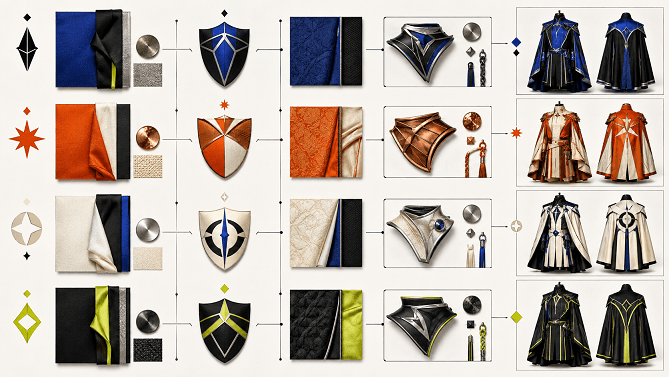
That mix gives fantasy-fashion fans several entry points.
Someone may start with a ribbon necklace and lace blouse. Another wearer may build an elaborate handmade cloak. A cosplayer may translate the same material ideas into an original character, and a seller may turn them into detachable collars, fabric accessories, jewelry, belts, or embroidered bags.
The strongest direction for 2026 is not literal princess dressing. It is clothing that makes ordinary life feel slightly more theatrical through texture, proportion, craftsmanship, and storytelling.
That gives fantasy fashion space to grow without relying on copied characters or one viral aesthetic. It becomes a creative language makers and wearers can keep rewriting.