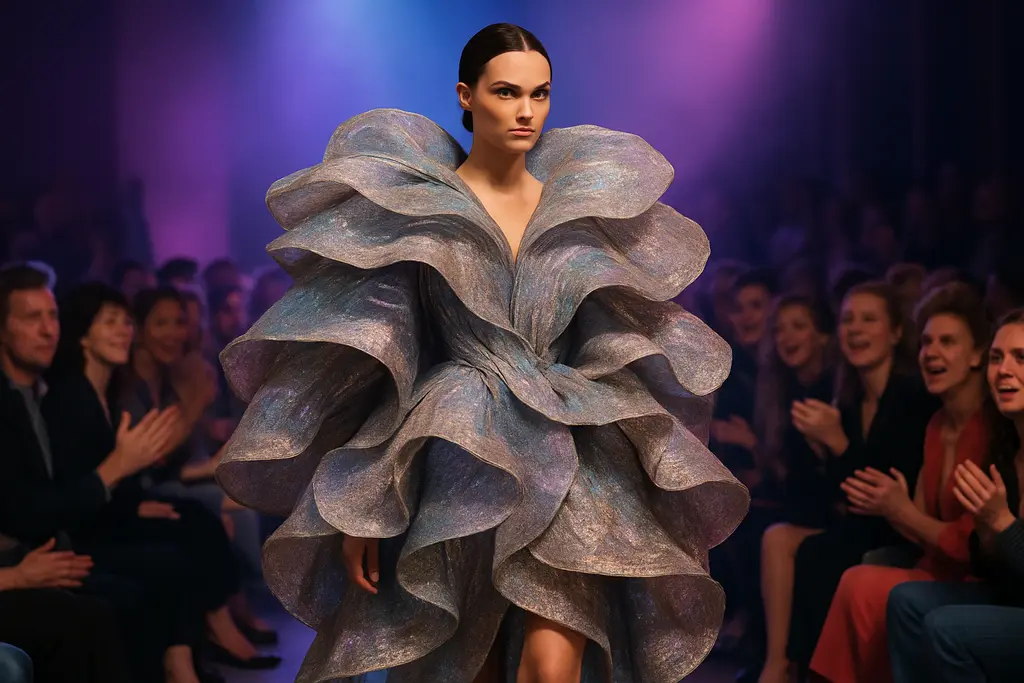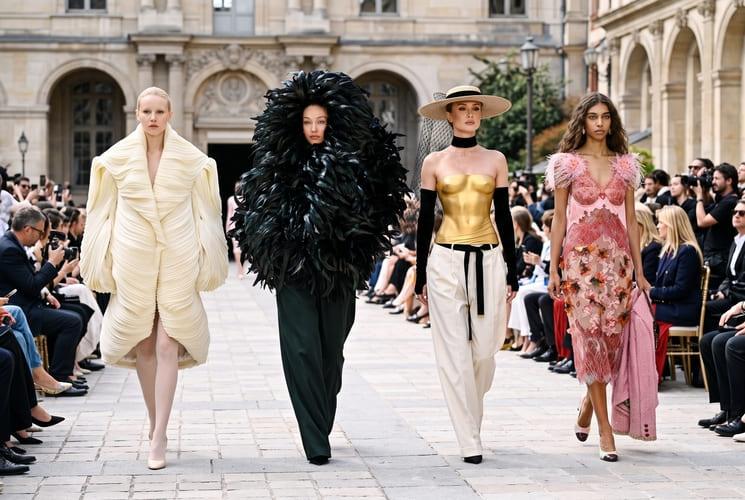

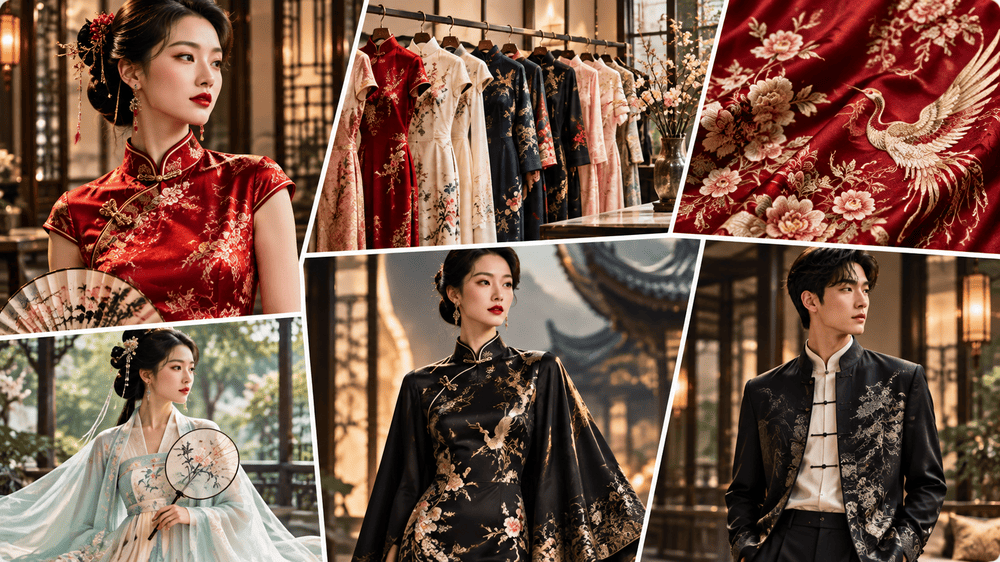
Luxe Orienta represents a distinct shift in contemporary clothing design. This aesthetic merges historical Asian garment architecture with the demanding physical requirements of a modern wardrobe. Shoppers no longer accept stiff, restrictive historical reproductions for daily wear. They demand fluid fabrics, precise geometric cuts, and complete physical mobility. The Luxe Orienta philosophy strips away the costume elements of heritage clothing. It focuses entirely on structural integrity and premium raw materials. The resulting garments project a highly calculated, formal authority mixed with relaxed luxury.
The Structural Shift In Heritage Garments
Historical garments relied on massive fabric volume and flat-pattern cutting. Ancient robes lacked shoulder seams. The fabric draped naturally over the human frame, hiding the exact biological shape of the wearer. This specific architecture forced a slow, deliberate walking pace. The modern luxury consumer requires speed and utility. Designers working within the Luxe Orienta framework manipulate these ancient blueprints. They apply Western darting techniques to traditional Eastern silhouettes. A heavy silk jacket now features defined armholes and a constructed shoulder pad. The garment holds its own shape independently of the wearer’s body. This physical framework provides a sharp, commanding presence in any corporate or formal setting.
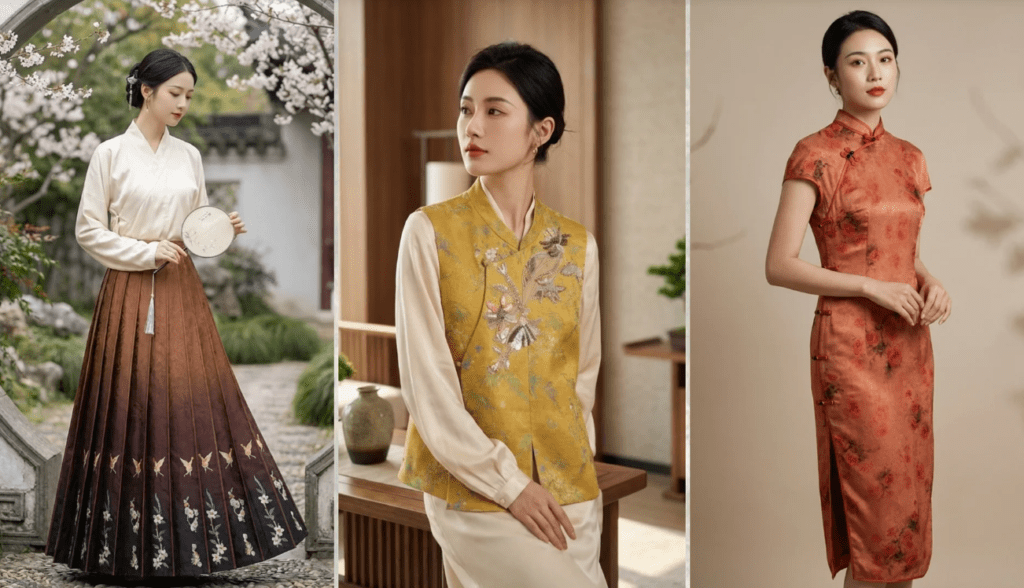
The Hanfu silhouette provides a brilliant example of this transition. Ancient Hanfu designs utilized massive, floor-sweeping sleeves. These sleeves communicated social status, proving the wearer performed no manual labor. Today, designers crop these sleeves sharply at the wrist bone. They maintain the cross-collar geometry but eliminate the hazardous, dragging fabric. This precise alteration transforms a ceremonial robe into a highly functional coat suitable for urban transit. The lapel still wraps right over left, respecting the historical mandate, but the hemline stops exactly at the mid-calf. This length allows the wearer to move rapidly through city streets without damaging the textile.
Textile Engineering And Fabric Selection
The raw materials dictate the absolute success of any heritage-inspired outfit. Imperial courts utilized heavy, stiff brocades woven with metallic threads. These textiles trapped heat and offered zero physical stretch. Contemporary design houses abandon these heavy textiles for daytime collections. They source high-twist silk crepe and liquid silk charmeuse. These modern fibers breathe easily in humid urban environments. They drop heavily over the body, conforming to natural curves without restricting motion.
Reviewing high-level Asian fashion market analysis confirms a massive consumer pivot away from synthetic fast-fashion fabrics toward premium, breathable natural fibers. The texture of the fabric acts as the primary visual draw, replacing the need for loud, chaotic prints. The physical weight of heavy silk pulls the garment straight down to the floor. This gravitational pull eliminates awkward bunching at the waistline and provides a clean, continuous vertical line.
Color Theory In Eastern Aesthetics
The application of color in Luxe Orienta designs follows strict historical precedents updated for modern lighting. Ancient Chinese garments utilized color to signify political rank. Bright yellow remained exclusive to the emperor. Deep purple and crimson red indicated high-ranking officials. Modern collections repurpose these dominant pigments for high-impact evening wear. A monochrome crimson silk suit projects massive confidence and formal authority.
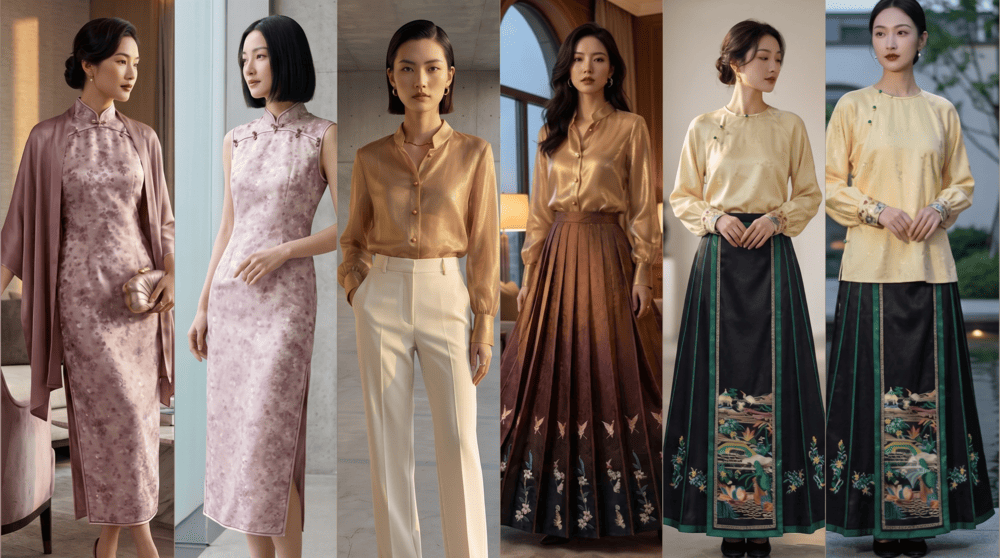
The current approach avoids chaotic, multi-colored prints. It relies on solid, highly saturated blocks of color. Deep oxblood, heavy emerald green, and rich navy act as the primary dark neutrals. These shades absorb artificial light perfectly in formal settings. For daytime applications, designers utilize muted earth tones. Pale jade, washed terracotta, and icy silver reflect natural sunlight, highlighting the subtle sheen of the premium silk. Matching the pigment exactly to the fabric weight guarantees the outfit photographs flawlessly.
Geometric Precision In Modern Qipao Design
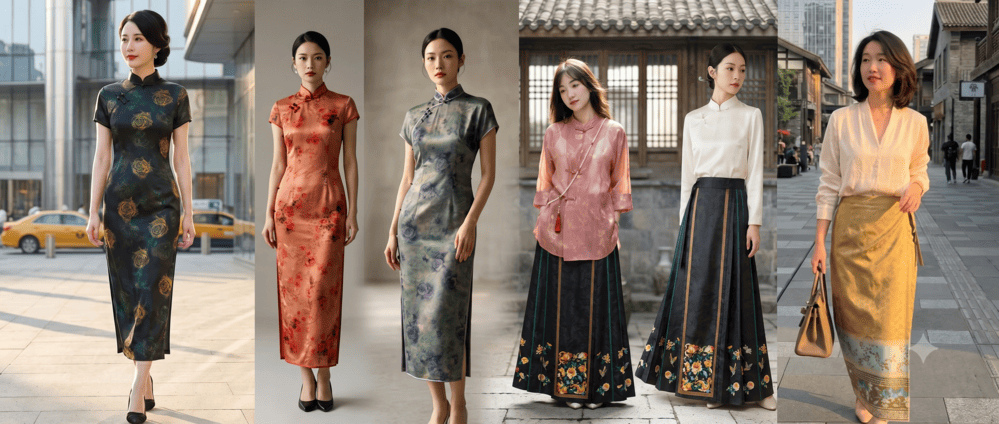
The Qipao serves as the foundational garment for this entire aesthetic movement. Originating in 1920s Shanghai, the original dress presented a masterclass in visual tension. The stiff mandarin collar framed the jawline tightly, demanding an upright, disciplined posture. The modern Luxe Orienta approach respects this severe geometry but updates the lower half of the dress. Designers now cut the silk on the bias. This mathematical cutting technique forces the non-stretch fabric to expand and contract with the wearer’s natural movements.
| Design Element | Traditional Execution | Luxe Orienta Modification |
| Collar | Stiff, rigid buckram lining | Softened silk interface |
| Fastenings | Functional knotted frog buttons | Hidden side zippers |
| Skirt Cut | Straight vertical lines | Bias cut for natural stretch |
| Fabric | Heavy metallic brocade | Lightweight matte silk crepe |
The exact placement of the side seams dictates the comfort of the wearer. Traditional patterns placed seams directly on the sides of the torso. Modern engineering moves these seams slightly forward, creating a slimming optical illusion that flatters the human frame. The cap sleeve of a modern Qipao cuts perfectly across the bicep, leaving the lower arm entirely exposed for mobility. The tension between the covered neck and the exposed arms creates a highly calculated visual balance. The side slits remain a mandatory structural feature. They allow for full leg extension during walking. The height of the slit directly dictates the visual impact of the dress. The combination of a highly restrictive collar and a completely open lower hem creates intense architectural friction. This makes the modern Qipao an incredibly powerful choice for formal evening events.
Integrating Eastern Aesthetics Into Global Wardrobes
Wearing a complete matching traditional outfit in a western city often looks out of place. The most successful dressers isolate a single heritage piece and ground it with sharp, contemporary basics. Pairing a heavily embroidered silk Tangzhuang jacket with rigid, dark indigo denim creates a perfect textural dichotomy. The heavy denim provides a modern, industrial anchor for the ornate silk above it. This specific mixing strategy forms the core of many successful modern styling formulas used by top industry stylists.
Layering serves as the primary technique for building a successful outfit. A heavy winter coat thrown over a delicate silk Qipao creates immediate structural contrast. The rigid, thick wool of the outerwear protects the fragile silk beneath it. The moment you remove the coat, the soft geometry of the dress commands the room.
A short silk top featuring traditional knotted closures functions beautifully as an evening blouse. You pair it with wide-leg wool trousers and a sharp leather block heel. The hard leather and heavy wool provide a necessary rigid boundary against the soft silk. The visual clutter of stacking traditional jade jewelry on top of an already complex garment destroys the clean lines of the outfit. The current standard demands extreme restraint in accessorizing. You select one heavy, architectural metal piece and leave the rest of the body completely unadorned.
The footwear must possess enough physical mass to anchor the look. Delicate, thin-strapped sandals often look entirely absurd beneath heavy silk brocade. A solid leather boot or an anatomical kitten heel provides a grounded, stable base. The pointed toe of a modern leather shoe extends the visual line of the leg straight into the floor, finishing the highly calculated presentation.
The Economics Of Cultural Fashion
The global fashion industry recognizes the massive financial potential of the Luxe Orienta movement. High-income consumers eagerly pay premium prices for garments featuring authentic craftsmanship. Fast fashion factories cannot replicate the intricate hand-tied frog buttons or the exact tension of a hand-stitched silk hem. These physical details require years of specialized artisan training. The garments function as wearable investments.
Brands operating in this space limit their production runs. They release small, highly curated capsule collections. This scarcity drives demand and protects the exclusivity of the designs. A perfectly tailored silk jacket retains its structural integrity and aesthetic value for decades. The market rewards this level of physical durability. Consumers now actively reject disposable synthetic clothing, shifting their budgets toward pieces that carry historical weight and strict architectural planning.
Care And Maintenance Of Premium Garments
A luxury silk garment loses all aesthetic value the moment the fabric degrades. Maintaining the stark geometric lines of these pieces requires strict chemical protocols. Standard washing machines agitate natural fibers violently, destroying the physical weave of the silk. You must rely on specialized dry cleaning services for heavy brocades and lined jackets.
Between professional cleanings, a high-powered garment steamer removes daily sitting wrinkles. You run the steamer vertically, following the exact lines of the original seams to reinforce their geometry. The heat relaxes the silk fibers without crushing them. You must store these pieces on thick, contoured wooden hangers. Cheap wire hangers destroy the delicate shoulder seams and ruin the drape of the heavy fabric. Treating this clothing with high-level respect guarantees the sharp, architectural impact remains totally intact throughout the garment’s entire lifespan. You retain total control over your presentation by keeping the lines crisp and defined.