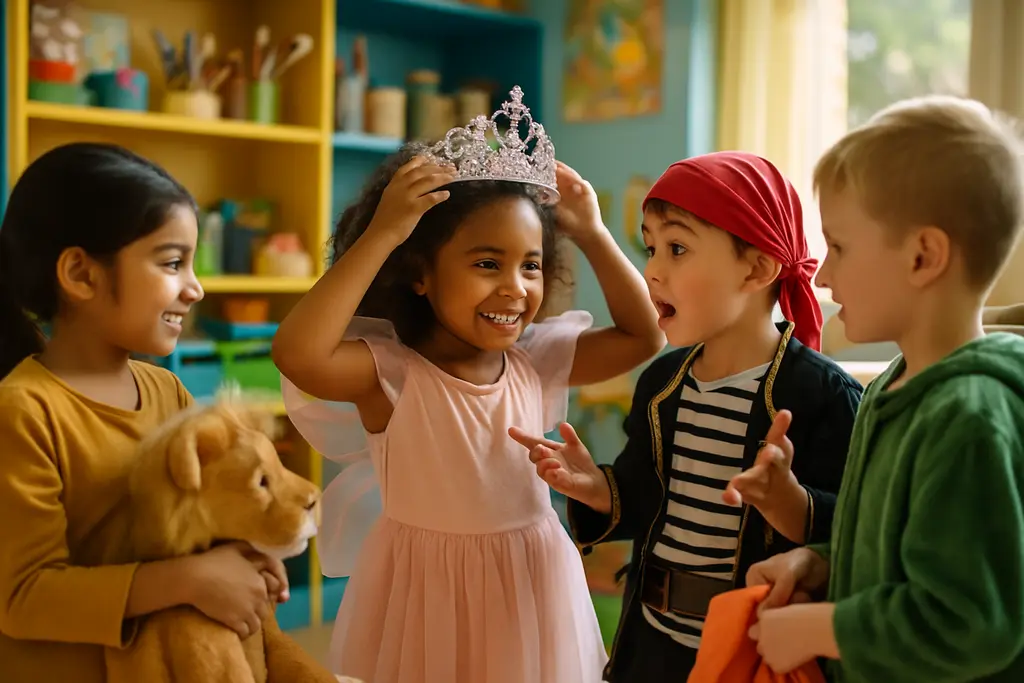

Welcome to the world of green magic, where creativity meets sustainability! Today, we’re more aware of our impact on the environment. It’s exciting to find ways to make our spaces new again. Think of your dress-up room as a canvas, ready for your creative touch. Why not make something amazing out of what you already have?
Imagine turning old items into beautiful decor or storage. It’s not just about being smart with what you have. It’s about making a bold statement. Have you thought about the hidden value in that pile of old toys or worn-out costumes? With a little creativity, they can become the highlights of your space.
In this article, we’ll share practical tips and clever tricks for your dress-up room. Get ready to unleash your inner designer and choose options that are good for the planet and your style. So, grab your scissors and let’s create a space that reflects your story!
Finding Hidden Treasures: Building Your Thrift Costume Collection
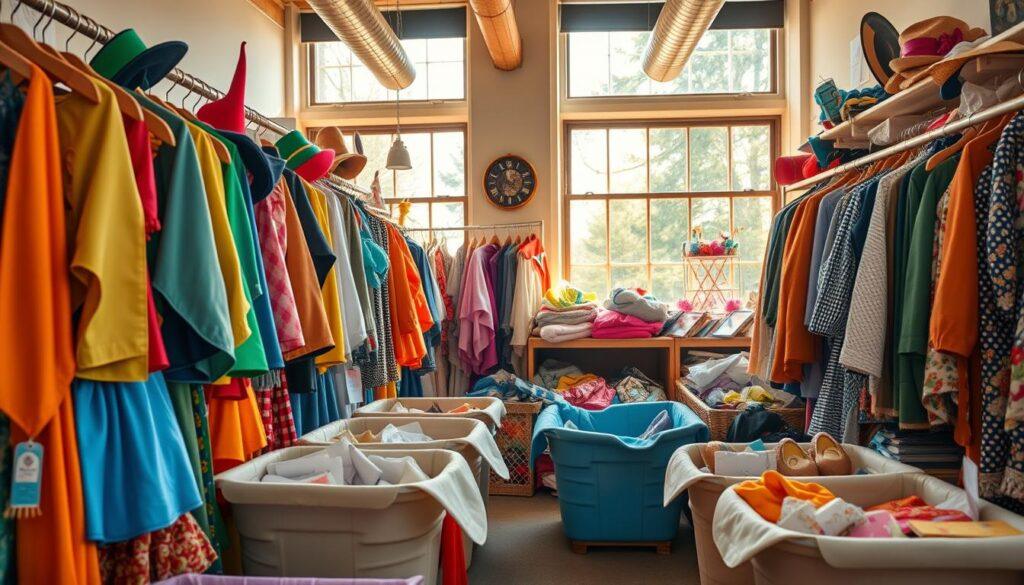
Shopping secondhand is one of the easiest ways to create an incredible dress-up wardrobe without spending a fortune. Every thrift store contains unique pieces that cannot be found in traditional costume shops. Unlike mass-produced outfits that hundreds of children may own, thrifted finds often have character, history, and quality craftsmanship.
One visit might uncover a velvet blazer perfect for a magician costume. Another may reveal vintage hats, elegant dresses, military jackets, scarves, belts, or costume jewelry that instantly become imaginative accessories.
Children often don’t need complete costumes. Instead, they need interesting pieces they can combine in different ways.
For example:
- A plaid blazer becomes a detective’s jacket.
- Rain boots become an astronaut’s space boots.
- A floral dress transforms into a fairy costume.
- Suspenders create an old-fashioned inventor.
- An oversized white shirt becomes an artist’s smock, pirate shirt, or medieval tunic.
Buying versatile pieces instead of single-purpose costumes encourages far more creative play.
Better yet, secondhand shopping significantly reduces textile waste. Extending the life of clothing means fewer new materials must be produced, conserving water, energy, and natural resources while reducing landfill waste.
The Cartography of Secondhand: Mapping Your Local Thrift Ecosystem
Imagine finding a sequined cape from 1974 in a church basement. This is where the past and present meet in amazing ways. Thrift swaps let you trade costumes, making fashion fun and sustainable.
It’s not just about clothes. It’s about making a statement about sustainability. I showed how to create a stylish look for under $500 with secondhand items. Why choose mass-produced when you can wear history? In today’s world, finding thrifted costumes is easier than ever. Apps and platforms are making secondhand shopping accessible to all. They connect you with others who love sustainable fashion.
These tools help you find what you need and build a community. The more we use them, the more we promote reuse. For tips on reducing waste and living secondhand, visit Rethink Waste and Fairytale Fashion.
| Thrift Source | Description | Benefits |
|---|---|---|
| Thrift Swaps | Community events where participants trade costumes | Cost-effective, community-building |
| Rental Libraries | Costume rentals for various occasions | Access to high-quality costumes without purchase |
| Community Closets | Shared resources for families in need | Supportive, sustainable, and inclusive |
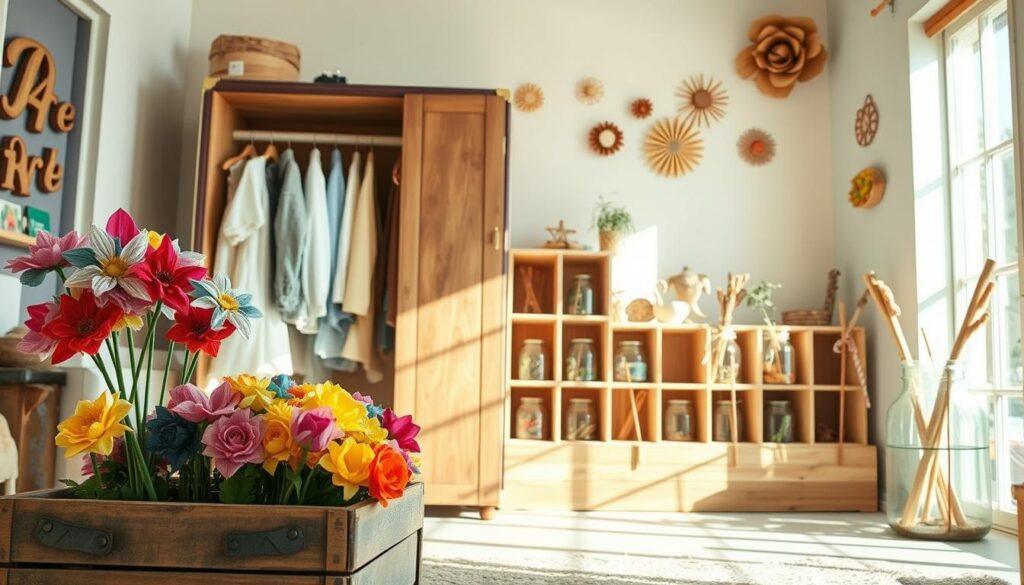
Upcycle builds suitcase wardrobe crate cubbies jar wands fabric scrap flowers
A vintage suitcase isn’t just for travel; it can spark creativity and organization in kids. Imagine turning an old Samsonite into a magical wardrobe for a child. It’s not just storage; it’s a symbol of discovery and order.
Wooden crates can also get a new life. They become cubbies with a unique charm, unlike anything factory-made. Old mason jars, once for canning, now become magical wands. Filled with ribbons and buttons, they sparkle and inspire young creators.
Shopping secondhand is one of the easiest ways to create an incredible dress-up wardrobe without spending a fortune. Every thrift store contains unique pieces that cannot be found in traditional costume shops. Unlike mass-produced outfits that hundreds of children may own, thrifted finds often have character, history, and quality craftsmanship.
One visit might uncover a velvet blazer perfect for a magician costume. Another may reveal vintage hats, elegant dresses, military jackets, scarves, belts, or costume jewelry that instantly become imaginative accessories.
Children often don’t need complete costumes. Instead, they need interesting pieces they can combine in different ways.
For example:
- A plaid blazer becomes a detective’s jacket.
- Rain boots become an astronaut’s space boots.
- A floral dress transforms into a fairy costume.
- Suspenders create an old-fashioned inventor.
- An oversized white shirt becomes an artist’s smock, pirate shirt, or medieval tunic.
Buying versatile pieces instead of single-purpose costumes encourages far more creative play.
Better yet, secondhand shopping significantly reduces textile waste. Extending the life of clothing means fewer new materials must be produced, conserving water, energy, and natural resources while reducing landfill waste.
Chemistry Class: Why Low VOC Isn’t Just Marketing Fluff
Low VOC paints are a big deal. They’re the difference between a fresh scent and a headache. These paints keep your child’s play area safe from harmful fumes, making it perfect for endless creative play.
The materials guide is about making smart choices, not perfection. Choosing sustainable materials lets you create a fun, creative space that’s also good for the planet.
| Material | Benefits | Environmental Impact |
|---|---|---|
| Natural Fibers | Biodegradable, breathable | Minimal chemical runoff |
| Recycled Plastics | Reduces landfill waste | Supports circular economy |
| FSC Wood | Sustainable sourcing | Protects habitats |
| Low VOC Paints | Safer indoor air quality | Less pollution |
Technology has transformed secondhand shopping.
Parents no longer need to spend weekends searching every thrift store in town. Numerous online marketplaces make finding costumes faster than ever.
Popular places to search include:
- Facebook Marketplace
- Buy Nothing groups
- Craigslist
- eBay
- Poshmark
- Mercari
- Kidizen
- local parent groups
Search using broad keywords rather than specific costume names.
For example, instead of searching “pirate costume,” search:
- striped shirt
- leather belt
- vintage vest
- black boots
- tricorn hat
Buying individual pieces usually costs less and creates far more versatile costumes.
Set search alerts for favorite items so you’ll receive notifications whenever new listings appear.
Shopping throughout the year instead of only before Halloween also produces better deals because demand is much lower.
| Repair Technique | Benefits | Materials Needed |
|---|---|---|
| Darning | Extends garment life, promotes creativity | Needle, thread, fabric scraps |
| Patching | Transforms flaws into art, reduces waste | Patch fabric, sewing machine or needle |
| Bead Re-Stringing | Preserves sentimental items, meditative | Beads, string, needle |
By embracing these practices, we repair more than just things. We weave a story of sustainability and mindfulness into our lives. So, next time you see a tear or a broken necklace, remember: you’re not just fixing it. You’re making a statement.
Zero glitter ideas biodegradable sparkle and confetti alternatives
Can we ditch glitter and keep our sparkle? This is a big question for our upcoming sustainable dinner party. Sequins will be the stars, but we must face the environmental cost of traditional glitter.
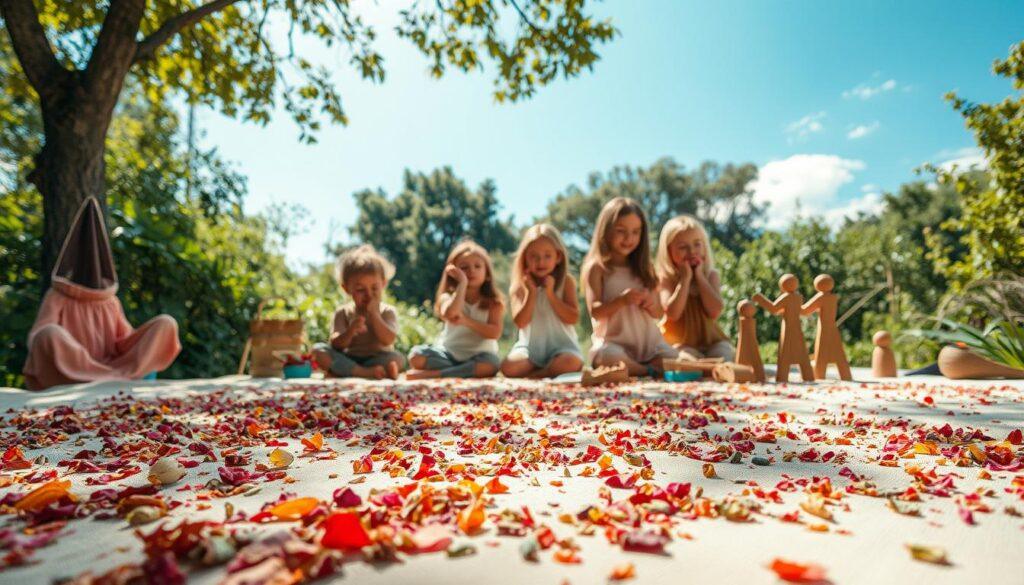
Glitter is like microplastic propaganda, wrapped in fun. It’s hard to resist, but using it feels bad for our planet. We’re adding synthetic particles to ecosystems while singing “Let It Go.” But, there’s a brighter solution. When planning parties, we must face glitter’s environmental harm. It may look pretty, but it pollutes. Luckily, there are sparkly alternatives that don’t harm the planet.
Biodegradable glitter, made from cellulose or plant starches, is a great option. It shines just like traditional glitter but doesn’t pollute. Mica-based sparkle also returns to nature, not fish or oceans. For confetti, try dried flowers, leaves, or seed paper. These choices make cleanup a chance to compost.
The zero-glitter play space isn’t about missing out on fun. It’s about enjoying magic that leaves no lasting harm. So, let’s celebrate with eco-friendly sparkle at our parties.
Donation and recycling textiles channels costume libraries
Every parent knows the cycle of a child’s costume: excitement followed by forgetfulness. But, that princess dress can have a new life. With the right setup, we can see textiles as valuable resources, not just fun for a moment.
Donation channels have changed a lot. No more random charity bins. Now, groups sort, clean, and give away costumes with care. They make sure each item finds a new home, not a landfill. But, what about costumes made of different materials?
Special recyclers are now tackling the problem of mixed materials in costumes. But the biggest change is costume libraries. Imagine borrowing a dragon costume like a book! This idea is good for the planet and makes playtime more fun. Costume libraries are a new idea in sharing. They let families try out different costumes without owning them. Why should every child have a firefighter costume for just a few months? Costume libraries offer a variety of costumes, encouraging creativity and reducing waste. These libraries are all about sharing and reusing. By joining, families help make a more sustainable way of living. Here’s how costume libraries compare to traditional donation:
| Aspect | Traditional Donation | Costume Libraries |
|---|---|---|
| Accessibility | Limited; depends on location | Wide; available to all members |
| Cost | Free to donate, but often forgotten | Low fee for borrowing, high value |
| Environmental Impact | Mixed; often leads to waste | High; promotes reuse and recycling |
| Community Engagement | Low; sporadic involvement | High; fosters community connections |
In conclusion, costume libraries are a great way to make thrifted costumes last longer. They encourage us to share and care for the planet. Next time you think about a costume for your child, consider the joy of sharing.
Cost and carbon math buy used vs new impact
Let’s dive into the financial and environmental effects of our costume choices. We often dream of new, vibrant costumes. But, thrifted costumes offer impressive savings for our planet.
New costumes cost between $25 and $40. This price includes a big carbon cost. It includes the use of petroleum, emissions from making, shipping, and methane from landfills. On the other hand, $40 can get you three to five used costumes, each with a lower carbon footprint.
Let’s look at the bigger picture. Buying secondhand for a whole dress-up room is 60-70% cheaper than new. It also produces almost no new emissions. My own experiment showed that a sustainable dinner party can be done for under $500, saving a lot of money compared to buying new.
The cost of textiles is very high. Fast fashion’s costs are hidden in long supply chains. Buying used means you’re getting a good deal and avoiding new synthetic materials. It’s not perfect, but it’s much better than buying new.
The Wallet-Meets-Planet Calculus: Real Numbers on Reuse
Here’s a table that shows the difference between new and used costumes:
| Costume Type | Average Cost | Carbon Impact (kg CO2) | Cost per Use |
|---|---|---|---|
| New Costume | $35 | 10 | $35 |
| Thrifted Costume | $10 | 3 | $2 |
| Used Costumes (3) | $30 | 9 | $10 |
Choosing thrifted costumes saves money and makes a statement. Every thrift store purchase means less pollution and waste. So, think about the planet when picking a costume for your child.
Kids craft station reuse bins make crowns capes badges
In a world where trash turns into treasure, creativity has no limits. A kids’ craft station, with reuse bins, is a playground of imagination. These bins hold the power to spark a child’s creativity. Organizing materials is key. A messy bin can be overwhelming. Instead, create a system that sparks curiosity. Making crowns from cardboard and fabric teaches kids about valuing resources. Turning old curtains into capes lets kids carry theatrical history. Every superhero story starts with something ordinary becoming extraordinary. This is where creativity shines! Badge-making is all about identity. Kids create symbols of achievement, like a branding agency. They explore their identity and self-worth, all while playing zero waste play.
Using only what’s already been used makes the brain work harder. It’s design thinking in disguise. Celebrate the art of reuse, where every scrap leads to a new adventure!
| Craft Item | Materials Needed | Skills Developed |
|---|---|---|
| Crown | Cardboard tubes, fabric scraps | Creativity, resourcefulness |
| Cape | Old curtains, tablecloths | Imagination, storytelling |
| Badge | Cardboard, markers, stickers | Identity exploration, design thinking |
Storytelling sustainability teaching prompts and books
Teaching sustainability can be fun through stories. Children’s books now share eco-friendly lessons in a way that’s engaging. These stories make learning about the environment feel like an adventure, not a task. Books that show characters fixing and reusing things are great. The Lorax by Dr. Seuss and Not a Box by Antoinette Portis are examples. They show kids that being green can be creative and fun.
Stories lead to discussions. For example, after reading, you might ask, “What else could this box become?” This sparks kids to think about materials and their uses, promoting zero waste play.
Teaching Prompts That Don’t Sound Like Lectures
Engaging prompts turn play into learning. Instead of talking about waste, ask, “Where did your character get their cape?” This leads to talks about where things come from and where they go next.
Here’s a table of books and prompts to help kids learn about the environment:
| Book Title | Key Themes | Suggested Prompt |
|---|---|---|
| The Lorax | Conservation, Responsibility | What can we do to help trees? |
| Not a Box | Creativity, Imagination | What else can this box become? |
| The Earth Book | Recycling, Respect for Nature | How can we take care of our planet? |
By using these stories, we can teach kids about sustainability naturally. When a child thinks about their costume’s future, they’re already learning. This way, we teach values through play and imagination, not lectures.
Supplier list eco brands thrift chains local makers
Looking for eco-friendly dress-up room items can be like a treasure hunt. The best finds are out there, waiting for you. Look for eco brands that are open about their supply chains. TerraCycle makes recycling easy for hard-to-recycle costume parts.
EarthHero offers sustainable craft supplies. Wild Minimalist promotes a real plastic-free lifestyle, not just a marketing trick.
Thrift stores vary in quality and ethics. Goodwill is easy to find but has questionable labor practices. Local thrift stores, on the other hand, give back to the community. They make your thrifted costumes a win for everyone.
Local makers are where the magic happens. They turn fabric scraps into crowns and build upcycled storage from wood. They also fix costumes for a small fee. Working with them turns your dress-up room into a showcase of local talent.
This approach not only boosts creativity but also supports zero waste play. Each item has a story, whether it’s from fabric scraps or a unique costume. It’s where sustainable organizing comes alive, building a community of eco-aware creators.