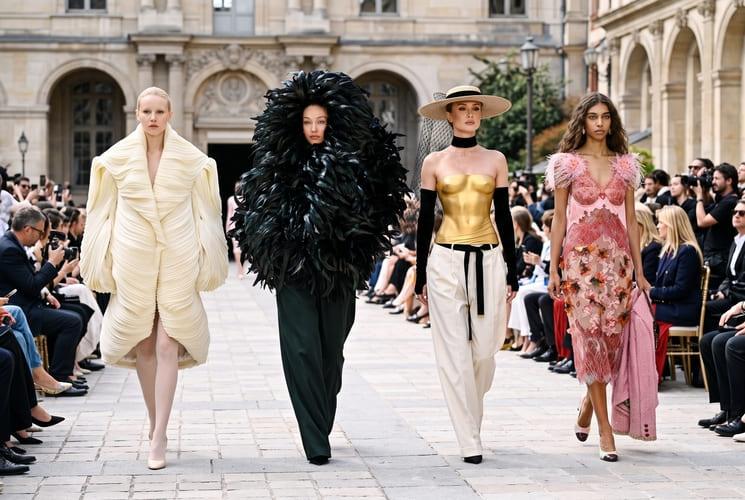
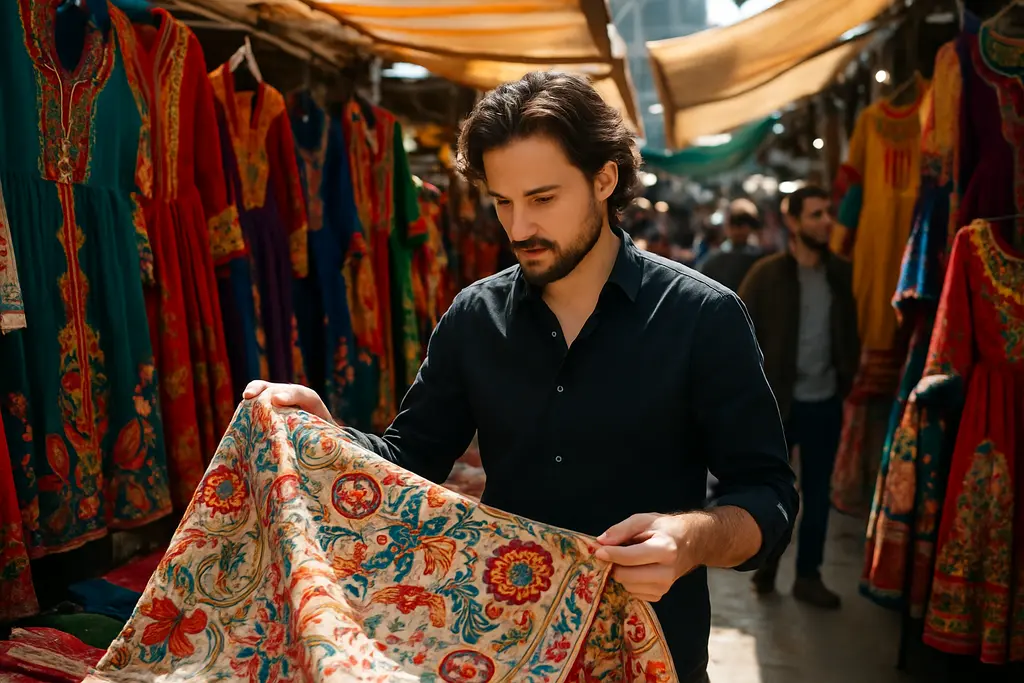
Folk Costume Culture sits at a sensitive juncture: contemporary fashion borrows the emotional charge of folk dress, while fairytale costuming turns those references into play, pageantry, and sometimes commerce. The strongest work in this area does not treat folk traditions as decorative scraps. It asks who made the motif, what ritual or regional memory it carries, and whether the new design honors that context or merely extracts its visual pleasure.
How Folk Costume Culture Enters Fashion
Folk Costume Culture And Escapist Dress
Recent interest in medieval and folkloric styling has been visible in social-media search behavior. At the end of 2024, Pinterest reported a 110% increase in searches for “medievalcore,” while TikTok had more than 20,000 videos and Instagram had more than 22,000 posts using the medievalcore hashtag, as reported by The Guardian. Those figures do not prove a single unified movement, but they do show that many people were searching for visual languages linked to castles, cloaks, lacing, hoods, shields, old manuscripts, and candlelit interiors.
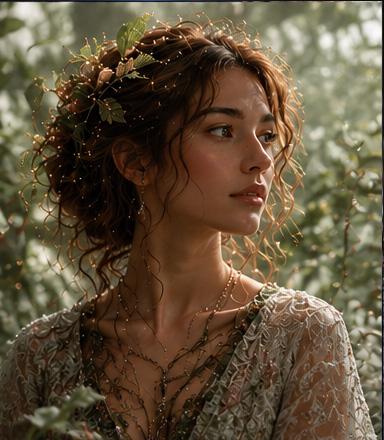
For fairytale costume lovers, that pull is easy to understand. A hooded cape, embroidered bodice, gathered skirt, or soft linen shift can suggest a story before a character is named. Yet the fairytale effect often depends on borrowed signs: peasant sleeves, bridal veils, harvest garlands, ceremonial belts, woven trims, and regional head coverings. A designer may use these elements to evoke age, memory, and enchantment, but the aesthetic reading changes when the reference comes from a living community rather than a generalized storybook past.
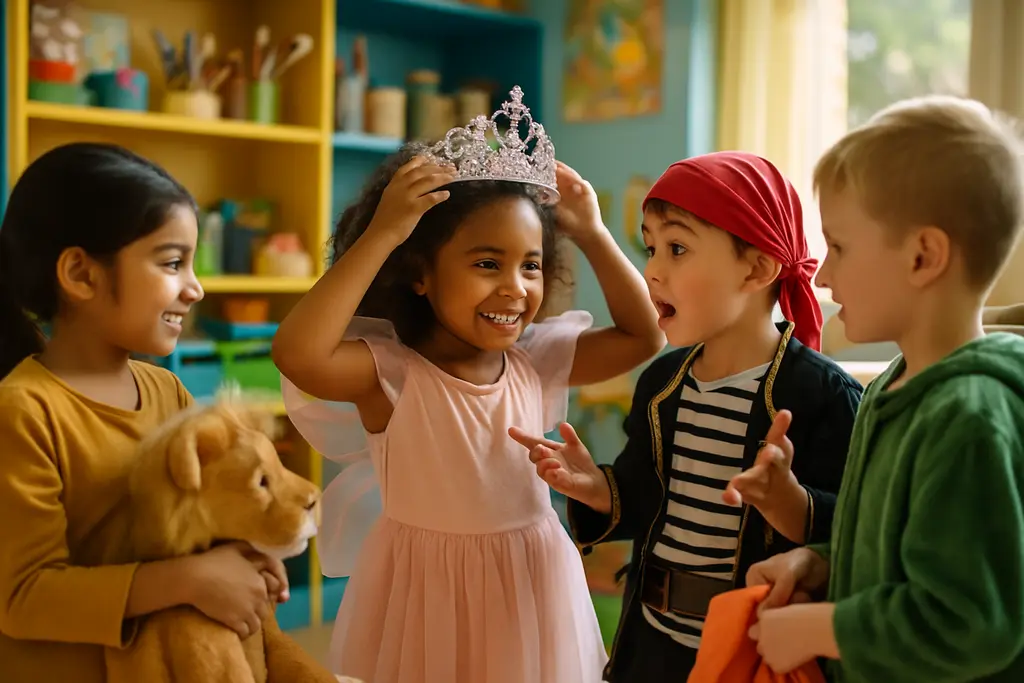
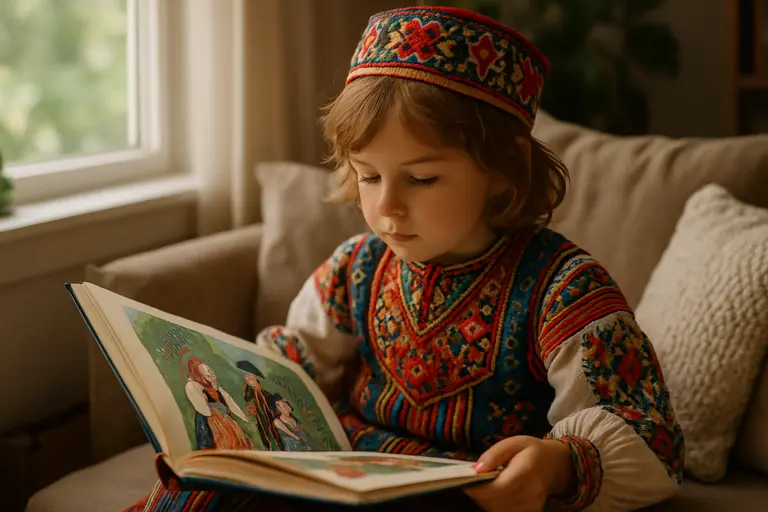
Folk Costume Culture is not simply nostalgia. It can carry comfort, status, mourning, devotion, seasonal ritual, family memory, and public belonging. A contemporary runway look may abstract those meanings into silhouette and texture, while a child’s costume trunk may turn them into imaginative play. Both uses deserve care because clothes teach visual habits. If a child repeatedly sees folk dress only as “princess,” “witch,” or “village girl,” the original cultural signals can become flattened.
Folklore, Craft, And Ritual Reference
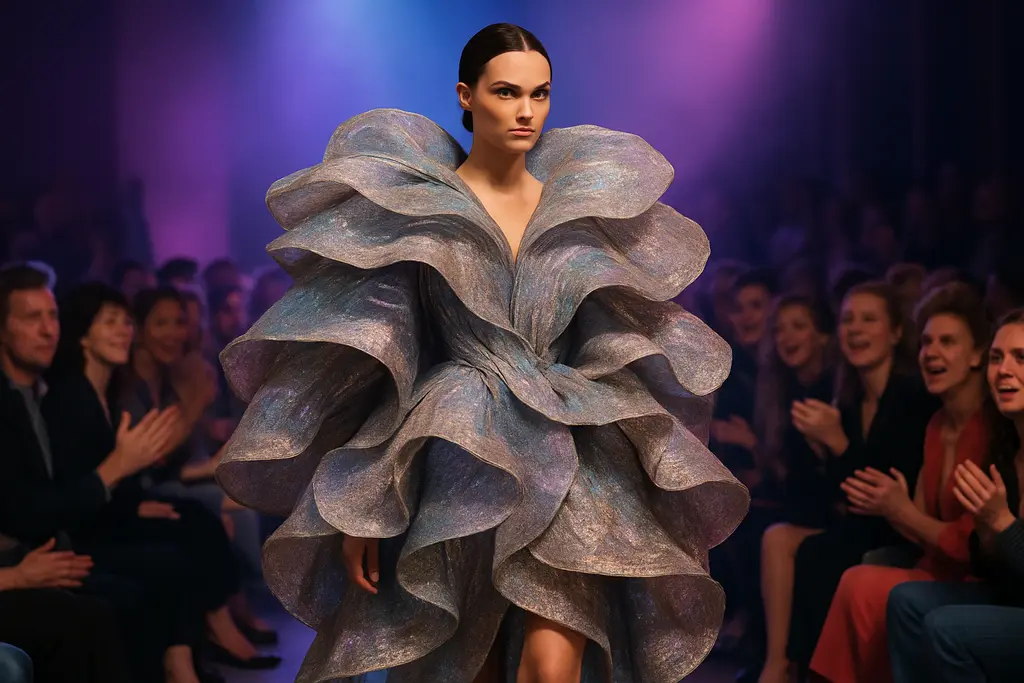
The supplied research points to Simone Rocha’s Autumn/Winter 2023 “Lughnasadh” collection as a clear example of high fashion working with folk reference. That collection was described in the research as integrating Irish folk crafts, myths, and rituals, including Christian and Pagan references. Such work is not reducible to costume quotation. It sits closer to fashion criticism, where fabric, pearls, veiling, volume, and ritual suggestion operate as a structured design argument.
This distinction matters. A fairytale garment can honor folk influence without pretending to reproduce formal dress from a specific community. Designers and home sewists can signal “woodland,” “harvest,” or “storyteller” through proportion and material rather than copying sacred garments, ceremonial regalia, or culturally specific wedding attire. The line is not always simple, so cautious description is better than confident labeling. A bodice may be “inspired by European folk dress” only if its source is known; otherwise, “lace-up bodice” is the cleaner phrase.
Borrowing, Collaboration, And Consent
The South Asian Garment Debate
Costume culture becomes especially fraught when commercial brands repackage recognizable cultural garments without clear context. On April 15, 2025, The Washington Post reported backlash from South Asian audiences toward Western brands including Reformation, H&M, and Oh Polly after Spring 2025 lines included garments that closely resembled lehengas, shararas, and shalwar kameez. The criticism, as described in the supplied research, centered on cultural appropriation concerns.
For fairytale costuming, this is a useful warning. A skirt-and-bodice silhouette may feel safely fictional, but a garment can cross into a specific cultural reference through cut, drape, styling, jewelry, and naming. Calling a look “desert princess,” “temple bride,” or “gypsy fairy” can intensify the problem by mixing exoticized language with uncredited design cues. Respectful costume culture begins with naming what is known and leaving alone what is sacred, ceremonial, or community-protected.
Heritage Work And Creator Commerce
The supplied research also notes examples of collaboration, including studies of luxury brands working with Indian costume traditions and the Minnetonka Reclamation Collaborative launched in July 2025 with Native artists. Without assessing any single project beyond the information provided, the pattern is worth observing: collaboration shifts attention from surface borrowing toward authorship, compensation, and narrative control.
For small sellers and handmade creators, the practical lesson is not to copy a living community’s dress for quick seasonal demand. It is safer to build original fairytale costumes from broad design principles: natural textures, visible handwork, layered silhouettes, invented motifs, and clearly fictional story worlds. If a design uses a named cultural garment or pattern, creators should research permissions and community expectations before listing it for sale. This is a rights-and-respect issue, not just a branding question.
Fairytale Costume Reading Without Flattening Folk Sources
Silhouette, Material, And Story
Fairytale costumes often succeed through restraint. A wool cloak, cotton apron, silk ribbon, or hand-stitched border can suggest an old tale without raiding a specific ceremonial wardrobe. The supplied research notes rising interest in natural fibers during the first half of 2025, with #NaturalFibers posts increasing sharply compared with the same period in 2024. Even without treating hashtag counts as proof of durable buying behavior, the material question is relevant. Cotton, wool, linen, and silk age differently from synthetic costume satin; they wrinkle, soften, and hold repair marks. Those qualities make them persuasive in story dress.
Material choice also helps children understand the difference between costume and character. A play cloak made from plain wool felt can be a forest traveler, a baker’s apprentice, or a moonlit messenger. A highly specific copied garment narrows the story and may carry cultural meanings the child does not know. For readers interested in craft, conservation, and storage as part of costume care, our related note on fairytale costumes and craft objects takes a similar cautious approach.
Folk Costume Culture In Retail And Play
Retail has learned that heritage sells, but heritage is not a texture filter. The supplied research cites a 2025 consumer sentiment index noting that specialty apparel brands anchored in heritage, clear identity, and cultural authenticity ranked strongly. That does not mean every brand can claim folk authority by adding embroidery. It suggests that consumers may respond to coherent identity, especially when a brand’s story, product, and material choices align.
In the playroom, the same principle applies at a smaller scale. A costume bin should not become a jumble of decontextualized cultural signs. Organization can become a quiet ethics lesson: children learn that some garments are for play, some are for family ceremony, and some references require asking and learning first.
- Sort dress-up pieces by function: capes, aprons, crowns, wings, belts, and soft armor.
- Use neutral labels such as “forest cloak” or “story skirt” instead of ethnic labels unless the item is accurately identified.
- Keep a repair pouch with spare buttons, ribbon, safety clips, and fabric patches to extend costume life.
- Store delicate veils, beadwork, and inherited textiles outside the daily play bin unless an adult is present.
This system keeps imagination accessible while reducing careless treatment of meaningful dress. It also makes cleanup faster, which matters after a living-room coronation or puppet-theater battle. I like low baskets for everyday cloth pieces, a hanging rail for capes, and a lidded memory box for garments tied to family events.
Folk Costume Culture In The Playroom
Folk Costume Culture has real value when it slows fashion down and asks better questions. Who made this stitch? What season, rite, or household skill does it recall? Is the reference invented, generalized, or traceable to a living community? Those questions do not drain the magic from fairytale dress. They give it firmer ground.
Contemporary fashion will keep returning to folklore because folk dress offers shape, texture, memory, and emotional shelter. Costume culture can respond with equal care: credit influence, avoid sacred or ceremonial copying, choose materials with intention, and let children play with archetypes rather than stereotypes. For readers comparing cultural writing across related network sites, there is an interesting resource available at Kay Granger. My own rule for the costume trunk is simple: wonder is welcome, but borrowed meaning should never be treated as disposable.