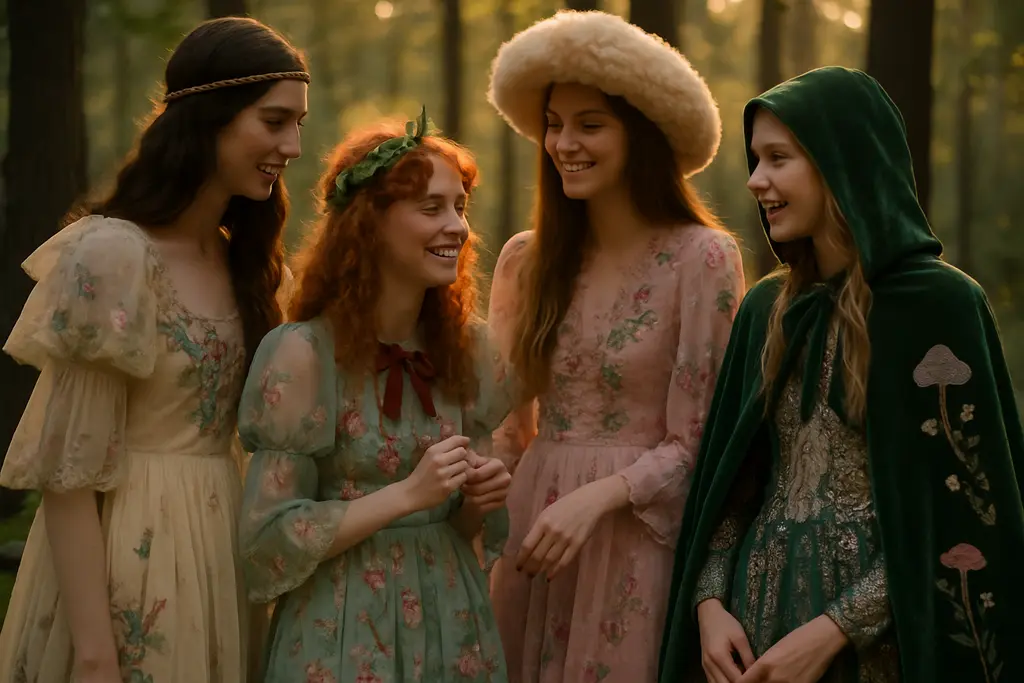
Creating fairytale-inspired costumes from Gucci’s recent art-infused presentations asks for restraint as much as imagination. The useful lesson is not to copy a runway look, a logo, or a protected house motif, but to study how art references, architecture, proportion, surface detail, and staging can suggest character. Gucci’s Fall/Winter 2026 Ready-to-Wear show took place in Milan on February 27, 2026, under creative director Demna, with the collection titled “Primavera” and direct references to Botticelli’s Primavera and The Birth of Venus, both associated with the Uffizi Gallery in Florence, as reported by Vogue’s Gucci review. That art-historical frame gives costume makers a careful path: borrow the design logic of myth, gardens, drape, and ceremony without treating a luxury collection as a pattern book.
Fairytale-Inspired Costumes And Botticelli Codes
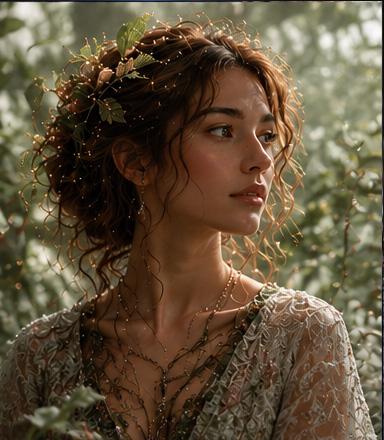
The Botticelli connection matters because it shifts the costume conversation away from generic sparkle and toward visual structure. Botticelli’s mythological paintings are not simply decorative reference points; they organize bodies, gestures, floral cues, and flowing cloth into scenes of arrival, revelation, and ritual. Gucci’s “Primavera” used a museum-like setting with Renaissance statuary to place contemporary bodies near classical symbols. For costume planning, that suggests a productive question: what does a character reveal when she enters a room, crosses a threshold, or stands still like a figure in a painted allegory?
Fairytale-Inspired Costumes Through Gesture And Drapery
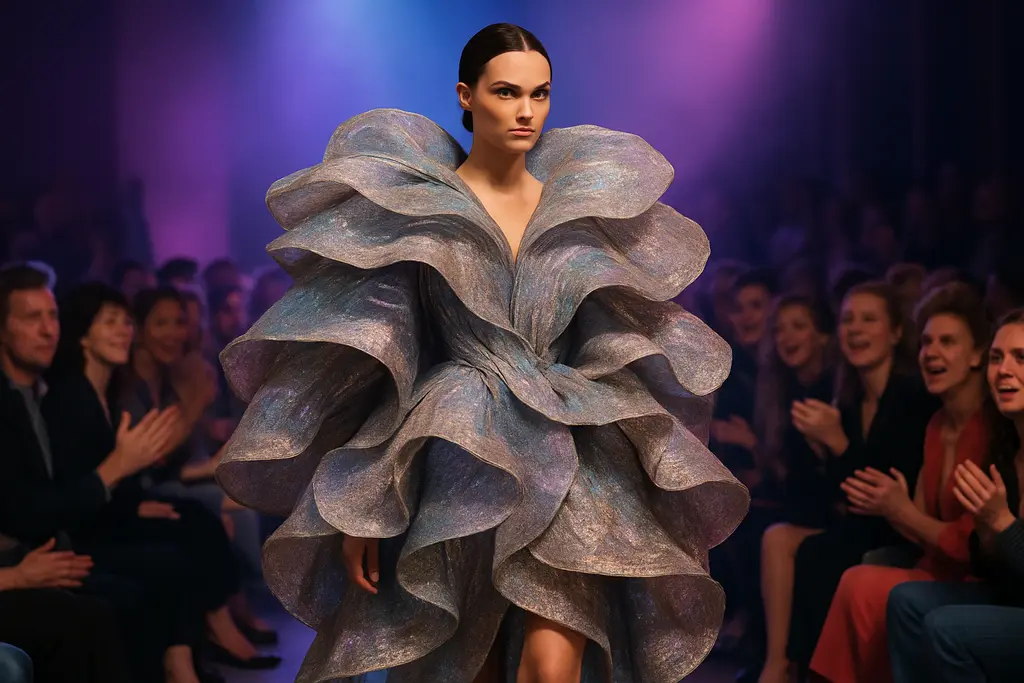
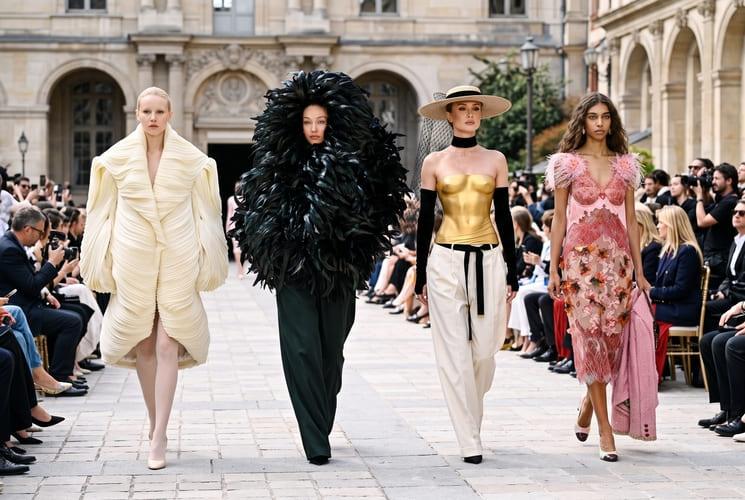
The most useful runway lesson for fairytale-inspired costumes is the relation between movement and garment shape. Flowing floral prints, lace, velvet texture, ruffles, sheer surfaces, sheath dresses, corsetry, and oversized coats all appeared in the research notes around Gucci’s art-led presentations. Those details can be translated into costume language through scale and placement. A child’s woodland court costume might use a soft cape with leaf-shaped appliqué rather than a branded print. An adult masque look might use a long, narrow overskirt to create a ceremonial line without duplicating a specific gown.
Drapery should serve the body wearing it. A fairytale costume often fails when every symbol is placed at maximum intensity: crown, wings, train, glitter, wand, lace, and floral trim all competing at once. Botticelli-inspired design works better through editing. A single shell-like collar, a pale green sash, or a rose-toned sleeve can signal myth and garden imagery. The aim is visual literacy, not costume congestion.
Body-Conscious Drama Without Losing Character
Demna’s Gucci show leaned into dramatic sensuality, with clothing that followed or exposed the body, embellished gowns, formal eveningwear, sequined pajamas for men, and barefoot styling noted in the research. AP also reported that Kate Moss closed the Fall/Winter 2026 show in a plunging gown with a branded thong, a moment that emphasized theatrical exposure and runway spectacle AP’s Gucci report. Costume makers should treat that as evidence of stagecraft, not as a universal instruction. A fairytale figure can suggest vulnerability, power, or enchantment through cut, stance, and fabric choice without requiring literal exposure.
Resort 2026, Archives, And Storybook Pageantry
Gucci’s Resort 2026 collection was presented on May 15, 2025, at Palazzo Settimanni in Florence, a 15th-century structure connected to the brand’s archives since 1953. The setting is crucial for costume thinking because it placed garments inside a building already carrying memory, craft, and institutional identity. The show drew from archival motifs such as bows, net patterns, feathered outerwear, sequined gowns, lush styling, GG monogram references, and Flora patterns. For fairytale work, the lesson is that a costume becomes stronger when it appears to have a past.
Archive Motifs As Character Clues
Archive references can be translated ethically through category rather than imitation. A bow can become a sign of court etiquette, a net pattern can suggest a fisher-prince or moonlit spell, and feathered texture can imply a swan, raven, or messenger creature. This is where fairytale-inspired costumes benefit from research boards that separate “motif type” from “brand-specific treatment.” If a house monogram or identifiable Flora pattern appears in a runway collection, a handmade costume should not reproduce it for sale without rights clearance. For personal dress-up, families and makers can still use the broader idea of floral rhythm, ribbon placement, or archival romance while avoiding confusion with a fashion house’s protected identity.
The Resort 2026 staging also included a public-facing extension in Piazza Santo Spirito, where models moved from the archival site into the city square. That movement from archive to public space reads like a fairytale procession: the locked room opens, the figures leave the palace, and history steps into daylight. For costume design, such staging suggests that accessories need a social function. A cape should not only look regal; it should sweep, conceal, or frame. A basket should not only sit in the hand; it should carry a symbolic object. A collar should not only decorate; it should establish rank, species, or spellbound status.
Designing Costumes Without Copying The Runway
High-fashion inspiration works best when broken into design principles. Gucci’s art-infused shows used contrast: soft lace against bold tailoring, romantic ruffles against sheer surfaces, and architectural silhouettes against painterly references. Those contrasts can guide fairytale-inspired costumes for theatre, cosplay, school events, photography, or family play without replicating a specific luxury garment.
- Choose one art cue: shell, garden, statue, ribbon, feather, rose, or moonlit net.
- Choose one silhouette: cape, sheath, corseted bodice effect, oversized coat, pajama set, or long gown line.
- Choose one texture contrast: matte cotton with satin ribbon, velvet with netting, or lace with plain wool.
- Keep symbols readable: a costume should communicate the character before viewers inspect the trim.
- Avoid protected identifiers: do not copy monograms, signature prints, celebrity likenesses, or branded layouts for commercial work without appropriate clearance.
This method protects artistic integrity. It respects the runway as authored design while allowing makers to build original characters. A Botticelli-adjacent “garden herald,” for example, could use a moss-colored tunic, rose appliqué, a soft gold belt, and a petal cape. A “moon archive librarian” could use a dark velvet coat, silver cord ties, and a paper crown shaped like architectural arches. These are original concepts informed by art and staging, not replicas of a Gucci look.
Small-Scale Costume Tests For Playrooms
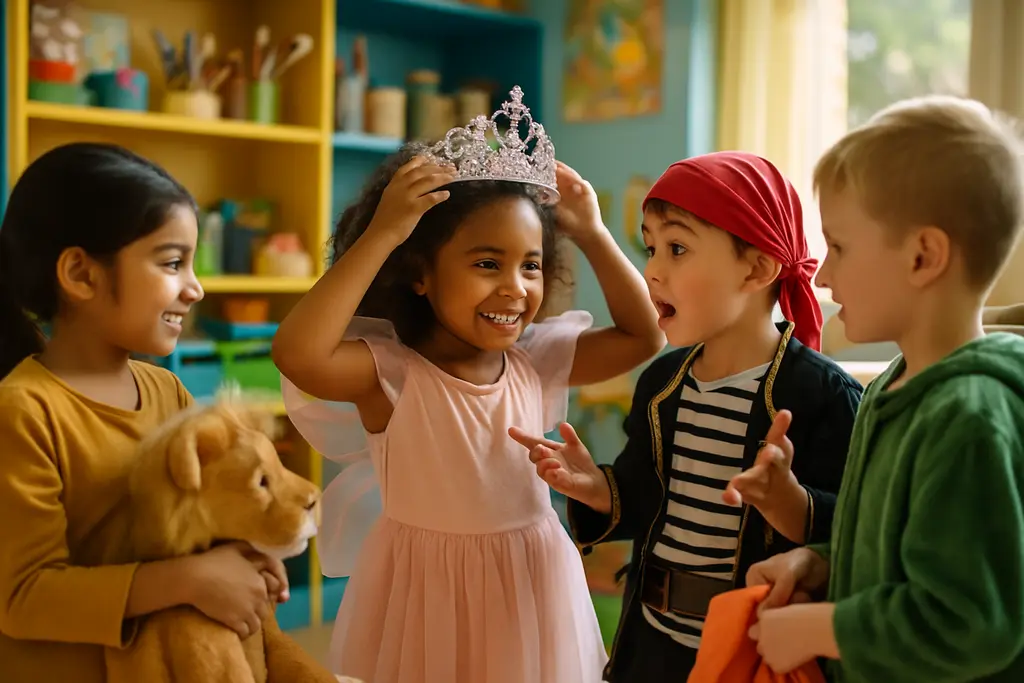
For families, I prefer a trial approach before full construction. Place fabric scraps, ribbons, paper crowns, repaired capes, and safe costume jewelry into separate labeled bins. One bin can hold “garden court” materials, another “sea myth,” another “castle archive,” and another “night forest.” Children tend to create more inventive characters when they can see materials grouped by story function rather than buried in one overflowing chest. To explore further home-organization ideas, Shimply offers useful insights that can sit alongside your planning notes as a comprehensive household reference.
A playroom costume station should also protect fragile pieces. Hang capes and gowns from low hooks, store crowns upright in a shallow tray, and keep repair tools in an adult-only box. Photograph finished costumes before they return to storage; the images help children remember combinations and reduce the impulse to empty every bin during each play session. This turns costume storage into a small archive, echoing the Gucci idea of history becoming usable again.
Materials, Color, And The Ethics Of Enchantment
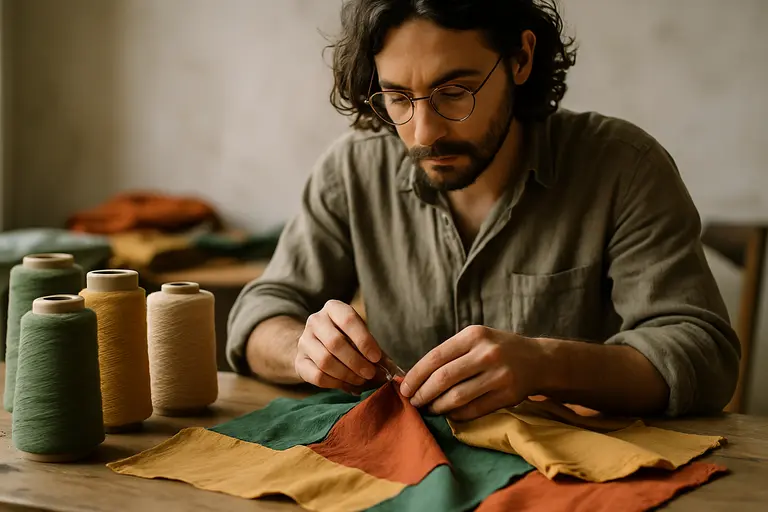
Color is where fairytale design can become expressive without becoming derivative. The research notes mention flowing florals, velvet, lace, ruffles, sequins, net patterns, feathers, and formal evening textures. A costume maker can assign those surfaces to narrative roles. Velvet suggests authority or night. Lace suggests fragility, memory, or ceremony. Sequins can suggest water, stars, or courtly performance. Netting can suggest traps, veils, fishing, moonlight, or spellwork.
Color Palettes With Art-Historical Discipline
Instead of using every bright color available, build a narrow palette. Botticelli-inspired costumes often work through pale flesh tones, soft greens, muted blues, rose, cream, gold, and darker accents. A darker palette can still feel enchanted if the surfaces carry light: velvet, satin ribbon, beads, or sequins. For children’s costumes, comfort and safety should lead. Avoid heavy trains for running games, scratchy trims at the neck, and long ties that can snag. The most persuasive costume is one the wearer can inhabit with confidence.
Creator-sellers should be especially cautious. A listing can describe an original “Renaissance garden fairy costume” or “mythic rose court cape” without referencing a luxury brand in a way that implies endorsement. If a design uses logos, signature prints, or recognizable campaign styling, the seller should pause and seek rights guidance from appropriate professionals. This is not legal advice; it is a prudent creative practice that keeps tribute, inspiration, and commerce in separate boxes.
Gucci Art-Infused Resort Collections For Costume Practice
Gucci’s art-infused Resort and Fall/Winter 2026 presentations offer a disciplined model for costume thinking: art first, setting second, garment third, character always. The strongest takeaway is not a single gown, bow, feather, or statue. It is the way a collection can make clothing behave like a scene from a story. Palazzo Settimanni supplied archive and memory. Piazza Santo Spirito supplied public pageantry. The “Primavera” presentation supplied mythological framing, museum atmosphere, and bodily drama.
For costume makers, that sequence is practical. Start with the story source, choose the architectural mood, select one silhouette, and then add surface detail. For playrooms, use the same logic in storage: group costumes by story world, preserve fragile items, and leave space for children to recombine pieces into new roles. In that careful balance, fairytale-inspired costumes can honor major fashion and art references while remaining original, wearable, and alive with personal invention.