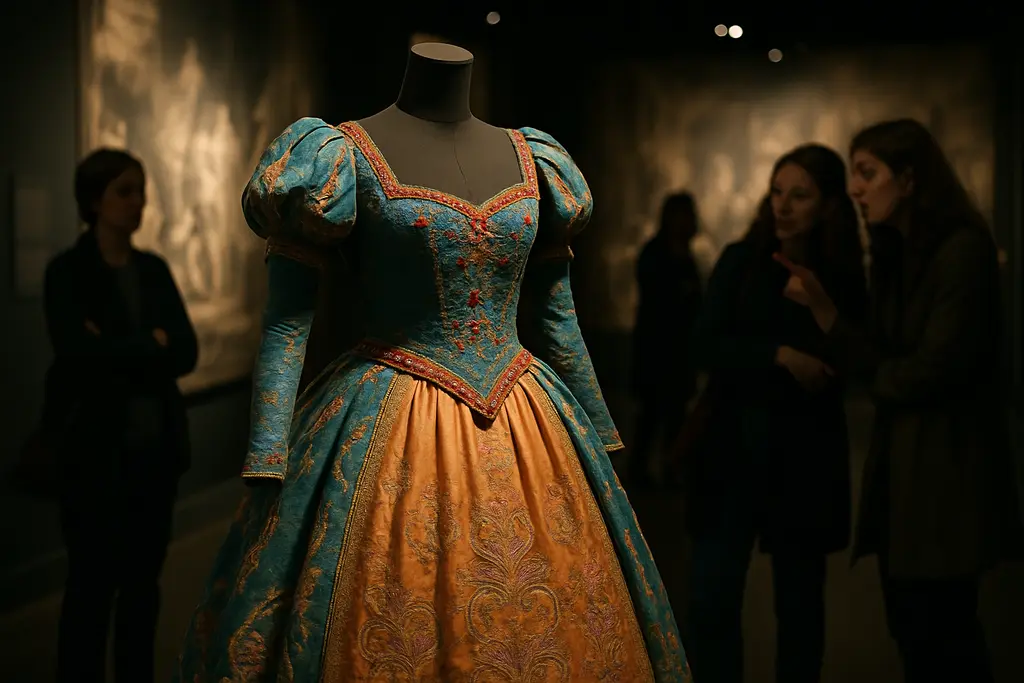
Fairytale costumes are often treated as lace, capes, glassy shoes, and childhood dress-up, but the more useful curatorial question is quieter: how does a garment become a story object? That question sits close to The Burberry Trench: Crafting an Icon, scheduled for 21 September 2026 to 3 January 2027 at the Victoria & Albert Museum in South Kensington, inside the Prince Consort Gallery. The display marks Burberry’s 170th anniversary and uses archival material to trace the trench coat’s movement from practical outerwear into a fashion symbol. The trench is not a fairy-tale gown, yet its museum treatment shows how function, myth, weather, identity, and memory can gather around a single piece of clothing.
Why Fairytale Costumes Matter To Museum Storytelling
Fairytale Costumes And The Single Garment Plot
A fairy tale rarely begins with a full inventory. It often turns on one charged object: a cloak, a slipper, a key, a spindle, a mirror. Fashion exhibitions can use a similar structure without reducing garments to props. The trench coat offers a strong case because it carries visible design codes while still allowing curators to discuss invention, use, repetition, and reinvention. In the announced V&A display, the structure follows three sections: Invention, Craft, and Creativity. That is a narrative arc as much as a design framework.
The Invention section begins with Thomas Burberry’s development of gabardine in 1879. The Craft section examines functional details, including collars, storm flaps, and House Check lining. The Creativity section includes 19 runway looks from the past 25 years by designers including Christopher Bailey and Daniel Lee. Those facts matter because they resist vague fantasy language. The coat’s symbolic force depends on construction, material, and repeated cultural use, not on mood alone.
A Trench Coat As A Threshold Object
The trench is a threshold garment. It is worn between inside and outside, shelter and exposure, private body and public street. That makes it useful for thinking beside fairytale costumes, which often mark a passage from one status to another. A cloak can disguise a heroine; a coat can suggest protection, anonymity, travel, or authority. The exhibition’s focus on a singular item allows visitors to see how small design decisions accumulate meaning over time.
This is where fantasy themes need careful handling. A curator does not need to claim that the Burberry trench is a fairy-tale costume. The more defensible reading is that the trench can be studied through story mechanics: origin, ordeal, adaptation, recognition. That keeps the analysis respectful to the garment’s design history while making room for costume culture, literary imagination, and the emotional pull of outerwear.
Fantasy Themes Across 2026 Fashion Displays
Couture Sets And Fairytale Reference Points
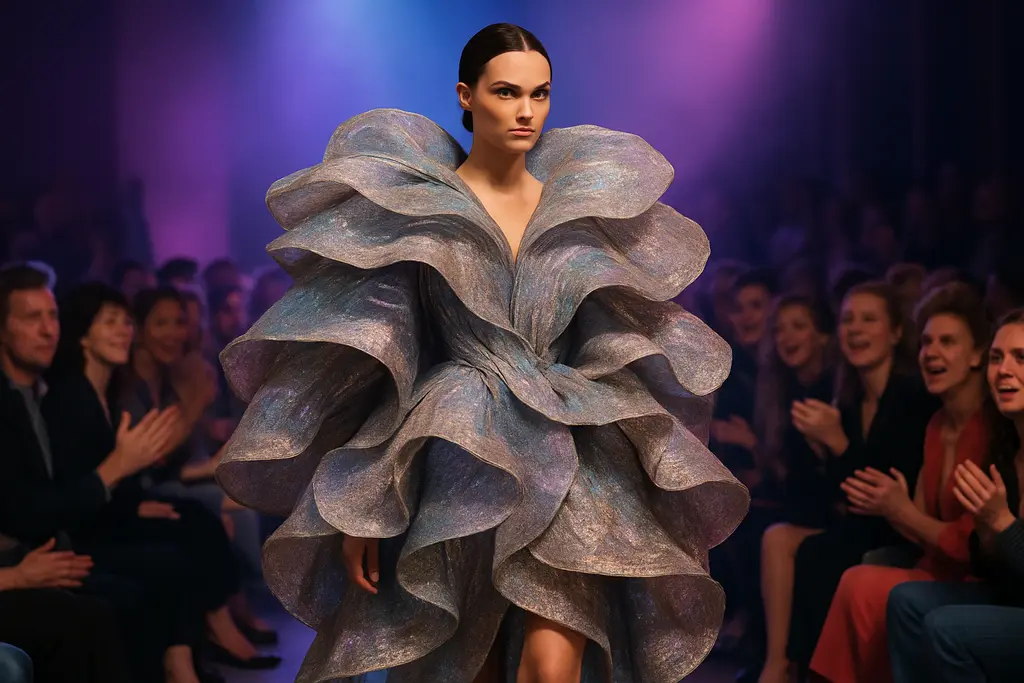
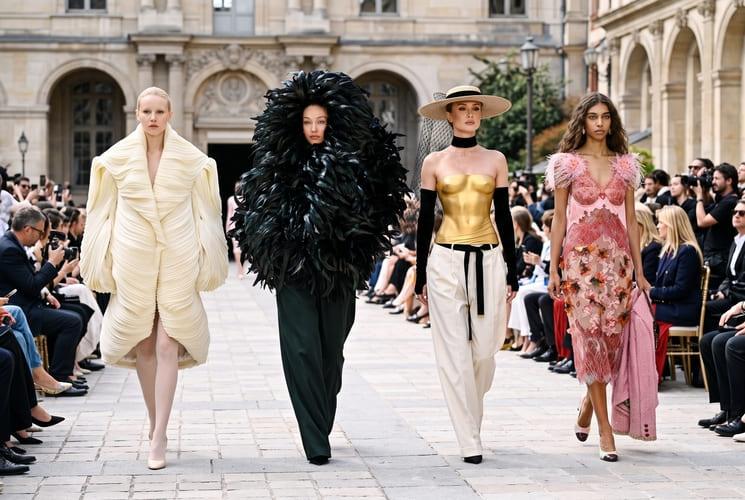
The broader 2026 fashion calendar gives this reading some support. Chanel’s haute couture show on 7 July 2026 used beanstalk staging and references associated with tales including Puss in Boots, The Ugly Duckling, and Goldilocks, according to The Guardian. The report also described large floral set pieces and fantasy-score music choices. The point is not that every runway has become a storybook. Rather, major fashion presentations have been using narrative cues with enough precision that museums can no longer treat fantasy as decorative frosting.
For readers tracking couture references more directly, our related analysis of the Fall 2026 couture fairytale aesthetic places the Chanel presentation beside other fantasy-coded runway choices. That comparison is useful because it separates documented staging and garment details from looser trend claims.
Museums, Bodies, And Mythic Dress
The museum context is just as important. The Met Costume Institute’s Costume Art, which opened on 10 May 2026 and runs through 10 January 2027, pairs clothing with artworks spanning 5,000 years, as described by The Met. That pairing supports a broad view of dressed bodies as symbolic bodies. Myth, literature, ornament, ritual, and social identity can meet in a garment without forcing one simple meaning onto it.
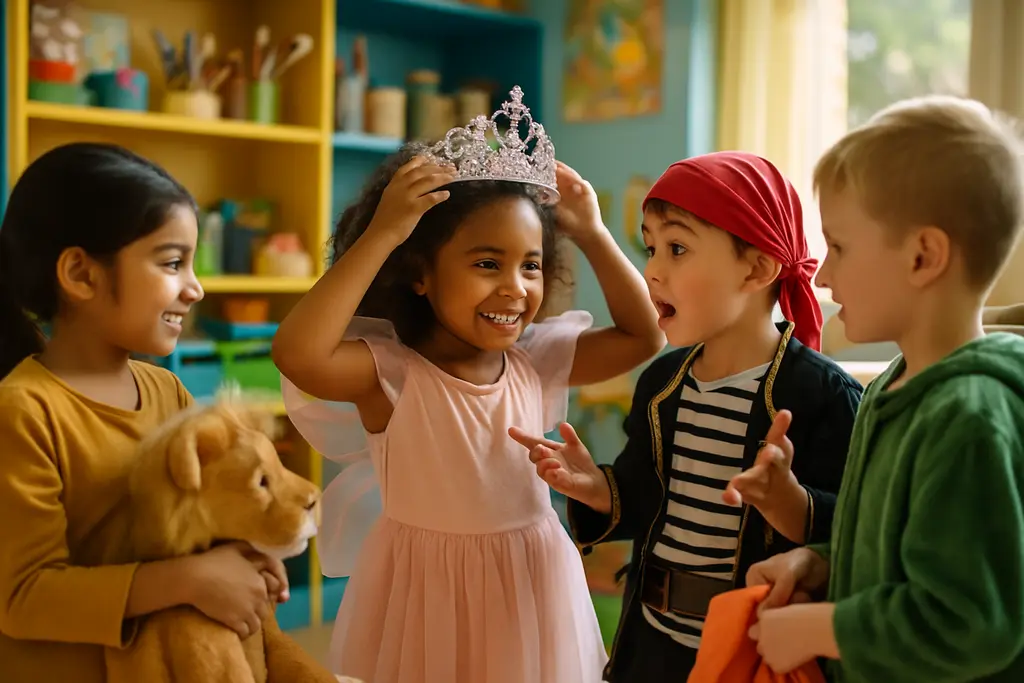
This matters for fairytale costumes because costume can be both playful and analytical. A dress-up cape may begin as a child’s game, yet the same visual grammar appears in couture, theatre, illustration, and museum display. The challenge is to avoid flattening original works into aesthetic fragments. A fairy tale has language, structure, and cultural context. A coat has materials, pattern pieces, and use history. Good fashion criticism lets those systems speak beside each other without pretending they are the same thing.
The Burberry Trench As Design Evidence
Invention, Craft, And Creativity As Chapters
The three-part structure of The Burberry Trench: Crafting an Icon makes the trench unusually legible as design evidence. Invention gives the origin point. Craft slows the viewer’s attention, asking them to look at collars, storm flaps, lining, and other features that can disappear into familiarity. Creativity then places the coat in runway time through 19 looks from the past 25 years. This is a disciplined way to show change without detaching the object from its construction.
For lovers of fairytale costumes, that discipline is a gift. It reminds us that fantasy dress is strongest when its practical logic is visible. A convincing cloak needs weight, closure, movement, and a reason to cover the body. A storybook-inspired coat needs proportion before poetry. Even in a playroom, children often return to garments that fasten easily, survive repeated handling, and signal a character idea with one strong detail.
Why The Archive Matters
Archival display can protect fashion from becoming pure nostalgia. In the Burberry case, the archive helps chart a garment’s evolution across use and image. That is different from a display built only around celebrity placement or surface glamour. The trench becomes more interesting when the viewer sees how design features carry forward, change scale, or acquire new associations through runway styling.
The same principle applies to home costume collections. If a child’s dress-up rail contains only finished character outfits, play can become narrow. If it includes base garments, soft capes, belts, scarves, hats, and weather coats, children can combine pieces into new figures. This does not require copying protected characters or imitating a living artist’s signature look. It asks for broader cues: shelter, travel, disguise, ceremony, mischief, bravery.
Playroom Storage Lessons From Exhibition Logic

Curating Dress-Up Without Over-Control
A museum display and a playroom have different duties, but they share one practical truth: objects are easier to understand when they are grouped with care. Exhibition logic can help parents and carers keep dress-up areas usable without making them stiff. The aim is not perfection. The aim is visible choice, safe storage, and enough order that the child can return the costume to play without an adult rebuilding the room.
- Group garments by function: capes and coats together, crowns and hats together, soft belts and sashes together.
- Use low hooks for frequently worn pieces so children can hang them without help.
- Keep small accessories in clear or labeled lidded boxes to reduce lost buttons, rings, and hair pieces.
- Store delicate handmade pieces in breathable bags, separate from glittery or rough-textured items.
- Rotate a few fantasy pieces at a time so the rail invites invention rather than collapse.
For households that follow costume culture, music style, and related creative communities, robsonic.org is a related site within the same wider network of cultural reading. This connection is meaningful because dress-up extends beyond nurseries, reflecting on performance, fashion, stage imagery, fan practice, and family craft tables.
The Burberry Trench And Fairytale Costumes
A Cautious Reading Of Fantasy Influence
The most convincing way to connect the V&A’s Burberry display with fairytale costumes is not to force enchantment onto the trench. It is to recognize how museums increasingly present fashion as narrative evidence. A garment can be practical and symbolic at once. It can begin with textile innovation, gain meaning through repeated use, and later appear in runway form as a reimagined icon.
On 21 September 2026, when The Burberry Trench: Crafting an Icon opens, the display will enter a year in which couture staging and museum exhibitions have already shown clear interest in myth, fantasy, body symbolism, and story structure. The trench coat’s power lies in its restraint: it does not need wings, glass, or a crown. Beside fairytale costumes, it shows another kind of magic—the long life of a garment whose details keep gathering meaning each time fashion asks it to step back into view.