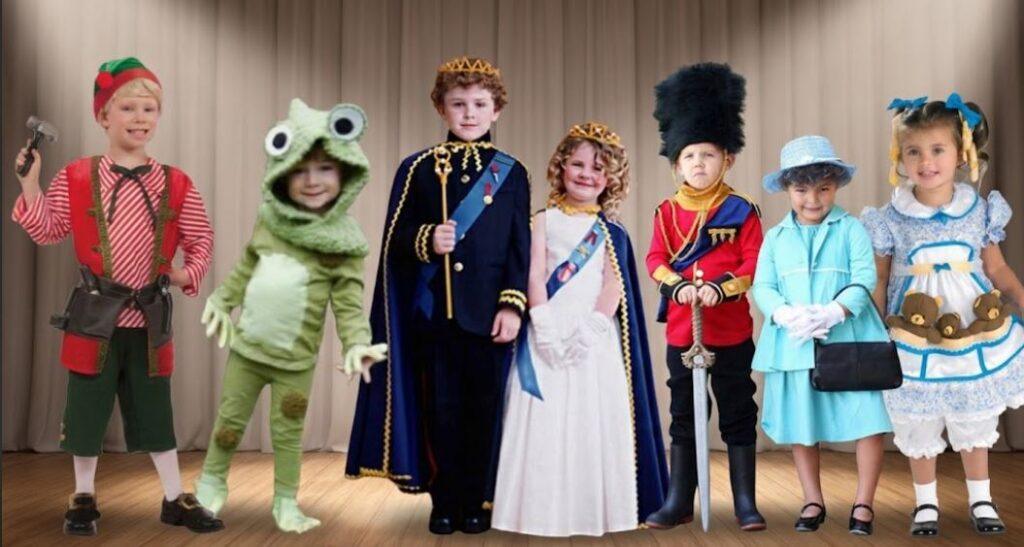
Fairy tale dress up day at school forces a collision between fictional aesthetics and strict institutional rules. Parents face the task of sending a child into a high-energy environment wearing clothing originally designed for animated characters or theatrical stages. The garment must survive cafeteria spills, playground friction, and physical education classes without restricting the child’s movement or violating school safety codes. Success relies entirely on treating the costume as a functional piece of activewear rather than a static piece of formal wear.
Balancing visual recognition with physical comfort requires a calculated approach to garment construction. A full-length velvet cape and a plastic crown look excellent in a morning photograph. Those exact same items become heavy, distracting burdens by the time the lunch bell rings. Constructing a successful outfit means prioritizing the child’s autonomy, analyzing the breathability of the textiles, and understanding the physical demands of a modern classroom.

The Psychology Behind Character Selection
Children gravitate toward characters that offer a specific type of power. Knights offer physical strength and protection. Royal figures command social authority and respect. Animal characters provide a sense of wild freedom and humor. Allowing the child to dictate their character choice provides a valuable exercise in self-expression.
Participating in these themed events directly supports cognitive development. Research on the benefits of dramatic play confirms that adopting a persona helps children practice empathy, test social boundaries, and develop advanced conflict-resolution skills. A child dressed as a brave woodsman might approach a playground challenge with more confidence than they would in their standard daily clothing. The outfit acts as a psychological tool, giving the student permission to explore different facets of their personality in a safe, structured environment.
Structural Requirements For The Classroom Environment
Safety and autonomy dictate the base design of any school-bound outfit. The child must have the ability to use the restroom without adult intervention. Full-body jumpsuits with complicated back zippers fail this structural test immediately. Heavy hoop skirts prevent a student from sitting comfortably cross-legged on a reading rug. Teachers cannot spend the morning untangling intricate laces or re-pinning collapsed accessories.
Hemlines demand strict attention. A floor-skimming dress presents a severe tripping hazard on staircases and asphalt play areas. The fabric should terminate at the mid-calf or higher. Capes require total reinvention for school settings. Traditional neckties present a strangulation risk on slides and climbing frames. Any cape or cloak must attach to the shoulders of the shirt using a breakaway velcro clasp. The fabric releases instantly upon snagging, keeping the child completely safe during active recess periods.
Material Selection And Fabric Performance
Commercial costumes frequently utilize cheap, non-breathable synthetic materials. Scratchy tulle, stiff organza, and heavy polyester trap body heat and cause immediate sensory discomfort. A child experiencing physical irritation will simply take the costume off, defeating the entire purpose of the event. Temperature regulation in schools fluctuates wildly between hot classrooms and cold outdoor spaces. Layering provides the only reliable defense against these shifts.
Building the costume over a comfortable, breathable base layer eliminates sensory friction. Integrating standard children’s fairy tale clothing made from high-quality cotton reduces the artificial feel of the outfit. A soft cotton tunic or a jersey-knit dress functions exactly like normal play clothes, allowing the child to focus on their schoolwork rather than a scratching seam.
| Fabric Type | Breathability | Durability | School Day Application |
| Cotton Knit | High | High | Base layers, tunics, leggings, daytime dresses |
| Polyester Satin | Low | Low | Accents, detachable overskirts, short capes |
| Stiff Tulle | High | Low | Short skirts (must feature a soft inner lining) |
| Heavy Fleece | Low | High | Animal hoods, winter-weather layering pieces |
Executing Classic Character Silhouettes
Creating a recognizable character does not require an exact, movie-studio replica. The human brain identifies characters through specific color blocking and broad geometric shapes. A red hoodie worn over denim overalls instantly reads as a lumberjack or woodsman. A light blue cotton dress paired with a white canvas apron communicates Alice in Wonderland with total clarity.
For knight or warrior costumes, replace heavy plastic chest plates with a soft felt tunic worn over standard gray sweatpants. Cut the bottom of the tunic into a classic battle-ready point and secure the waist with a simple leather belt. This provides the exact visual silhouette of medieval armor with the physical comfort of pajamas.
Constructing a royal silhouette requires abandoning the traditional ballgown. A simple A-line dress in a saturated jewel tone provides a regal foundation. Adding a detachable faux-ermine collar or a small, soft fabric crown completes the visual narrative. The child retains total freedom of movement, and the outfit survives the rigors of finger painting and physical education.

Managing Footwear And Accessory Protocols
School dress codes strictly prohibit open-toed shoes, backless sandals, and elevated heels. The classic glass slipper holds zero practical value in a gymnasium. Customizing standard athletic sneakers bridges the gap between fantasy and compliance. Canvas shoes decorated with fabric paint, glitter, or ribbon laces offer a safe, compliant alternative that supports the child’s arches during intense physical activity.
Accessory management requires a ruthless editing process. School weapon policies ban swords, bows, arrows, and rigid wands. Bringing these items onto a campus guarantees confiscation by the administration. Replace banned props with soft, narrative-driven alternatives. A knight can carry a fabric satchel filled with “dragon scales” made from painted cardboard. A wizard can carry an aged, leather-bound notebook. A princess can bring a small stuffed animal sidekick. These soft props enhance the storytelling aspect of the outfit without violating any district safety codes.
Sustainable Sourcing And The Economics Of Costuming
Purchasing a brand-new, licensed costume for a single school day represents a poor economic investment. These garments often tear at the seams after a few hours of wear and end up in landfills. Building a costume from existing wardrobe staples establishes a highly sustainable, cost-effective habit.
Examine the child’s current closet for specific color palettes. Yellow and blue point toward Snow White. Green and brown form the base for Robin Hood or Peter Pan. Purchasing one or two small accessory items—like a pointed hat or a red cape—transforms normal clothing into a complete thematic presentation. This approach requires less financial output, provides higher physical comfort, and teaches the child to view their clothing through a creative, analytical lens.
Fairy tale dress up day at school presents an opportunity to merge structural problem-solving with high-level imagination. Prioritizing breathable fabrics, safe hemlines, and compliant footwear guarantees a successful experience. The child arrives ready to participate in the fantasy, fully equipped to handle the physical reality of the school day.