
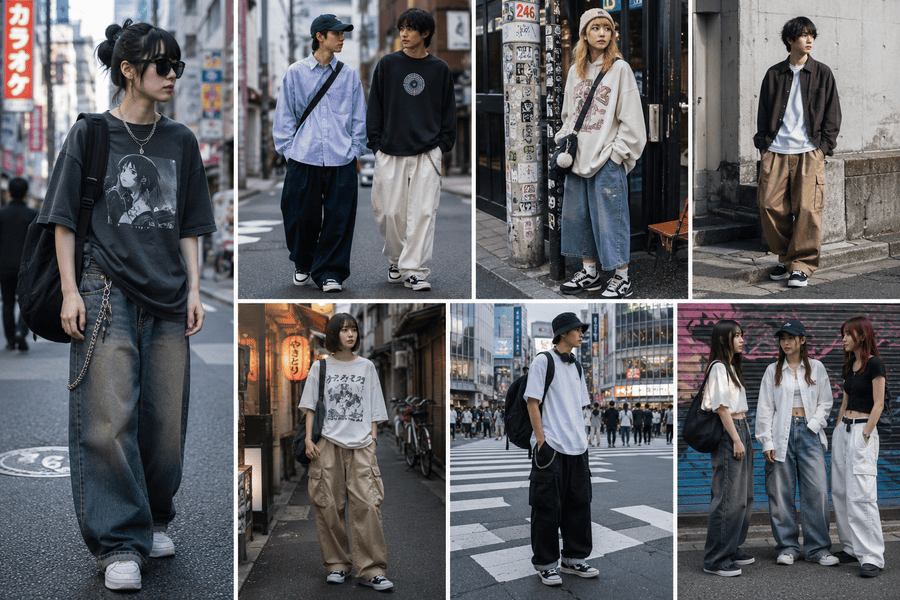
Tokyo dictates a massive portion of the global retail market. Visitors expecting to see wild, neon costumes often find a completely different reality when they exit the train station. The modern aesthetic seen in neighborhoods like Daikanyama, Shimokitazawa, and Nakameguro leans heavily on structure, proportion, and quiet utility. Casual Japanese street fashion relies on a strict set of rules governing volume and fabric. Both men and women adopt this specific approach to create outfits that look entirely relaxed but require serious mathematical thought to execute correctly.
The current movement entirely rejects the hyper-fitted, restrictive clothing of previous decades. People prioritize physical mobility and textile quality over obvious luxury branding. A successful outfit in this environment acts as a piece of soft architecture. You are building a shape around the human frame rather than simply wrapping fabric tightly against the skin. This approach requires discarding outdated western rules regarding body proportion and embracing a totally new visual language.
The Geometry Of Oversized Silhouettes
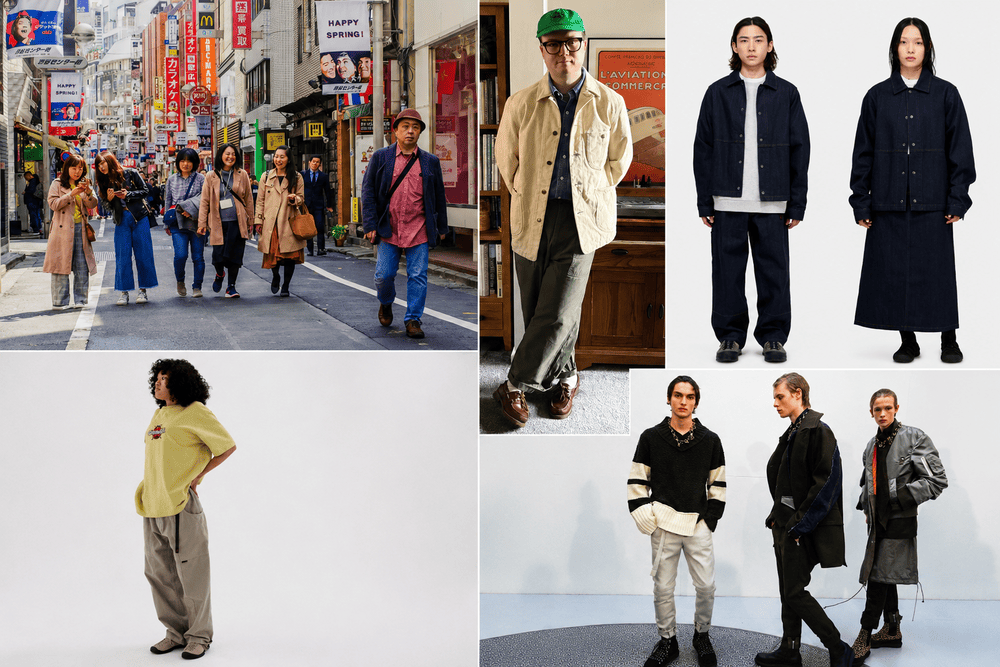
Western fashion traditionally focuses on highlighting the body’s natural lines. The Japanese approach frequently ignores the physical body underneath the clothing. Designers use the fabric to construct an entirely new, independent shape. Wide-leg trousers and dropped-shoulder shirts form a blocky, architectural silhouette prioritizing geometry over human anatomy.
For men, this translates to heavy balloon pants paired with boxy chore coats that fall straight down from the shoulder seam. For women, massive maxi skirts pair with oversized, heavy knitwear. The absolute lack of physical restriction provides immense comfort for moving through a dense urban environment. The precision of the tailoring keeps the wearer from looking sloppy or unkempt. A heavy wool sweater falling slightly off the shoulder looks highly intentional. The neckline, hem, and cuffs remain perfectly structured. The garment holds its own shape, standing away from the body rather than clinging to it.
Achieving this look requires purchasing clothes specifically cut to be oversized. Buying a standard t-shirt three sizes too large results in a poorly fitted, awkward garment. Authentic oversized Japanese garments feature standard necklines and proper sleeve lengths paired with exaggerated widths and dropped shoulder seams. This deliberate engineering creates the signature draped effect.
Premium Textiles And The Mastery Of Woven Fabrics
Fabric quality dictates the success of these oversized shapes. A massive shirt made from cheap, thin cotton simply collapses on the body, looking like a deflated parachute. Japanese brands utilize heavyweight cotton jersey, stiff canvas, and dense wools to hold specific geometric shapes intact throughout the day. The weight of the material creates a deliberate, heavy drape that visually grounds the outfit.
The manufacturing techniques play a massive role in the final aesthetic. Many premium Japanese labels use vintage loopwheel machines to knit their cotton garments. These slow-moving machines create a dense, tubular fabric completely devoid of side seams. The resulting t-shirts and sweatshirts possess a heavy, slubby texture that holds its shape for decades. This dedication to slow, deliberate manufacturing creates garments that act as structural foundations rather than disposable seasonal items.
The Resurgence Of Heritage Denim
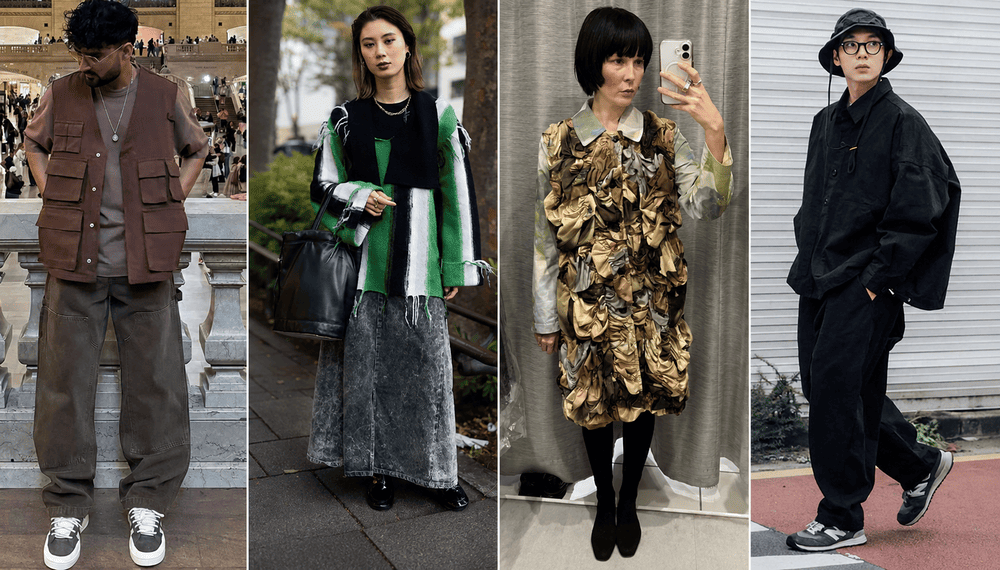
The country holds absolute dominance in premium denim production. Vintage shuttle looms in the Okayama prefecture produce raw, stiff fabrics that mold to the wearer over years of heavy, continuous use. Style enthusiasts study Japanese denim brands to understand exactly how the specific weight and tension of the weave affect the final garment. A stiff, unwashed indigo jacket provides a rigid counterpoint to soft, flowing wide-leg trousers. This exact contrast between rigid and fluid materials defines the daily uniform across the city.
Raw denim requires a break-in period. The fabric starts incredibly stiff, almost like cardboard. Months of daily wear soften the cotton fibers, creating custom fade patterns that reflect the exact lifestyle of the owner. This personalization process aligns perfectly with the Japanese concept of wabi-sabi, finding beauty in imperfection and the natural aging of materials. Both men and women utilize heavy selvedge denim to anchor their softer, oversized upper layers.
The Mechanics Of Complex Layering
Layering in Tokyo goes far beyond simple temperature control. The technique builds necessary visual depth and breaks up large, flat blocks of color. A standard outfit often features three distinctly visible hemlines. A long white cotton t-shirt extends past a shorter wool sweater, and that sweater sits just under a cropped nylon bomber jacket. This highly calculated stepped effect draws the eye up and down the frame, breaking up horizontal lines.
Women frequently layer sheer silk dresses directly over heavy raw denim jeans. This specific styling trick mixes formal and highly casual elements in a single look, destroying traditional dress codes. Men layer utilitarian, multi-pocket vests over classic button-down oxford shirts. This method requires a deep, functional knowledge of fabric weights. Heavy items always sit on the outside to prevent the inner, lighter layers from bunching awkwardly. An outfit fails immediately if the base layer restricts the movement of the outer shell.
| Layer Position | Recommended Garment | Visual Function |
| Base Layer | Long white loopwheel t-shirt | Provides a clean, contrasting hemline |
| Mid Layer | Heavyweight cotton cardigan | Adds texture and insulation |
| Outer Shell | Cropped nylon bomber jacket | Creates a structural, boxy silhouette |
| Bottoms | Wide-leg canvas balloon pants | Balances the volume of the upper layers |
Integrating Utilitarian And Workwear Elements
Blue-collar utility gear heavily influences the current casual uniform. Chore coats, carpenter pants, and multi-pocket fishing vests migrated directly from construction sites and rural environments to high-end boutiques. Japanese designers strip these functional garments of their rough, unrefined edges.
They recreate a standard mechanic’s jacket using premium worsted wool or high-thread-count gabardine cotton. The functional pockets, hammer loops, and reinforced knees remain intact. The execution feels highly luxurious. This blend of working-class practicality and high-end manufacturing creates clothes that survive brutal daily urban commutes while looking immaculately finished. The wearer gains the utility of a heavy toolbox with the elegant drape of a luxury suit. Pockets replace the need for heavy bags, distributing weight evenly across the torso.
Gender Fluidity In Everyday Wardrobe Choices
The casual street style scene effectively erases strict gender boundaries in clothing. Retailers frequently merchandise stores without clear, segregated men’s or women’s sections. The focus remains entirely on the garment’s cut, fabric, and utility. The clothing serves the individual rather than forcing the wearer to conform to traditional gender expectations.
Women regularly purchase men’s heavy coats to achieve the desired dropped-shoulder effect. The larger armholes and wider cuts provide a relaxed, commanding presence. Men wear wide, flowing culottes and extremely baggy trousers that mimic the volume of skirts to balance heavy workwear jackets. This shared wardrobe approach creates a highly unified aesthetic across the city. The same oversized white button-down shirt functions perfectly on any gender when styled with the correct proportions.
Color Theory And The Dominance Of Neutrals
Neutral tones form the absolute foundation of the aesthetic. Black, charcoal, olive green, heavy navy, and stark white completely dominate the streets. These dark, grounded colors allow the complex, oversized silhouettes to remain the focal point. Bright, aggressive colors distract the eye from the architectural cut of the clothing.
Building a wardrobe around these specific shades makes daily dressing highly efficient and mathematical. Incorporating core pieces from a casual wardrobe essentials guide aligns perfectly with this philosophy, allowing every item to match seamlessly with the rest of the closet. When residents do introduce color, they use it with extreme, calculated restraint. A muted mustard yellow sock peeking out from a heavy black leather boot, or a washed-out indigo scarf worn over a flat grey coat, provides just enough visual friction without ruining the stark profile of the outfit.
The Influence Of Vintage Americana
Modern casual Japanese street fashion owes a massive debt to mid-century American clothing. Following the Second World War, Japanese youth began adopting classic Ivy League styles, vintage military surplus, and rugged workwear. They studied the button-down oxford shirt, the classic Levi’s 501 jean, and the MA-1 flight jacket with extreme academic rigor.
Japanese designers took these American staples and perfected the manufacturing processes. They sourced better cotton, utilized superior stitching techniques, and adjusted the cuts for a modern audience. Today, the highest quality “American” heritage garments are designed and manufactured entirely in Japan. This cultural exchange created a unique hybrid aesthetic. You see a classic American collegiate cardigan styled over a traditional Japanese kimono-collar shirt, creating a look completely unique to the streets of Tokyo.
Footwear As The Structural Foundation
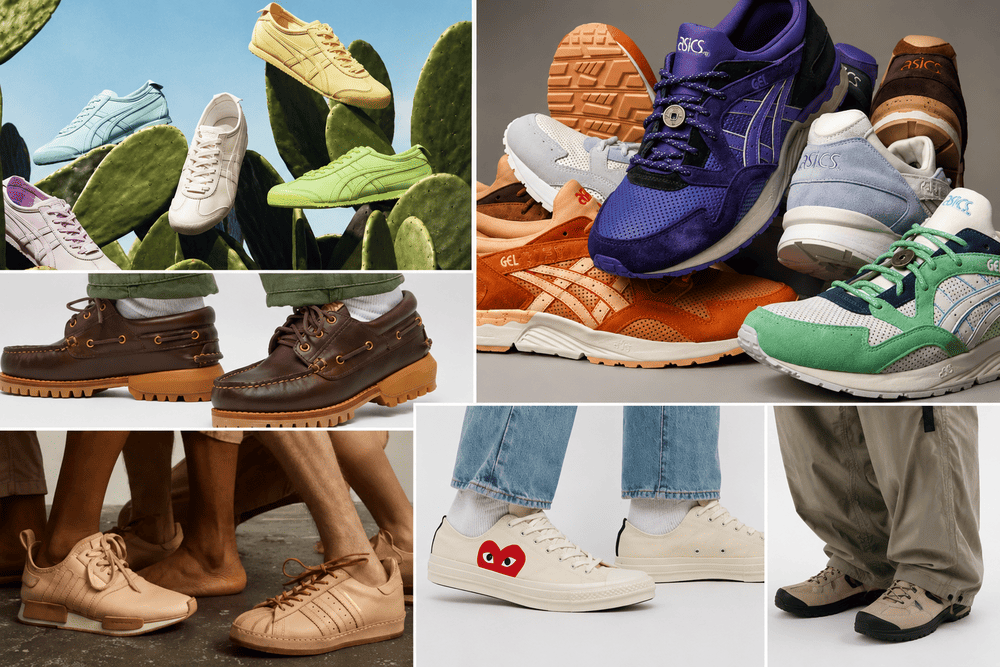
The massive volume of the clothing requires heavy footwear to visually anchor the wearer to the ground. A delicate, thin-soled shoe gets completely lost under a pair of wide barrel-leg trousers. The outfit ends up looking top-heavy and entirely unbalanced. Men and women rely on chunky, thick-soled sneakers and heavy leather derby shoes to finish the silhouette.
Technical running brands dominate the casual footwear space, providing necessary visual bulk and intense physical support for long days walking on concrete. The shoes often feature aggressive rubber treads, thick midsoles, and complex technical lacing systems. This highly mechanical footwear contrasts sharply with the soft, flowing natural fabrics worn above them. Classic leather loafers feature exaggerated lug soles to provide similar visual weight, bridging the gap between formal footwear and rugged streetwear.
Accessories And Functional Hardware
Accessories in this aesthetic serve clear, functional purposes. Extraneous jewelry or flashy, branded hardware ruins the quiet discipline of the clothing. Tote bags crafted from heavy canvas or untreated leather dominate the commuter landscape. These bags age alongside the denim and wool garments, developing a matching patina over time.
Bucket hats and short beanies provide weather protection and finish the architectural shape of the head. Hardware remains minimal and matte. Shiny gold zippers or massive logos are rejected in favor of oxidized silver buttons, hidden zippers, and tonal stitching. The focus stays entirely on the drape of the fabric and the silhouette of the wearer.
Adapting The Tokyo Aesthetic For Global Climates
Applying casual Japanese street fashion outside of Tokyo requires adjusting the fabric weights for local weather conditions. The heavy, layered aesthetic thrives in temperate and colder climates. Replicating this look in a tropical environment demands textile substitution.
Heavy cotton jersey gets replaced by stiff linen blends. The oversized silhouette remains identical, but the breathable fabric prevents the wearer from overheating. A wide-leg linen trouser provides the same architectural drape as a canvas carpenter pant with a fraction of the thermal retention. The cropped bomber jacket transitions into an unlined, short-sleeve poplin shirt worn completely open over a lightweight tank top. The rules of volume and proportion apply perfectly across all temperature ranges.
The Psychology Of Anti-Fit Clothing
Wearing oversized, anti-fit clothing alters the psychological state of the wearer. Tight, restrictive clothing demands constant physical awareness. The wearer must suck in their stomach, monitor their posture, and constantly adjust riding hems. Casual Japanese street fashion completely eliminates this physical anxiety.
The heavy, draped fabrics create a protective barrier between the individual and the crowded urban environment. The wearer moves freely, entirely unconcerned with displaying their physical body. This results in a highly relaxed, deeply confident posture. The clothing acts as a form of soft armor. You command physical space through the sheer volume of your garments.
Maintenance And Longevity Of Premium Garments
The high initial cost of these premium Japanese garments requires a shift in consumer habits. These items are not designed for a single season. They require specific maintenance routines to ensure they last for decades. Heavy wools and raw denim rarely see the inside of a standard washing machine.
Owners rely on spot cleaning, natural air drying, and professional dry cleaning to maintain the structural integrity of the fibers. Denim gets soaked in cold water to preserve the dark indigo dye. Wool sweaters are folded flat rather than hung on hangers to prevent the heavy fabric from stretching the shoulder seams out of proportion. This dedicated maintenance routine deepens the relationship between the wearer and the wardrobe, reinforcing the core philosophy of deliberate, highly calculated personal style.