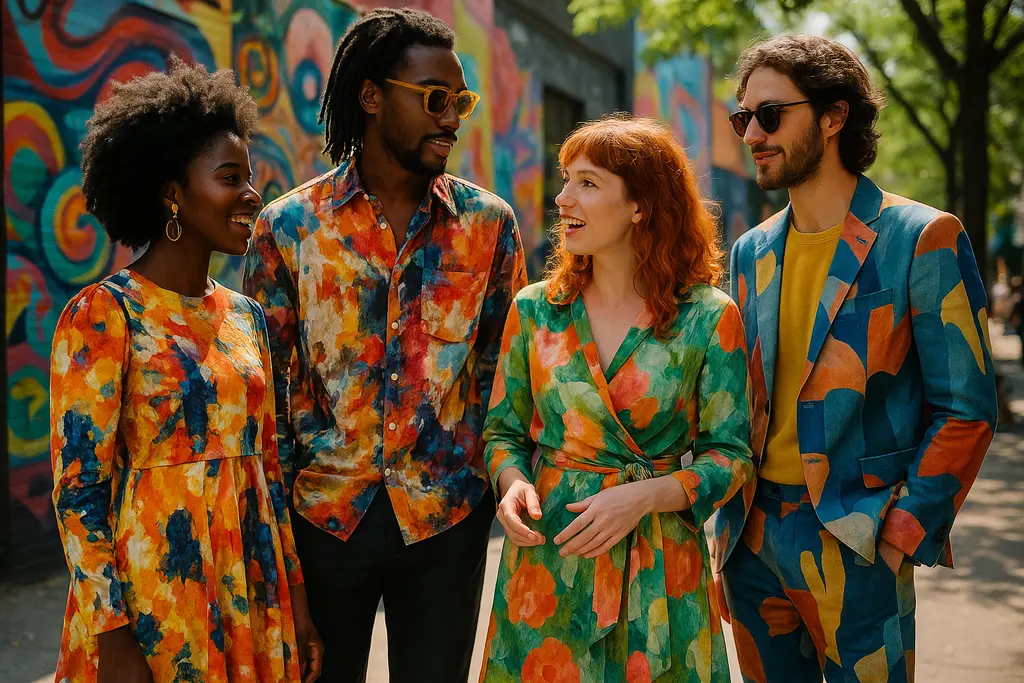
Art Fashion Fusion 2026 in Rockville, Maryland, listed publicly as Art & Fashion Fusion 2026, gives fashion observers a local case study in how cultural programming, accessories, and wearable styling cues can meet in one event setting. The public listing places the two-day event at Lakewood Country Club on July 11–12, 2026, and describes a program centered on culture through art, fashion, business, wellness, and community engagement event listing. That is a useful but narrow evidentiary base: it confirms the frame, venue, and stated themes, not every garment, vendor display, or attendee outfit. Any trend reading should treat the event as a local cultural lens rather than a fully documented fashion week.
What Art Fashion Fusion Confirmed
Art Fashion Fusion As A Community Format
The strongest confirmed fact is the event’s hybrid structure. Rather than separating art, clothing, wellness, and business into isolated categories, the listing presents them as a shared cultural program. That matters because fashion events outside major runway capitals often work through proximity: garments appear near artworks, small businesses, social gatherings, and personal styling conversations. The format encourages visitors to read clothing not only as retail product, but also as a form of identity display and community participation.
For a fashion reader, Art Fashion Fusion functions less like a trend authority and more like a signal amplifier. If a handbag shape, denim cut, or scarf print appears in this kind of environment, its meaning changes. It is no longer only a runway idea or a product-page photograph; it becomes part of how local attendees dress for a cultural gathering. That distinction is especially relevant for DIY dress-up makers, who often translate broad style movements into personal, handmade, or rental-friendly looks.
Why The Venue Context Matters
Lakewood Country Club is not described in the source as a museum, a runway venue, or a retail market. That limitation prevents a strong claim about curatorial direction. Still, the venue detail helps set expectations. A country club setting usually suggests a more polished social environment than a street fair or warehouse showcase. Based only on the listing, the safest interpretation is that the event likely favored presentation, networking, and cross-disciplinary participation over purely experimental runway staging. The aesthetic reading should stay modest: cultural refinement is supported by the event description; specific visual outcomes require more documentation.
Accessories As The Clearest 2026 Signal
Flat, Horizontal, And Pouch Forms
The most concrete trend material in the supplied research concerns handbags, and it aligns well with a fashion-and-art event because accessories are easy to read in social spaces. Who What Wear identifies five major 2026 bag directions: the flat tote, the new classics, the embellished bag, the east-west tote, and the pouch bag 2026 bag trends. These categories suggest a move away from one dominant handbag profile. Instead, the accessory field splits between low-profile utility, familiar luxury codes, soft gathered shapes, and decorative surface work.
The flat tote and east-west tote are especially important for an event setting. Both favor width, proportion, and line over heavy ornament. A horizontal bag can visually echo architectural space: long tables, gallery walls, or the broad visual plane of a formal venue. The pouch bag works differently. Its gathered form reads softer, closer to fabric play than rigid leather craft. For dress-up play, that shape is accessible because makers can approximate the mood with drawstring construction, satin remnants, or thrifted scarves without copying a protected design.
Embellishment Without Costume Confusion
The embellished bag points toward a different tension: decoration versus character imitation. Tassels, beads, fringe, and other surface details can help a simple bag feel theatrical, but they should not be treated as permission to reproduce a recognizable fictional prop or a living designer’s signature arrangement. For fairytale-inspired styling, the safer and more artistically respectful approach is to use general craft languages: pearl edging, ribbon knots, pressed-flower colors, or bead clusters that suggest enchantment without replicating a specific copyrighted character design.
This is where local fashion events become useful for creators. A visitor can observe scale, texture, and styling balance without turning another artist’s work into a template. A small pouch with irregular beads may suggest a woodland banquet mood; a flat tote in a deep wash of blue may suggest storybook travel; a fringed evening bag may suggest courtly motion. These are broad aesthetic impressions, not direct copies. That difference matters for sellers, costumers, and parents building dress-up wardrobes for children.
Clothing References With Uneven Evidence
Denim, Scarves, And Structure
The supplied research also names denim evolution, scarf-patterned collections, minimalist silhouettes with richer textures, and reworked wardrobe staples. Because the permitted source set does not document these elements inside the Rockville event itself, they should be discussed as broader 2026 context rather than confirmed on-site trends. The notes describe deeper indigo jeans, slim cigarette-like shapes, high-rise slim flares, sculptural cuffs, and long loose denim. If those forms appeared around the event, they would support a wider movement toward denim that feels more dressed and less distressed.
Scarf-patterned clothing offers a natural bridge between fashion and art. A scarf print can carry borders, medallions, florals, equestrian cues, or abstract color blocks, all of which behave almost like framed images on the body. In a cultural event setting, that graphic logic can read as wearable composition. For readers comparing this Rockville-focused interpretation with seasonal runway analysis, the site’s Spring/Summer 2026 fashion forecast provides a separate fashion-calendar frame.
Pattern, Revival, And Interior Motifs
The research notes mention polka dots, stripes, 1980s power-dressing references, and Ancient Roman “unswept tiles” as related aesthetic material. These claims are useful as mood indicators, but they require care. Polka dots and stripes are longstanding pattern systems, not new inventions. Their 2026 relevance depends on scale, placement, color contrast, and styling. A small dotted blouse under a sculpted blazer has a different cultural effect from oversized dots on a full skirt.
The 1980s references named in the notes—structured blazers, sculpted shoulders, funnel necks, wide-leg trousers, and chunky gold jewelry—also need context. They can produce authority and theatricality, but they can easily slide into parody if copied as a costume set. A more current reading isolates one structural cue: a strong shoulder with plain trousers, or a funnel neck with minimal jewelry. The Roman tile reference sits even farther from direct apparel evidence, yet it is relevant to art-fashion thinking because trompe l’oeil surfaces, mosaic logic, and arranged “debris” motifs all concern the relationship between ornament and illusion.
Rights-Aware Styling For Creators
Cultural Reference Versus Direct Imitation
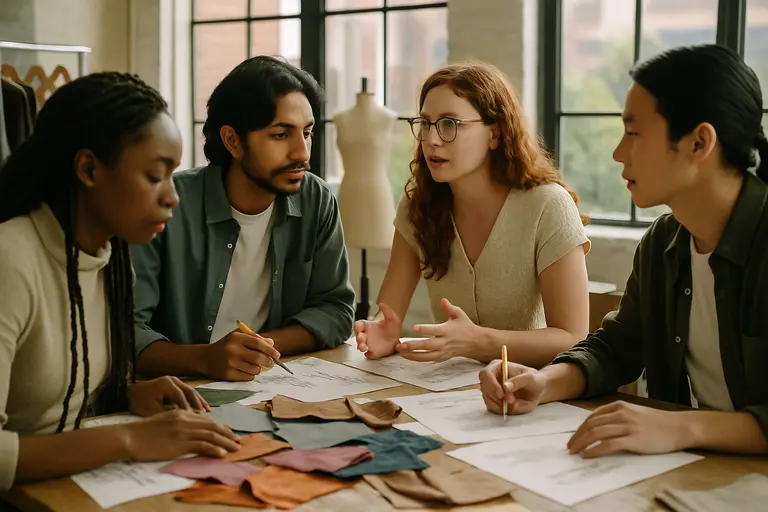
Creators who sell accessories, costumes, or handmade dress-up pieces should separate cultural inspiration from direct replication. A Roman mosaic idea can inspire broken-tile geometry, muted stone colors, or food-market motifs without reproducing a specific artwork. A scarf-print mood can inspire borders and symmetrical panels without copying a brand’s print. A fairytale pouch can suggest a magical object through materials and proportion without borrowing a recognizable screen design or character likeness.
This cautious approach also protects artistic integrity. Fashion and costume culture are built from reference, but reference is strongest when it is interpreted rather than traced. For a small seller, that may mean documenting original sketches, changing motifs, avoiding protected names in product titles, and describing work through general aesthetic language. This is not legal advice; it is a practical creative standard that reduces confusion and respects the source material that inspires new work.
DIY Adaptation For Dress-Up Play
For DIY dress-up play, the event’s mixed cultural framing suggests a useful method: choose one dominant style signal and keep the rest simple. A child’s or adult’s storybook outfit could start with a soft pouch bag, a scarf-print sash, or a structured blazer. The maker can then build a character mood through color and shape rather than exact imitation. This keeps the project open-ended, which is often more useful for imaginative play than a single fixed costume identity.
- Accessory-led look: Use a pouch or flat tote as the central prop, then keep clothing plain enough to let texture lead.
- Pattern-led look: Use dots, stripes, or scarf borders as graphic cues, not as copies of a known print.
- Structure-led look: Use a shoulder shape, flare, or cuff as the design focus, then avoid stacking too many revival references.
Art Fashion Fusion And Local Style Signals
A Cautious Reading Of The Event
The most defensible reading of Art Fashion Fusion is that it reflects how 2026 style ideas can circulate through community events before they become fully documented local trends. The confirmed event frame supports a cultural and social interpretation. The handbag reporting supports a concrete accessory framework. The other research notes provide possible aesthetic context, but they should not be treated as verified Rockville observations without event photography, designer credits, vendor lists, or attendee documentation.
That caution does not weaken the fashion value of the topic. It makes the analysis more useful. Rockville’s event can be read as a meeting point for polished accessories, art-aware pattern, refined casual dressing, and creator-friendly styling. For fairytale fashion makers, the best lesson is restraint: borrow the logic of proportion, texture, and mood, then build original pieces that leave room for play. In that sense, the event’s value sits not in declaring one dominant trend, but in showing how cultural fashion can be interpreted with care.