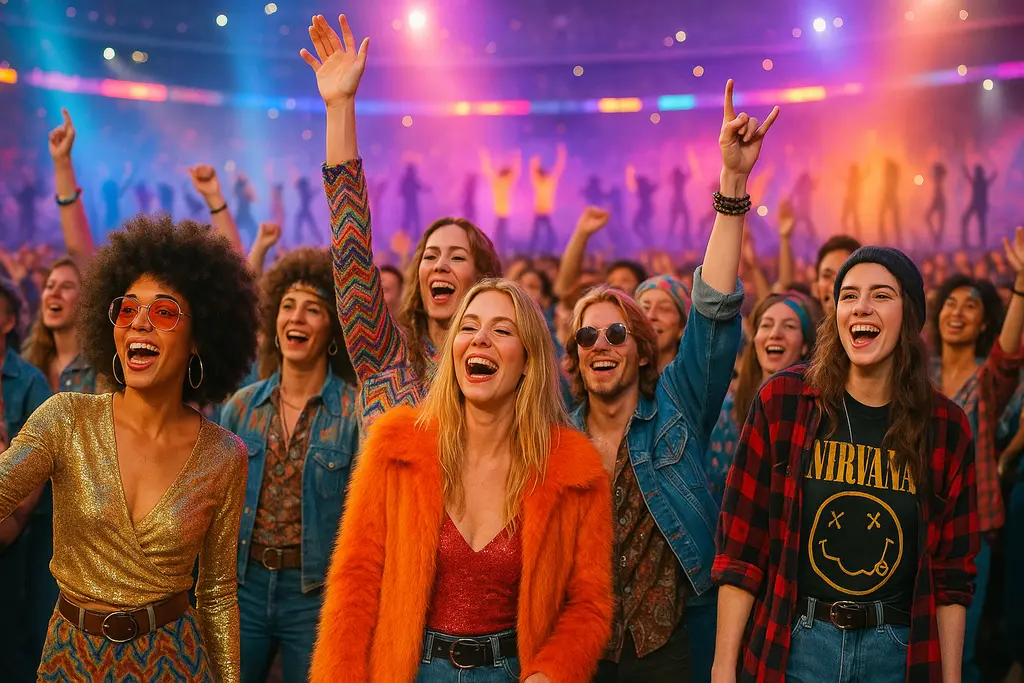
The rise of arena tour fashion around Taylor Swift’s Eras Tour is best read as a large-scale dress-up system rather than a simple retail trend. The available evidence supports caution: the tour’s commercial scale was extraordinary, and fan outfit participation was visible across social platforms, but not every glitter dress or color-coded look can be traced to one performer. What can be assessed is the structure of participation. Fans used clothing to identify eras, signal belonging, and turn an arena seat into a participatory costume space.
Arena Tour Fashion And The Eras Effect
Why Arena Tour Fashion Reads Like Costume Culture
Taylor Swift’s Eras Tour grossed an estimated $2.2 billion, which Pollstar described as the highest-grossing tour ever, according to AP News. That scale matters because costume culture often grows where repetition, shared references, and public visibility meet. A tour that moves through multiple cities gives fans repeated chances to compare outfits, adapt ideas, and refine how a musical “era” becomes clothing.
Vogue reported that TikTok’s #ErasTour hashtag had 4.1 billion views and #ErasTourOutfits had more than 357 million views, while framing arena tours as a force pulling attention away from older festival-style dressing habits Vogue. Those figures do not prove a single cause for every purchase, but they do show that fan attire became a major visual conversation. In that sense, arena tour fashion operates like a shared code: viewers understand the reference only because thousands of others have learned the same visual language.
Scale Without Overclaiming
The Eras Tour offers an unusually clear case because its basic concept invited comparison between periods of an artist’s work. That structure gave fans a reason to dress by mood, palette, silhouette, or lyric association. Still, a cautious reading avoids saying the tour created every concert costume trend. Sequins, fringe, boots, bright colors, and dramatic makeup all existed long before this tour. The more defensible claim is narrower: the Eras format gave those familiar fashion elements a clear organizing logic for a specific fan community.
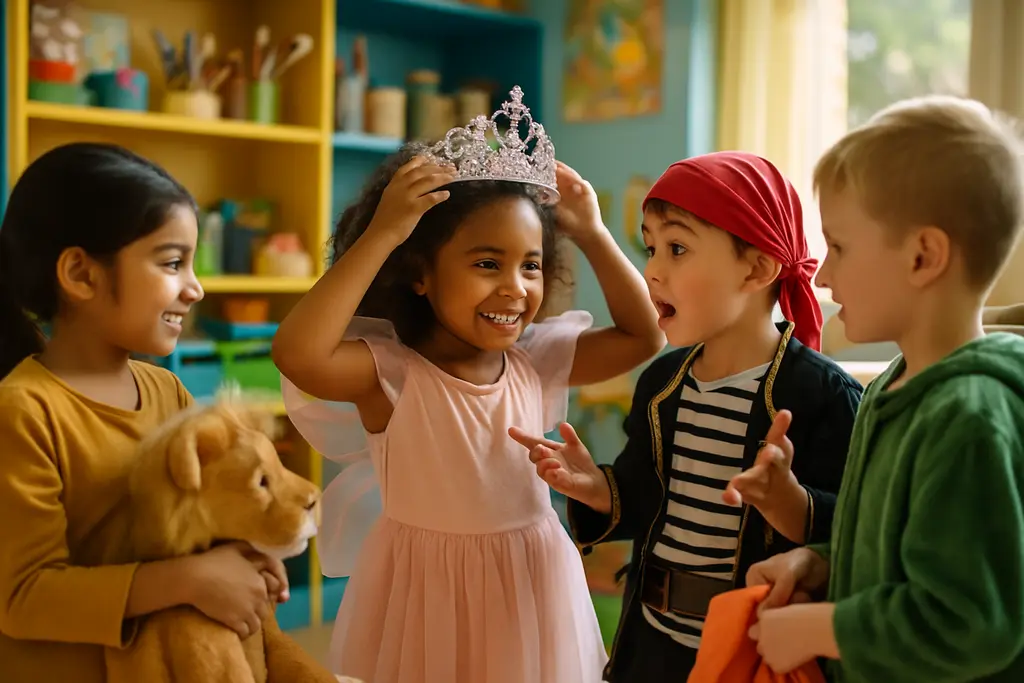
This is where dress-up play becomes culturally serious. In fairytale costuming, a cape can signal a traveler, a crown can signal authority, and a soft skirt can suggest enchantment without copying a single illustrated source. Eras-inspired concert dressing works in a comparable way. Fans can use color, texture, and proportion to suggest a chapter of music without reproducing a stage costume. The useful lesson for arena tour fashion is that recognition often depends on selective signals, not exact duplication.
Costume Codes, Not Literal Replicas
Reading The Era As A Design Brief
A strong themed concert look usually begins with interpretation. A fan does not need to copy a performer’s wardrobe to communicate an idea. A softer approach treats each era as a design brief: choose one dominant color family, one texture, and one accessory category. This produces a look that feels intentional while leaving room for comfort, budget, and personal taste.
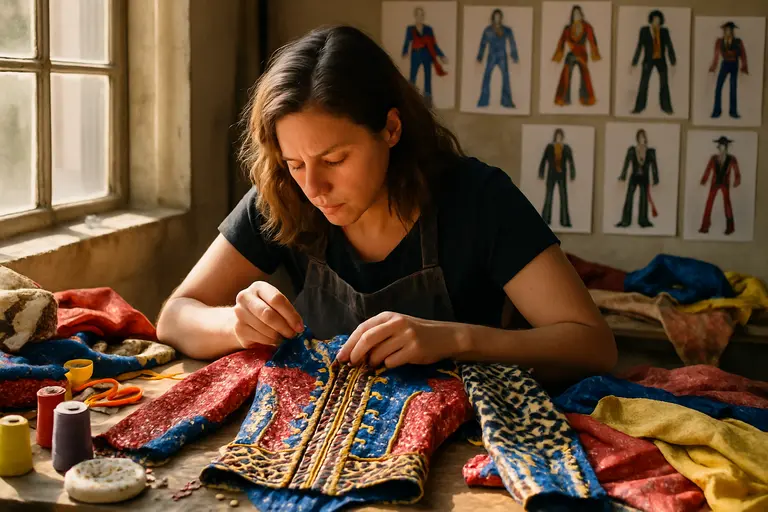
For DIY makers, this distinction protects both creativity and respect for original works. Stage costumes are designed for performance, lighting, movement, and brand identity. Fan outfits are worn in queues, transit, venue seats, and crowded concourses. A handmade jacket, thrifted dress, or altered skirt can echo a concert mood while remaining an original garment. This is especially relevant for sellers, who should avoid implying official affiliation, copying protected imagery, or using celebrity likenesses without permission. That is a rights-clearance concern, not a styling obstacle.
Fairytale Logic In Pop Concert Dressing
As Adrian Vale might frame it, the Eras Tour demonstrates how modern fans use fairytale logic without needing literal fantasy costumes. A color can act like a spell. A silhouette can create a character. A small prop can make a group photo legible. The arena becomes a temporary court, and the ticketed audience becomes a costumed assembly. That does not make every outfit theatrical in a formal sense, but it does show how dress-up supports group identity.
The best costumes usually leave room for the wearer. A floor-length cloak may look striking in a staged photograph, but it can be unsafe or impractical in a crowded venue. A lighter version, such as a short capelet, ribboned shoulder detail, or removable overskirt, can carry the same fairytale reference with fewer problems. This principle suits arena tour fashion because the setting rewards instant readability, but the wearer still has to sit, walk, dance, and pass through security screening.
Maker Strategy For Themed Concert Looks
DIY Choices That Survive The Venue
Concert costuming benefits from a practical hierarchy: comfort first, reference second, spectacle third. A costume that fails after an hour rarely serves the wearer. Shoes need to handle standing time. Fabrics should not shed excessively. Accessories should not block another audience member’s view. These points may sound plain, but they are often the difference between a clever look and one that becomes a burden.
- Use one clear reference. A single color story or texture is easier to read than five competing ideas.
- Build removable drama. Detachable sleeves, clip-on bows, and light overlays allow movement and temperature control.
- Avoid false official cues. Handmade does not mean licensed, and sellers should describe work honestly.
- Photograph materials clearly. Buyers and friends need to know whether an item is glittered, beaded, printed, or sewn.
For independent makers, arena tour fashion can create demand for themed pieces, but that demand carries responsibility. Product descriptions should be careful with names, likeness, lyrics, and symbols tied to protected work. A safer route is to sell broader concert-ready items: starry hair clips, color-based skirts, theatrical gloves, or fairytale-inspired wraps that do not claim official status. Additional insights on creator-culture can be gleaned from reading related materials at Robsonic, which explores the intersection between fan communities and handmade commerce.
Why The Retail Signal Is Hard To Isolate
The research notes suggest local retailers and broader fashion sellers benefited from concert demand, but the strongest allowed evidence here points to scale and social visibility rather than precise retail causation. That distinction matters. A viral outfit hashtag can encourage shopping, closet remixing, borrowing, or DIY alteration. Without consistent sales data from retailers, it is safer to say the tour created a highly visible occasion for themed dressing, not that it single-handedly changed the fashion market.
This caution does not reduce the cultural value of the trend. It clarifies it. The most credible reading is that fans used the tour as a deadline, a prompt, and a public stage for self-styling. That combination can be powerful even when the exact economic chain is difficult to verify.
Arena Tour Fashion As Shared Dress-Up
What The Eras Case Shows For Costume Design
The Eras Tour case shows that costume trends do not always begin with runway authority or seasonal retail calendars. They can begin with a shared story structure. Fans were not only dressing for a concert; they were dressing into a catalog of moods that other attendees could recognize. That makes arena tour fashion closer to participatory costume design than ordinary event dressing.
For designers, stylists, and DIY fans, the strongest takeaway is restraint. A successful themed look does not need to copy a famous garment. It needs a readable concept, a workable fit, and respect for the source material. The more durable lesson of arena tour fashion is that audiences now understand concerts as visual gatherings. Clothing becomes part of the event’s memory, but the most thoughtful outfits still protect comfort, originality, and artistic respect.