

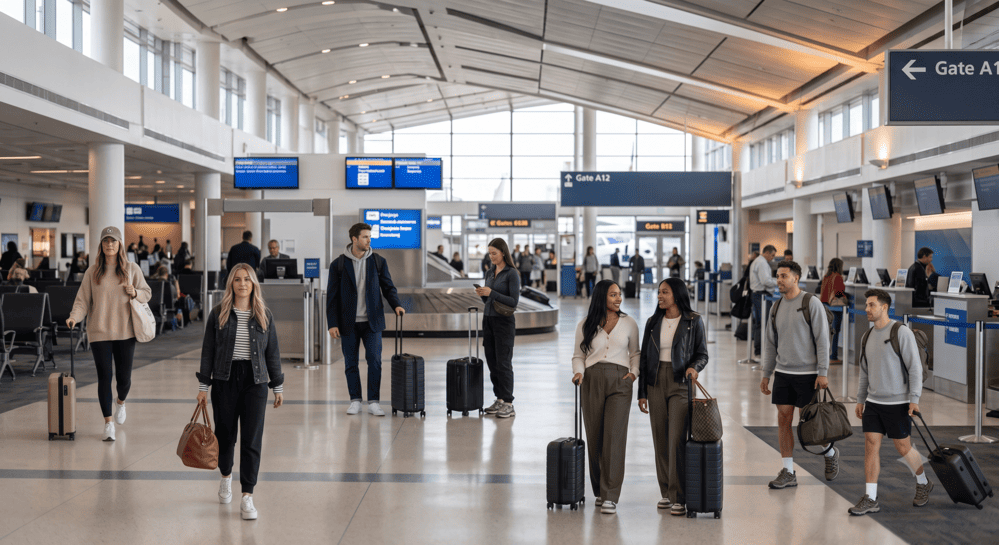
Modern air travel subjects the human body to extreme environmental shifts. Moving from a humid curb to an air-conditioned terminal, then sitting in a pressurized cabin, tests the limits of ordinary clothing. Visitors to airport terminals frequently witness two extremes. Some passengers wear rigid business suits. Others default to oversized pajamas. A functional middle ground exists between these two poles. Developing practical airport outfit ideas requires analyzing the physical demands of transit and selecting garments that perform under stress. Style and comfort coexist perfectly when travelers apply a strategic approach to their wardrobe.
The aviation environment presents a unique set of physical challenges. Cabin humidity drops to exceptionally low levels. Air pressure fluctuations cause joint stiffness and bodily swelling. Long periods of sitting restrict blood flow. The ideal travel uniform mitigates these biological reactions. Every garment must serve a specific functional purpose. Clothing choice directly impacts the physical recovery process after a long-haul flight.
Textile Composition And Physical Comfort
Textile composition dictates physical comfort during a long flight. Natural fibers outperform synthetic blends in temperature regulation and odor control. Merino wool acts as a highly efficient natural insulator. It pulls moisture directly away from the skin and neutralizes bacteria organically. Cashmere offers similar thermal benefits with a softer hand-feel, making it a highly requested material for luxury transit loungewear.
Cotton absorbs moisture well but dries very slowly. Heavy polyester traps heat against the skin, causing severe discomfort during unexpected runway delays. Industry professionals consistently analyze textile performance. Reliable travel fabric recommendations point entirely to natural, breathable weaves. Silk represents another excellent option for base layers. It weighs practically nothing and regulates body heat perfectly. Avoiding rigid, non-stretch materials remains a non-negotiable rule for any journey exceeding two hours.
Strategic Layering For Temperature Volatility
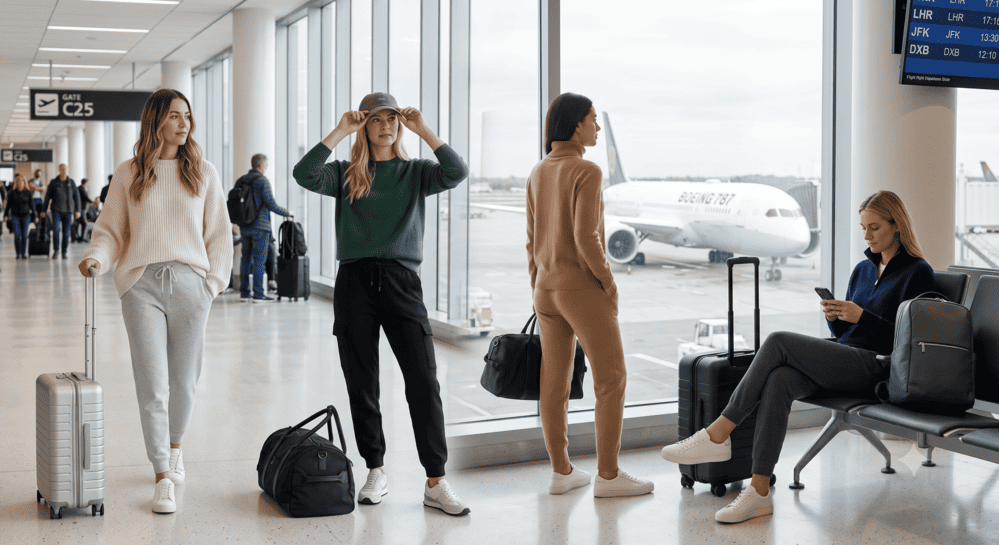
Temperature volatility remains a constant factor in commercial aviation. Cabins cycle rapidly between freezing and uncomfortably warm. A single heavy sweater causes immediate overheating. A thin t-shirt offers zero protection against aggressive cold air vents. The solution relies entirely on a three-part layering system.
The base layer rests directly against the skin. A silk camisole or a thin merino wool tank top works perfectly in this position. The mid-layer provides primary insulation. A lightweight cashmere cardigan or a fine-gauge cotton crewneck sweater serves this exact purpose. The outer layer acts as a structural shield. An oversized blazer, an unlined trench coat, or a soft wool ruana completes the architecture of the outfit. The traveler removes or adds these pieces in response to the cabin environment.
Footwear Selection And Security Efficiency
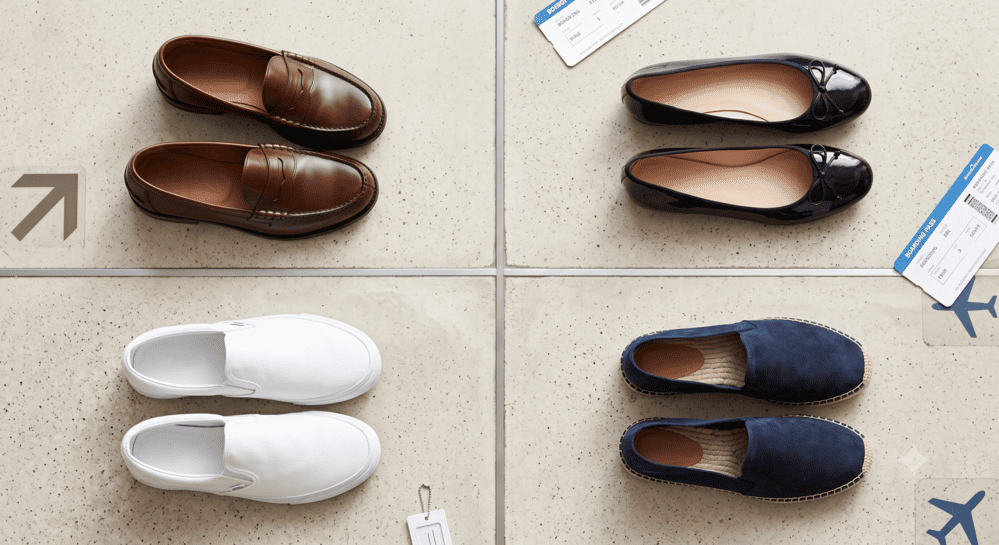
Security checkpoints disrupt the natural flow of travel. Footwear dictates the speed of this screening process. Lace-up boots and complex strappy sandals slow down the line and cause physical frustration. Slip-on silhouettes provide necessary efficiency. Leather loafers, classic ballet flats, or clean slip-on sneakers represent the absolute best options.
Cabin pressure causes feet and ankles to swell significantly at cruising altitude. Rigid leather shoes become painful after three hours in the air. Soft leather or suede construction accommodates this biological shift effortlessly. Compression socks represent a mandatory addition for any flight crossing international borders. They maintain healthy blood circulation and reduce deep vein thrombosis risks. Modern brands manufacture compression wear in sleek, opaque designs that resemble standard hosiery.
Redefining The Lower Half
Rigid denim presents a major liability in the air. Thick waistbands cut into the abdomen during prolonged sitting. Heavy seams cause painful pressure points along the legs. Tailored trousers featuring hidden elastic waistbands offer a vastly superior alternative. They project a polished, authoritative image at the check-in desk and provide sweatpant-level comfort in the seat.
High-quality knit joggers with a tapered leg offer another excellent option. Pairing these relaxed bottoms with a structured jacket creates a balanced, highly intentional silhouette. Plisse pleated trousers offer a highly textured, completely wrinkle-resistant solution for long flights. Exploring our internal guide on minimalist travel accessories helps complete this streamlined aesthetic. The goal is maintaining a sharp profile without sacrificing a single degree of physical comfort.
Minimizing Metal And Maximizing Utility
Metal detectors complicate accessory selection immensely. Heavy statement necklaces, stacked metal bracelets, and large buckles trigger security alarms immediately. These items require removal and repacking under intense time pressure. Minimalist jewelry streamlines the entire security protocol. Small gold hoops or a simple, flat chain pass through scanners without issue.
A large, soft scarf serves a brilliant dual purpose. It acts as a sophisticated accessory in the terminal and transforms into a warm blanket on the plane. Airlines frequently fail to provide clean blankets to passengers. Carrying a personal cashmere wrap guarantees warmth and hygiene. Small crossbody bags keep passports and boarding passes secure against the chest, freeing up the hands for pulling luggage.
The Mechanics Of The Personal Item
The personal item sliding under the seat requires careful structural selection. A rigid leather tote bag protects fragile electronics and important paper documents. Flimsy canvas bags offer zero protection and lose their shape instantly upon impact. The ideal travel bag features a heavy-duty zipper closure. Open-top totes spill their entire contents onto the floor during takeoff and heavy turbulence.
Compartmentalized interiors keep items separated and immediately accessible. Rummaging blindly for a charging cable in a dark cabin causes unnecessary stress. A bag with designated pockets for a laptop, a water bottle, and a cosmetics pouch keeps the traveler organized. Darker colors hide scuffs and stains accumulated from being shoved under dirty airplane seats.
Navigating Extreme Climate Transitions
Flying between different climate zones introduces a specific wardrobe challenge. Leaving a snowy city for a tropical island requires a highly strategic packing approach. The transit outfit must function seamlessly in both environments.
| Departure Climate | Arrival Climate | Base Outfit | Strategic Outerwear |
| Freezing / Snowy | Tropical / Humid | Silk tank top, lightweight linen trousers | Heavy wool coat (carried, not packed) |
| Tropical / Humid | Freezing / Snowy | Fine-gauge long sleeve, tailored joggers | Packable down jacket in carry-on |
| Mild / Temperate | Desert / Arid | Short sleeve cotton t-shirt, midi skirt | Oversized unlined blazer |
Wearing the heaviest items on the plane saves valuable luggage space. A heavy wool coat takes up half a suitcase. Carrying it over the arm or stowing it in the overhead bin solves this spatial issue entirely. Upon arrival in the warm climate, the traveler simply removes the heavy outer layers and relies on the breathable base garments.
Elevating The Business Class Aesthetic
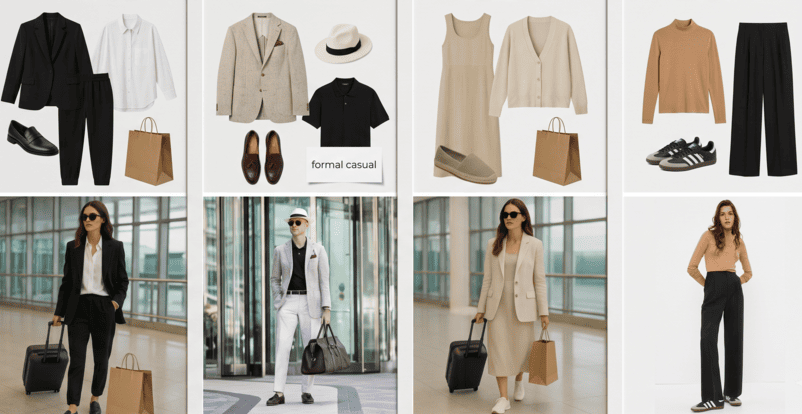
Professional obligations often dictate heading straight from the arrivals hall to a corporate meeting. The transit uniform must adapt to strict professional standards. Crease-resistant fabrics become mandatory in this specific scenario. Tropical wool blends and heavy silk hold their shape remarkably well under pressure.
A dark monochromatic palette hides accidental coffee spills and unavoidable wrinkles. A navy or black column outfit consisting of wide-leg trousers and a matching silk blouse projects immediate authority. Swapping comfortable slip-on sneakers for a sharp, pointed-toe flat just before landing completely changes the tone of the outfit. Applying a fresh coat of lipstick and brushing out the hair in the lavatory finalizes the transition from passenger to professional.
Eliminating Pre-Flight Decision Fatigue
Frequent flyers eliminate pre-flight stress by establishing a strict travel uniform. Recreating the wheel before every single departure wastes time and drains mental energy. A predetermined set of transit clothes acts as a reliable, mathematical formula. The traveler washes the designated garments and sets them aside entirely for the next trip.
This standardized approach guarantees comfort. It eliminates the massive risk of testing unproven, potentially uncomfortable garments on a twelve-hour journey. A signature travel look builds personal confidence. Walking through the terminal feeling put-together sets a positive psychological tone for the entire trip. Building the perfect airport outfit requires an initial investment of thought and quality pieces. The return on that investment is a lifetime of seamless, comfortable air travel.